Foshan
Nanfeng Ancient Kiln
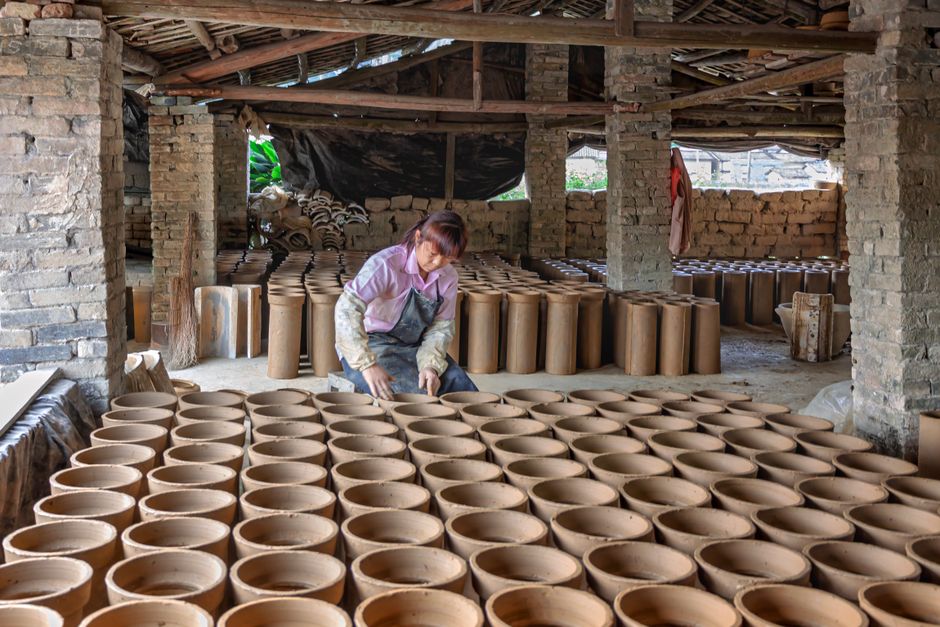
Nanfeng Ancient Kiln is a worthwhile stop in Foshan for travelers who want to slow down and look closely at a place shaped by making. Its value is not about rushing from one headline sight to the next. Give yourself time to notice the kiln setting, the working-material atmosphere, and the way craft can make a historic place feel more immediate.
The site, together with the Gaozao Ceramic Kiln, was announced as a National Key Cultural Relic Protection Unit in June 2001. That designation gives useful context for a visit: treat the place as protected heritage, not simply as a backdrop for photos.
What to look for
Start by observing the kiln as a built object. Look at its scale, surfaces, and the practical logic of a structure made for firing ceramics. Even if you arrive without specialist knowledge, this is an accessible way to approach the visit. Ask yourself what the materials suggest about heat, repetition, labor, and repair.
Then take a slower pass through the surroundings. A good visit does not need a checklist. Choose a few details that catch your attention and stay with them: a texture, a curve, the contrast between ceramic material and the wider streetscape, or the feeling of standing near a protected working heritage site.
A useful way to visit
Nanfeng Ancient Kiln suits travelers who prefer a focused cultural stop over a packed itinerary. Go with one simple aim, such as understanding why kilns matter to a city known for ceramic traditions. Read any on-site interpretation that is available, but do not feel obliged to turn the visit into a lesson. Looking carefully is enough.
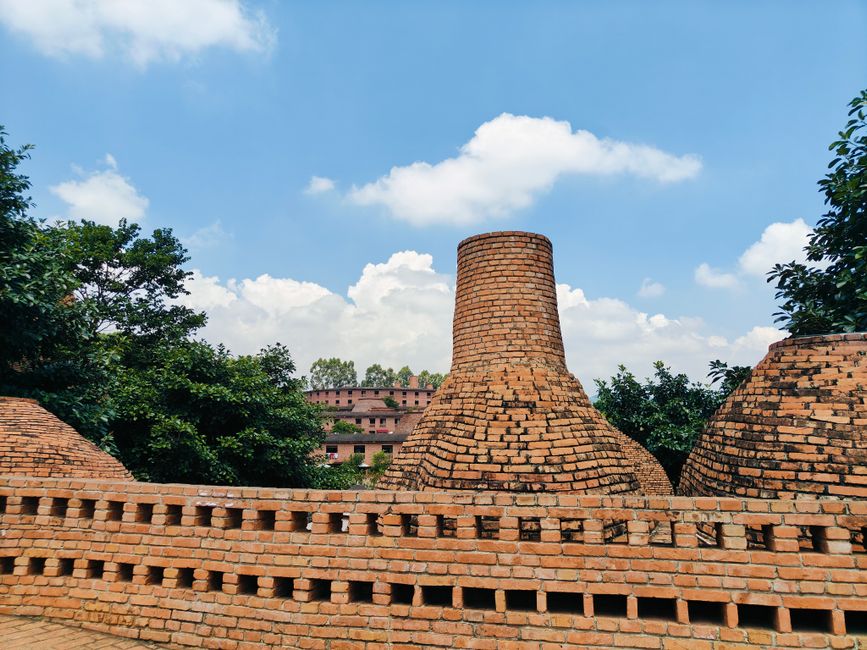
Traditional brick kilns under a clear blue sky surrounded by lush greenery.
If you are traveling with friends, agree on a relaxed pace before entering. One person may want photographs while another may want to read or sit with the space. Leaving room for both makes the stop more rewarding.
Place it in your Foshan day
The visitor area is listed at No. 6 Gaomiao Road, Chancheng District, Foshan, Guangdong. Save that address in your map before you set out. Because this page only uses the supplied reference material, confirm live entry arrangements, access conditions, and opening information with the venue before making a special trip.
Pair the visit with time to wander rather than treating it as a quick detour. Ceramic heritage is easier to appreciate when you are not watching the clock. Bring water, wear shoes that feel comfortable for standing and walking, and keep your expectations open. The strongest impression may come from one quiet detail rather than a single dramatic view.
Why it matters
Historic craft sites can make a city’s cultural life feel tangible. At Nanfeng Ancient Kiln, the protected status points to the importance of preserving the physical places where ceramic work happened. For an international visitor, that can be the most useful takeaway: this is a chance to encounter material culture through the site itself, not through a display case alone.
Leave with a few observations rather than trying to remember everything. A photograph, a note about a construction detail, or a question to explore later can give the visit a longer life after you leave Foshan.
Highlights
- A protected ceramic-kiln heritage site in Foshan.
- Nanfeng Ancient Kiln and Gaozao Ceramic Kiln received National Key Cultural Relic Protection Unit status in June 2001.
- A focused cultural stop for travelers interested in materials and making.
- An opportunity to observe a kiln as a historic built structure.
- A visit best approached at an unhurried pace.
- Listed visitor address: No. 6 Gaomiao Road, Chancheng District, Foshan, Guangdong.
Travel Tips
Confirm practical details before leaving
Check directly with the venue for current entry arrangements, access conditions, and opening information before a special trip.
Give the site time
Visit at a relaxed pace and spend time looking at the kiln’s materials, scale, and construction details.
Save the address
Store No. 6 Gaomiao Road, Chancheng District, Foshan, Guangdong in your map before setting out.