Best SIM Card for China (2026): eSIM vs Airport SIM, Compared
Quick answer: For a normal trip of one to three weeks, buy a travel eSIM before you fly. Airalo, Saily, and Yesim all route your data through servers outside China, so Google, Gmail, WhatsApp, and Instagram work without a separate VPN, and you skip the airport queue. Buy a physical Chinese SIM card only if you need a local +86 phone number or you are staying for months.
You land at Shanghai Pudong, clear immigration, and your phone shows no bars. Your hotel booking sits in Gmail, your ride is in a WhatsApp thread, and both apps are blocked on the local network. This is the moment most people wish they had sorted out connectivity before boarding.
There are two real ways to get online in China as a visitor: a travel eSIM you install before you arrive, or a physical SIM card you buy at the airport with your passport. Roaming from your home carrier is a third option, but it is usually the priciest and often hits the same blocked-apps wall. This guide compares the two that matter and names three eSIMs worth buying.

Two travelers checking a phone on a busy Chinese city street
eSIM or physical SIM: which one fits your trip
Here is the short version, then the detail.
- Short tourist trip, want your usual apps to work: travel eSIM.
- Need a Chinese phone number for a local bank app, a landlord, or an SMS-verified account: physical SIM.
- Staying several months or want the cheapest large data bucket: physical SIM, topped up at a carrier store.
A travel eSIM is a digital SIM you add to a newer phone (iPhone XS or later, most flagship Android from 2019 on). You buy a China plan online, scan a QR code, and it installs as a second line. The part that matters for China: reputable travel eSIMs send your traffic through a gateway outside the mainland, so the Great Firewall does not filter it. Google Maps, Gmail, WhatsApp, and Instagram load like they do at home, with no VPN app to configure. For the full ranking, see our best eSIM for China breakdown.
A physical Chinese SIM card is the plastic card from China Unicom, China Mobile, or China Telecom. It gives you a real +86 number and, on longer plans, often more data for the money. The catch is the firewall: a raw local SIM routes through Chinese networks, so Google and other blocked services stay blocked unless you also run a VPN, which is harder to install once you are already in China.
Why most visitors should pick a travel eSIM
Three reasons stand out.
Your apps work with no extra setup. Because the data leaves China through an international gateway, the usual blocked apps just work. You are not gambling on a VPN staying connected.
You set it up before you fly. You buy and install the eSIM at home on hotel Wi-Fi, so you land with signal already live. This matters more than it sounds: eSIMs from non-Chinese providers cannot be installed once you are inside the mainland, because the app stores and provider sites you would need are restricted. Install before departure, every time.
No queue, no passport counter. No 20-minute wait at arrivals, no handing over your passport for registration. You walk out of the airport already online.
The trade-off is honest: a travel eSIM gives you data only, not a Chinese phone number, and heavy users pay more per gigabyte than a local unlimited plan. For most one-to-three-week trips, that trade is worth it. If you want the wider picture on staying connected, read our guide to getting online in China.
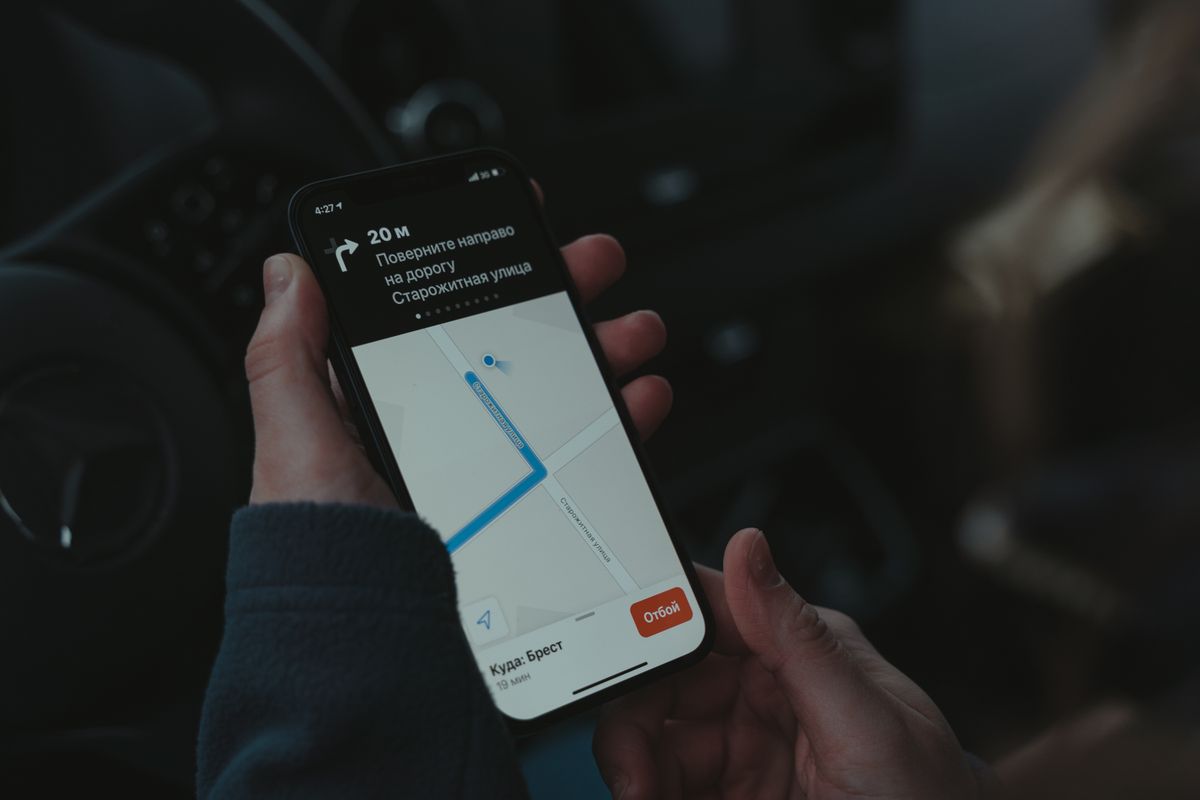
Phone showing a live map with mobile data in China
The three eSIMs worth buying
All three route around the firewall and sell China-specific plans. They differ on price, extras, and how long a stay they suit.
| Provider | Best for | Firewall bypass | Rough price (7 days) |
|---|---|---|---|
| Airalo | First-timers who want the safe default | International gateway, 5G on China Unicom | $5 to $12 |
| Saily | Cheapest data, simple app | Built-in Virtual Location toggle | $4 to $10 |
| Yesim | Longer stays, hotspot-heavy use | Backup VPN and virtual number | $6 to $14 |

Airalo China eSIM
The most widely used travel eSIM, 5G on China Unicom, Google and WhatsApp work with no separate VPN
Some links are affiliate links; we may earn a commission at no extra cost to you.

Saily China eSIM
Usually the cheapest of the three, with a Virtual Location toggle to clear the firewall
Some links are affiliate links; we may earn a commission at no extra cost to you.

Yesim China eSIM
Best for longer stays and heavy hotspot use, bundles a backup VPN and optional virtual number
Some links are affiliate links; we may earn a commission at no extra cost to you.
Buy the smallest plan that covers your days, then top up in the app if you run low. There is no saving in buying a huge bucket you will not use.
When a physical airport SIM card is the better call
A local SIM earns its place in specific cases:
- You need a +86 number. Some Chinese apps, a local bank account, or a long-stay rental want an SMS-verifiable Chinese number. Only a physical SIM gives you that.
- You are staying for months. A local monthly plan with tens of gigabytes usually beats stacking eSIM top-ups over a long stay.
- You are comfortable running a VPN. A raw local SIM does not clear the firewall, so install a VPN for China before you arrive if you want Google and Western apps.
China Unicom is generally the most foreigner-friendly for city trips; China Mobile reaches further into remote regions.

Hands holding a phone showing a world map, roaming data concept
Buying a SIM at the airport: what actually happens
Every major international airport (Beijing Capital, Shanghai Pudong, Guangzhou Baiyun, and others) has carrier counters in the arrivals hall past customs. Bring your original passport. Since December 2019, every SIM in China is tied to a verified identity, and that now includes a live facial-recognition check against your passport photo, done at the counter. Budget 15 to 30 minutes.
Expect to pay roughly ¥100 to ¥300 (about $14 to $42) for a tourist SIM with a week or two of data, versus $4 to $14 for a comparable travel eSIM. You can also reserve a tourist SIM through a booking site before you fly and collect it after landing, which shortens the counter time. One thing the local SIM will not fix on its own: blocked apps. If you go this route and want Google, set up a VPN before departure.
Setup checklist, in order
- Check your phone is eSIM-capable and carrier-unlocked (Settings shows an "Add eSIM" option).
- Buy your China eSIM a day or two before you fly.
- Install it on home Wi-Fi, but leave the line switched off until you land.
- On arrival, turn on the eSIM line and enable data roaming for it (this is normal for travel eSIMs).
- If you bought a physical SIM instead, install your VPN before you leave home.
Frequently asked questions
Is a travel eSIM or a physical SIM card better for China? For a normal trip, a travel eSIM. It works with Google and WhatsApp without a VPN, installs before you fly, and skips the passport counter. Choose a physical SIM only if you need a Chinese phone number or you are staying for months.
Do Google, WhatsApp, and Instagram work on a China eSIM? Yes, on the reputable travel eSIMs above, because they route your data through servers outside China. A plain local SIM does not do this, so you would need a VPN as well.
Can I buy and install an eSIM after I arrive in China? No. Install it before you fly. Once inside the mainland, the sites and app stores you need to set it up are restricted, so on-the-ground setup turns into a headache.
Do I need my passport to buy a SIM in China? For a physical SIM, yes. Real-name registration is mandatory and includes a facial-recognition check against your passport at the counter. A travel eSIM needs no passport.
How much data do I need for a week in China? Most travelers do fine on 3 to 5 GB for a week of maps, messaging, and light browsing. Buy small and top up in the app rather than overbuying.
Before you leave home
Sort connectivity before you board, not after you land. For most visitors that means a travel eSIM installed on home Wi-Fi and switched on when you touch down. Keep a physical airport SIM in mind only if you need a Chinese number or a long, data-heavy stay, and if you go that way, pack a VPN you installed before departure.
Related guides
- Best way to book China train tickets: compare Trip.com and the official 12306 app.
- Best site to book China hotels: choose platforms that accept foreign passports.