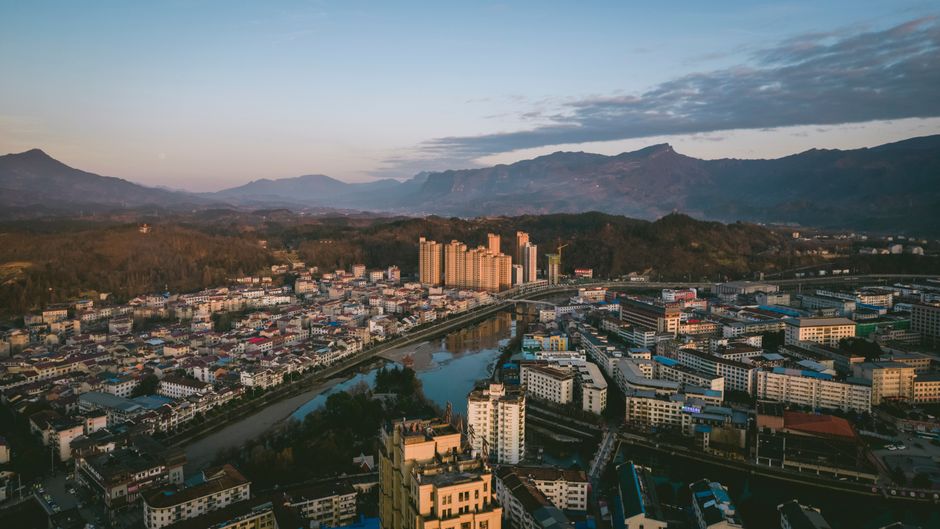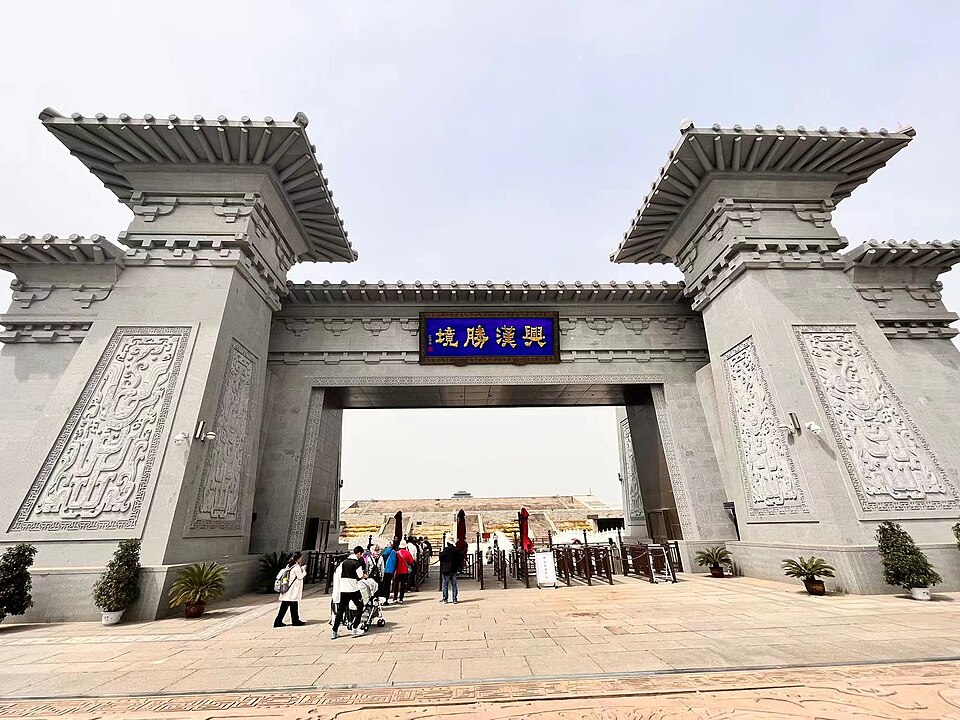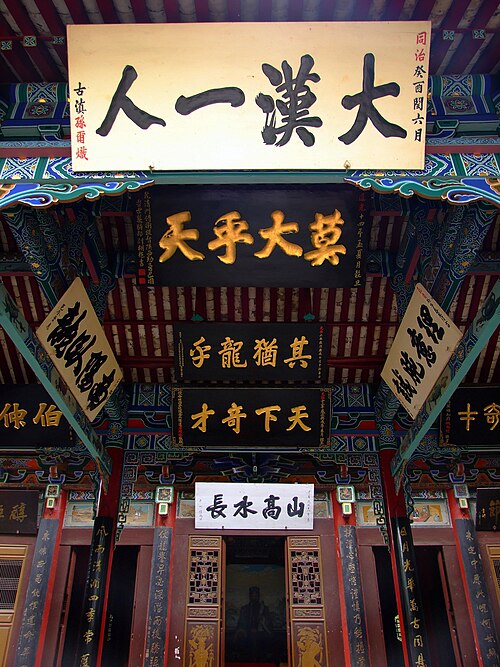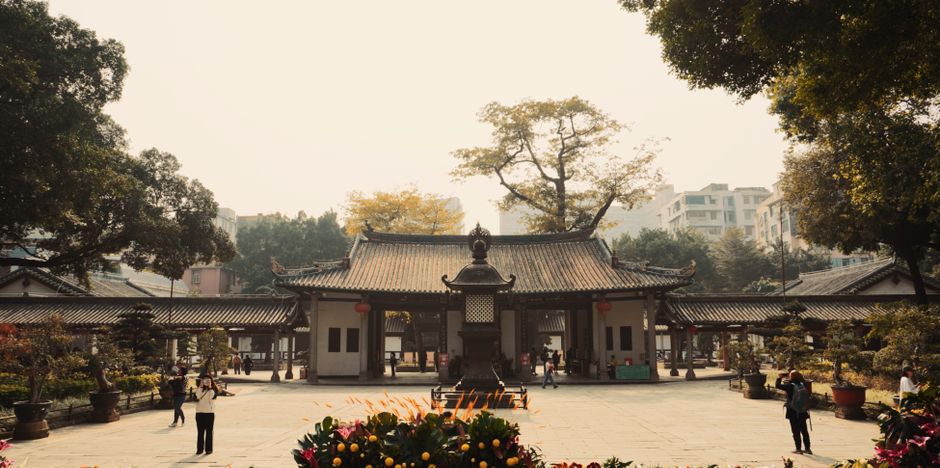
Hanzhong
Shimen Plank Road, Hanzhong: History & Visit Guide (2026)
Shimen Plank Road combines a reconstructed cliff route, the narrow Bao River gorge, and the history of one of the main ancient passages across the Qinling Mountains. It lies in Hedongdian, about 15 kilometers northwest of central Hanzhong. The setting feels remote once the valley closes around the water, yet it remains close enough to visit from the city without changing hotels.
The most important detail to understand before going is that the walkway inside the tourist area is not an untouched ancient road. Local government material states that the present 3.26-kilometer route was built in 2004, above the former alignment, using seven documented plank-road construction forms. Visit it as a reconstruction that explains ancient engineering in the landscape where that engineering mattered.
Is Shimen Plank Road an original ancient plank road?
The attraction interprets the Baoxie Road, an ancient route that followed the Bao and Xie river valleys between the Hanzhong Basin and the Guanzhong region. Builders created passages through difficult terrain by cutting sockets into cliffs, fixing horizontal beams into the rock, adding supports, and laying a travel surface above the river.
The modern walkway helps visitors read that method at full scale. Look at how the supports respond to changes in the cliff rather than treating the route as one continuous wooden balcony. Different sections demonstrate beams fixed into rock, diagonal braces, upright posts, platforms resting against slopes, and layered structures. These details explain why plank roads were practical pieces of transport infrastructure, not decorative bridges.
The reconstruction is also part of the site’s story. Construction of the Shimen Reservoir altered the historic valley, and important remains were moved or submerged. The present route places visitors above the old alignment and preserves the relationship between a narrow gorge, steep rock, and the need to build a road where ordinary paths were impossible.
What are the main things to see?
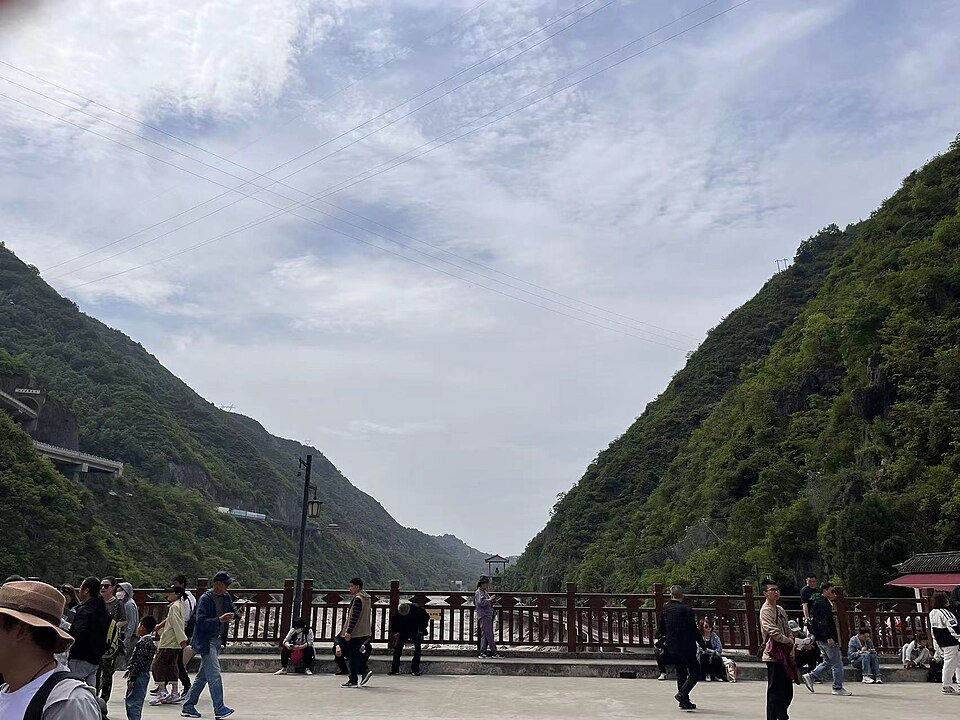
Start with the relationship between the walkway and the gorge. Pause where you can see the supports beneath the deck, the opposing cliff, and the water together. That view makes the engineering easier to understand than a model or diagram.
The second theme is the Shimen tunnel. Official Hanzhong accounts describe an approximately 16-meter passage opened during the Eastern Han period so wheeled traffic could pass a difficult point on the Baoxie Road. It is presented as an early artificial road tunnel. The attraction includes an interpretive reconstruction, while the historic setting was affected by the reservoir project.
The third theme is epigraphy. Travelers and officials left inscriptions around Shimen over many centuries. Thirteen selected works, commonly called the Shimen Thirteen Inscriptions, document road repairs, hydraulic works, local administration, and changes in Chinese calligraphy from the Han through later periods. They include works such as the Shimen Song and Shimen Inscription.
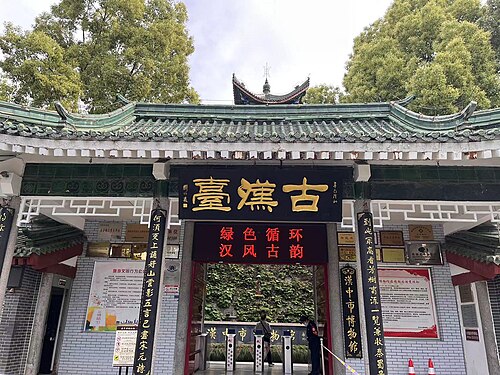
Do not expect to find those original masterpieces exposed beside the tourist walkway. Official cultural-heritage accounts state that the principal carvings were removed during reservoir construction and transferred to Hanzhong City Museum. The scenic area tells you where the inscriptions came from; the museum is where you examine the originals. Treat the two places as complementary parts of one story.
The final layer is modern water engineering. The reservoir and dam changed the old landscape, but they also reveal how the Bao River has continued to shape transport, irrigation, flood management, power generation, and settlement around Hanzhong. This contrast between an ancient passage and a modern water project gives Shimen more depth than a standard mountain walkway.
How should you plan the route?
Make the plank road the main outing rather than squeezing it between several city-center stops. The scenery rewards pauses, and the historical displays make more sense when you have time to compare each reconstructed support system with the surrounding terrain.
A useful sequence is:
- Read the introductory material before entering the gorge.
- Inspect the reconstructed support systems instead of walking straight through.
- Stop at viewpoints that show the walkway, water, and rock face in one frame.
- Study the interpretation of the ancient tunnel and inscriptions.
- Visit Hanzhong City Museum separately to see the relocated stone carvings.
The attraction is in Hedongdian Town. Keep its Chinese name, Shimen Plank Road Scenic Area, on your phone for a driver or navigation app. A taxi, hired car, or confirmed local transfer is easier to manage than relying on an old online bus timetable. Provincial tourism material has published public-transport routes to the area, but route numbers and stopping patterns should be checked locally before departure.
What are the 2026 ticket price and opening hours?
This guide does not quote a fixed admission price or daily timetable because the official attraction-specific sources available for research do not provide a current 2026 visitor notice. Older promotional prices and opening times can become misleading after seasonal changes, maintenance, weather restrictions, or holiday policies.
Ask your accommodation to check the attraction’s latest notice before you leave Hanzhong. Confirm three points: whether the full walkway is open, the final entry time, and which transport or optional activities require a separate payment. If a booking platform lists a ticket, compare its conditions with the notice at the official entrance before purchasing.
When is the best time to visit?
Choose a dry, clear day rather than relying only on the month. Official Hanzhong material describes the region as humid, with substantial rain in summer and autumn. Provincial tourism authorities have also issued weather-risk warnings that included Shimen Plank Road during periods of heavy rainfall.
Rain can reduce visibility and make an exposed gorge route less comfortable. Check the forecast and any temporary closure notice on the morning of your visit. After persistent rain, follow staff instructions even if the city itself appears calm. In warmer weather, carry drinking water and use sun protection on open sections. In cooler conditions, bring a layer because shade, water, and wind can make the gorge feel colder than central Hanzhong.
Is Shimen Plank Road worth visiting?
It is a strong choice for travelers interested in ancient roads, civil engineering, Chinese calligraphy, or landscapes shaped by both rivers and infrastructure. The site works best when you arrive knowing that the visible walkway is a modern interpretation. That distinction does not weaken the visit; it helps you separate the ancient route, the relocated inscriptions, and the reservoir-era landscape.
Travelers seeking an untouched archaeological trail may prefer a different expectation. Shimen is a developed scenic area that explains a lost and altered transport landscape. Its value comes from seeing the gorge first, then connecting it with the original inscriptions at Hanzhong City Museum.
Practical checklist
- Save Shimen Plank Road Scenic Area and Hedongdian Town in Chinese before leaving your hotel.
- Verify opening status, final entry, and admission terms on the day of travel.
- Wear shoes with dependable grip and keep both hands free on steps or wet sections.
- Carry water, rain protection, and a charged phone.
- Do not climb barriers or enter closed sections for photographs.
- Add Hanzhong City Museum if the Shimen inscriptions are a main reason for your visit.
Frequently asked questions
Are the planks ancient?
No. The visitor route is a modern reconstruction built above the former alignment. It demonstrates several traditional structural methods in the original gorge setting.
Can I see the original Shimen Thirteen Inscriptions there?
The scenic area explains their context, but the principal original carvings were transferred to Hanzhong City Museum during reservoir construction.
Is the attraction in central Hanzhong?
No. It is in Hedongdian Town, about 15 kilometers northwest of the central urban area. Carry the Chinese name for transport arrangements.
Are tickets and opening hours fixed throughout 2026?
Do not assume that an older listing remains valid. Confirm the latest official notice, final entry time, and any partial closure before departure.
What is the best companion visit?
Hanzhong City Museum is the most relevant addition because it holds the relocated inscriptions that originated around Shimen.
Highlights
- A 3.26-kilometer reconstructed walkway demonstrating seven traditional plank-road support systems
- Views across the narrow Bao River gorge and the reservoir landscape
- Interpretation of the Eastern Han Shimen road tunnel and ancient Baoxie transport corridor
- The original setting of the celebrated Shimen Thirteen Inscriptions
- A clear comparison between ancient cliff-road engineering and modern water infrastructure
- An easy thematic pairing with the relocated inscriptions at Hanzhong City Museum
Travel Tips
Save the Chinese name
Keep Shimen Plank Road Scenic Area on your phone for navigation or show it to a driver; the attraction is outside central Hanzhong in Hedongdian Town.
Verify access before leaving
Check the latest opening notice, final entry time, admission conditions, and any weather-related closure on the day of your visit.
Pair it with the museum
Visit Hanzhong City Museum if you want to see the original Shimen inscriptions rather than only their historical setting and interpretation.
Prioritize dry weather
The gorge is more comfortable in clear conditions. Check rain warnings, wear shoes with good grip, and follow staff instructions after persistent rainfall.