Travel Insurance for China 2026: What to Buy and What It Costs
Do you need travel insurance for China? For most trips, yes. Your home health plan almost certainly won't pay a Chinese hospital directly, and flying someone out of a remote area (a high mountain pass in Tibet, for example) after an accident can cost $25,000 to $100,000 or more. For a typical 1-2 week trip, budget $30-90 for a basic plan with solid medical and evacuation limits, or $70-180 for a comprehensive plan that adds trip cancellation, baggage cover, and higher medical caps. That's the short version. Below is what to look for, what it costs by scenario, and where travelers get caught out.
What a good China travel insurance policy should cover
A policy built for a China trip needs to handle six things well, roughly in order of importance:
- Emergency medical treatment abroad, ideally $50,000-$100,000 minimum. Private hospitals and international clinics in Beijing, Shanghai, and other major cities (United Family, Raffles Medical, and similar) don't bill most foreign insurers directly and expect payment up front, sometimes several thousand dollars before they'll treat anything past a basic consultation.
- Medical evacuation and repatriation, $100,000-$250,000 in coverage. This is the line that protects you financially: getting flown to Hong Kong, Bangkok, or home for treatment a rural Chinese hospital can't provide. Domestic Chinese medevac flights alone can run $10,000-$30,000; international ones with a medical team on board go well beyond that.
- Trip cancellation and interruption, usually reimbursed at 100-150% of prepaid trip cost. Covers illness, a death in the family, or an airline meltdown that voids a non-refundable flight or tour you already paid for.
- Baggage and personal effects, typically $500-$2,500. A lower priority next to medical cover, but useful if checked luggage goes missing on a domestic connection.
- A high-altitude or adventure sports rider, relevant only if your route includes Tibet, western Sichuan, or Qinghai. Lhasa itself sits at 3,650 meters; routes toward Everest Base Camp, Namtso, or high mountain passes push past 5,000 meters, and most standard policies stop covering medical claims above 3,000-4,000 meters unless you add this rider.
- A 24/7 assistance line with English-speaking staff who can coordinate directly with a hospital in China. This sounds minor on paper. In practice it's the difference between a policy that works at 2am in a Chengdu hospital and one that leaves you making international calls while sick.
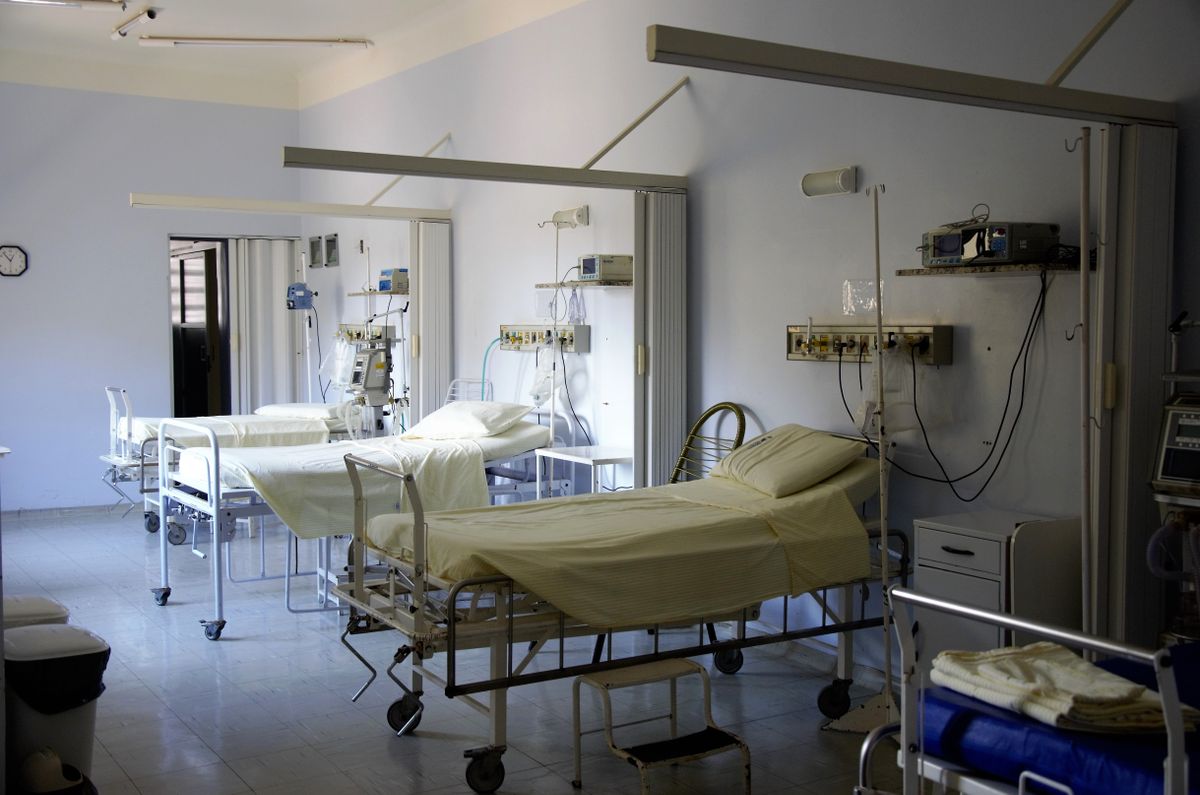
Empty hospital ward with beds and medical equipment
What it costs for a 1-2 week trip in 2026
Prices depend on age, trip cost, coverage limits, and whether you add riders. As a rough guide for a healthy traveler in their 20s-40s on a 10-14 day China trip in 2026:
| Plan type | Typical cost (10-14 days) | What you get |
|---|---|---|
| Basic medical-only | $25-50 | Emergency treatment, evacuation, no trip cancellation |
| Standard comprehensive | $60-120 | Medical, evacuation, trip cancellation, baggage |
| Comprehensive + high-altitude rider | $90-180 | Above, plus Tibet/adventure sports coverage |
| Senior traveler (65+) comprehensive | $150-350 | Same coverage, higher premium for age |
These are rough US-market ranges; a Spanish or German traveler buying from a home-country insurer will see different numbers, but the relative gap between basic and comprehensive holds up across markets. If your trip includes a China-Hong Kong-Vietnam loop or similar multi-country itinerary, expect a small premium bump, not a separate policy, as long as you declare every country on the itinerary.
What's typically included versus what gets excluded
| Coverage area | Usually included | Often excluded or capped |
|---|---|---|
| Emergency medical treatment | Illness and injury treatment, ambulance, hospital stay | Pre-existing conditions (unless you buy a waiver early), routine or dental care beyond emergency stabilization |
| Medical evacuation | Transport to the nearest adequate facility or home country | Evacuation for conditions the policy already excludes; some plans cap evacuation cost or require pre-approval |
| Trip cancellation | Illness, injury, death in the family, some airline cancellations | Cancelling because you changed your mind, most government travel advisories issued after you bought the policy |
| Baggage | Lost, stolen, or delayed checked luggage | Cash, jewelry, electronics above a per-item cap, unattended bags |
| High-altitude activities | Trekking, mountain passes, if the rider is purchased | Any altitude claim if you didn't buy the rider, even on a route that clearly goes above 3,500m |
| COVID-19 | Emergency treatment if you catch it during the trip, on most 2026 policies | Cancelling because you're worried about catching it, travel to a destination under an active advisory at time of purchase |
Is credit card travel insurance enough?
Usually not, and this is where a lot of travelers get an unpleasant surprise. Premium cards like the Chase Sapphire Reserve or Amex Platinum do include emergency evacuation and transportation benefits, sometimes with a $100,000 limit, which sounds like it covers the scenario above. Two catches:
- The benefit typically only applies if you paid for at least part of the trip with that card. Book your flight on a different card or through a travel agent and the coverage may not trigger at all.
- Card-based evacuation coverage stops once you're on the ground. It pays to get you to a hospital or fly you home. It does not pay the hospital bill once you're there, and it rarely covers trip cancellation, baggage, or the kind of ongoing treatment a broken leg or altitude sickness requires.
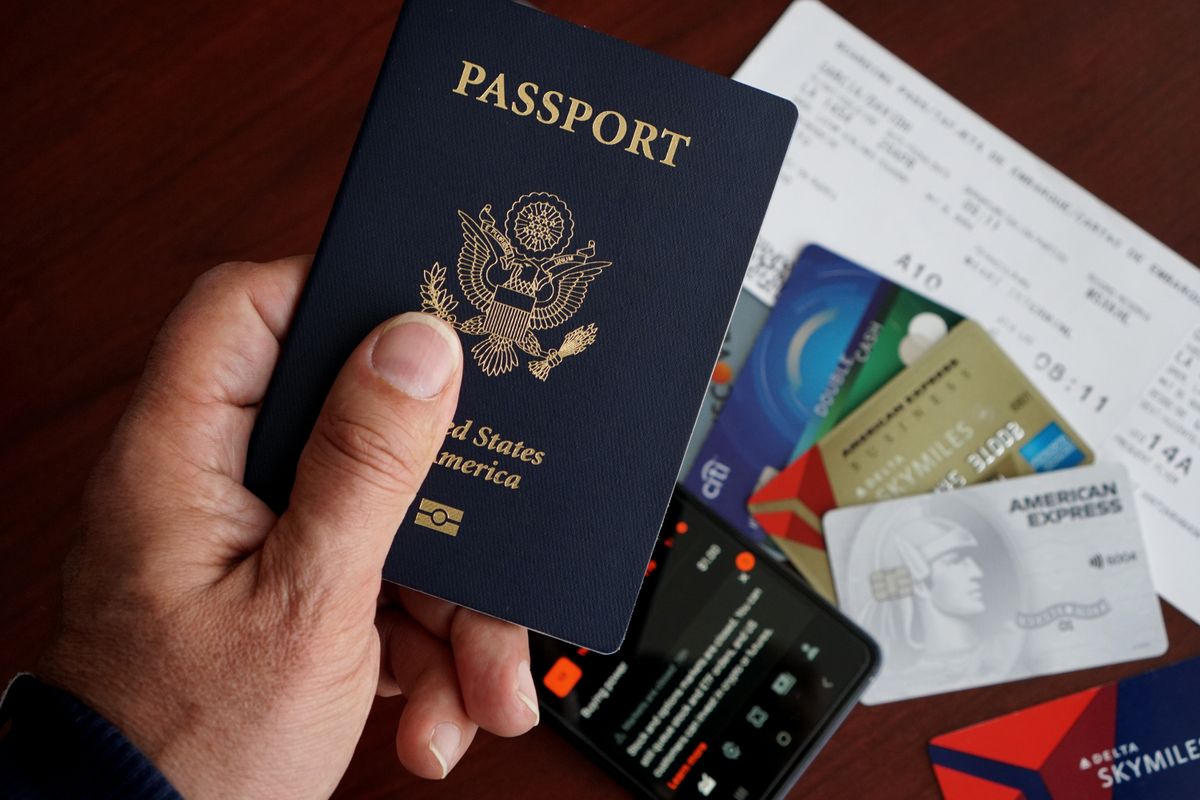
Hand holding a US passport with credit cards and a boarding pass
Treat card benefits as a supplement to a standalone medical policy, not a replacement for one. If you're relying on a card, read the guide-to-benefits document (not the marketing page) for the exact card you're using, since coverage varies a lot between two cards from the same bank.
Tibet and other high-altitude trips: the rider most people skip
If your itinerary includes Lhasa, the Friendship Highway, Everest Base Camp, Namtso, or Qinghai's high plateau routes, check your policy's altitude limit before buying, not after. Most standard travel policies quietly stop covering medical and evacuation claims above 3,000-4,000 meters, which is a problem given that Lhasa alone sits at 3,650m. A high-altitude or adventure sports rider usually costs an extra $10-30 for a two-week trip and covers:
- Medical treatment for altitude sickness (acute mountain sickness, and the rarer but serious HAPE/HACE)
- Emergency evacuation from a mountain pass or remote monastery town, which is where the real cost sits: helicopter or ground evacuation from western Tibet can run into five figures
- Trekking and organized adventure activities, though technical climbing above a certain altitude (often 5,500-6,000m) is usually a separate, harder-to-find policy entirely
Buy this rider before you book the Tibet permit, not after you land in Lhasa. Insurers won't backdate coverage once you're already in the region.
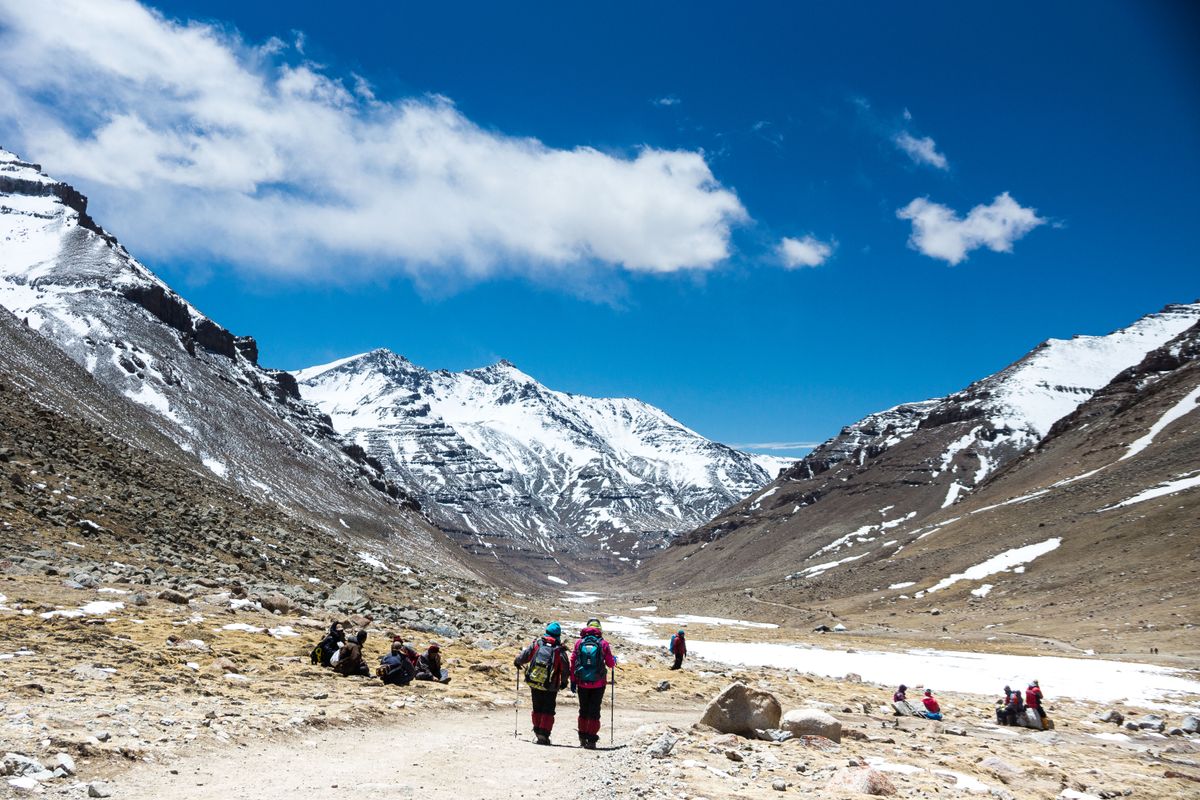
Hikers walking through a high-altitude Tibetan mountain valley with snow-capped peaks
Common mistakes people make buying insurance for a China trip
- Assuming credit card insurance covers medical evacuation in full. As above, it usually covers transportation only, not the hospital bill.
- Not declaring Tibet or high-altitude activities. If you don't list it and file a claim from 4,500m, the insurer can deny it outright, even if you bought a policy that would have covered it with the rider added.
- Buying trip cancellation cover after paying for the trip. Most cancellation benefits require you to buy the policy within 14-21 days of your first trip payment; buy it a month later and that piece of coverage is gone.
- Skipping the medical evacuation line entirely to save $20-30, then discovering it's the one benefit that matters most if something goes wrong in a rural area.
- Not checking the COVID clause. Some 2026 policies cover COVID treatment as a standard illness; a few budget plans still carve it out. Read the policy wording, not just the marketing page.
- Forgetting to declare Hong Kong or Macau on a combined itinerary (see below), which can complicate a claim even though the flight feels domestic.
Combined trips: China plus Hong Kong or another country
"Does travel insurance cover China and Hong Kong?" comes up often because so many trips combine the two, along with stops in Japan, Vietnam, or Southeast Asia. Hong Kong and Macau operate under separate immigration and customs systems from mainland China, and some insurers treat them as a distinct region for underwriting purposes. The fix is simple: list every country and territory on your itinerary when you buy the policy, not just "China." Leaving Hong Kong or a side trip to Vietnam off the declared itinerary is one of the more common reasons a claim gets delayed, even when the medical event happened somewhere clearly covered.
Who this is for, and how to choose a policy
This guide is for anyone booking a first or return trip to mainland China who wants medical and evacuation cover that will pay out, not just a cheap add-on at checkout. If you're a frequent traveler doing three or more international trips a year, an annual multi-trip policy from a provider like SafetyWing, World Nomads, or your home country's usual travel insurer often costs less than buying single-trip cover three times over, though check the per-trip length cap (many annual plans cap any single trip at 30-90 days).
To compare policies quickly:
- Check the medical and evacuation limits first; everything else is secondary.
- Confirm China (and Tibet, if relevant) isn't excluded or capped differently than other destinations: some global policies quietly carve out specific countries.
- Read the pre-existing condition clause if you have any ongoing health issue, even a controlled one.
- Add the high-altitude rider before you buy a Tibet permit, not after.
- Buy trip cancellation cover within the insurer's early-purchase window if you want that benefit at all.
- Save the policy number and 24/7 assistance line phone number somewhere you can access without your phone (email to yourself, printed copy).
If altitude sickness or China's hospital system worries you beyond the insurance question itself, our China health and safety guide covers vaccinations, tap water, hospital quality by city, and altitude acclimatization in more detail.
FAQ
Do I need travel insurance for China? Not legally required for most visa types, but strongly recommended. Chinese hospitals generally expect payment up front from foreign patients, and a medical evacuation without insurance can cost tens of thousands of dollars out of pocket.
How much does travel insurance for a China trip cost? For a healthy traveler on a 10-14 day trip in 2026, expect $25-50 for basic medical-only cover, $60-120 for a standard comprehensive plan, and $90-180 if you add a high-altitude rider for Tibet.
Does travel insurance cover China and Hong Kong on the same trip? Usually yes, but you need to declare both (and any other country on your itinerary) when you buy the policy. Some insurers treat Hong Kong and Macau as a separate region, and an undeclared destination is a common reason claims get delayed.
Is my credit card's travel insurance enough for a China trip? Generally not by itself. Card-based coverage often only applies if you booked the trip on that card, and even then it usually pays for evacuation and transportation, not the hospital bill once you've arrived at a facility.
Do I need special coverage for Tibet or high-altitude travel? Yes, if your route goes above roughly 3,000-4,000 meters, which includes Lhasa itself. Add a high-altitude or adventure sports rider before you apply for your Tibet permit; standard policies typically exclude claims above that altitude without it.