Guangzhou to Lhasa Train 2026: Price, Schedule and the 53-Hour Direct Route
The train from Guangzhou to Lhasa covers 4,980 km in about 53 hours, more distance and more time on board than any other rail route in China, including the better-known Beijing-Lhasa and Shanghai-Lhasa lines. If you're planning to reach Tibet by rail from South China, here's what the trip involves in 2026: the real schedule, ticket prices by class, the permit you need before you can board, and what three days on a train across half the country feels like.
For step-by-step guidance on registering, choosing between 12306 and Trip.com, and boarding with only your passport, see our complete guide to booking China's high-speed trains.
Is there a direct train from Guangzhou to Lhasa?
Yes. Train Z264 runs daily from Guangzhou railway station straight through to Lhasa railway station, no transfer required. You stay in the same carriage the entire way; the return service is Z266. Some older guides list the return number as Z265, but the current daily pairing is Z264 outbound and Z266 back to Guangzhou.
Z264 leaves Guangzhou around 09:15-09:30 in the morning and arrives in Lhasa on the third day, early-to-mid afternoon, after roughly 53 hours and 20 to 30 minutes. Exact departure and arrival minutes shift slightly with seasonal timetable revisions, so confirm the current time on 12306 or with your booking agency within a week of travel.
How far is it, and why is this the longest train route in China?
The 4,980 km distance beats every other Tibet-bound train by a wide margin:
- Beijing to Lhasa: about 3,757 km, 40 to 41 hours
- Shanghai to Lhasa: about 4,373 km, 47 to 48 hours
- Guangzhou to Lhasa: 4,980 km, about 53 hours
Guangzhou sits further south and further from the Qinghai-Tibet plateau than Beijing or Shanghai, so the train has to cross nearly the full length of the country first: north through Hunan and Hubei, then west through Henan, Shaanxi and Gansu, before joining the Qinghai-Tibet railway at Xining. That extra distance makes Z264 the single longest train journey currently sold as one ticket in China.
What class should you book: hard seat, hard sleeper or soft sleeper?
Prices below are net fares, what China Railway charges directly. Demand during peak Tibet travel months (June through September, and around Chinese national holidays) pushes real availability down and effective cost up if you end up buying through a reseller or booking last-minute.
| Class | Price (CNY) | Approx. USD | Notes |
|---|---|---|---|
| Hard seat | ¥447 | ~$62 | Upright bench seating; not practical for 53 hours |
| Hard sleeper, upper berth | ¥865 | ~$120 | Open 6-berth compartment, no door |
| Hard sleeper, middle berth | ¥892 | ~$123 | Most requested hard sleeper tier |
| Hard sleeper, lower berth | ¥919 | ~$127 | Doubles as a seat during the day |
| Soft sleeper, upper berth | ¥1,468 | ~$203 | Closed 4-berth compartment with door |
| Soft sleeper, lower berth | ¥1,526 | ~$211 | More luggage space, quieter corridor |
For a two-night trip, hard sleeper lower or middle berth is the practical pick: enough privacy to sleep and a fraction of the soft sleeper price. Soft sleeper earns its markup if you want a locking door and don't mind paying roughly 65% more.
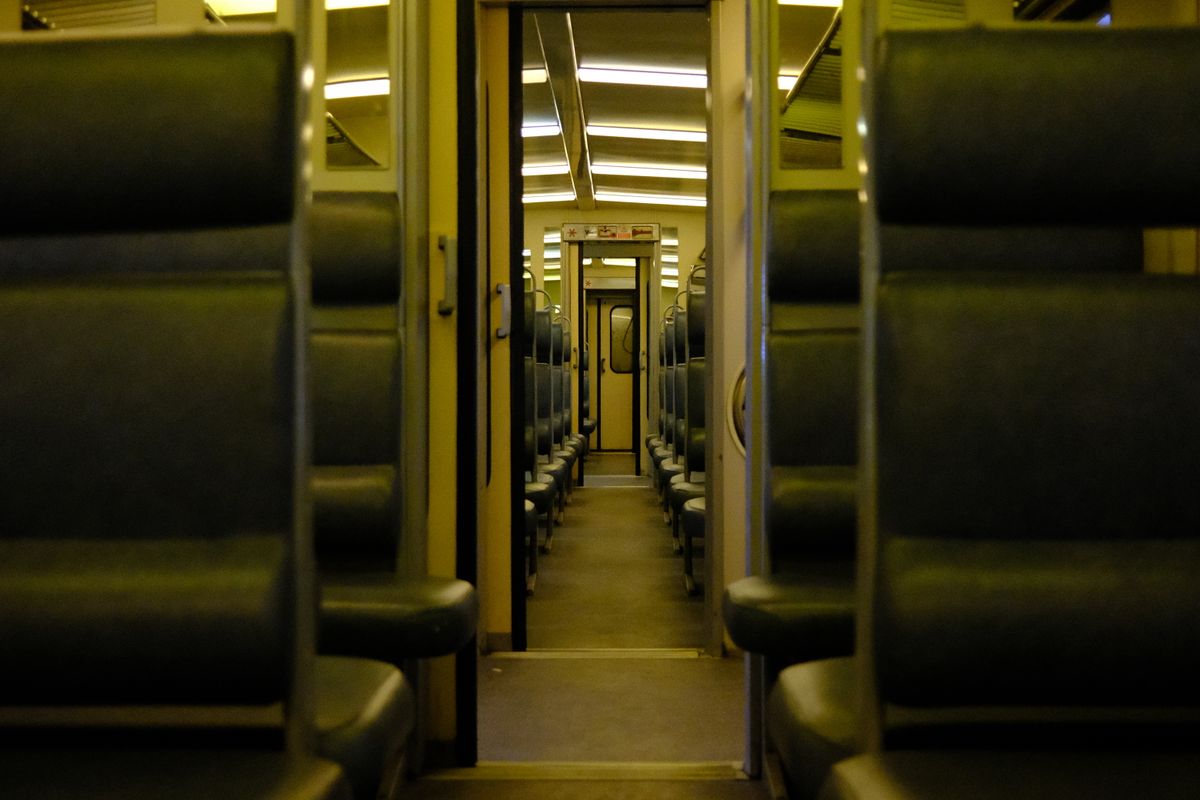
Seating car interior on a Chinese long-distance train
Do you need a permit to ride this train?
If you hold a foreign passport, yes. The Tibet Travel Permit (often called the TTB permit) gets checked before boarding or at Golmud, and station staff will not let you onto a Lhasa-bound platform without it. You cannot apply for it yourself: it has to be issued through a licensed Tibet travel agency, which also arranges the guide and pre-booked itinerary that current regulations require for foreign visitors inside the Tibet Autonomous Region. Solo foreign travelers cannot ride this train into Tibet without that arranged tour and guide.
In practice, the process runs like this:
- Sort out your China visa and overall travel dates first.
- Contact a Tibet-licensed agency 4 to 6 weeks before travel with a passport scan and your planned itinerary.
- The agency applies for the permit, which typically takes 10 to 15 days to issue.
- You get a digital or couriered copy to present at the station alongside your passport when boarding.
Chinese, Hong Kong, Macau and Taiwan passport holders don't need the TTB permit for this train, though Hong Kong, Macau and Taiwan residents still need their own home-return or mainland travel permits at the border.
How to book tickets
12306 (12306.cn or the 12306 app) is China Railway's official booking platform and the only place tickets sell at net price. Tickets release 15 days before departure at 08:00 Beijing time, and Guangzhou-Lhasa berths for peak months often sell out within hours of release. Foreign travelers can book directly on 12306 with a passport once their permit paperwork is confirmed, or let their Tibet agency handle the ticket purchase as part of the package.
Book Guangzhou to Lhasa Train Tickets
Compare berths and lock in dates before they sell out
Some links are affiliate links; we may earn a commission at no extra cost to you.
If you'd rather not track release times yourself, a booking service or your permit agency can handle both ticket and permit together, useful when your travel dates are fixed and you can't refresh 12306 at exactly 08:00.
Why some travelers pick the train over flying
A one-way flight from Guangzhou to Lhasa runs about 4 hours and costs roughly ¥1,500 to ¥2,500 depending on season and how far ahead you book. The train costs less for hard sleeper and takes over two days longer, but it climbs to altitude gradually instead of dropping you at 3,656 meters within hours of takeoff. Many travelers who get altitude symptoms easily choose the train specifically for that slow climb, since the body has roughly a day and a half on the plateau section alone to adjust before arrival.
What the 53 hours onboard feel like
The first day runs through subtropical South China: rice paddies, river crossings, ordinary city stops. By the second morning the train is climbing through Gansu, and the windows show dry hills and irrigated farmland instead of rice terraces. The real scenery starts after Golmud, where the train joins the Qinghai-Tibet railway and climbs onto the plateau itself, crossing Kunlun Pass and Tanggula Pass, the highest point on the line at around 5,072 meters.
Above 3,000 meters, oxygen is piped into every berth through a small vent near the bunk, and attendants walk the corridor checking on passengers for altitude symptoms. Dining car meals run simple (rice, stir-fried vegetables, occasional meat dishes) and cost ¥30 to ¥50 per meal. Bringing instant noodles and snacks for the trip is common practice among regular riders, since free hot water is available at each carriage's boiler.
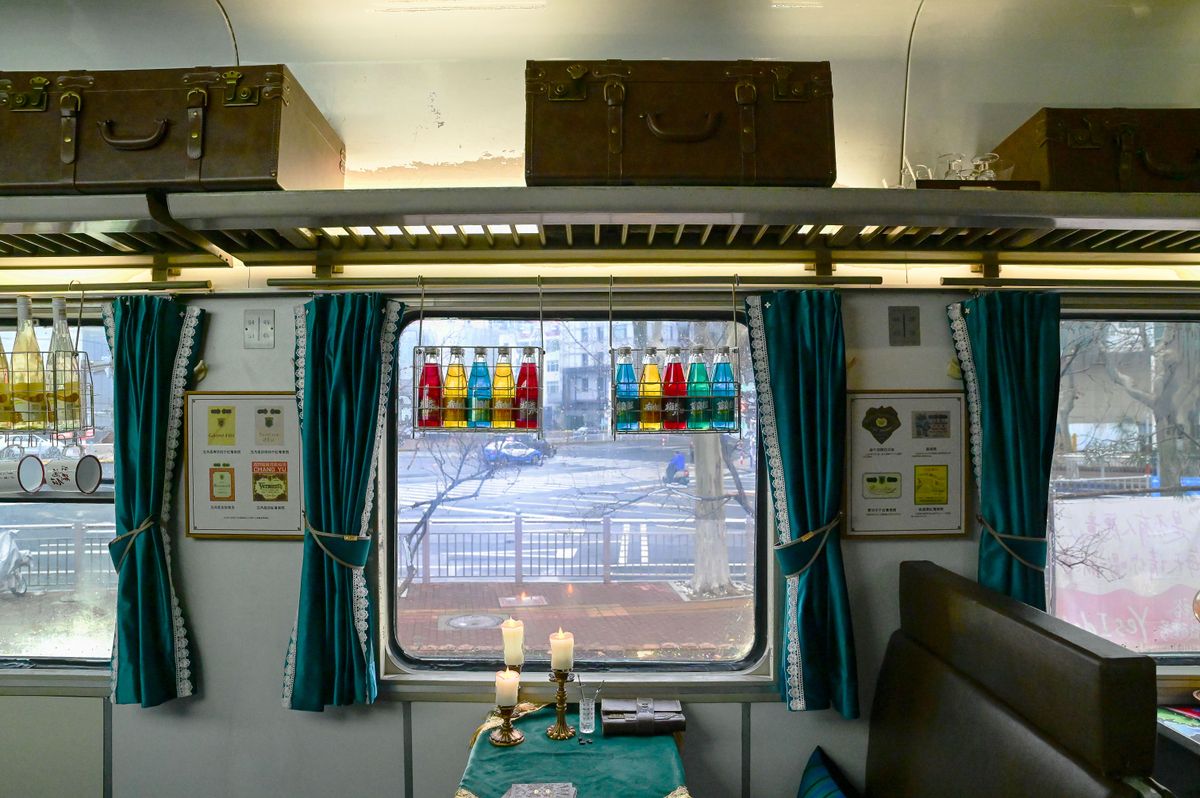
Window seat and overhead luggage rack in a train compartment
Practical tips before you go
- Buy motion sickness or altitude tablets in Guangzhou; pharmacy options in Golmud and on the train are limited.
- Pack a portable charger. Outlets exist in most carriages but are shared and often occupied.
- Carry a paper copy of your permit and a photocopy of your passport separate from the originals.
- Lower berths cost more but let you sit upright without climbing down; worth it if you're working on a laptop or reading through most of the trip.
- Expect patchy or no phone signal for long stretches above Golmud; download offline maps and entertainment before boarding.
- Book your permit and agency tour before your train ticket, not after; the permit timeline (10 to 15 days) is usually the longer lead time of the two.
FAQ
Is there a direct train from Guangzhou to Lhasa? Yes, Z264 runs daily with no train change required, covering 4,980 km in about 53 hours.
Do I need a permit to take this train? Foreign passport holders need the Tibet Travel Permit, arranged through a licensed Tibet agency; it isn't sold or issued directly to individual travelers.
How much does a hard sleeper ticket cost? Net fare runs ¥865 to ¥919 depending on berth position (upper, middle, lower); actual cost during peak season can run higher through resellers.
Is the Guangzhou to Lhasa train the longest in China? Yes, at 4,980 km it's longer than Beijing to Lhasa (about 3,757 km) and Shanghai to Lhasa (about 4,373 km).
Can I buy tickets on 12306 as a foreigner? Yes, with a passport, once your Tibet Travel Permit paperwork is confirmed with your agency. Tickets release 15 days ahead and sell out fast for peak months.