Hong Kong & Macau: Entry Rules & How They Differ from Mainland China (2026)
Quick answer: No: a mainland Chinese visa does not cover Hong Kong or Macau, and vice versa. All three are separate immigration zones, so you clear immigration every time you move between them. The biggest trap is leaving the mainland on a single-entry visa. You cannot get back in without a fresh entry.
A Chinese visa, many travelers assume, works across the whole region: mainland, Hong Kong, Macau. It does not. Hong Kong, Macau, and mainland China remain three separate immigration jurisdictions in 2026, each with its own checkpoints, stamps, and entry rules. Cross the wrong border at the wrong time and you can find yourself unable to get back in. This guide covers how the three systems differ, the visa-free rules for each, and the re-entry mistake that catches travelers every week.
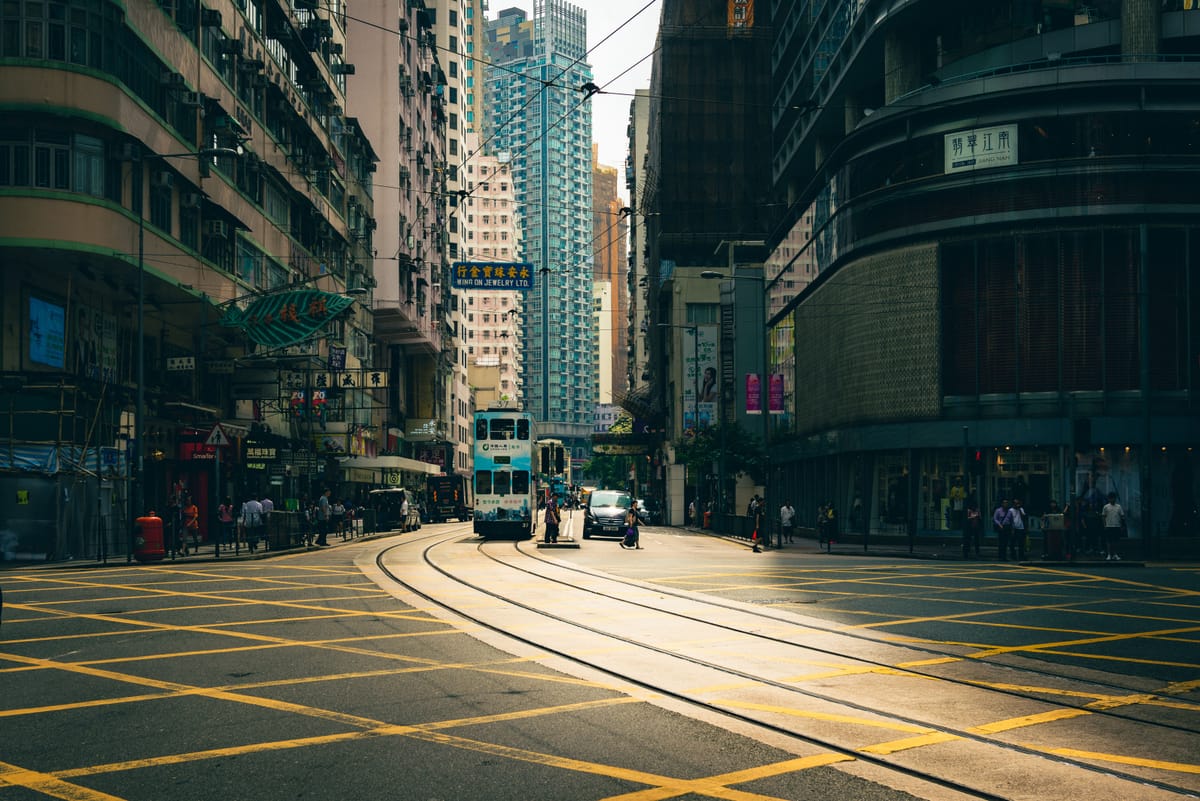
Hong Kong Island street scene with iconic double-decker trams on the tracks
Three systems, three borders
Under the "one country, two systems" framework, Hong Kong and Macau are Special Administrative Regions with full control over their own borders. In practice that means:
- A mainland Chinese visa (or mainland visa-free entry) does not cover Hong Kong or Macau.
- Hong Kong or Macau entry permission gives you no right to enter mainland China.
- Every time you move between mainland China, Hong Kong, and Macau, you clear immigration again: new passport check, new stamp or electronic record.
Think of it as crossing between three different countries that happen to share a region. A trip such as Beijing -> Hong Kong -> Macau means three separate entries. If you are still deciding whether you need a Chinese visa at all, start with our hub guide on whether you need a China visa.
Entering Hong Kong
Hong Kong offers visa-free entry to citizens of around 170 countries and territories. The permitted stay depends on your nationality:
| Nationality | Visa-free stay |
|---|---|
| United Kingdom (British citizens) | up to 180 days |
| United States | up to 90 days |
| Canada, Australia, New Zealand | up to 90 days |
| Most EU countries (France, Germany, etc.) | up to 90 days |
| Many other nationalities | 7 to 30 days |
A few important points for 2026:
- No more arrival card. Hong Kong abolished its paper and electronic arrival/departure cards on 16 October 2024. Immigration now processes most visitors using airline advance passenger information, so you simply present your passport at the counter or an automated e-Channel.
- Passport validity. Hold a passport valid well beyond your stay (at least one to six months depending on nationality) and be ready to show onward travel and adequate funds.
- Pre-arrival registration applies to some nationalities (for example, Indian passport holders need online pre-arrival registration for visa-free visits of up to 14 days).
- Visitors cannot work or study on visa-free entry.
Durations and conditions vary by nationality and can change, so always confirm your own entitlement on the Hong Kong Immigration Department site before you fly.
Entering Macau
Macau runs its own visa-free scheme covering roughly 80 countries and territories, with visa-free stays ranging from 30 to 180 days depending on nationality:
- United States, Australia, Canada, Brazil, Japan, and others: up to 30 days visa-free.
- Most EU countries (France, Germany, Italy, Spain, and others): up to 90 days visa-free.
- United Kingdom: up to 180 days (6 months) visa-free, the longest allowance Macau grants to any nationality.
- Visa on arrival is available to several other nationalities (typically up to 30 days, for a small fee paid at the border).
- A handful of nationalities must obtain a visa in advance and cannot use visa-on-arrival.

The Ruins of St. Paul's, the iconic facade in Macau's historic centre
As in Hong Kong, carry a passport valid beyond your stay (Macau generally asks for around 90 days of validity beyond your intended departure), proof of onward travel, and sufficient funds. Entry is at the discretion of the immigration officer even when you qualify for visa-free admission.
Hopping between them and the mainland (the visa-entry trap)
This is where careful travelers come unstuck. The key rule: leaving mainland China for Hong Kong or Macau is leaving the mainland. What happens when you try to return depends on how you entered the mainland in the first place.
-
Single-entry mainland visa. Your single entry is consumed the moment you first cross into the mainland. A side trip to Hong Kong and back to the mainland needs a second entry, which you do not have. You would need a new mainland visa. If you plan to dip into Hong Kong or Macau and return, request a double- or multiple-entry visa before you travel. See our guide on how to get a China visa.
-
Multiple-entry mainland visa. Each return to the mainland uses one entry from your visa. Make sure you have enough entries left and that the visa is still valid.
-
Mainland 30-day visa-free entry. If you entered the mainland visa-free for 30 days and then pop over to Hong Kong, your mainland visa-free stay ends at that exit. Re-entering the mainland generally starts a fresh visa-free period, but immigration officers watch for "visa-run" patterns. Repeated back-to-back resets can trigger questioning or refusal, so do not rely on it as a long-term strategy.
-
Mainland 240-hour (10-day) visa-free transit. Hong Kong and Macau count as separate third destinations for transit purposes (see our 240-hour transit guide), so a ticket from the mainland onward to Hong Kong can satisfy the onward-ticket requirement. Once you leave the mainland for Hong Kong, that transit window is finished.
Greater Bay Area crossings
Most travelers move between the three zones via the Greater Bay Area: the Hong Kong-Shenzhen land borders (Lo Wu, Lok Ma Chau / Futian and others), the Hong Kong-Zhuhai-Macau Bridge, or the high-speed rail link into West Kowloon Station. Whichever crossing you use, expect a full immigration check on both sides, with one twist at West Kowloon: mainland Chinese and Hong Kong immigration sit under the same roof there. A fenced-off "Mainland Port Area" inside the Hong Kong terminal operates under mainland law, so rail passengers clear both sides of the border before boarding rather than stopping partway through the journey.
Your actionable takeaway
Before any trip that touches more than one of these zones, map out every border you will cross, and for each mainland re-entry confirm you hold a valid entry: a remaining visa entry, or eligibility for a fresh visa-free admission. If in doubt, get a double- or multiple-entry mainland visa rather than risk being stranded outside, then verify your personal visa-free duration for Hong Kong and Macau on the official immigration sites, since nationality rules change from year to year.
Common mistakes
- Assuming a single-entry China visa lets you nip over to Hong Kong and back. It does not: your one entry is spent the moment you first cross into the mainland, and you cannot re-enter without a fresh visa. Get a double- or multiple-entry visa if you plan any side trips.
- Treating a mainland visa-free arrangement (or 240-hour transit) as cover for Hong Kong or Macau. It is not. Both SARs run completely separate visa-free schemes with different country lists and stay lengths.
- Still filling in or looking for the Hong Kong arrival card. Hong Kong abolished the paper and electronic arrival/departure cards on 16 October 2024; there is nothing to complete, just present your passport.
- Carrying a passport with only a few weeks of validity left. Each of the three zones checks validity separately, and Macau typically wants around 90 days beyond your planned departure.
- Banking on repeated visa-free "resets" by hopping to Hong Kong and back. Immigration officers watch for visa-run patterns and can refuse entry if you do it back-to-back.
Who this is for
This guide is for international travelers planning a multi-city trip that touches more than one of mainland China, Hong Kong, and Macau: for example Beijing then Hong Kong, or a Greater Bay Area loop across the Hong Kong-Zhuhai-Macau Bridge or the West Kowloon rail crossing. It is especially useful if you hold a single- or double-entry mainland visa, or are relying on mainland visa-free or 240-hour transit and want to add a side trip.
Skip this if you are only visiting one zone (for example, a Hong Kong-only stopover) and will not cross into the mainland or Macau. In that case you just need to confirm your own visa-free entitlement for that one place.
Frequently Asked Questions
Does a China visa cover Hong Kong and Macau?
No. A mainland Chinese visa (or mainland visa-free entry) does not let you enter Hong Kong or Macau, and a Hong Kong or Macau entry permission does not let you enter mainland China. All three are separate immigration jurisdictions with their own entry rules. You clear immigration again every time you move between them.
Do you need a visa for Hong Kong?
Citizens of around 170 countries and territories can enter Hong Kong visa-free, with stays ranging from 7 to 180 days depending on nationality. A few nationalities still need a visa or online pre-arrival registration before travelling. Because the rules and durations vary by passport and can change, always confirm your own entitlement on the Hong Kong Immigration Department website before you fly.
Do you need a visa for Macau?
Macau runs its own visa-free scheme covering roughly 80 countries and territories, with visa-free stays ranging from 30 to 180 days depending on nationality: British passport holders get the longest allowance, 180 days, while most other visa-free nationalities get 30 or 90. Several other nationalities can get a visa on arrival, while a handful must obtain a visa in advance. Check your specific nationality on the official Macau immigration site, since this is completely separate from both Hong Kong and mainland China.
Do I need a visa to travel from Hong Kong to mainland China?
Yes, if you are not eligible for a mainland visa-free arrangement. Entering Hong Kong gives you no right to enter the mainland, so you need a valid mainland visa or qualifying visa-free entry to cross. If you plan to move back and forth, watch out for the re-entry trap: a single-entry mainland visa is used up on your first entry and will not get you back in after a side trip.
Do you go through immigration between mainland China and Hong Kong or Macau?
Yes. Every crossing between mainland China, Hong Kong, and Macau is a full immigration check with a passport inspection on both sides of the border. This applies whether you travel by air, by land through the Greater Bay Area crossings, or by high-speed rail into West Kowloon, where both mainland and Hong Kong checks happen in the same building before boarding.
Not sure if you even need a visa?
Check your China visa-free eligibility →
Sources
- Visit Visa / Entry Permit · Immigration Department, Government of the Hong Kong SAR
- Hong Kong International Travel Information · U.S. Department of State – Bureau of Consular Affairs
- Macau International Travel Information · U.S. Department of State – Bureau of Consular Affairs