240-Hour Transit in Shanghai: Pudong vs Hongqiao Ports Guide (2026)
Quick answer: Shanghai has three covered entry ports for China’s 240-hour visa-free transit policy: Pudong International Airport (PVG), Hongqiao International Airport (SHA), and Shanghai Port (Passenger). Eligible travelers need a valid international travel document, a confirmed onward interline journey to a third country or region within 240 hours, and a completed Arrival Card for Temporary Entry Foreigns. Border inspection makes the final decision on temporary entry.
Shanghai can work well for a longer transit, but treat the policy as an immigration process rather than an automatic airport privilege. Before boarding, check that your nationality is among the 55 eligible countries and that your onward arrangements meet the rule for a third country or region.
For the national framework, see the 240-hour visa-free transit overview. This guide focuses on the three Shanghai entry ports and the planning point that matters most here: temporary entry is examined and approved at border inspection.
Pudong, Hongqiao, and Shanghai Port
All three locations below are covered entry ports under the policy.
| Entry port | Covered under the 240-hour policy | Planning note |
|---|---|---|
| Shanghai Pudong International Airport (PVG) | Yes | Confirm your transit eligibility and onward arrangements before travel. |
| Shanghai Hongqiao International Airport (SHA) | Yes | Confirm your transit eligibility and onward arrangements before travel. |
| Shanghai Port (Passenger) | Yes | Confirm your transit eligibility and onward arrangements before travel. |

Evening skyline along the Bund waterfront in Shanghai
Your arrival port does not replace the entry check. Present your documents at border inspection and follow the instructions you receive there. If your trip requires temporary entry, approval remains subject to border-inspection examination.
Who qualifies
The policy applies to citizens of 55 eligible countries. In addition to nationality, travelers must have:
- A valid international travel document
- Entry eligibility for the onward third country or region
- Confirmed onward interline travel arrangements, including a departure date within 240 hours
- A completed Arrival Card for Temporary Entry Foreigns
Keep the onward booking easy to show. The key point is that the journey continues to a third country or region, rather than returning directly to the country or region from which you arrived.
Planning a Shanghai transit
A 240-hour window gives eligible travelers up to ten days, but it is still worth keeping the plan simple. Build your itinerary around the confirmed onward departure that supports your transit application, and leave enough flexibility to return to your departure point without rushing.
If you hope to see more than Shanghai, make that a secondary plan, not the condition that makes the transit work. First make sure you can meet the immigration requirements at arrival. Once temporary entry has been examined and approved, you can decide how much of the available time to spend in Shanghai and on nearby travel.
For ideas after entry is approved, these route guides can help you compare options:
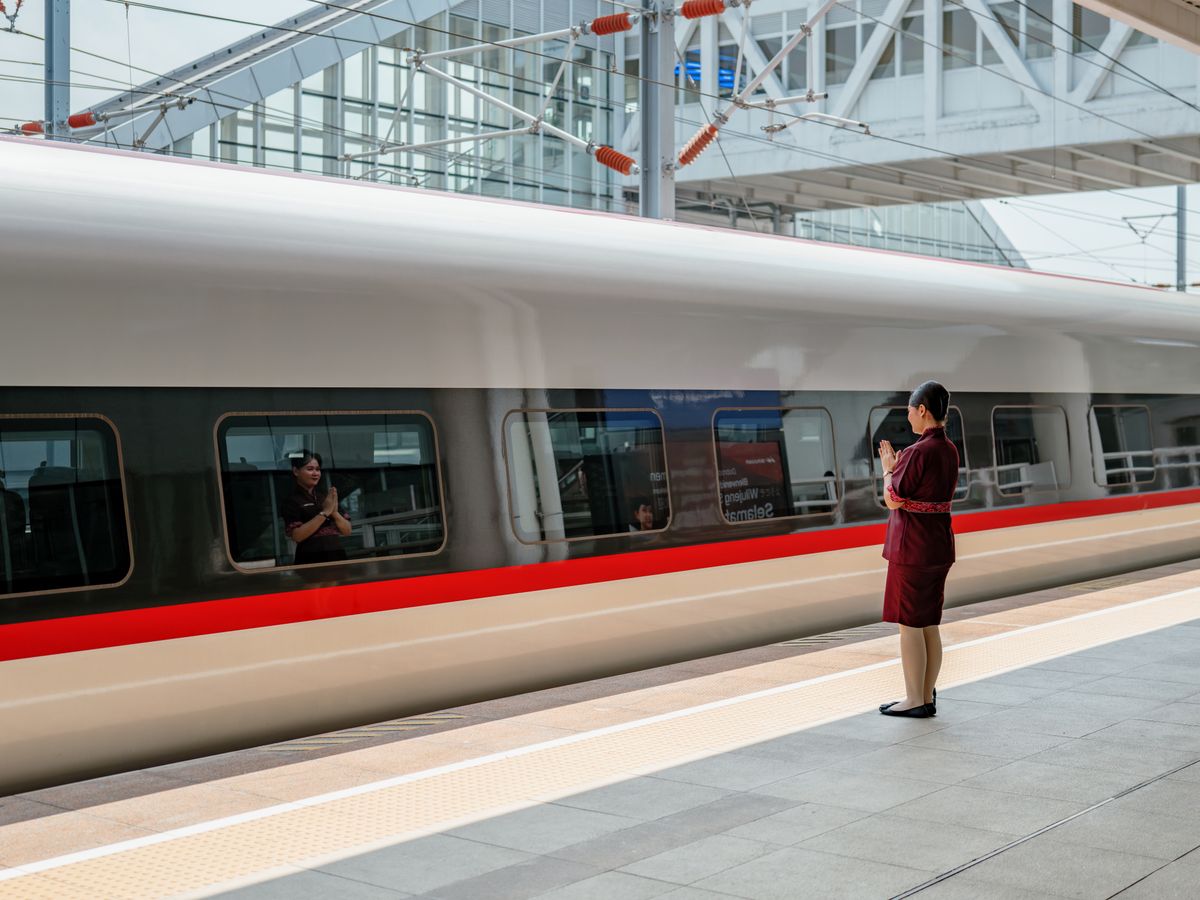
Bullet train at a Chinese high-speed rail platform
A simple 10-day outline
This is an itinerary shape, not an immigration guarantee. Adjust it to the temporary-entry decision and to the confirmed onward journey in your documents.
| Day | Where | Notes |
|---|---|---|
| 1 | Arrive in Shanghai | Complete the border-inspection process and settle in. |
| 2-3 | Shanghai | Keep these days flexible while you get oriented. |
| 4 | Optional day trip | Choose only if it fits comfortably around your onward departure. |
| 5-6 | Shanghai or a nearby overnight stop | Keep your travel documents accessible. |
| 7 | Flexible day | Use it for sightseeing or a return to Shanghai. |
| 8-9 | Shanghai | Leave room for changes to your plans. |
| 10 | Depart | Follow the confirmed onward itinerary used for your transit application. |

Lantern-lit rooftops inside Yu Garden's old town, Shanghai
Mistakes to avoid
- Treating temporary entry as automatic. Border inspection examines the application and decides whether to approve it.
- Using an itinerary that does not continue to a third country or region. The onward journey is a core condition of the policy.
- Arriving without confirmed onward arrangements. Have the confirmed departure date and travel details ready to present.
- Forgetting the arrival card. Complete the Arrival Card for Temporary Entry Foreigns as required.
- Planning an airport transfer without checking the entry process. A transfer between Pudong and Hongqiao requires an application for a temporary entry permit at border inspection on arrival.
Is this transit a good fit?
It can suit an eligible traveler whose itinerary has a confirmed onward leg to a third country or region and who has time to complete the entry process. It is less suitable if the onward journey is not confirmed, if the route returns directly to the place of origin, or if you cannot meet the policy’s document requirements.
FAQ
Can I enter at Pudong and depart from Hongqiao? An inter-airport transfer between Pudong and Hongqiao requires applying for a temporary entry permit at border inspection on arrival. Approval is subject to examination and approval by border inspection, so do not assume it is automatic.
Is Shanghai Port covered for 240-hour visa-free transit? Yes. Shanghai Port (Passenger) is one of the covered Shanghai entry ports. You still need to meet the document, onward-travel, and arrival-card requirements.
What documents should I prepare? Prepare your valid international travel document, evidence that you meet the entry requirements for the onward third country or region, confirmed onward interline arrangements with a departure date within 240 hours, and the completed Arrival Card for Temporary Entry Foreigns.
Who makes the final decision? Border inspection examines temporary-entry applications and makes the decision at arrival.
Can I plan sightseeing before I arrive? Yes, but keep it flexible. Your first priority is meeting the transit requirements and receiving the temporary-entry decision at border inspection.
Not sure if you even need a visa?
Check your China visa-free eligibility →
Sources
- 240-Hour Visa-Free Transit · Shanghai Municipal People's Government
- Which ports does the 240-hour visa-free transit policy cover? · Shanghai Municipal People's Government
- Can I have an inter-airport transfer during my layover in Shanghai? · Shanghai Municipal People's Government
- Is a Hong Kong-Shanghai-Tokyo itinerary eligible for visa-free transit? · Shanghai Municipal People's Government
- Announcement on Implementing 10 New Measures to Support the Expansion of Opening-up and Serve High-quality Development · National Immigration Administration of the People's Republic of China
- Exit and Entry Administration Law of the People's Republic of China · National Immigration Administration of the People's Republic of China