China Visa Cost 2026: Fees by Nationality (US $140, UK/Canada Free)
Quick answer: A single-entry China tourist visa costs a flat $140 for US citizens, no matter which entry type or validity you pick, through December 31, 2026. Most other nationalities applying through a US consulate pay $23 to $68 depending on entries, plus a $25 to $65 CVASC service fee if you use a visa center instead of the embassy. UK, Canadian, Australian, and most EU passport holders now skip the fee entirely, because their countries joined China's 30-day visa-free list, UK and Canada as of February 17, 2026.
$140. That's what China bills every US passport holder for a tourist visa this year, and it doesn't change whether you want a single trip or the 10-year multiple-entry version, the price is identical. A traveler from the UK or Canada applying for that same visa in 2026 might pay nothing at all, because their passport now qualifies for a month of visa-free entry.
The gap exists because China prices visas by reciprocity: whatever your government charges Chinese citizens for a visa, China charges your citizens back, dollar for dollar (or pound for pound). That also means "how much does a China visa cost" doesn't have one answer. It depends on your passport, which consulate you apply at, whether you go through an agent, and whether you need a visa at all this year.
How much does a China visa cost by nationality (2026)
| Nationality | Visa fee (single/double entry) | Multi-entry / 10-year | Do you need a visa in 2026? |
|---|---|---|---|
| United States | $140 flat | $140 flat (same price) | Yes, no exemption |
| United Kingdom | around £64 if you need one | £64 (reduced rate through 2026) | No, 30-day visa-free since Feb 17, 2026 |
| Canada | around CAD 75 if you need one | CAD 75 flat | No, 30-day visa-free since Feb 17, 2026 |
| Australia | roughly AUD 95 (single) / AUD 118 (double) | Varies, ask your consulate | No, already on the 30-day visa-free list |
| Most EU/Schengen | roughly €110 to €127 if you need one | Varies by country | No, most EU states are visa-free (France, Germany, Italy, Spain, Netherlands, and more) |
| Other nationalities (applying via a US consulate) | $23 single / $34 double | $45 (6-month) / $68 (12-month+) | Check the current 30-day exemption list first |
Figures above are the consulate/embassy fee only, billed in the currency your local consulate uses. They exclude the CVASC service fee covered next, and they exclude express processing. Confirm your exact rate with the consulate or CVASC center where you'll submit the application, since local-currency conversions shift slightly year to year.
Why US citizens pay so much more
Reciprocity is the whole story. China doesn't set a universal visa price, it mirrors what each country charges Chinese travelers applying for an equivalent visa. The US has historically charged Chinese applicants a comparatively high fee for US visas, so China charges US citizens the same amount back. Both governments have kept this arrangement in place for years, with China extending a temporary 25% reduction (from a standard $185 down to $140) through December 31, 2026.
Countries that charge Chinese citizens less, or that China has waived fees for entirely under the 2026 unilateral exemption, end up with cheaper or zero-cost access for their own citizens. That's why a Portuguese or Austrian traveler pays nothing at all for a short trip while an American pays $140 for the identical stay.
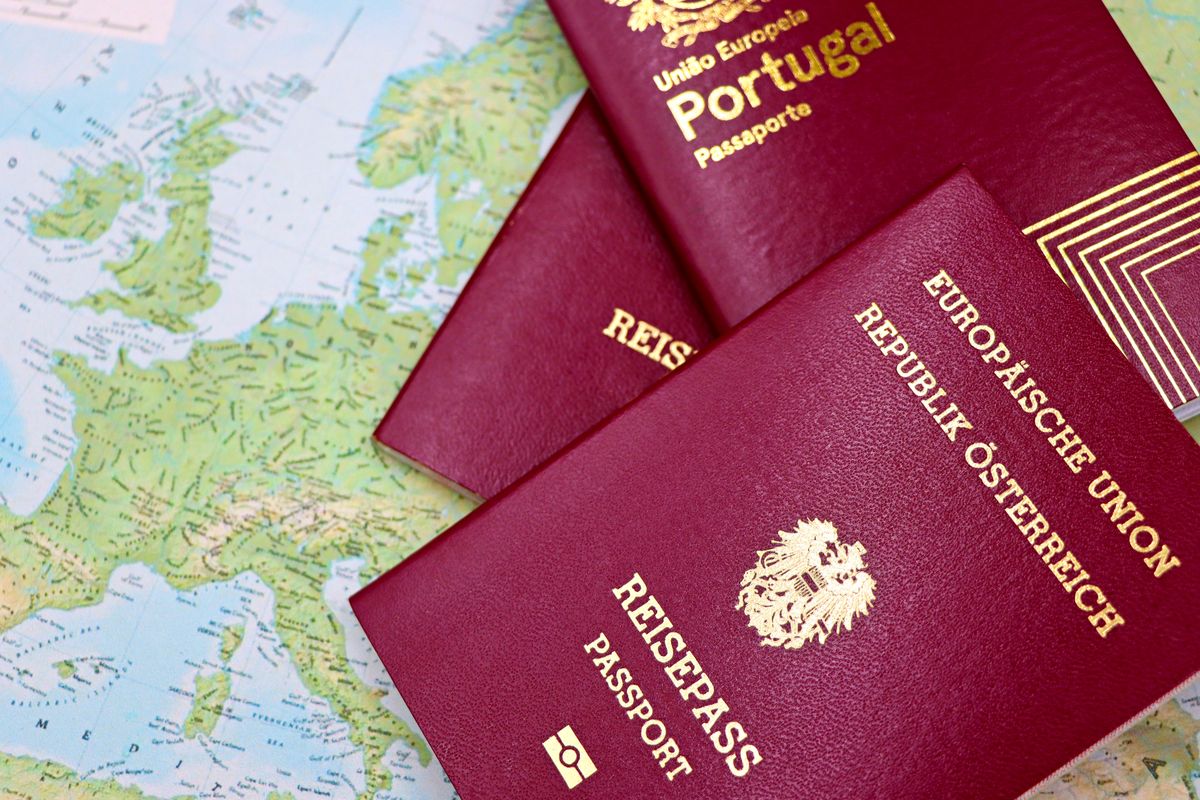
European Union passports from Austria and Portugal, representing nationalities that qualify for China's visa-free entry
CVASC service fees: the cost most guides skip
In many countries, you no longer submit a China visa application directly at the embassy. You go through the Chinese Visa Application Service Center (CVASC), a private intermediary that handles paperwork on the embassy's behalf. CVASC charges its own service fee on top of the government visa fee, typically $25 to $65 depending on location, and that charge is separate from anything listed on the embassy's official fee schedule.
Add express processing (2-3 business days instead of the standard 4) and you're paying another $25. Rush service (next business day, for genuine emergencies only) adds around $37. Stack CVASC's fee, express processing, and the base $140 US rate, and total cost for an American in a hurry can run $200 to $250, well above the headline $140 figure most search results quote.
Single entry vs multi-entry vs the 10-year visa
For flat-fee nationalities like the US, UK, and Canada, the visa itself costs the same no matter how long it's valid for or how many entries it allows. That means requesting a single-entry visa when you're eligible for the 10-year multiple-entry version is leaving value on the table for free, there's no cost difference, only a validity difference.
For nationalities billed on a tiered schedule (the $23/$34/$45/$68 table above), the price climbs with the entry count and validity period: a single entry costs less than a double entry, and a 12-month multiple-entry visa costs more than a 6-month one. If you're not sure you'll return to China within the visa's window, the cheaper single-entry option still makes sense, since fees are non-refundable if the visa goes unused.
Hidden costs nobody budgets for
The advertised visa fee is rarely the full cost of getting into China. A few extras catch first-time applicants off guard:
- Passport photo: $10 to $15 at a photo studio, or free if you take it yourself and meet the exact 33mm x 48mm, white-background spec (get the details in our visa photo requirements guide, since a rejected photo means a second trip to the consulate).
- Courier or mail-in fee: $15 to $30 if you're not applying in person and need to mail your passport to a CVASC center.
- Invitation letter: required for family-visit (Q) or some business (M) visas. Free if a host in China sends one directly, but $20 to $50 through an agency if you need help sourcing one.
- Travel insurance: not mandatory for a standard tourist (L) visa, but a basic policy runs $20 to $60 for a two-week trip and is worth having regardless.
- A missed workday: if the nearest CVASC center is hours away, factor in the cost of taking time off to apply and pick up your passport in person.
Do you actually need a visa at all in 2026
Before paying anything, check whether you need a visa this year. China's 30-day unilateral visa-free policy now covers around 50 countries, and it expanded twice in the past year, most recently adding the UK and Canada on February 17, 2026, alongside Australia and most of the EU. See the full, current breakdown in our China visa-free countries 2026 guide.
If your passport isn't on that list but you're only passing through China on the way to a third country, the 144-hour visa-free transit or newer 240-hour visa-free transit rules might let you skip a visa entirely for stopovers in eligible cities, no consulate visit, no fee, no CVASC appointment.
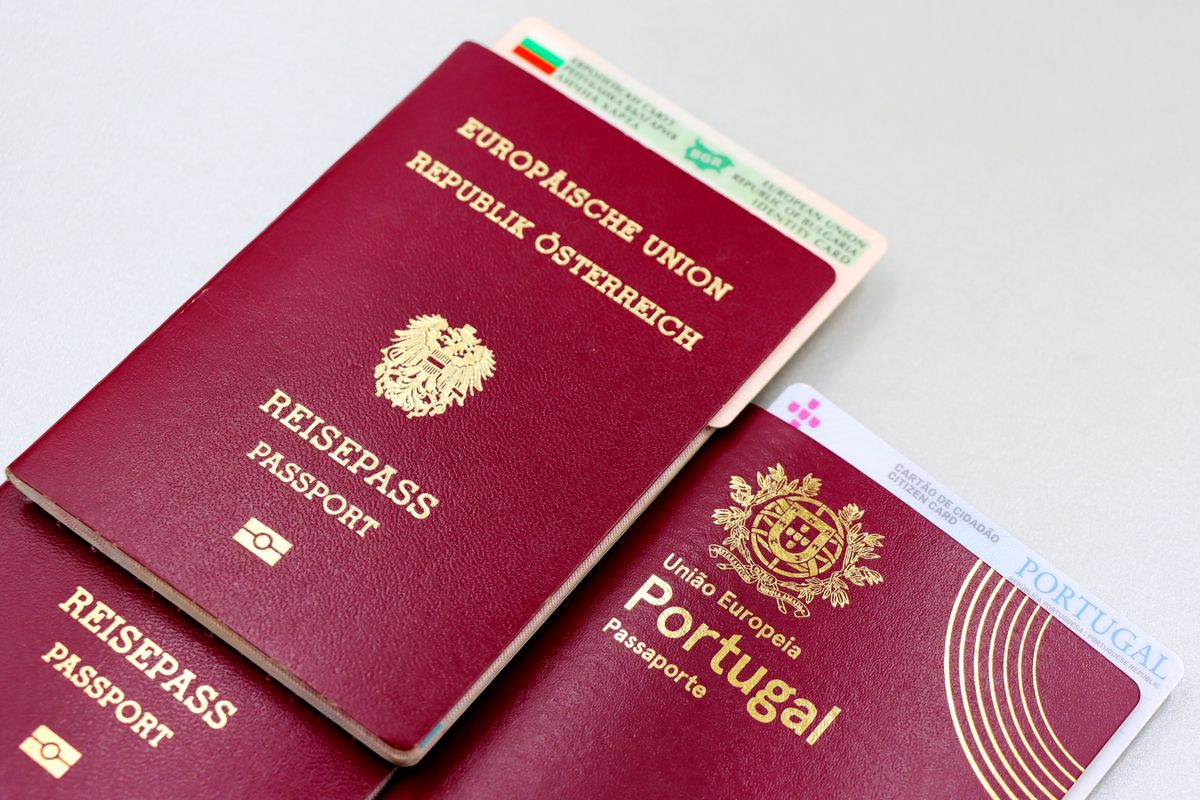
Passports laid across a European map, showing how visa-free access depends on nationality
Common mistakes
- Assuming the fee is the same everywhere. Consulates bill in local currency, and rates differ by country and by where you submit, not just by nationality.
- Forgetting the CVASC add-on. The number on the embassy's fee schedule is not the number you'll pay if a visa center processes your application.
- Paying for a single-entry visa when the 10-year option costs the same. If you're American, British, or Canadian, always ask for the maximum validity, since flat-fee pricing means there's no downside.
- Not checking the 2026 visa-free update before applying. Travelers from the UK and Canada in particular may be paying for a visa they no longer need.
- Booking non-refundable flights before the visa is approved. Visa fees aren't refunded if an application is rejected, and processing can take longer than expected around Chinese holidays.
Who this is for
This guide is for you if:
- You hold a passport that still requires a visa for China (the US, most of South Asia, much of Africa, and other nationalities not yet on the 2026 exemption list).
- You're planning a stay longer than 30 days, or a purpose (work, study, journalism) that visa-free entry doesn't cover.
- You want to budget accurately before booking flights, including the fees agencies and search results usually leave out.
It's not for you if you already hold a passport from the roughly 50 countries on China's 2026 unilateral visa-free list and you're staying under 30 days for tourism, business, family visits, or transit, check that list first, since you may be able to skip this entire process and its cost.
FAQ
How much does a China visa cost for US citizens in 2026? $140 flat, the same price for single entry, double entry, or the 10-year multiple-entry visa, through December 31, 2026. Add a CVASC service fee of $25 to $65 if you apply through a visa center rather than the embassy directly.
Do UK citizens need a visa for China in 2026? No, not for tourism, business, family visits, or transit stays of up to 30 days. The UK joined China's unilateral visa-free list on February 17, 2026. Longer stays or other visa categories still require an application and fee.
Is the 10-year China visa more expensive than a single-entry visa? Not for US, UK, or Canadian citizens, the embassy fee is flat regardless of validity or entry count. For nationalities on a tiered fee schedule, a longer multi-entry visa does cost more than a single entry.
How much are China visa service center (CVASC) fees? Typically $25 to $65 on top of the government visa fee, plus $25 for express processing or around $37 for rush service, depending on location.
Can I skip the visa fee with a visa-free transit instead? Yes, if you're only transiting to a third country. The 144-hour and 240-hour visa-free transit rules let eligible nationalities enter designated cities without any visa or fee, provided you meet the onward-ticket and time-limit conditions.
Not sure if you even need a visa?
Check your China visa-free eligibility →
Sources
- Fees, Processing Time & Payments - Consulate General of China in New York · Consulate General of the People's Republic of China in New York
- List of Countries Covered by Unilateral Visa Exemption · National Immigration Administration of China