China Visa for UK Citizens 2026: Visa-Free Rules, Fees & CVASC Guide
Quick answer: From 17 February 2026 to 31 December 2026, ordinary UK passport holders can enter mainland China visa-free for up to 30 days, for tourism, business, family visits, or transit. Outside that window or purpose, you need a visa from a Chinese Visa Application Service Centre (CVASC) in London, Manchester, Edinburgh, or Belfast, and a standard tourist visa currently costs around £130.
Do UK Citizens Need a Visa for China Right Now?
For most short trips, no. The Chinese Embassy in London confirmed that ordinary British passport holders can enter the mainland without a visa between 17 February 2026 and 31 December 2026, for stays of up to 30 days. The permitted purposes are tourism, business, visiting family or friends, cultural exchange, and transit.
This is part of a wider policy China has run since late 2023, adding countries one at a time. The UK was added alongside Canada in February 2026. If your trip fits inside the 30-day window and matches one of those purposes, you book flights and go: no application, no fee, no CVASC appointment. Bring a passport valid for at least six months with a blank page, and be ready to show proof of onward travel if a border officer asks.
The waiver has a published end date. Beijing has extended similar exemptions for other countries more than once before they were due to expire, so a further extension into 2027 is possible but not guaranteed. Anyone booking travel for January 2027 or later should check the embassy site or gov.uk again closer to the date rather than assume the same rule still applies.
Who Still Needs to Apply for a Visa
The visa-free entry does not cover everyone. You need to apply in advance if any of the following applies to your trip:
- Your stay will run longer than 30 days, even if the purpose would otherwise qualify.
- You're travelling for paid work, a long-term posting, journalism, or study of any length.
- You hold a British National (Overseas) passport, a refugee travel document, or another non-ordinary passport (the waiver applies specifically to ordinary UK passports).
- Your purpose isn't on the approved list, for example filming, a sports competition, or certain volunteer placements.
- You want a multi-year multiple-entry visa so you're not reapplying before every trip.
If any of those describe you, you'll be applying for an L (tourist), M (business), F (exchange), Q (family or friend visit), X (study), or Z (work) visa depending on purpose, through the CVASC process below.
Where to Apply: The UK's Chinese Visa Application Service Centres
You cannot apply at the Chinese Embassy in London directly. Since 2016, every UK visa application goes through the Chinese Visa Application Service Centre (CVASC), an outsourced operation separate from the Embassy, with centres in four cities:
- London: 12 Old Jewry, London EC2R 8DU. Applications accepted 09:00 to 15:00, collections 09:00 to 16:00, Monday to Friday.
- Manchester: First Floor, 75 Mosley Street, Manchester M2 3HR.
- Edinburgh: city-centre location, appointment only.
- Belfast: covers applicants based in Northern Ireland.

Filling out a visa application form at a desk
Which centre handles your application usually depends on where you live, though CVASC has adjusted regional coverage more than once, so confirm the current rule on visaforchina.cn before booking. You book through the COVA online system or the visaforchina.cn portal first; you cannot simply walk in without an appointment.
Most applicants aged 14 to 70 attend in person to submit documents and have a photo taken. If you're under 14 or over 70, someone else, a relative, an agent, or a visa service, can submit the application on your behalf, since personal attendance isn't required for those age groups.
What a China Visa Costs for UK Applicants in 2026
Fees combine a Chinese consular charge with a separate CVASC service fee, and both are adjusted from time to time, so treat the figures below as a planning estimate and confirm the exact current amount on visaforchina.cn before you pay.
| Service | Approx. cost | Processing time |
|---|---|---|
| Standard single or double-entry tourist (L) visa | around £130 (£64 consular + £66 service fee) | about 4 working days |
| Express service | around £161 | 3 working days |
| Urgent service | around £182 | 2 working days |
| 5-year multiple-entry visa | around £194 | 4 working days |
| 10-year multiple-entry visa | around £257 | 4 working days |

British pound notes and coins
You pay by card or cash in pounds when you submit the application, not when you collect your passport. If the visa is refused, the consular fee is generally not refunded, though the service fee is sometimes returned, ask the centre directly when you apply.
The Fingerprint Exemption: Still Running in 2026
China began collecting fingerprints from most visa applicants in 2021. Since 2023, it has repeatedly waived that requirement for short-term applicants at busy posts, extending the exemption each time it was due to lapse. The Chinese Embassy in the UK confirmed the current waiver runs from 17 December 2025 to 31 December 2026, covering L (tourist), M and F (business and exchange), Q2/S2 (family and friend visits), and X2 (short-term study) applicants staying up to 180 days.
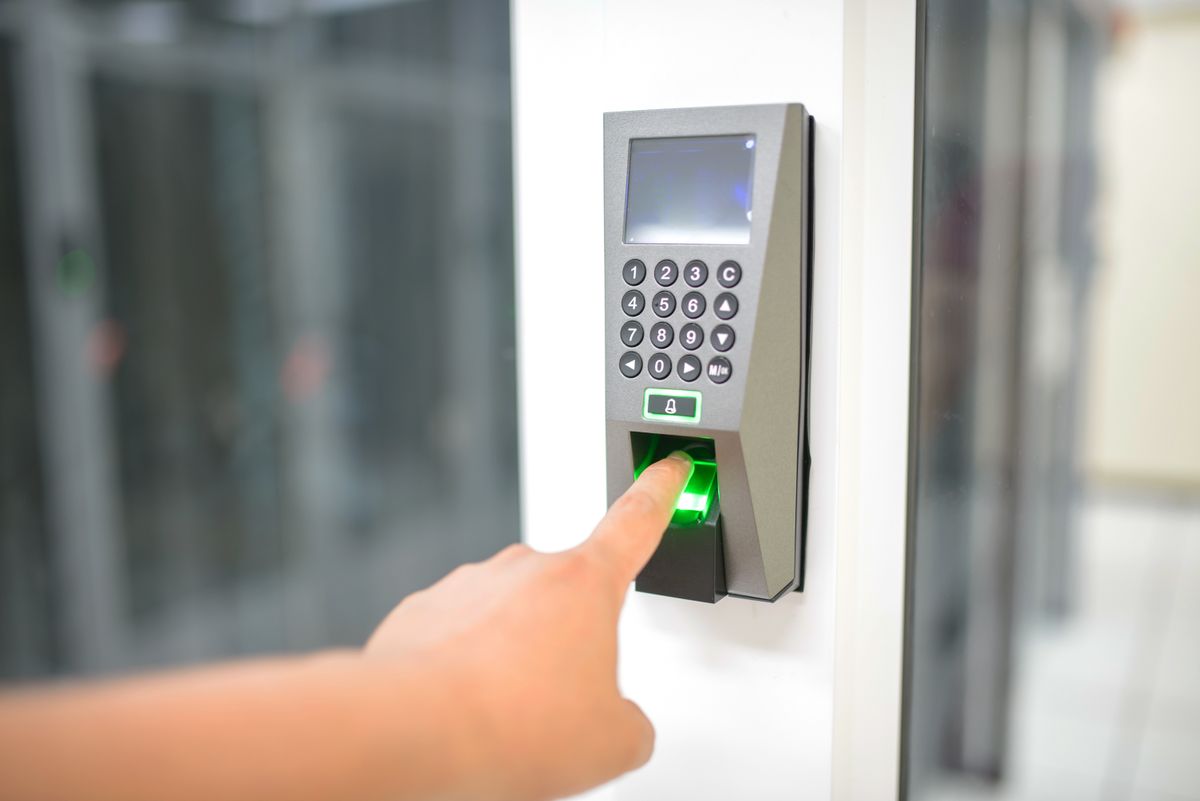
Fingerprint scanner at a secure entry point
In practice, that means if you're applying for a standard short-stay visa within this window, you likely won't be fingerprinted at the CVASC. You'll still hand over a passport photo and your paperwork in person, unless you qualify for third-party submission by age. Long-term visa categories, D, J1, Q1, S1, X1, and Z, still require fingerprints, because those applicants register for a residence permit after they arrive. Children under 14, adults over 70, and diplomatic passport holders were already exempt before this extension and remain so.
Don't assume this carries automatically into 2027. Exemptions in this programme have historically been renewed in short increments, sometimes days before the previous deadline, rather than made permanent.
Common Mistakes UK Applicants Make
- Applying for a visa when the trip already qualified for visa-free entry. Since the 2026 waiver took effect, some UK travellers have paid CVASC fees unnecessarily. Check the dates and approved purposes before booking an appointment.
- Assuming visa-free entry covers any length of stay. It caps at 30 days. Book a 35-day itinerary under the waiver and you're overstaying, which risks fines and complications leaving the country.
- Turning up at the Embassy instead of the CVASC. The Embassy in London doesn't process public visa applications; you'll be turned away and lose the day.
- Submitting a passport with under six months' validity or no blank pages. Both are automatic grounds for rejection.
- Skipping proof of itinerary. A confirmed return or onward flight and at least the first few nights of accommodation are standard supporting documents; a one-way ticket with no lodging booked invites extra scrutiny.
- Booking the CVASC appointment too late. Slots at the London centre fill up during UK school holidays and around Chinese Golden Week; book two to three weeks ahead if you can.
Before You Book: Quick Checklist
- Confirm the exact visa-free dates and purposes on the embassy website; this kind of policy has shifted before.
- If you need a visa, book your CVASC appointment as early as your travel plans allow.
- Bring a passport valid 6+ months with a blank page, a recent photo, and proof of your itinerary.
- Check the current fee on visaforchina.cn, since consular and service charges are adjusted periodically.
- Keep your entry stamp or visa page handy; hotels register your stay automatically, but private accommodation requires police registration within 24 hours of arrival.
FAQ
Do UK citizens need a visa for China in 2026? Not for most short trips. Ordinary British passport holders can enter visa-free for up to 30 days for tourism, business, family visits, or transit, from 17 February 2026 through 31 December 2026. Longer stays, work, study, or journalism still require a visa.
How long does a China visa take to process for UK applicants? Standard service through the CVASC takes about 4 working days from the date you submit documents in person. Express (3 days) and urgent (2 days) services are available for an extra fee.
Do UK passport holders still need to give fingerprints for a China visa? Not currently. The Chinese Embassy in the UK has waived fingerprint collection for most short-term visa applicants (tourist, business, family visit, short study) through 31 December 2026. Long-term visa categories and residence permit applicants still require fingerprints.
Can I apply for a Chinese visa at the Embassy in London? No. All UK applications go through the Chinese Visa Application Service Centre, a facility separate from the Embassy, with locations in London, Manchester, Edinburgh, and Belfast.
What happens if I stay in China longer than 30 days on the visa-free scheme? You'd be overstaying your permitted entry, which can mean fines and complications leaving the country. If you already know your trip runs past 30 days, apply for a standard tourist visa instead of relying on the waiver.
Not sure if you even need a visa?
Check your China visa-free eligibility →
Sources
- Notice on China's Visa Waiver Policy for the UK and Canada · Embassy of the People's Republic of China in the UK
- China travel advice: entry requirements · GOV.UK (UK Government)