Yangshuo
Big Banyan Tree, Yangshuo
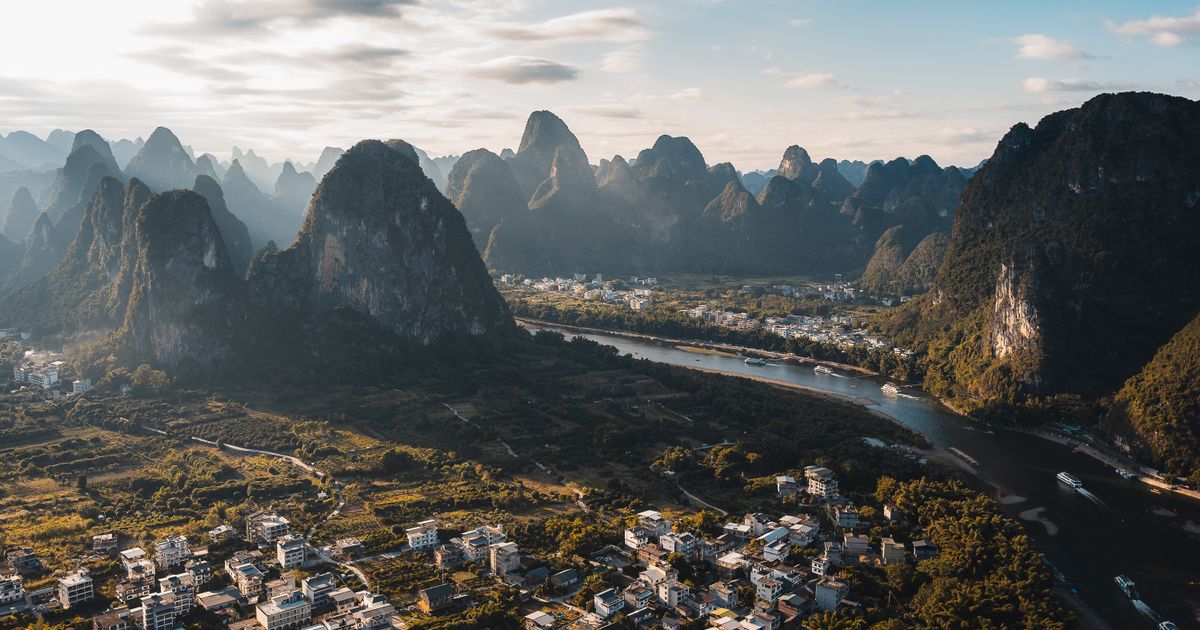
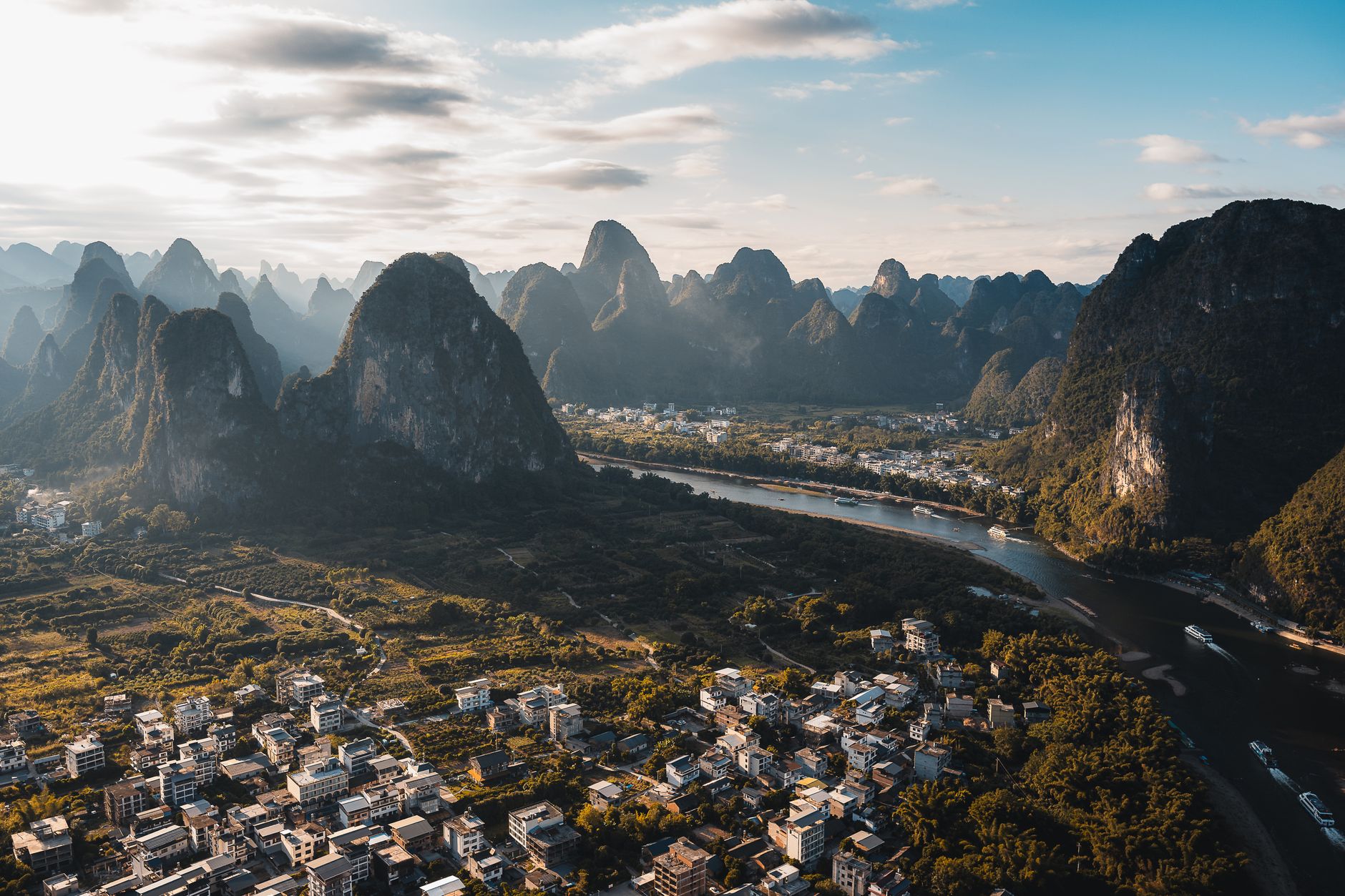
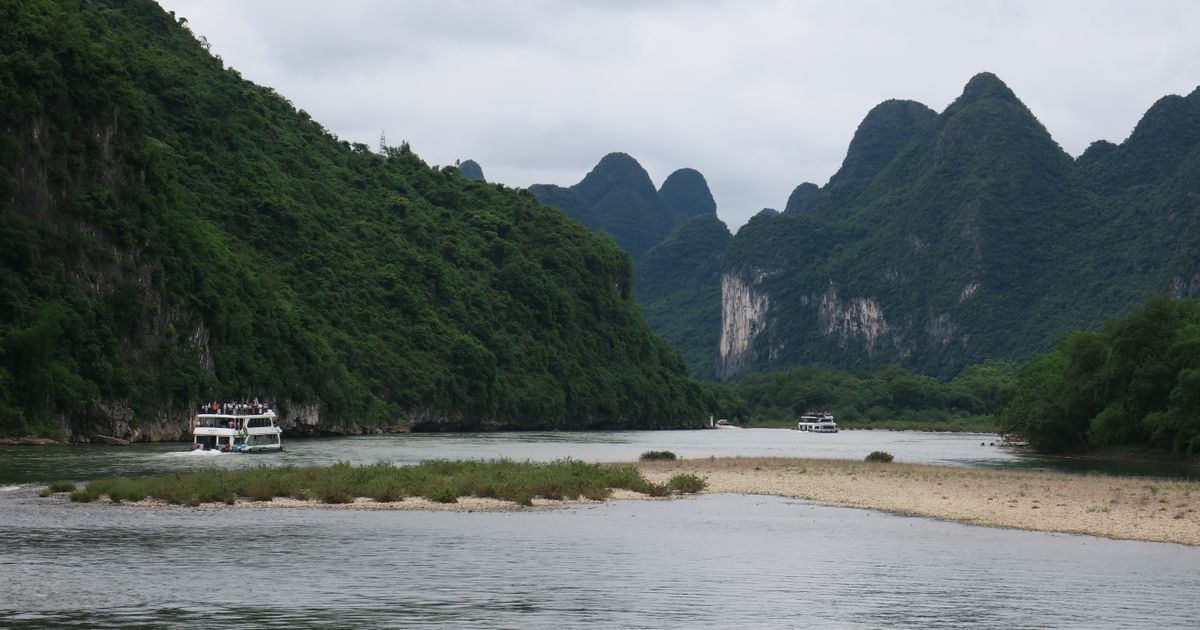
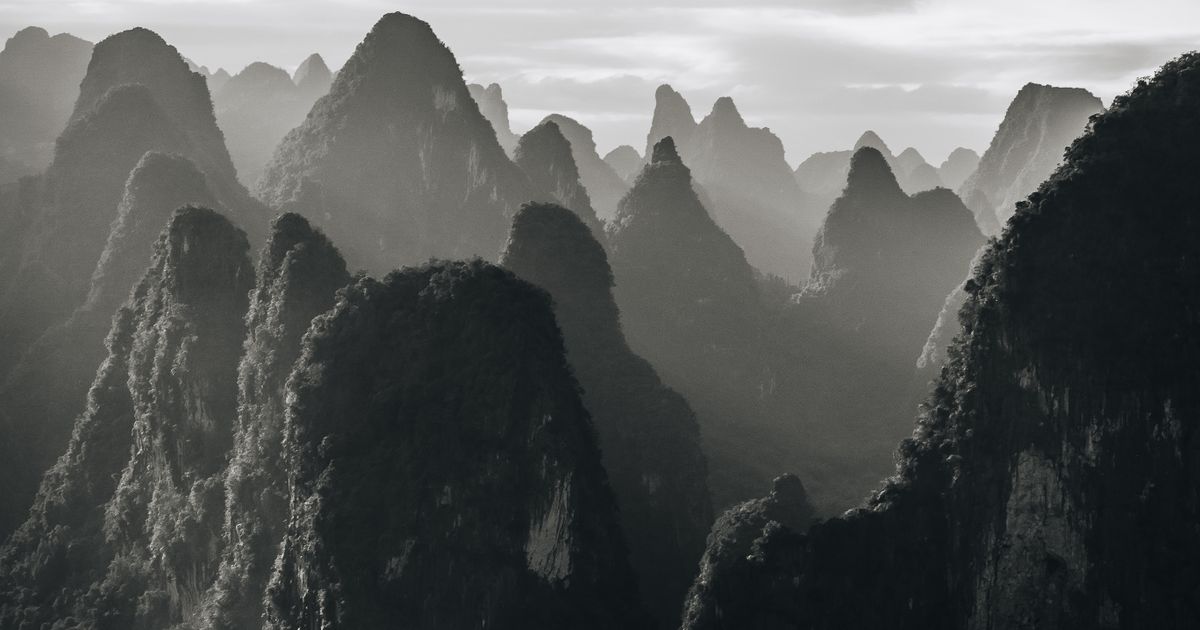
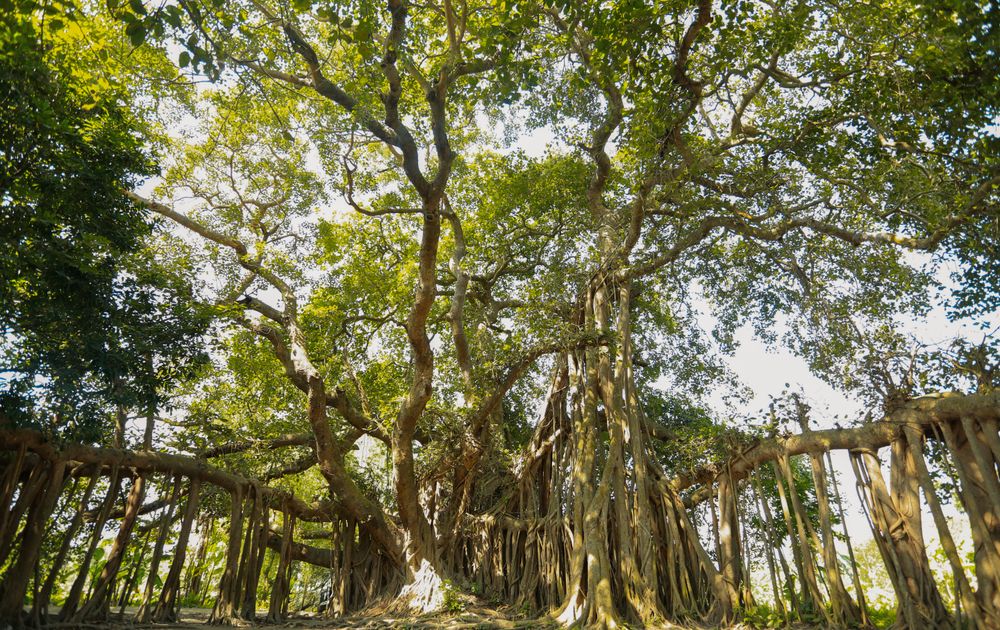
On the bank of the Jinbao River, a short ride south of Yangshuo town, stands a banyan tree that locals say is about 1,400 years old. Its crown spreads wide enough to shade a small crowd, and its hanging aerial roots have grown down into a tangle of trunks. The setting, with karst peaks rising behind the water, is why the spot has drawn Chinese visitors for generations.
A tree with deep roots
A single banyan can keep growing outward for centuries as its aerial roots reach the ground and thicken into new supports, and that is what gives this one its sprawling shape. Around the base is a small scenic park with riverside paths, photo platforms and the usual snack and souvenir stalls. It does not take long to walk, so most people fold it into a half-day in the countryside rather than making a special trip.
The wide canopy and hanging roots of the Big Banyan Tree
The Liu Sanjie connection
For Chinese visitors the tree is famous from the 1961 film Liu Sanjie, about a quick-witted Zhuang folk singer. In one well-known scene she stands under this banyan and throws an embroidered ball to the man she loves, an old courtship custom. The film turned the tree into a romantic landmark, and you will often see couples posing here. Knowing the story adds a layer to what is otherwise just an enormous old tree.
There is a broader reason the tree gets so much affection. In southern China a banyan is more than shade: villages traditionally planted one at the entrance as a gathering point and a marker of the community, and old specimens are treated almost as elders. Part natural wonder, part living monument, this one has been a meeting place far longer than it has been a ticket gate.
One stop on the Ten-Mile Gallery
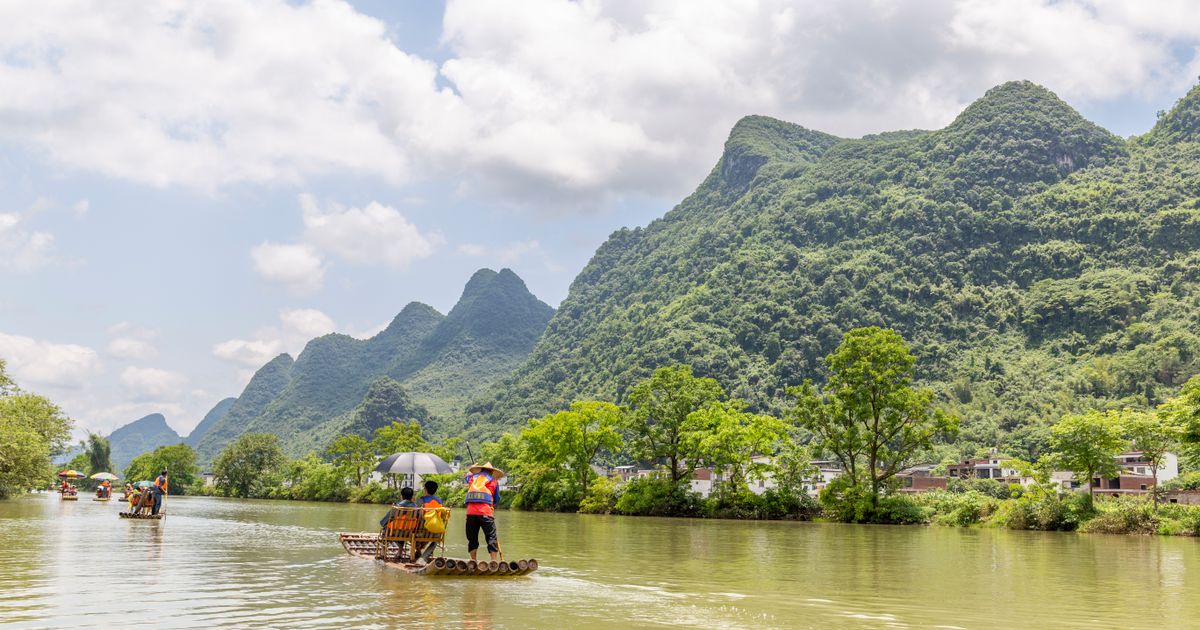
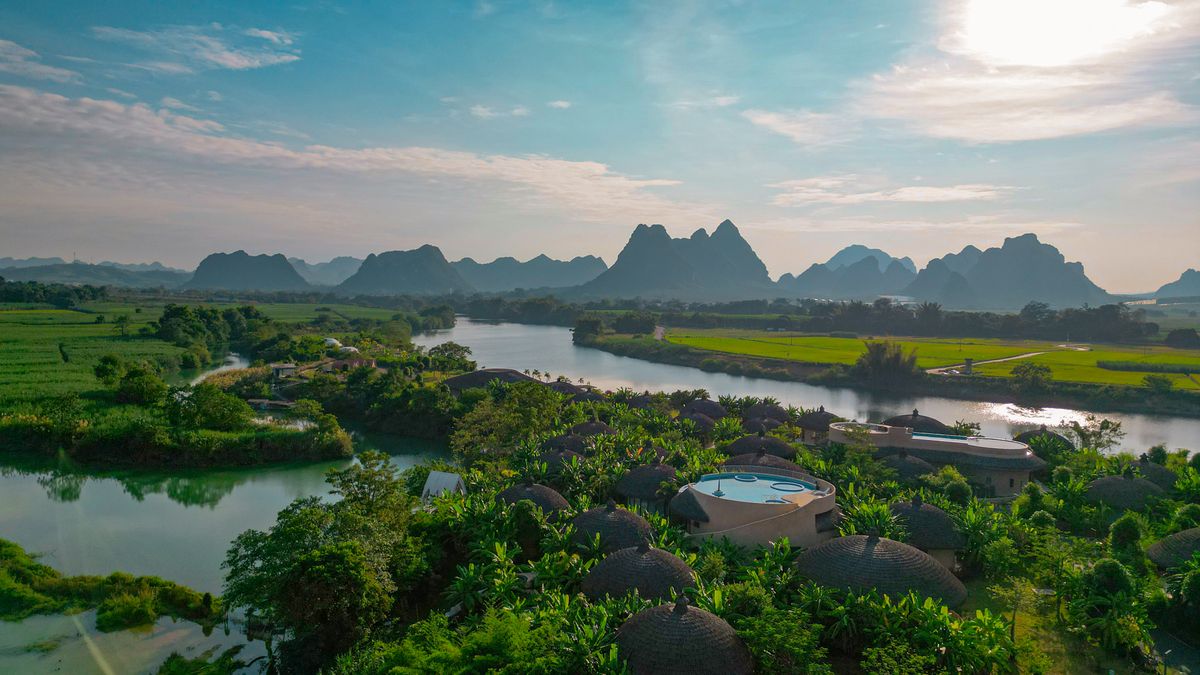
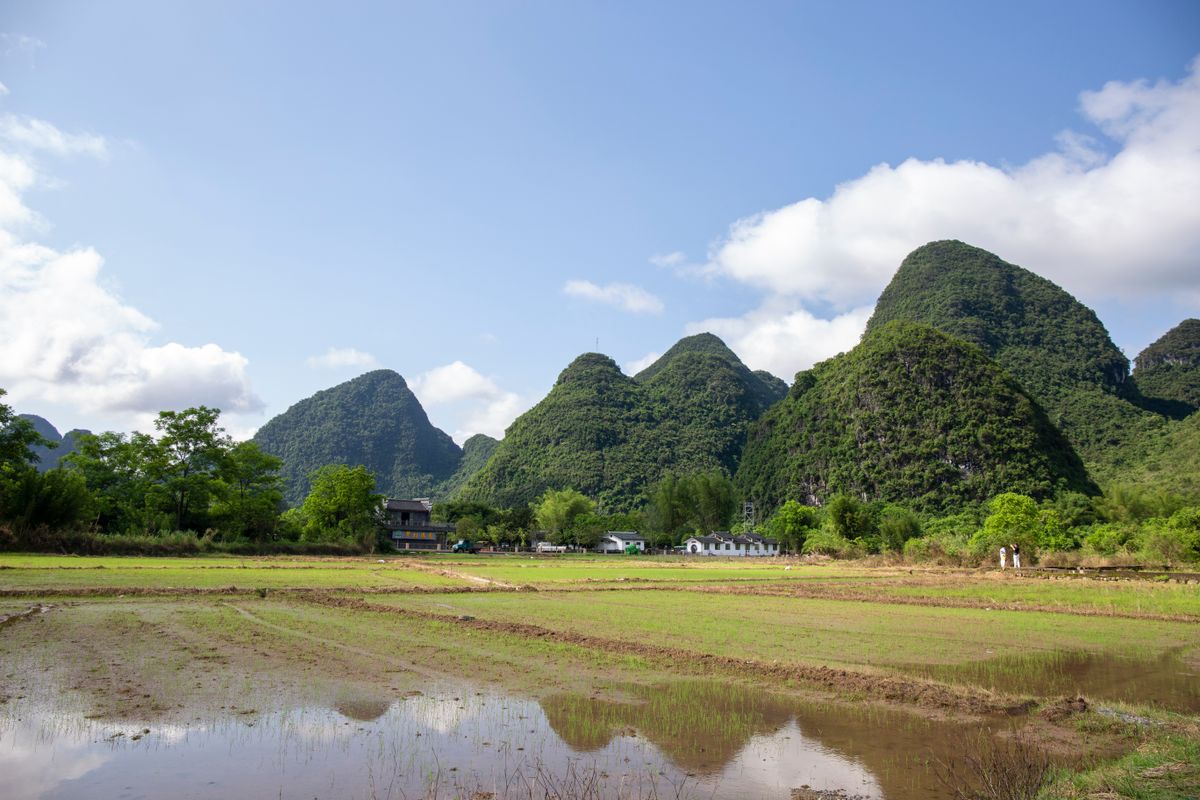
The road from Yangshuo south past the tree to Moon Hill is signposted as the Ten-Mile Gallery (Shili Hualang), a flat stretch of paddies, villages and karst cones with a lane that suits bikes and electric scooters. The Big Banyan works best as one stop along it: the Jinbao and Yulong rivers nearby offer short bamboo-raft rides (in busy seasons, slots sell out, so booking ahead on Klook is worth it), Moon Hill and its natural arch are a few minutes further on, and Assembling Dragon Cave is close by if you want to add a cave.

Rice fields and karst peaks in the Yangshuo countryside
Tickets, hours and getting here
The scenic area charges a small entry fee, cheap by Chinese attraction standards; check the current rate at the gate. Hours run from early morning to late afternoon or dusk, shifting a little with the season. The tree sits about 7 kilometres from Yangshuo on the Gaotian road: take a local bus toward Gaotian, a taxi or Didi in about 15 minutes, or your bicycle if you are already riding the countryside loop. Lock the bike at the gate rather than riding in.
When to come
Late afternoon is when the corner earns its reputation: bamboo rafts drift back toward the landing, the light turns gold, and the canopy and karst peaks reflect in the slow green water. Budget thirty to forty minutes so you still have daylight for Moon Hill further along the lane, and bring a hat, because the open riverbank has little shade once you step out from under the tree itself.
Highlights
- A banyan tree said to be about 1,400 years old
- Hanging aerial roots that have grown into a tangle of trunks
- The embroidered-ball scene from the 1961 Liu Sanjie film
- Riverside setting with karst peaks behind the water
- One stop on the Ten-Mile Gallery countryside road to Moon Hill
Travel Tips
Pair it with the countryside
The visit is short. Combine it with Moon Hill, a Yulong River raft and a bike ride to make a relaxed half-day.
Go for the light
Late afternoon sun lands well on the canopy and the river behind it, which is also when the embroidered-ball photo spot looks best.
Skip the paid extras
Vendors push costume photos and short raft add-ons at the gate. They are fine but optional; the tree and riverside walk are the main draw.