China Train Seat Classes Explained: Business, First, Second & Sleepers (2026)
Quick answer: On daytime high-speed trains, Second Class is the standard option with a 3+2 layout; First Class uses a roomier 2+2 layout; and Business Class offers the highest comfort and price on the trains where it is available. Overnight services may offer hard sleeper, soft sleeper, deluxe soft sleeper, or other sleeper configurations, but availability varies by service.
China train booking screens often show the same departure with more than one seat or sleeper category. This guide explains the main classes, what the seat letters mean, and how to choose based on comfort, privacy and budget.
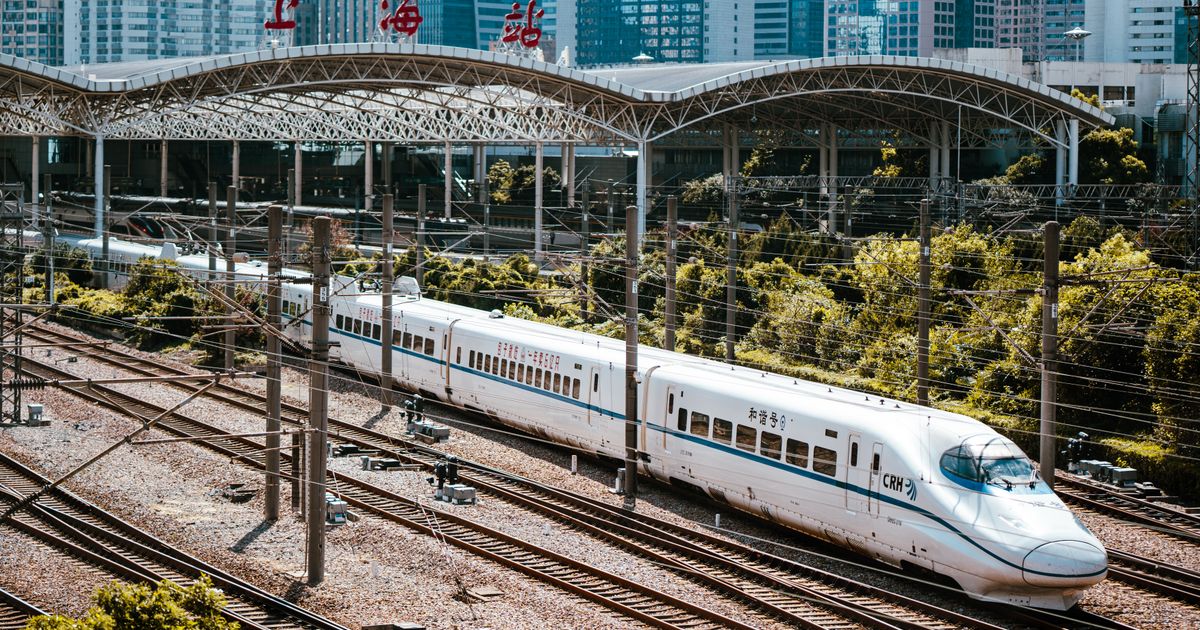
Modern China high-speed train (CRH) at Shanghai Railway Station
High-Speed Rail Seat Classes
The main seated classes on Chinese high-speed trains are Second Class, First Class and Business Class. Additional premium or superior variants may appear on some trainsets.
- Second Class (er deng zuo): The standard class for most travelers. Seating is typically arranged 3+2 across the carriage, with five seats per row. A and F are generally window seats, C and D are aisle seats, and B is the middle seat.
- First Class (yi deng zuo): Seating is typically arranged 2+2, with fewer seats per row than Second Class. It provides more space than the standard class and removes the middle seat from the usual layout.
- Business Class (shang wu zuo): The premium seated class, usually arranged 2+1 or 1+1. It is positioned above First Class in comfort and price, but is available only on some G- and D-series trains.
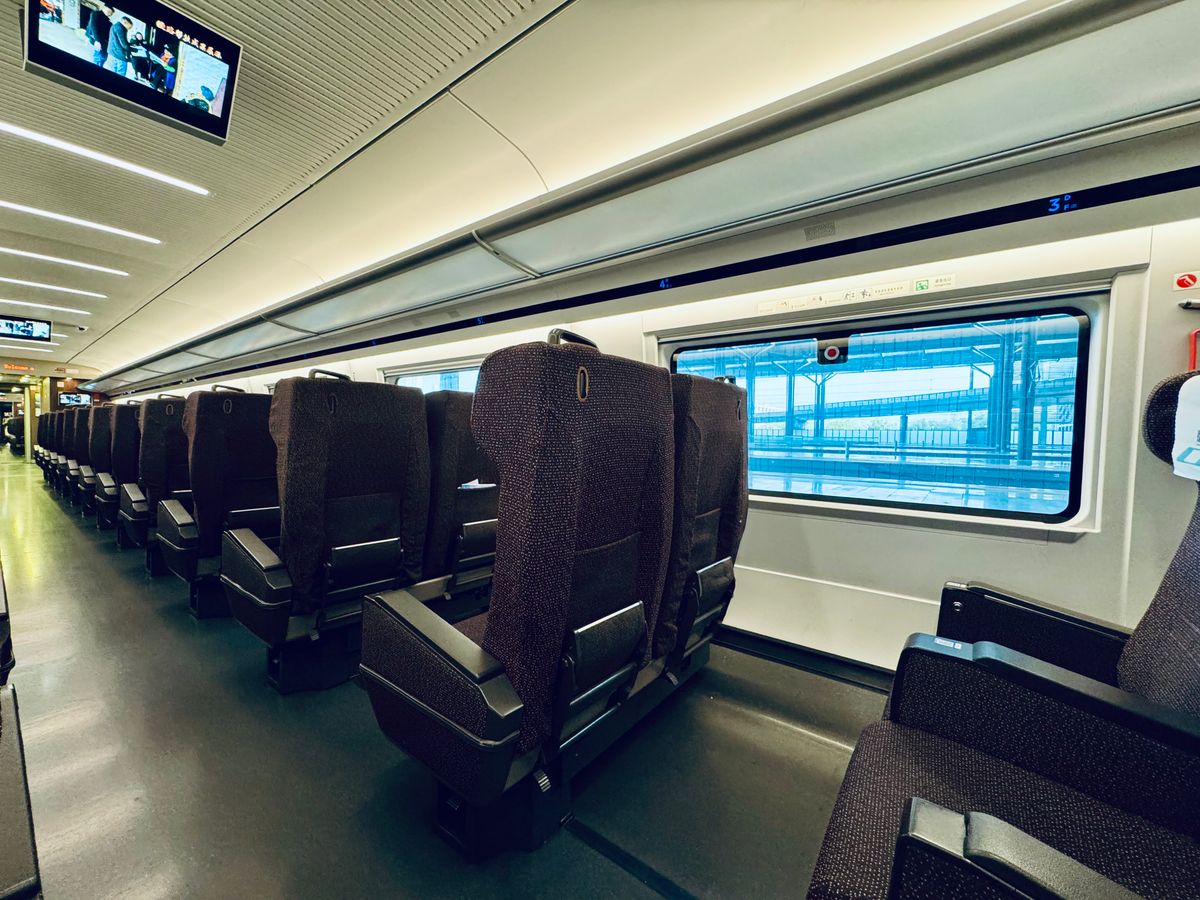
Spacious second-class high-speed train interior with rows of reclining seats
Which Seat Class Fits Your Trip?
| Class | Relative position | Best for |
|---|---|---|
| Second Class | Standard option | Travelers who want the usual balance of price and comfort |
| First Class | Roomier than Second Class | Longer daytime journeys or travelers who prefer more space |
| Business Class | Premium option | Travelers seeking the highest available comfort on a qualifying train |
Fares and onboard details vary by route and trainset. Check the live booking result for the exact departure rather than assuming that every train offers the same facilities.
Overnight Sleeper Types
Traditional overnight trains may offer several categories, including hard seat, soft seat, hard sleeper, soft sleeper and deluxe soft sleeper.
- Hard Sleeper (ying wo): An open sleeper arrangement with six berths in many conventional carriages. It is generally the lower-cost sleeper category, but it offers less privacy than a compartment with a door.
- Soft Sleeper (ruan wo): A more private sleeper category, commonly arranged in a four-berth compartment with a door. It is usually more comfortable and private than Hard Sleeper.
- Deluxe Soft Sleeper (gao ji ruan wo): A higher-end sleeper category that may use a two-berth compartment and additional furnishings. It is available only on selected services.
- Soft Seat or Hard Seat: Seated tickets may appear on overnight services, but they do not provide a berth for sleeping.
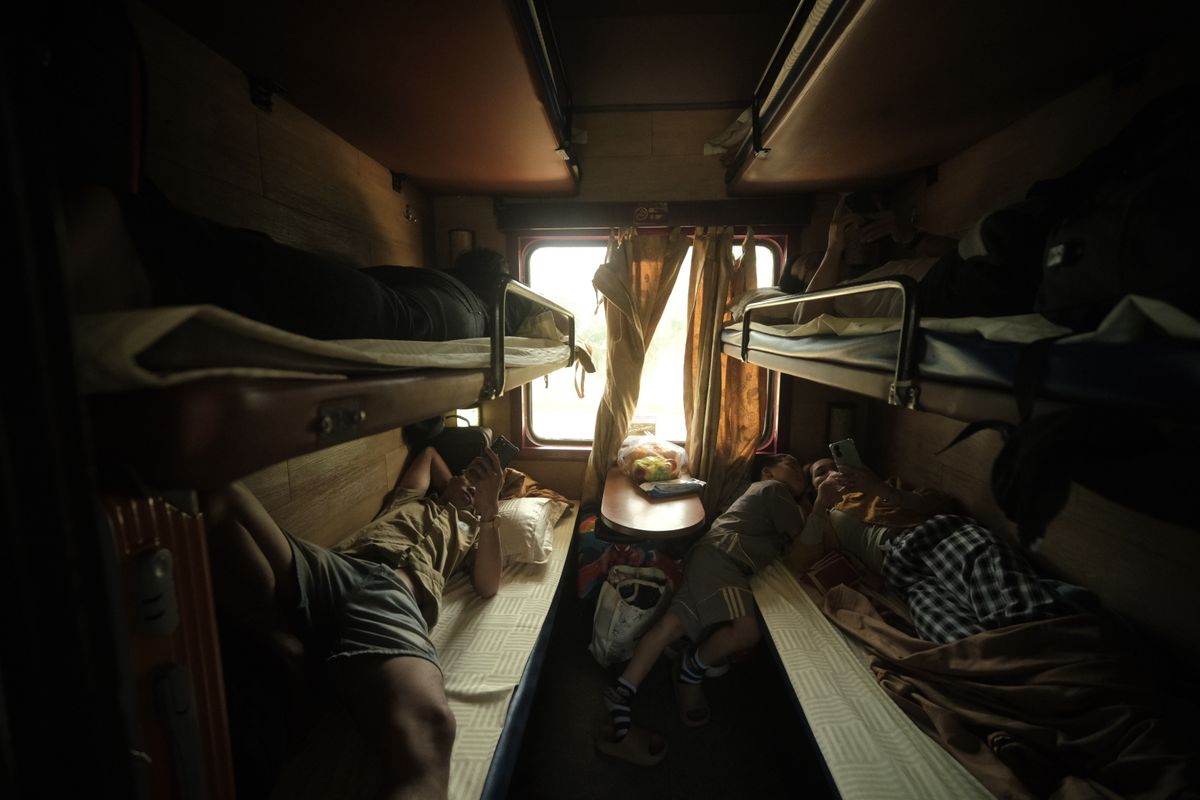
Sleeper-train berth compartment with stacked bunks, as found on overnight Chinese trains
High-Speed Overnight Sleepers
High-speed overnight services may offer sleeper categories such as Soft Sleeper, Deluxe Soft Sleeper, First-Class Sleeper, Second-Class Sleeper or newer sleeper configurations. These options are not available on every service. Check the live timetable and booking screen for the exact train before planning around an overnight sleeper.
Choosing a Berth and Booking
Sleeper berth selection and assignment depend on the booking channel and passenger verification status. The 12306 platform has applied online berth-selection restrictions for some users, while offline purchasers may be able to choose berth types at the counter. Availability can change quickly, so review the berth category shown during booking and confirm the passenger details before payment.
Which Class Should You Choose?
- For a normal daytime journey: Second Class is the standard choice.
- For more room during the day: First Class offers a 2+2 layout with fewer seats per row.
- For premium comfort: Choose Business Class when it is offered and the fare suits your budget.
- For an overnight journey: Choose a sleeper category if you want a berth. Soft Sleeper usually gives more privacy than Hard Sleeper, while deluxe and newer sleeper options depend on the service.
- For the lowest fare: Compare the available seated and sleeper categories, then check the exact train’s facilities before booking.
Book your seat class on Trip.com
English booking with a seat-class picker for G/D trains and sleepers
Book on 12306 (official)
Same inventory, no service fee, requires identity verification
Some links are affiliate links; we may earn a commission at no extra cost to you.
Booking your seat is only half the story; see our pillar guide on how to book China trains for step-by-step instructions, the companion explainer on China high-speed train types (G, D, C, Z, T, K), and our 12306 ticket guide for foreigners for using the official app with a passport.
FAQ
What is the difference between First Class and Second Class on China high-speed trains? First Class is typically arranged 2+2, while Second Class is typically arranged 3+2. First Class therefore has fewer seats per row and more space in the usual layout.
Why don't Chinese train seats have a letter E? China Railway seat labels generally omit E. A and F are window seats, C and D are aisle seats, and Second Class also includes B as a middle seat.
Is Business Class on China bullet trains worth it? Business Class is positioned above First Class in comfort and price. It is available only on some G- and D-series trains, so compare the fare and the exact train’s facilities before deciding.
Do Chinese sleeper trains still run in 2026? Yes. Traditional overnight trains may offer hard and soft sleeper categories, while high-speed overnight services may offer several sleeper configurations. Availability varies by service and should be checked in the live timetable.
Can I choose my sleeper berth? Berth selection depends on the booking channel and passenger verification status. Online restrictions may apply on 12306, while offline purchasers may be able to choose berth types at the counter.
Common Seat-Class Mistakes
- Assuming every G- or D-series train offers Business Class or overnight sleepers.
- Choosing a seated ticket for an overnight journey when you need a berth.
- Treating the class name as a guarantee of identical facilities across every trainset.
- Booking before checking the exact sleeper category, seat layout and available facilities for your departure.
Who This Guide Is For
- Travelers comparing seat and sleeper categories on Chinese daytime and overnight trains.
- Travelers deciding whether the extra space or privacy of a higher class suits their route and budget.
- You can focus on the booking screen if you are taking a short daytime journey and only need the standard seated option.
Sources
- China Railway 12306 — Official Online Train Ticket Booking · China Railway (12306)