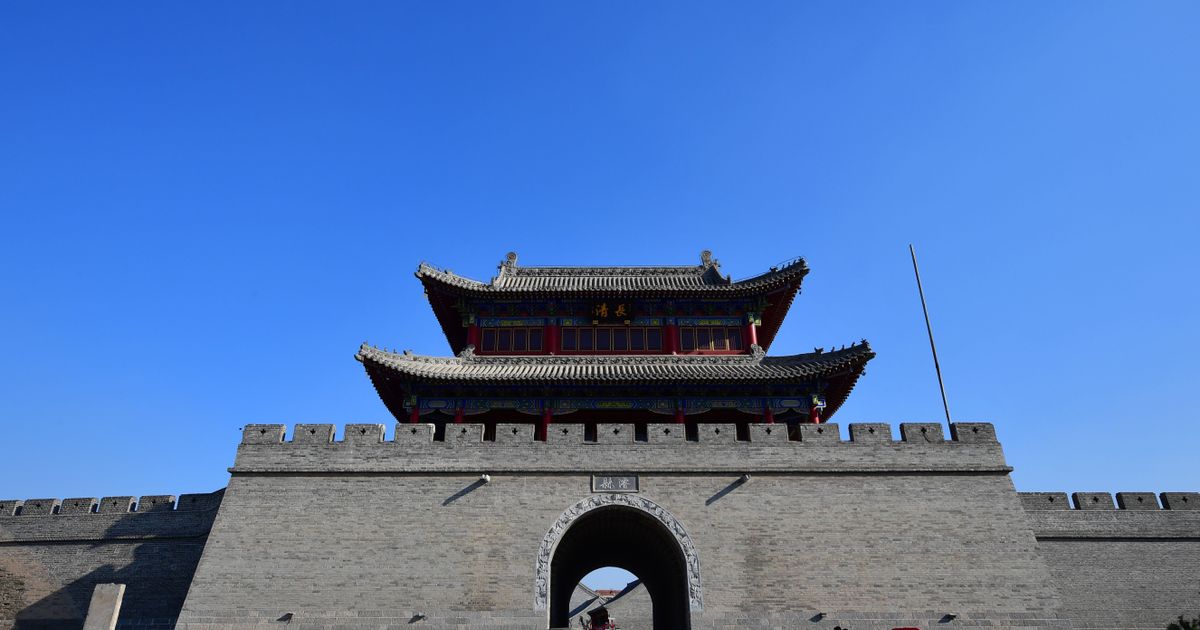
China High-Speed Trains Explained: G, D, C Trains, Speeds & Top Routes (2026)
Quick answer: On a Chinese train ticket, the leading letter identifies the service category. G prefixes are used for high-speed EMU services, while D prefixes identify EMU services and C prefixes identify intercity EMU services. D and C do not inherently guarantee a particular operating speed. China’s fastest regularly operating bullet trains reach 350 km/h on selected routes, while many services run more slowly depending on the line. Z, T and K are conventional services, often including sleeper berths.
China’s high-speed railway network is enormous and continues to expand. For visitors, that scale means many long-distance journeys can be made by rail, often arriving at a city railway station rather than an airport. What trips up first-timers is not the speed but the letters: G, D, C, Z, T and K appear before the train number, and reading them correctly helps you compare services before booking.
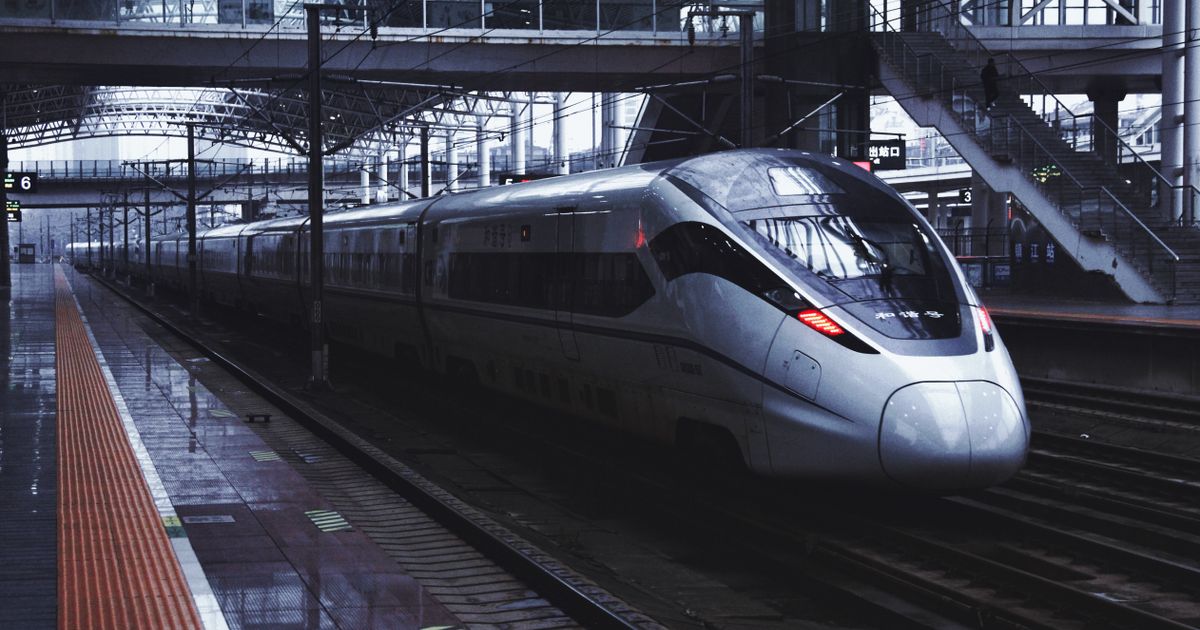
A sleek Chinese high-speed train at a modern railway station
What the train letter codes mean
Every Chinese train number starts with a letter, or is all-digits for some slower services. The prefix identifies the broad service category, but you should still check the exact train number, stations, date and timetable before booking.
| Code | Transliteration | General service type | What to expect |
|---|---|---|---|
| G | Gaosu | High-speed EMU service | Often used for the fastest services on major high-speed corridors |
| D | Dongche | EMU service | Operating speed and stops vary by train and line |
| C | Chengji | Intercity EMU service | Shorter regional services between neighbouring cities; speed and stops vary by line |
| Z | Zhida | Conventional direct express | Conventional long-distance service, often with sleepers |
| T | Tekuai | Conventional express | Conventional service with fewer stops than many ordinary trains |
| K | Kuaisu | Conventional fast service | Slower conventional service with more stops and sleeper options |
G, D and C are electric multiple-unit service categories you are most likely to compare on major tourist routes. G identifies high-speed EMU service, while D identifies EMU service and C identifies intercity EMU service. Actual speed, stops and fares depend on the individual service. Z, T and K are conventional trains.
G, D and C trains in detail
G trains are commonly associated with China’s fastest high-speed services. Selected services on major corridors can reach 350 km/h, but actual speed depends on the railway line and the train’s timetable.
D trains are electric multiple-unit services that may run on high-speed routes and make more intermediate stops. They can be a practical alternative to a G service, but compare the exact journey time, stations and fare before choosing.
C trains are intercity services linking nearby cities. They may operate frequently, but their speed and stopping pattern vary considerably by corridor because not every service uses the same type of track.
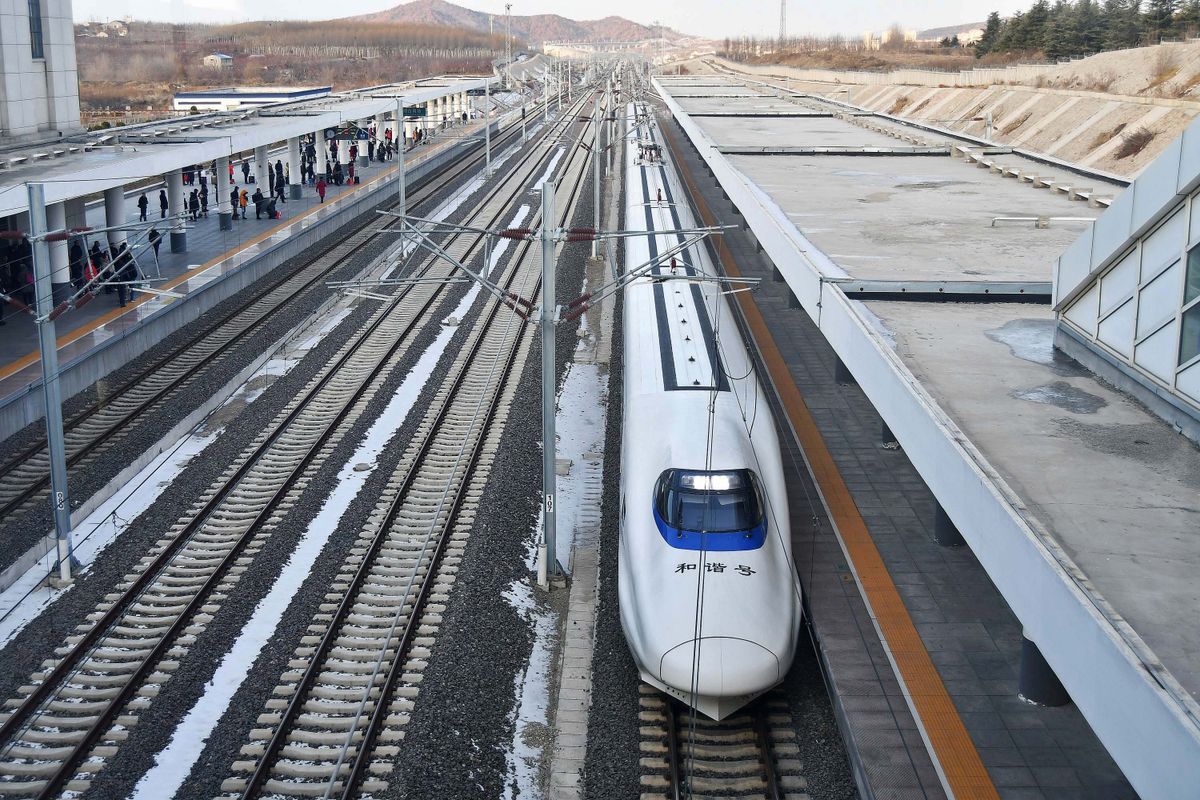
A Chinese high-speed train waiting at a station platform
Major routes and journey planning
The Beijing–Shanghai high-speed railway is a major high-speed corridor, and 350 km/h services operate on the route. The Beijing–Guangzhou high-speed railway is another major north–south corridor, although actual service speed varies. Journey times depend on the selected train, intermediate stops, operating conditions and the stations used.
| Route | What to check before booking | Typical service category |
|---|---|---|
| Beijing–Shanghai | Exact train number, stations and stops | G or D |
| Beijing–Guangzhou | Service schedule and actual journey time | G or D |
| Shanghai–Hangzhou | Departure station and train frequency | G, D or C |
| Beijing–Tianjin | Exact service and station pairing | C, G or D |
Always confirm the departure station, arrival station, travel date and train number in China Railway 12306 or your booking platform. Large cities may have several railway stations, and choosing the wrong one can change your travel plans substantially.
When to pick which train
- Pick a G train when the specific service offers the journey time and stations you want.
- Pick a D train when its schedule, stops or fare work better for your itinerary.
- Pick a C train for a suitable intercity connection between nearby cities.
- Pick a Z, T or K train when a conventional service fits your destination, budget or preference for an overnight sleeper.
Book G and D trains on Trip.com
English booking, filter by train type and departure time
Book on 12306 (official)
Same inventory, no service fee, requires identity verification
Some links are affiliate links; we may earn a commission at no extra cost to you.
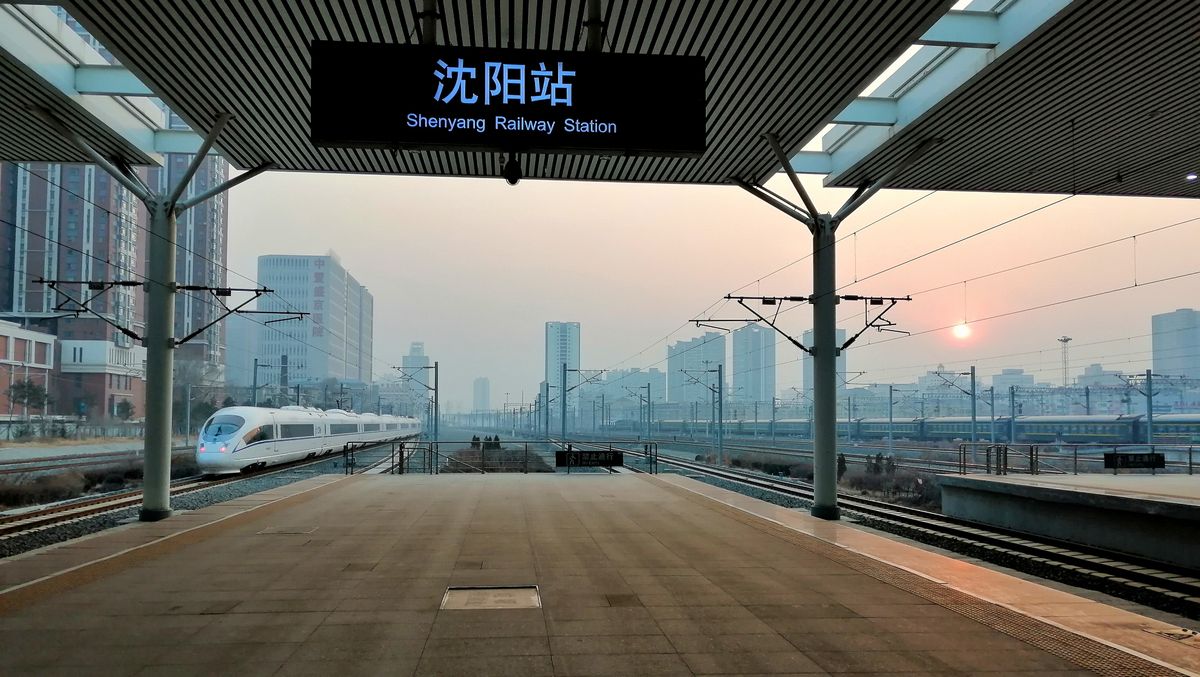
A Chinese high-speed train at a station platform at sunset
What to expect at the station
Chinese high-speed railway stations can be very large. Your passport is linked to your ticket, so check the booking details carefully and bring the same passport for station procedures and boarding. Seat layouts and onboard facilities vary by train and class. Food and drinks may be available, but many travellers bring snacks and their own mobile data.
For the full station walkthrough, security, gates and finding your platform, read how to ride China's high-speed trains. To plan and book, start with our pillar guide on booking China trains, and for seat-by-seat comfort comparisons see China train classes and seats explained.
FAQ
What is the difference between G, D and C trains in China? China Railway uses the prefixes for different electric multiple-unit service categories: G for high-speed EMU services, D for EMU services and C for intercity EMU services. Speed, stops and fares vary by individual train.
What does the G stand for on a Chinese train ticket? G is commonly transliterated as Gaosu, meaning high speed. D is Dongche, C is Chengji, Z is Zhida, T is Tekuai and K is Kuaisu.
How fast are China’s high-speed trains? Selected regularly operating services reach 350 km/h, but many trains operate at lower speeds depending on the line, timetable and train type.
Do I need my passport to take a high-speed train in China? Your passport is linked to your train booking. Bring the same passport used for the purchase and check the current station procedure before travelling.
Are high-speed trains better than flying in China? It depends on the route and your stations. Rail can be convenient when the train station is closer to your origin and destination, but compare the complete journey time, price and schedule with flights.
Common mistakes with train codes
- Assuming the prefix guarantees one fixed speed.
- Choosing by letter alone without checking the exact journey time and stops.
- Booking the wrong railway station in a large city.
- Entering a different passport or travel date from the details on the booking.
Who this guide is for
- Useful if you are planning a China rail trip and want to compare train categories and individual services confidently.
- Skip the detail if you are taking one short, pre-booked journey and already know the exact train number and stations.
Sources
- China Railway Group response on G, D, and C train prefixes · The State Council, People’s Republic of China
- Beijing-Wuhan High-speed Rail Starts Operation at 350 km/h · Beijing Municipal Government
- China launches world's fastest bullet trains · State Council Information Office of China
- Let's Explore Which Train Stations in Beijing Offer High-speed Rail Service · Beijing Municipal Government
- China Railway 12306 · China Railway Customer Service Center
- China Railway 12306 FAQ · China Railway Customer Service Center