Pingyao
Pingyao Ancient City Wall
The rampart you can actually walk
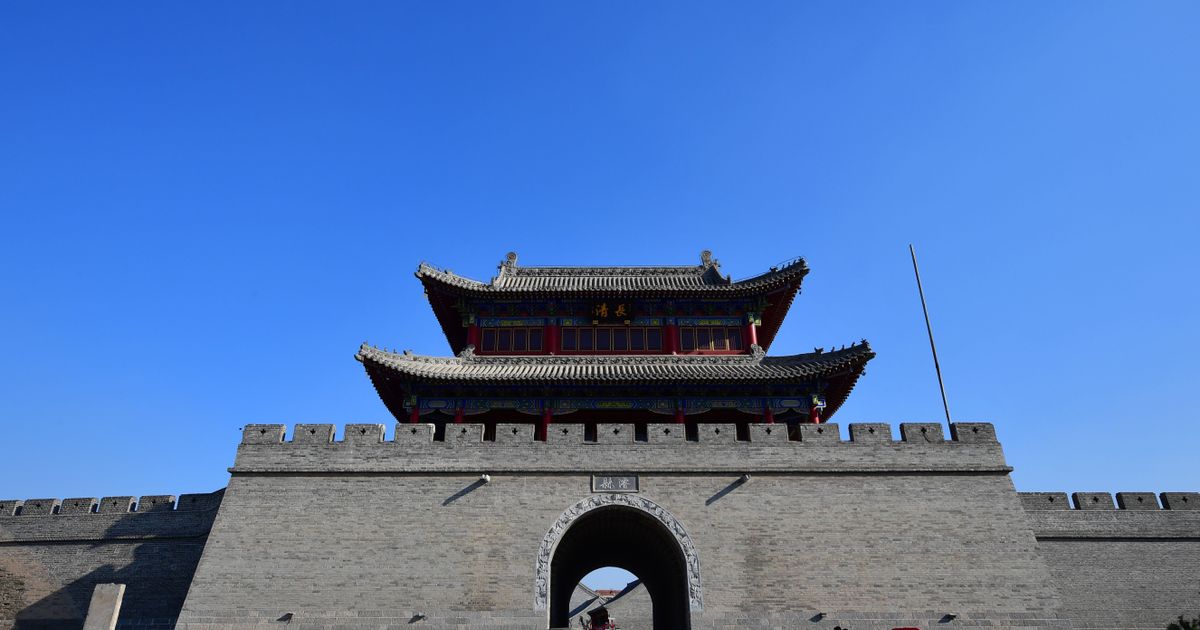
Most Chinese cities pulled down their walls in the twentieth century. Pingyao kept its entire circuit, which is why you can climb onto a Ming rampart here and look down on a working town of courtyard houses, vinegar shops and noodle joints rather than a tidied-up reconstruction. The grey-brick wall runs a little over 6 kilometers around a near-rectangular plan, stands roughly 10 to 12 meters high, and is broad enough on top for several people to walk abreast. It was rebuilt and faced in brick in 1370, early in the Ming dynasty, on much older rammed-earth foundations, and it forms the core of the UNESCO-listed Ancient City of Ping Yao.
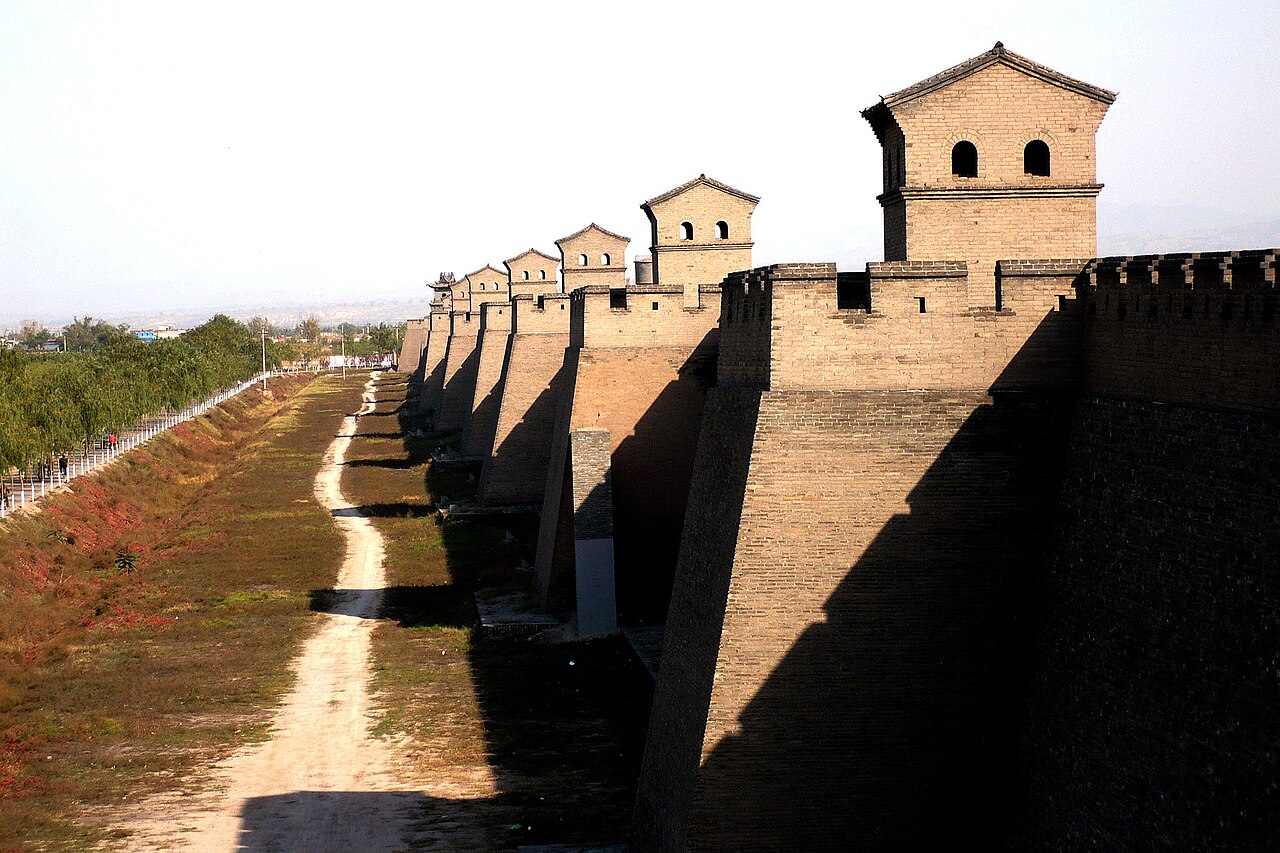
Pingyao's grey-brick rampart with a row of watchtowers above the dry moat
What you're looking at up top
The wall carries 72 watchtowers and is capped by 3,000 crenellations. Locally those numbers are read as Confucius's 72 wise disciples and 3,000 students, a nod to a region that prized scholarship and later bankrolled much of imperial China. Four squat turrets mark the corners. There are six gates rather than the usual four, one each on the north and south, two apiece on the east and west, an arrangement that earns the plan its nickname, the "tortoise city," with the south gate read as the head. Along the southern stretch stand the slim Kuixing and Wenchang pavilions, dedicated to the deities of literary success, a fitting pair above a town that took its imperial exams as seriously as anywhere.
Where to climb, and how far you'll get
Here is the practical catch: you cannot currently walk the full 6-kilometer loop. A long continuous section is open to visitors, and the usual plan is to climb at the South Gate (Yingxun Gate), where the stairs and the ticket checkpoint sit, then walk the open stretch toward the east and north. Allow up to a couple of hours if you want to cover the accessible run; plenty of people just do a shorter there-and-back for the rooftop views and photos. There is almost no shade up there, so a hat and water matter in summer, and the old brick underfoot is uneven.
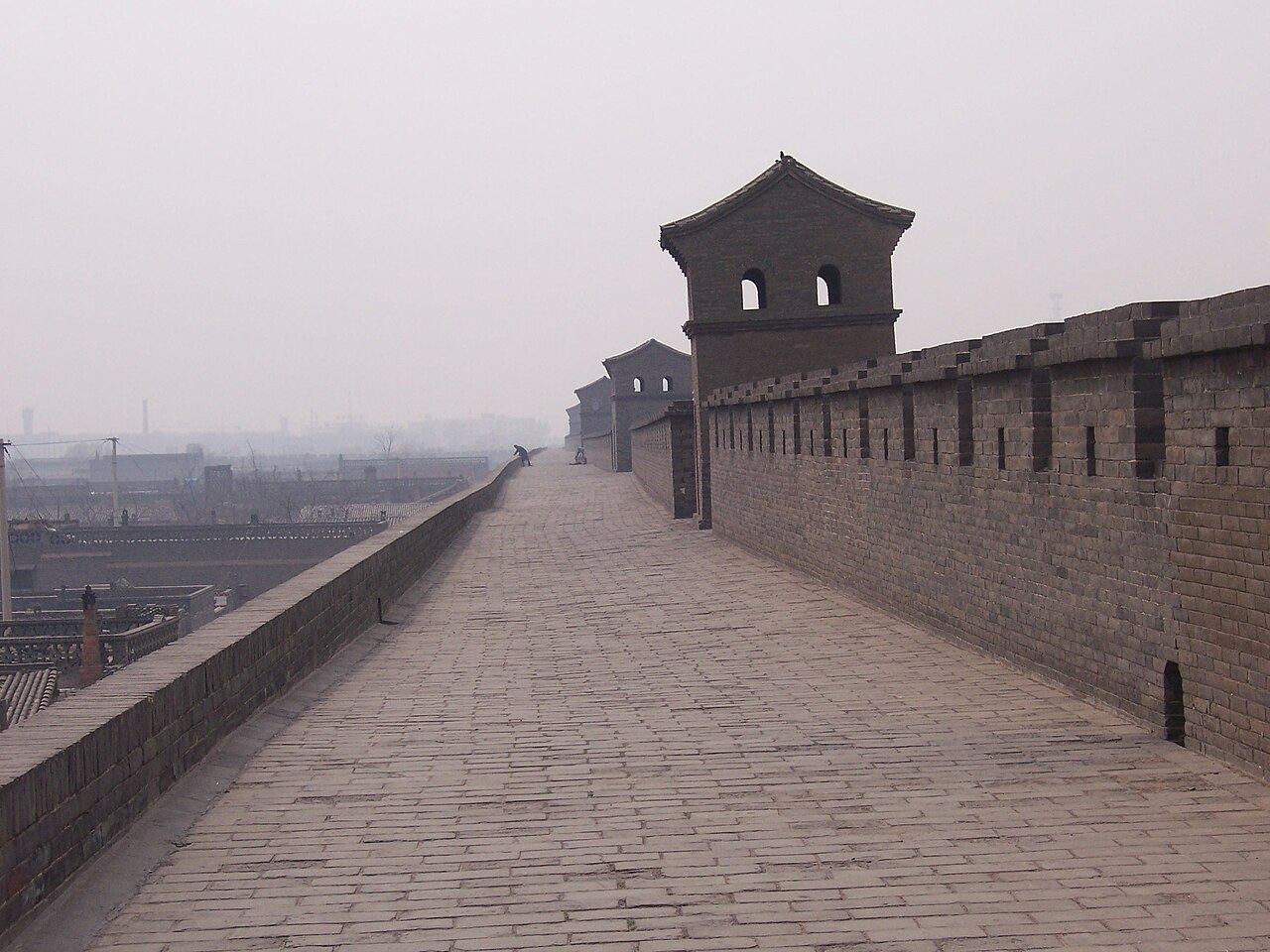
Visitors strolling the broad paved walkway on top of the Pingyao wall beside a watchtower
Getting onto the wall, and into town
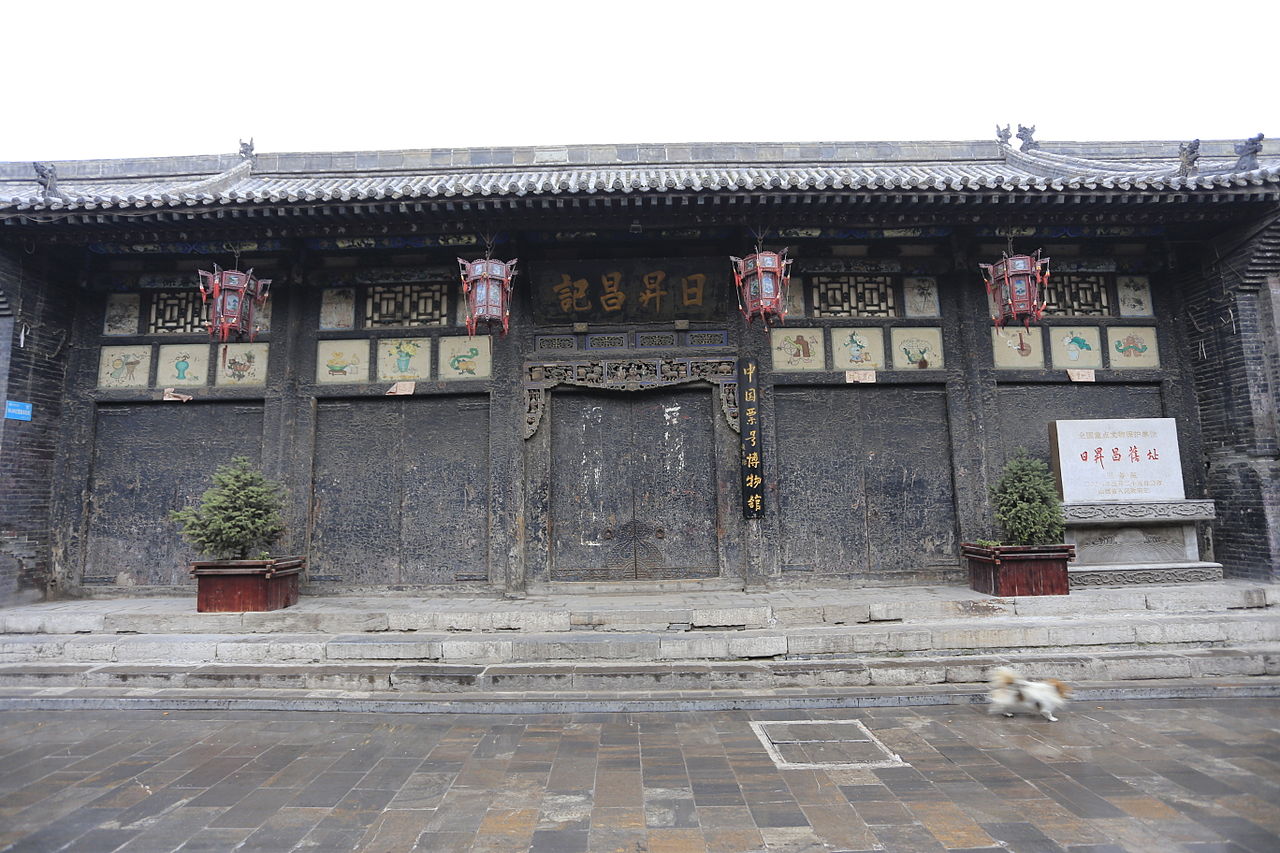
The wall has no ticket of its own. It is folded into the Pingyao Ancient City pass, a single multi-day ticket that also covers the county yamen, the Rishengchang exchange house and around twenty more sites inside the walls; each site is entered once, and the pass holds for three days from first use. Students and older visitors with valid identification pay a reduced rate.
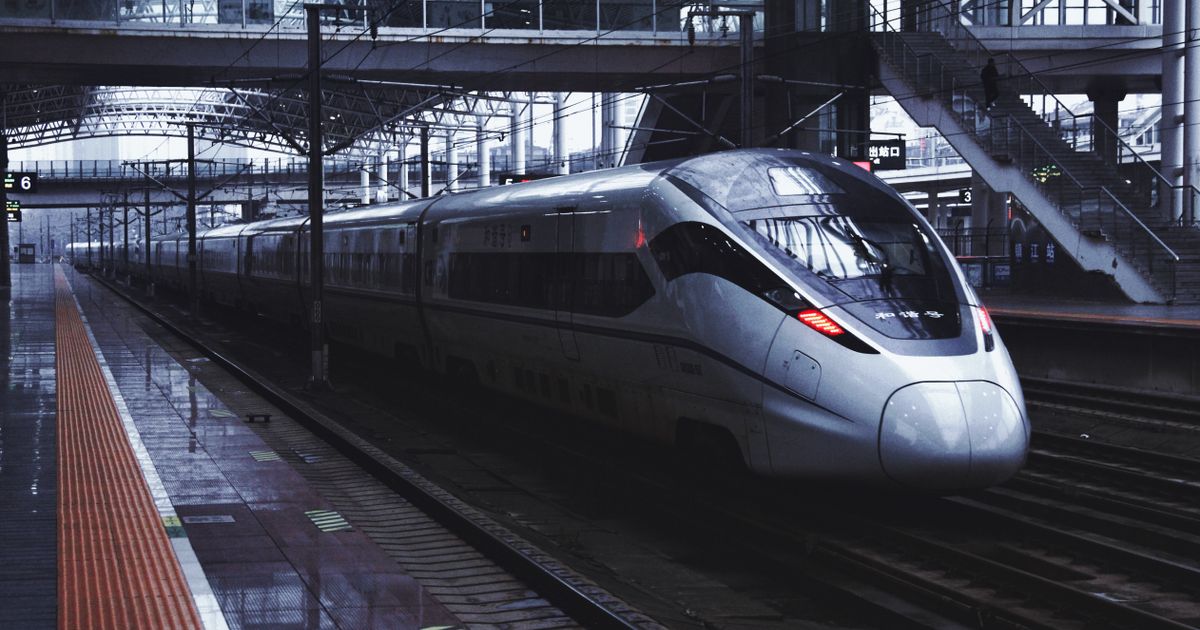
Pingyao sits on the Taiyuan to Xi'an high-speed line. Bullet trains reach Pingyao Gucheng station in about half an hour from Taiyuan South and roughly two and a half to three hours from Xi'an North; from there it is a ten to fifteen minute taxi or bus to a city gate. Slower conventional trains use the older Pingyao station, closer to the walls. It is worth checking times and booking train seats ahead, especially around the October holiday when seats disappear fast.
Opening hours and best light
The rampart is climbable during the old town's ticketed hours, generally from around 08:00 until early evening, closing later in the warm months (roughly 18:30 in summer) and earlier in winter (around 17:30). Times shift seasonally, so confirm on the day. The lanes below stay open around the clock, so you can wander the streets after the wall closes. Aim for early morning or the hour before sunset, when the brick warms to gold and the crowds thin. Spring and autumn (April to June, September to October) are the most comfortable; a light snow on the grey brick in winter is quietly spectacular and the town is at its emptiest. If you can, sidestep the first week of October.
Highlights
- Grey-brick Ming rampart, rebuilt and brick-faced in 1370, a little over 6 km around and roughly 10 to 12 m high
- Widely regarded as the oldest and best-preserved intact Han Chinese city wall
- 72 watchtowers and 3,000 crenellations, read locally as Confucius's 72 disciples and 3,000 students
- Six gates and four corner turrets give the plan its 'tortoise city' nickname
- Kuixing and Wenchang pavilions dedicated to the deities of literary success on the southern stretch
- Core of the UNESCO World Heritage Ancient City of Ping Yao (inscribed 1997)
- A long continuous stretch is open to walk, with rooftop views over a living courtyard-house town
Travel Tips
Climb at the South Gate
The access stairs and the ticket checkpoint sit at Yingxun (south) Gate, the most convenient and scenic place to get up onto the rampart.
You can't walk the whole loop
The full circuit is not currently open end to end, but a long continuous section is. Most people either do a there-and-back for the views or follow the open run from the south gate toward the east and north. Allow up to a couple of hours to cover the accessible stretch.
Enter on the Pingyao pass
The wall has no separate fee. It is covered by the multi-day Pingyao Ancient City pass, which also bundles around twenty other sites inside the walls, each entered once. Students and older visitors with valid ID pay a reduced rate.
Go early or late, and dress for it
Light is best in early morning and the hour before sunset, when crowds thin. There is little shade on top and the old brick is uneven, so wear comfortable shoes and bring a hat and water in summer.