Pingyao
Rishengchang Exchange House (Pingyao)
From pigment shop to China's first bank
In 1823 the manager of a Pingyao pigment shop, Lei Lütai, talked the owner into dropping the dye trade for something no Chinese firm had tried at scale: taking in silver at one branch and paying it out at another, hundreds of miles away, against a coded paper draft. They renamed the business Rishengchang ("sunrise prosperity"), and it became China's first piaohao, or draft bank. Until then, moving silver across the country meant hiring armed escorts and gambling on the roads. The draft system did away with the wagon-loads of metal, and within a few decades Rishengchang's branches reached from Beijing to the southern trading ports, and eventually into Russia, Mongolia and Japan. The original courtyard compound on West Street is now the China Piaohao Museum, the reason Pingyao is called the cradle of modern Chinese banking.
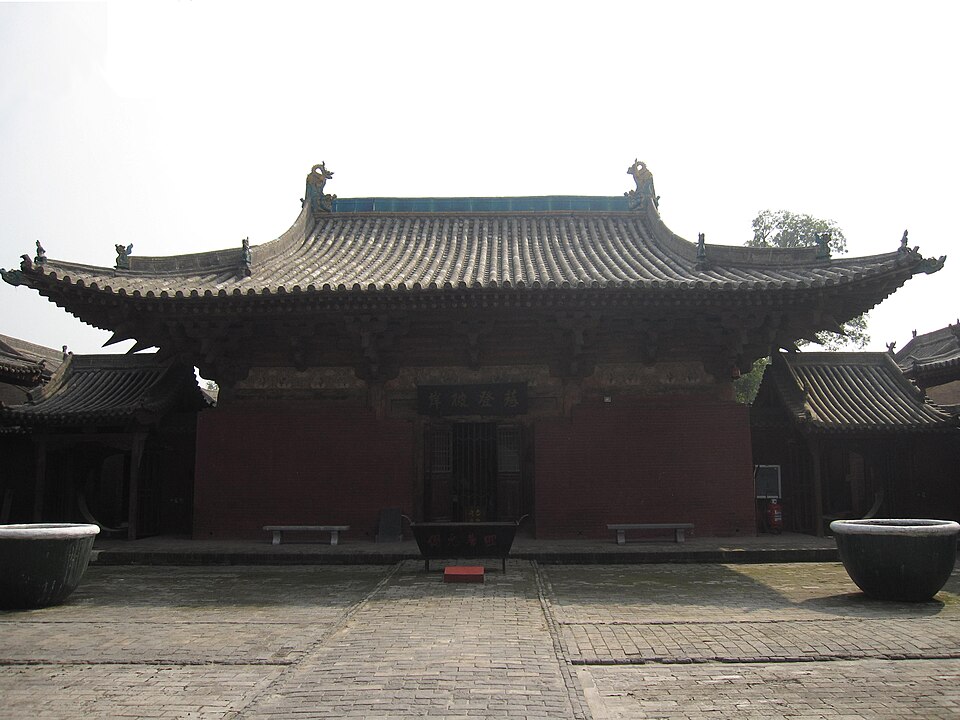
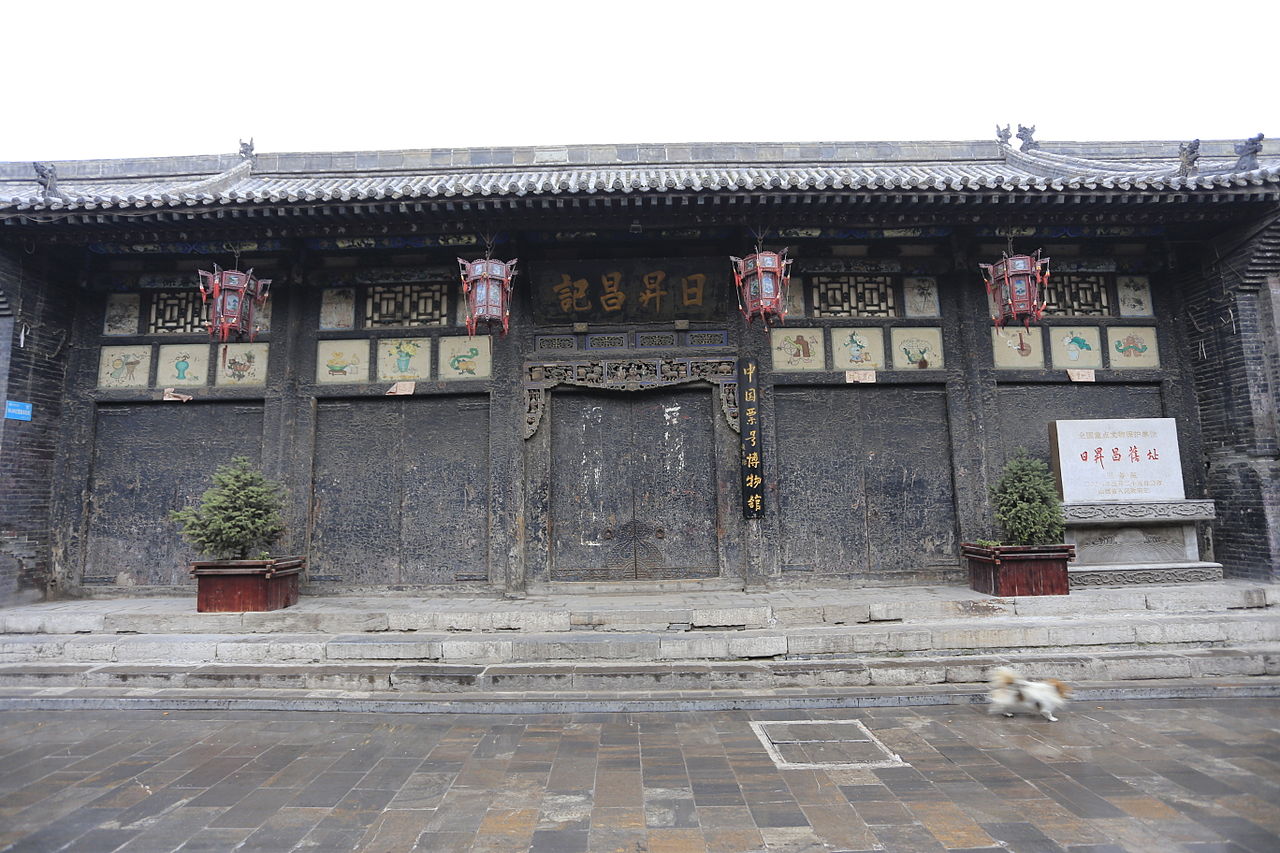
Rishengchang storefront, the China Piaohao Museum in Pingyao
Walking the compound
The site unfolds as a run of linked grey-brick courtyards, each preserving a different part of the operation. The front hall keeps the long wooden counters where clerks weighed silver ingots and checked drafts. Behind it are the strongrooms and underground vaults, thick-walled and iron-doored. The pieces worth slowing down for are the original coded drafts: the bank ran a secret cipher, switched regularly, that wrote amounts and dates in symbols so a stolen note could not be cashed. Side rooms recreate the manager's quarters and the accounting office, down to the abacuses and brush-written ledgers. The buildings themselves reward a look up, carved window lattices, painted beams, and the four characters Huitong tianxia ("remittance connecting all under heaven") that became the firm's motto.
Lei Lütai stayed on as chief manager, the da zhanggui or "grand head of the counter," until he died at his desk in 1849, by which point the model he built had been copied across Shanxi.
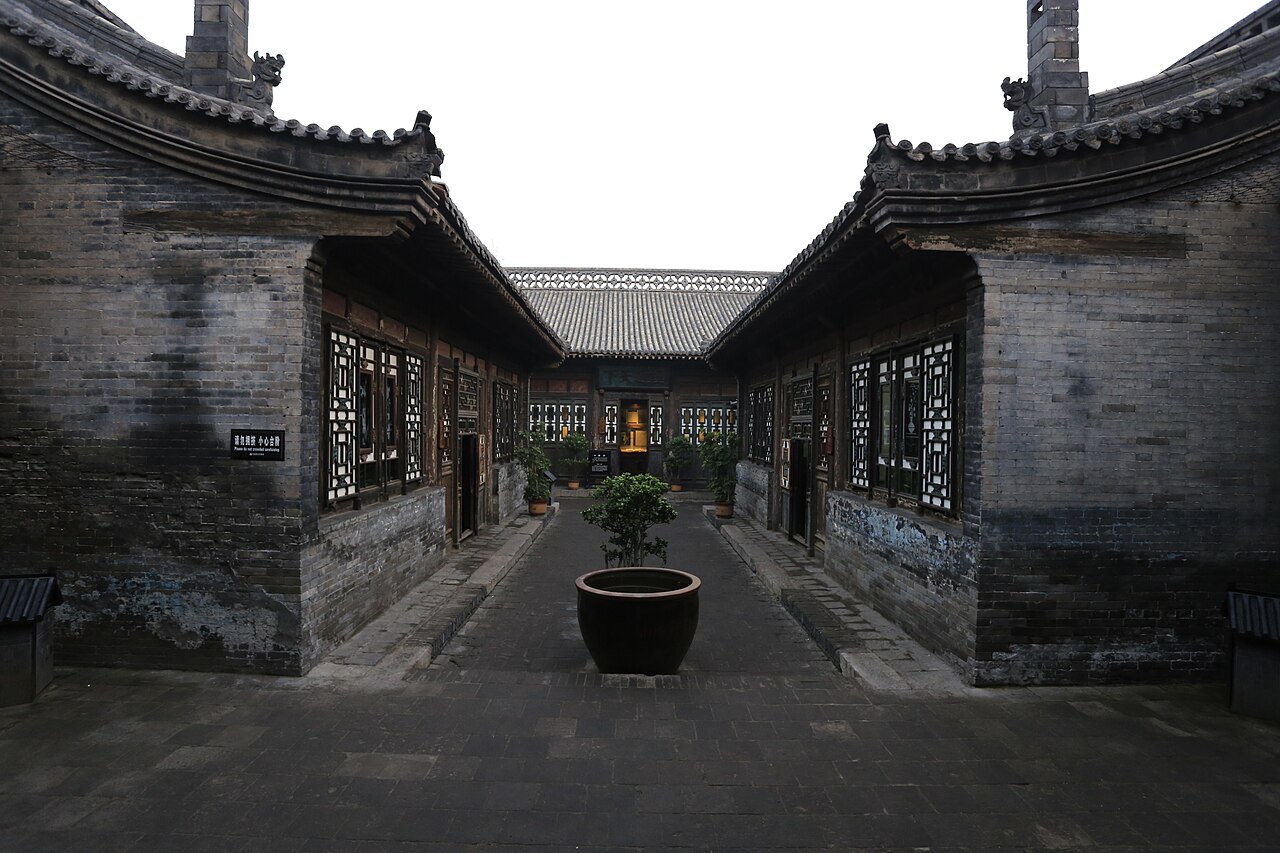
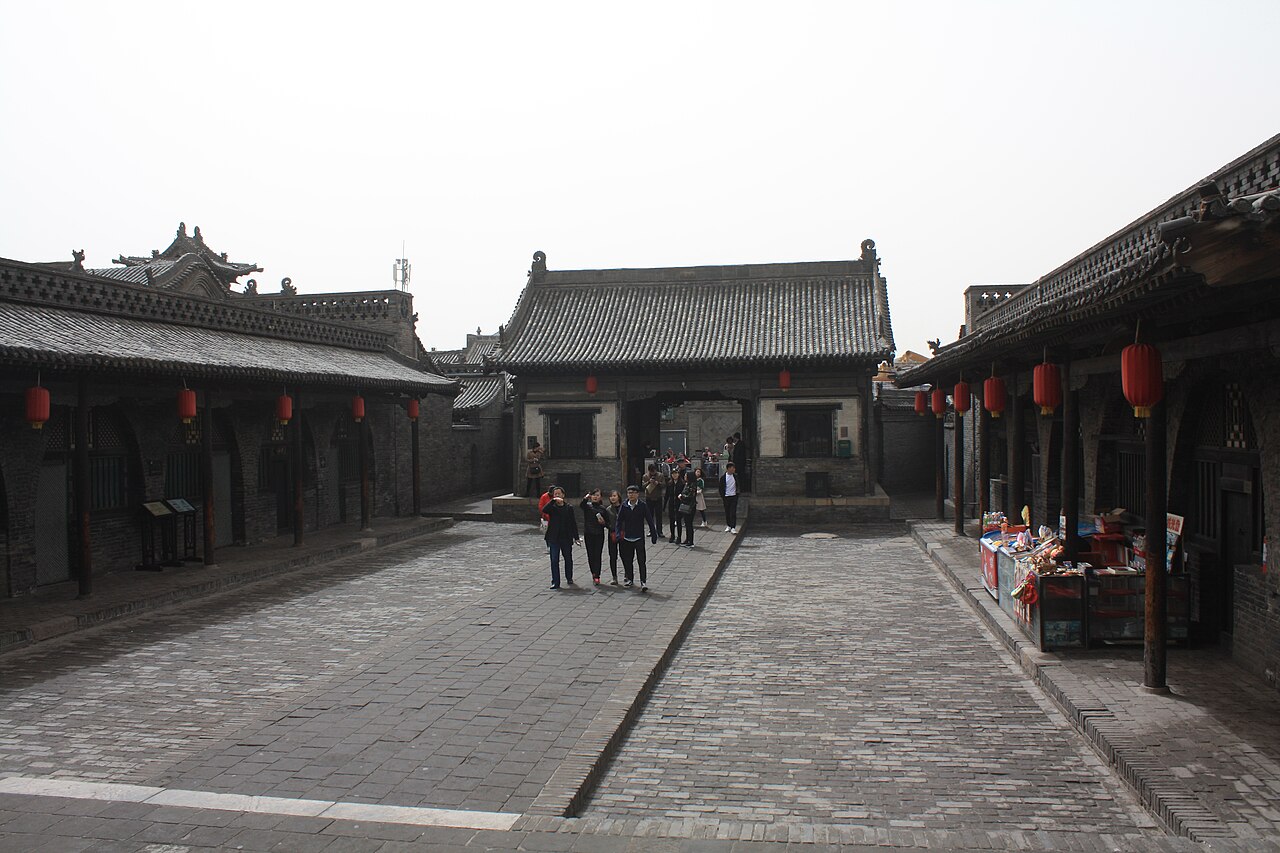
Interior courtyard of the Rishengchang Exchange House museum
Getting in
Rishengchang does not sell its own ticket. Entry is covered by the Pingyao Ancient City pass, a single multi-day ticket that admits you to roughly twenty historic sites inside the walls, among them the county yamen, the Confucius Temple, the city wall and several other former banks and escort agencies. Each site is entered once per pass, which runs for three days from first use, so keep it with you to show at the gate. Students, older visitors and other eligible holders pay a reduced rate with valid ID.
Finding it, and getting to town
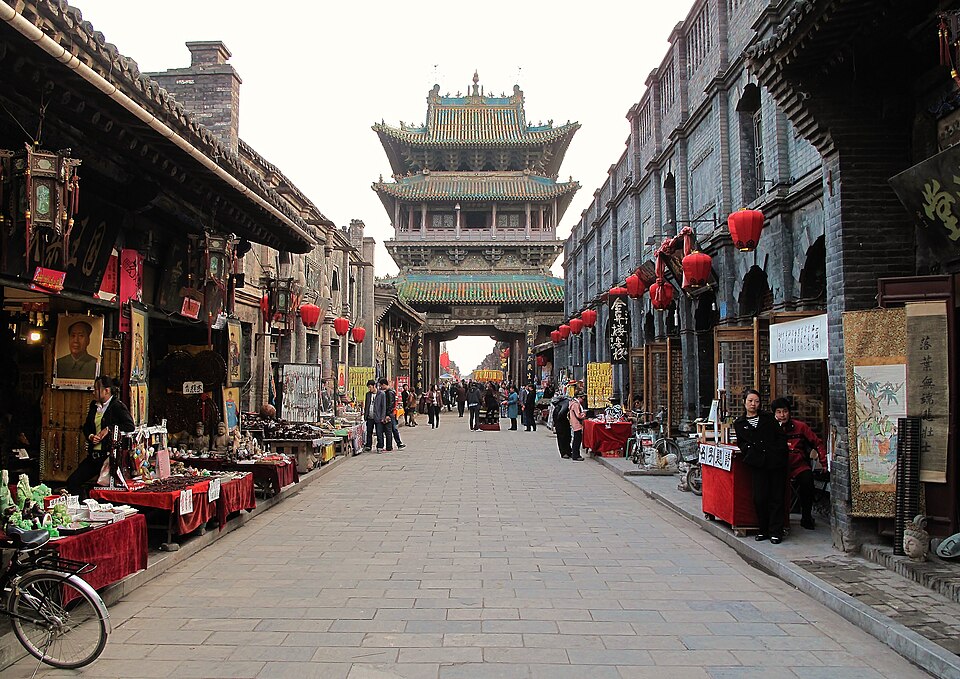
The museum sits on West Street (Xi Dajie) in the heart of the old town, a short walk from the South Gate and the main commercial street. Pingyao's core is car-free, so you reach it on foot however you arrive in town. Most visitors come by train: high-speed services stop at Pingyao Gucheng station, linking Taiyuan, Xi'an and beyond, while slower conventional trains use the older Pingyao station, closer to the walls. From either it is a short taxi or electric-cart ride to a city gate, then on foot to West Street.
When to go
April and May, then September and October, bring the most comfortable weather and the clearest light on the grey-brick facades. Summer is hot and busy; winter is cold but atmospheric, with far fewer visitors and lantern-lit lanes. For the building itself, early morning is best, when the courtyards are quiet and the sun rakes low across the screens. Treat Rishengchang as the anchor of a wider "money street" walk: the surrounding blocks are full of former draft banks and escort agencies that together tell the story of Shanxi's nineteenth-century merchants.
Highlights
- China's first piaohao (draft bank), opened 1823 on West Street when a pigment shop switched to remitting silver
- Founded by chief manager Lei Lütai, who ran it until he died at the counter in 1849
- Original front counters, strongrooms and underground silver vaults
- Displays of the secret coded remittance drafts that kept forgers out
- At its height a branch network reaching across China and into Russia, Mongolia and Japan
- Grey-brick courtyards with carved lattices and the 'Huitong tianxia' (remittance connecting all under heaven) motto
- Now the China Piaohao Museum, inside the UNESCO Ancient City of Ping Yao
Travel Tips
Enter on the Pingyao pass
Rishengchang has no separate ticket. Entry is through the multi-day Pingyao Ancient City pass, which covers around twenty sites inside the walls, each entered once. Keep it to show at the gate.
Come soon after opening
Arrive shortly after the roughly 08:00 opening to have the courtyards to yourself before tour groups fill them, and to catch the low morning light across the carved screens.
Bring some context
English signage inside is limited, so a guide or an audio-guide app helps the coded drafts and the banking story make sense. Allow about 45 minutes to an hour.