CN
Dali
Dali Travel Guide: Things to Do, 3-Day Itinerary and Tips (2026)
Dali works best as a three-part trip: walk through the Old Town, spend a day beside Erhai Lake, then reserve a weather-friendly day for Cangshan. This plan keeps the main sights manageable and leaves room for Bai food, architecture and crafts.
Do not confuse Dali Old Town with the modern transport district around Dali Railway Station. Check your hotel’s Chinese address before arrival and allow time for the transfer. Three full days cover the essentials; four or five let you slow down around Xizhou, Zhoucheng and the lakeside.
What are the best things to do in Dali?
Walk through Dali Old Town
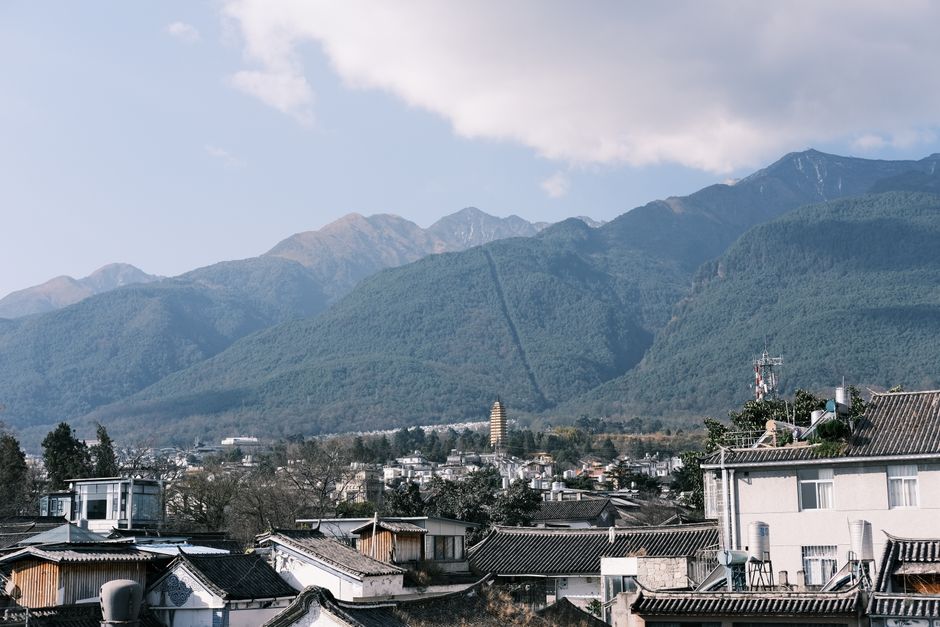
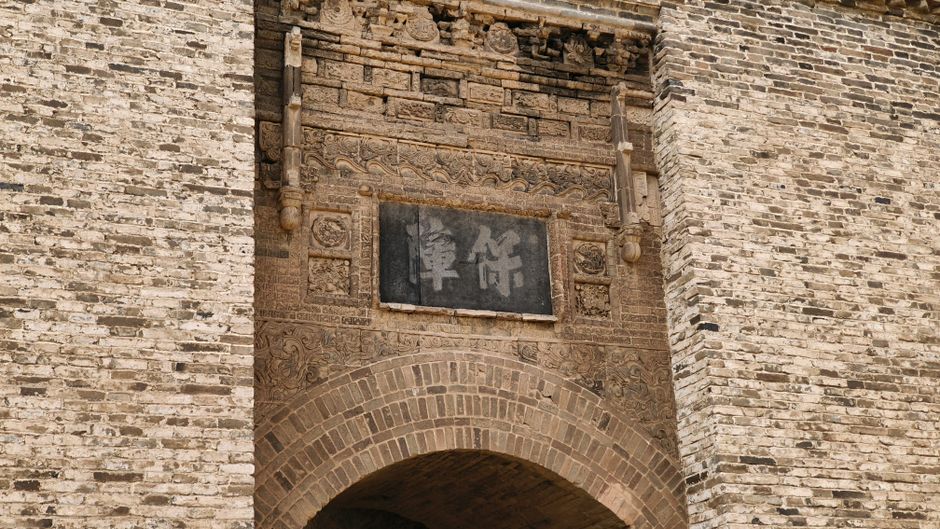
Start on Fuxing Road, the central north-south street in the Old Town’s grid. Explore the lanes around Renmin Road, the city gates and Wuhua Tower instead of treating the town as one straight shopping street. The Dali government’s visitor guide also identifies the Dali Intangible Cultural Heritage Museum at Jianggong Ancestral Hall as a useful introduction to Bai customs and crafts.
The Old Town becomes busiest around its main commercial streets. An early walk gives you clearer views of the gates and Cangshan; an evening return is better for restaurants and street life. The public streets and independently managed museums, towers and temples do not share one universal timetable, so check notices at each entrance.
Visit the Three Pagodas of Chongsheng Temple
The Three Pagodas stand north of the Old Town at the eastern foot of Cangshan. The complex consists of the central Qianxun Pagoda and two smaller towers. Qianxun dates to the Nanzhao period, has 16 levels and rises 69.13 metres, while the two later octagonal pagodas belong to the Dali Kingdom period.
This is a substantial temple and heritage complex, not a quick roadside photo stop. Allow a half day if you want to walk beyond the pagodas into the reconstructed temple grounds. Opening arrangements and admission products can change, so use the attraction’s official ticket channel or the current notice at the entrance rather than an old price quoted by a travel blog.
Choose a focused Erhai Lake route
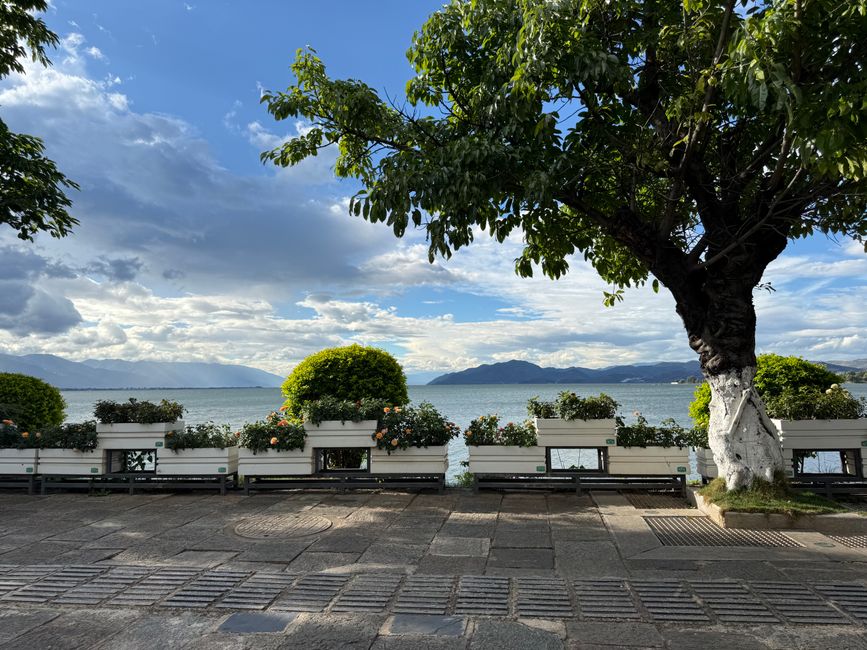
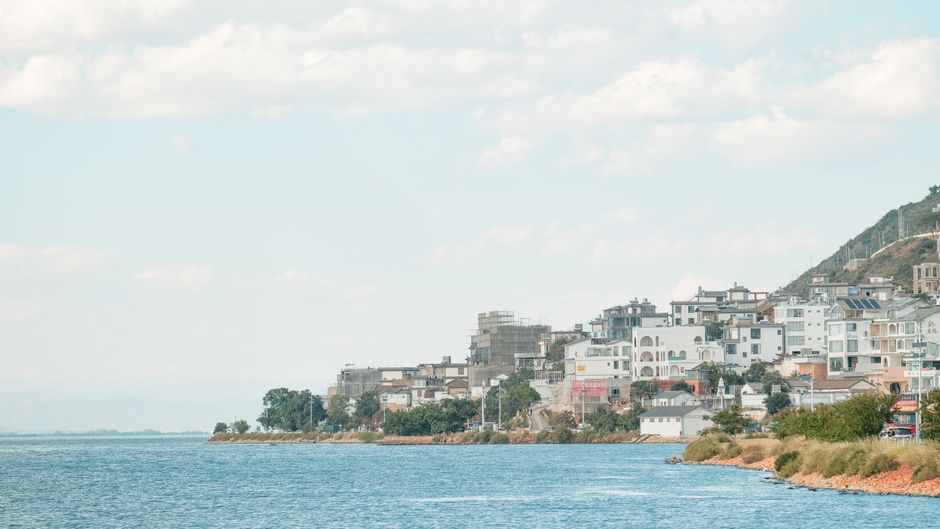
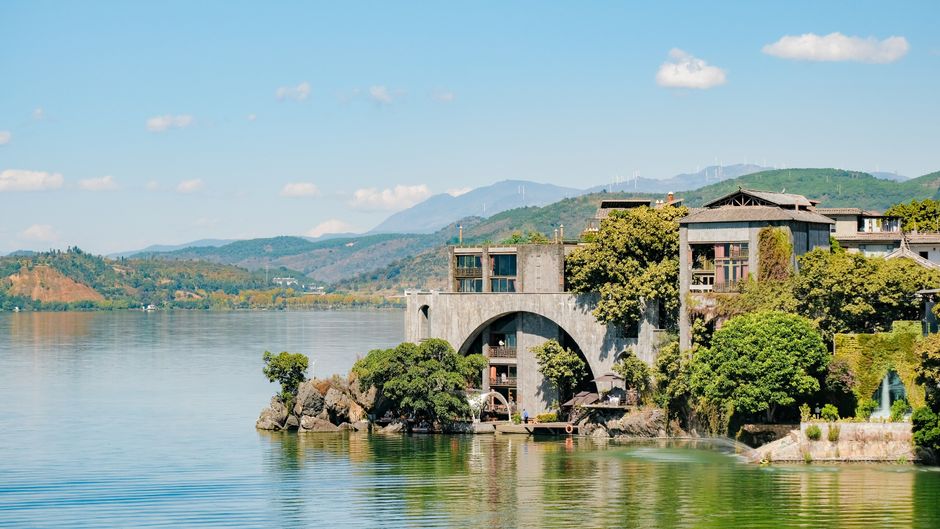
Erhai is a highland lake east of the Old Town, despite the Chinese character for “sea” in its name. Trying to circle the whole lake while also visiting several villages often turns a scenic day into a long transfer. First-time visitors can focus on the western side: combine a lakeside section with Xizhou and, if craft is a priority, Zhoucheng.
Xizhou adds Bai residential architecture, lanes and agricultural scenery to the trip. Zhoucheng is associated with Bai tie-dyeing. A Dali government profile describes the local process as binding white cloth before dyeing it, traditionally producing blue-and-white patterns, and records more than five centuries of the craft in the village’s local memory.
Use marked cycling or walking areas and follow local signs near the water. Erhai is an ecologically sensitive lake, so do not enter planted shore areas, leave rubbish or fly equipment where restrictions are posted.
Keep one clear day for Cangshan
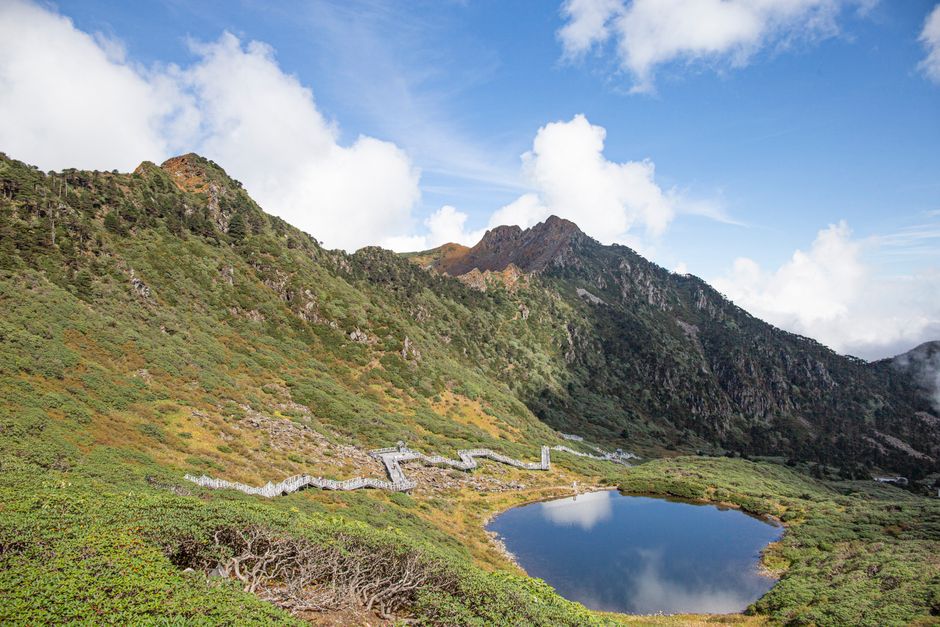
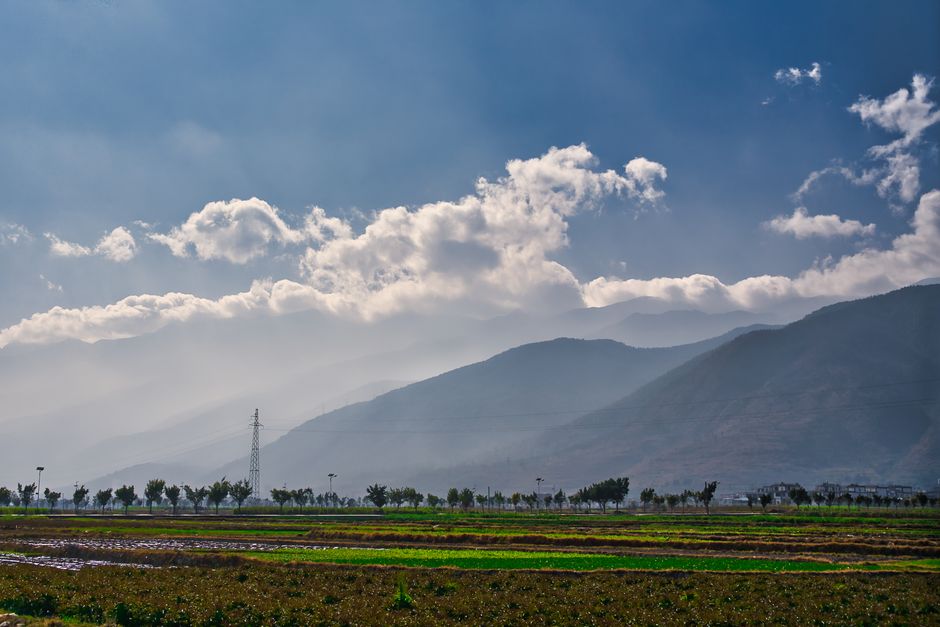
Cangshan rises immediately west of the Old Town. Its landscape includes 19 peaks and 18 streams. The Ximatan cableway reaches an upper area around 3,900 metres, while the mountainside Jade Belt route links several established visitor areas.
Choose your route according to the same-day weather and cableway status. A short mountainside walk is a sound alternative when the summit section is closed or visibility is poor. Carry a warm layer and rain protection even if the Old Town feels mild.
Stay inside open scenic areas. A 2026 safety notice from the Dali government warns visitors not to enter buffer zones, core conservation zones or unopened terrain. It also prohibits smoking, open flames and outdoor cooking in the forest during the fire-control period.
How many days do you need in Dali?
| Day | Morning | Afternoon | Evening |
|---|---|---|---|
| 1 | South Gate, Fuxing Road and Old Town lanes | Three Pagodas and temple grounds | Dinner around the Old Town |
| 2 | Xizhou and surrounding lanes | Zhoucheng tie-dye or a marked Erhai lakeside section | Return without scheduling another major sight |
| 3 | Cangshan cableway or an approved mountainside trail | Continue the mountain visit or use the Old Town as a weather fallback | Bai food and final walk |
| 4, optional | A slower lakeside morning | Museum, café or craft workshop | Prepare for onward travel |
Avoid putting Cangshan on your departure day. Wind, cloud or maintenance can alter cableway operations, and mountain travel deserves a flexible timetable.
When is the best time to visit Dali?
The Dali government recommends March to May and September to November for Erhai and the wider destination. June to August falls within the rainy season and also brings strong sun. Winter can produce clear sightseeing days, but mornings, evenings and mountain areas require warmer clothing.
Spring and autumn are popular, so book transport and accommodation early around public holidays. Weather matters more than the calendar on Cangshan. Check the local forecast and attraction notice on the morning of your visit.
How do you get to Dali and move around?
By train
Book through the official China Railway 12306 website or app. Foreign passengers can register and buy real-name tickets with a valid passport. Carry the same passport used for the reservation, since it is the travel document tied to the ticket.
Dali Railway Station advised passengers during the 2026 Spring Festival period to arrive at least 30 minutes before departure because security and boarding take time. Leave a larger margin during a major holiday or when travelling with luggage.
Around Dali
Walking is the practical choice inside the Old Town. For trips to the station, Cangshan entrances and villages around Erhai, ask your accommodation to confirm current public transport or help arrange a transfer. Save each destination in Chinese and check the details before departure rather than relying on an old route screenshot.
Where should you stay?
Stay near Dali Old Town if this is your first visit and you want restaurants, evening walks and straightforward access to the principal historic area. Choose accommodation away from Renmin Road’s busiest blocks if quiet sleep matters.
The modern urban area near Xiaguan is more practical for an early train, business services or a short stopover. Xizhou suits travellers who prefer village lanes and slower mornings, but it requires more planning for Cangshan, the station and evening dining.
Check the map pin rather than trusting the word “Dali” in a property name. Before paying, confirm the room type, total price, cancellation terms and whether the property can register an international guest. Dali’s market regulator issued the same advice about checking accommodation terms in its 2026 consumer notice.
What should you eat in Dali?
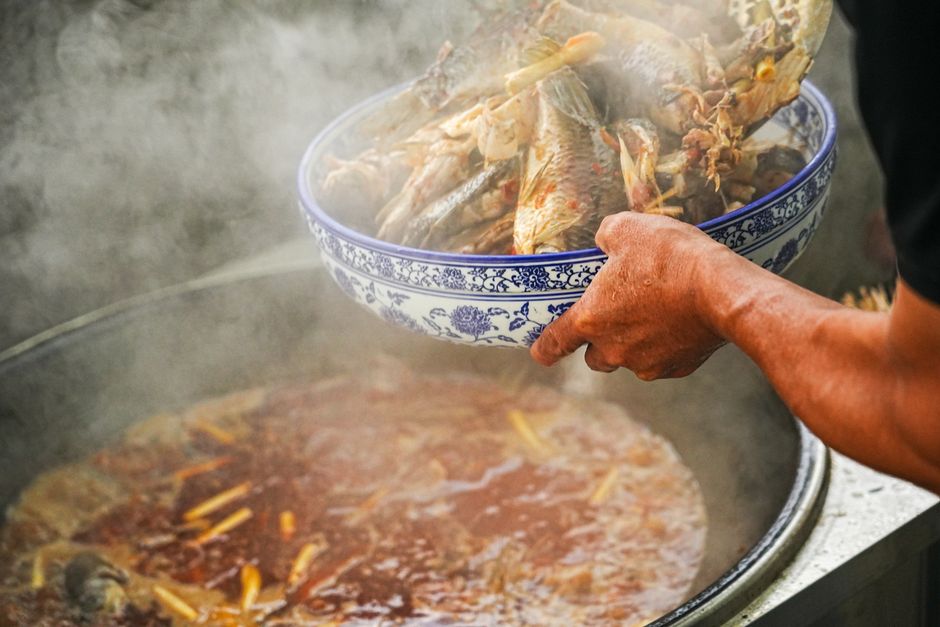
Look for rushan, a local milk product shaped into thin sheets; erkuai, a rice cake; cold chicken rice noodles; and sour-spicy fish. Ask about chilli if you prefer mild food. For fish, mushrooms or other dishes listed at a market price, confirm the price and unit before ordering. The 2026 local consumer notice specifically advises diners to check these details and choose licensed, clean restaurants.
Xizhou baba, a round baked bread sold in sweet or savoury versions, is a convenient snack during a village day. At craft shops, ask whether tie-dye is handmade and whether plant dye was used. For silver, check the fineness mark instead of relying on a verbal description.
Payments and practical preparation
Set up Alipay or WeChat Pay before travelling and try a small payment after linking your card. China’s official payment guide states that foreign users can link international Visa and Mastercard cards. Carry some renminbi as a backup and keep a second payment method available.
Save Chinese names for your hotel and key destinations. Download an offline translation pack and keep the hotel phone number accessible. Sun protection, rain protection and a warm layer cover the main weather shifts between Erhai, the Old Town and upper Cangshan.
Frequently asked questions
Is Dali Old Town the same place as Dali Railway Station?
No. Treat the railway station and the Old Town as separate points when planning your transfer. Use the property’s map pin and Chinese address rather than searching only for “Dali.”
Can I see Dali in two days?
Yes, but you will need to choose between a fuller Erhai day and Cangshan. Three days give you a better chance of moving the mountain visit if the weather is unsuitable.
Should I cycle all the way around Erhai Lake?
Only if the ride itself is your main activity and you have checked the current permitted route, weather and equipment. Most first-time visitors get more from a shorter marked lakeside section paired with Xizhou or Zhoucheng.
Do I need to book Dali attractions in advance?
Check the official channel for Cangshan cableways and the Three Pagodas before visiting, especially during a public holiday. Do not depend on old screenshots for admission prices, opening times or mountain access.
What is the best base for a first trip?
The Old Town is the simplest base for historic streets, food and evening walks. Xiaguan works better for an early departure, while Xizhou rewards travellers who accept longer transfers in exchange for a quieter village setting.
Highlights
- Walk the grid of Dali Old Town around Fuxing Road, Renmin Road, historic gates and Bai cultural sites.
- See the Three Pagodas, led by the 16-level Qianxun Pagoda from the Nanzhao period.
- Plan a focused Erhai day combining a marked lakeside section with Xizhou or Zhoucheng.
- Learn how Bai tie-dye creates blue-and-white patterns in workshops associated with Zhoucheng.
- Use a clear-weather day for Cangshan and stay within officially opened routes.
- Try rushan, erkuai, cold chicken rice noodles and sour-spicy fish while checking market-price items before ordering.
Travel Tips
Keep Cangshan flexible
Check the weather and cableway notice on the morning of your visit. Use an approved lower route or an Old Town activity if upper access closes.
Save addresses in Chinese
Keep your hotel, Dali Old Town, Dali Railway Station and planned attractions saved as Chinese map pins for drivers.
Prepare two payment methods
Link an international card to Alipay or WeChat Pay, test a small payment and carry some renminbi as backup.
Check before buying
Confirm accommodation terms, market-price food units, silver fineness marks and whether tie-dye is handmade before paying.