China
Chengdu
Pandas bring most people to Chengdu, and the panda base is no longer a walk-up attraction: the ticket windows have closed, and every visit is booked online in advance under the name in your passport. Sort that one reservation out before you land and the rest of the city asks almost nothing of you. Capital of Sichuan and the comfortable springboard to Tibet and China's western mountains, Chengdu runs on teahouse mornings, numbing-spicy lunches, Three Kingdoms history and some of the best rail day trips in the country.
Pandas: book first, then go early
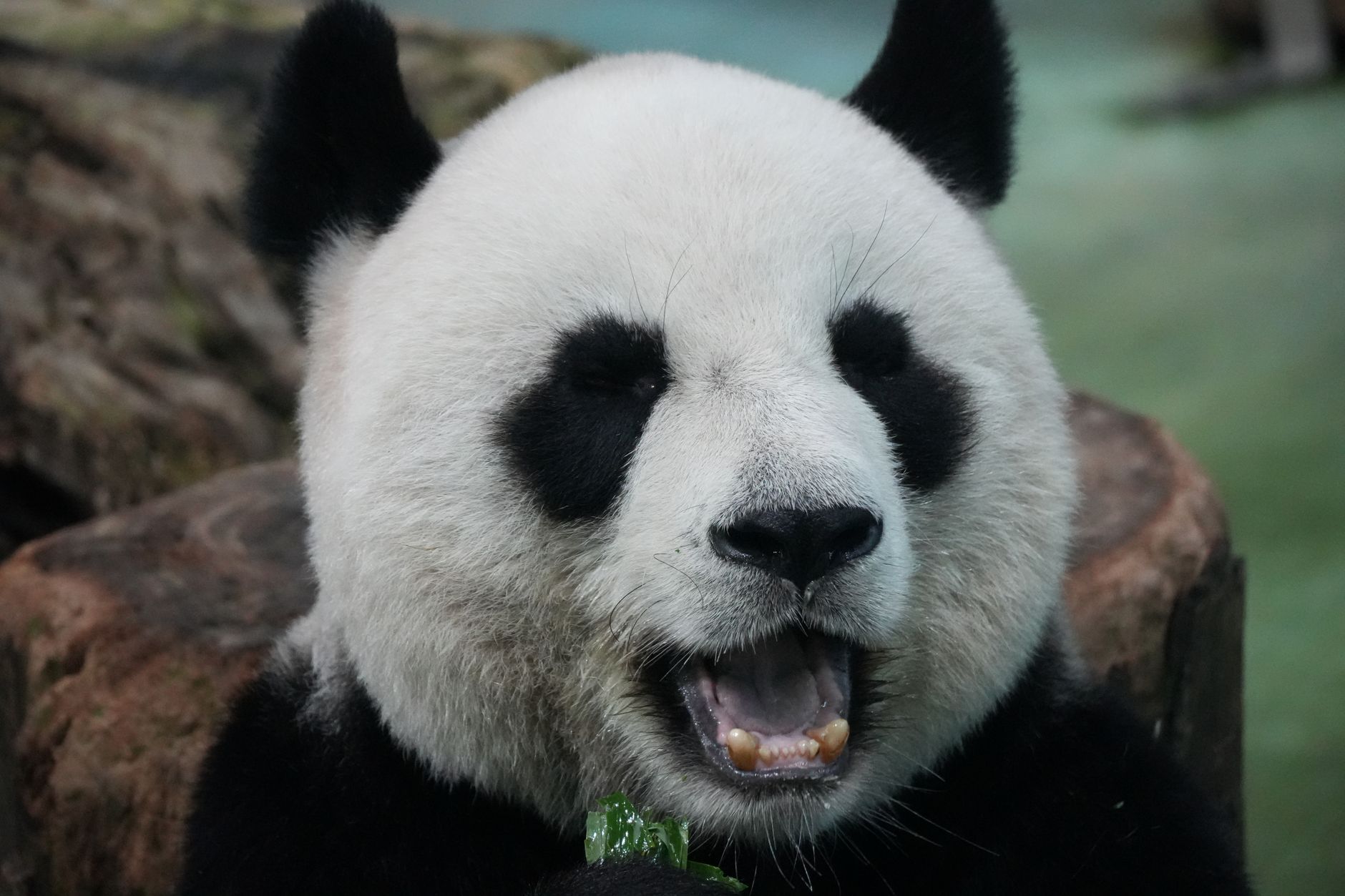
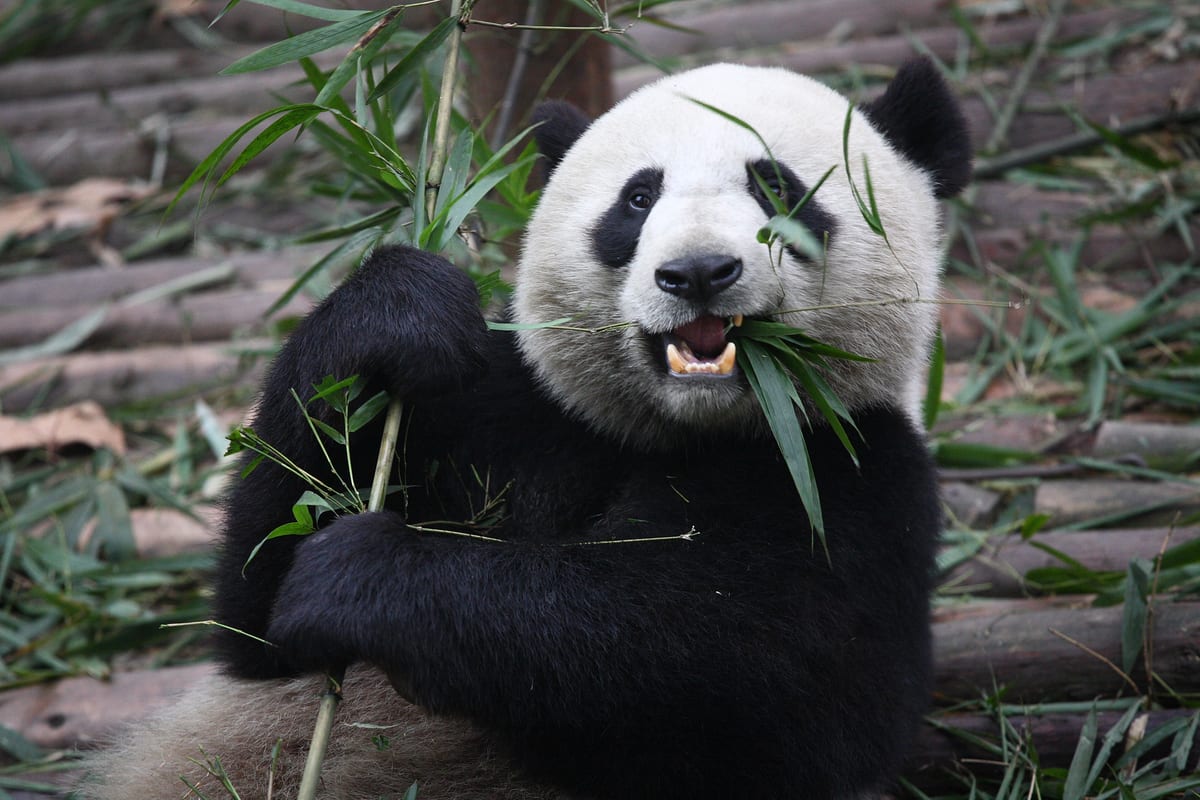
The Chengdu Research Base of Giant Panda Breeding sits on the city's northern edge, a conservation centre where giant pandas (plus red pandas) climb, wrestle and demolish bamboo across large wooded enclosures. Ticketing is fully digital: reservations open about two weeks ahead, are real-name with one ticket per ID, and you enter by scanning the passport you booked with. There is no counter to fall back on, so busy dates reward planning. The official channels run through WeChat, which is awkward without a Chinese setup; authorized platforms such as Trip.com take foreign passports directly.
Timing matters as much as the ticket. Pandas are at their liveliest in the cool of the morning around feeding time and tend to nap out of sight by mid-afternoon, especially in summer heat. Getting there is easy: metro Line 3 to Panda Avenue station, out of Exit A, then shuttle bus 408 straight to the base's south gate. The grounds cover several kilometres of walking paths, so wear comfortable shoes and give it a full morning.
Panda Base tickets & Chengdu tours
Advance-only digital tickets, booked with your passport details
Some links are affiliate links; we may earn a commission at no extra cost to you.
The unhurried city
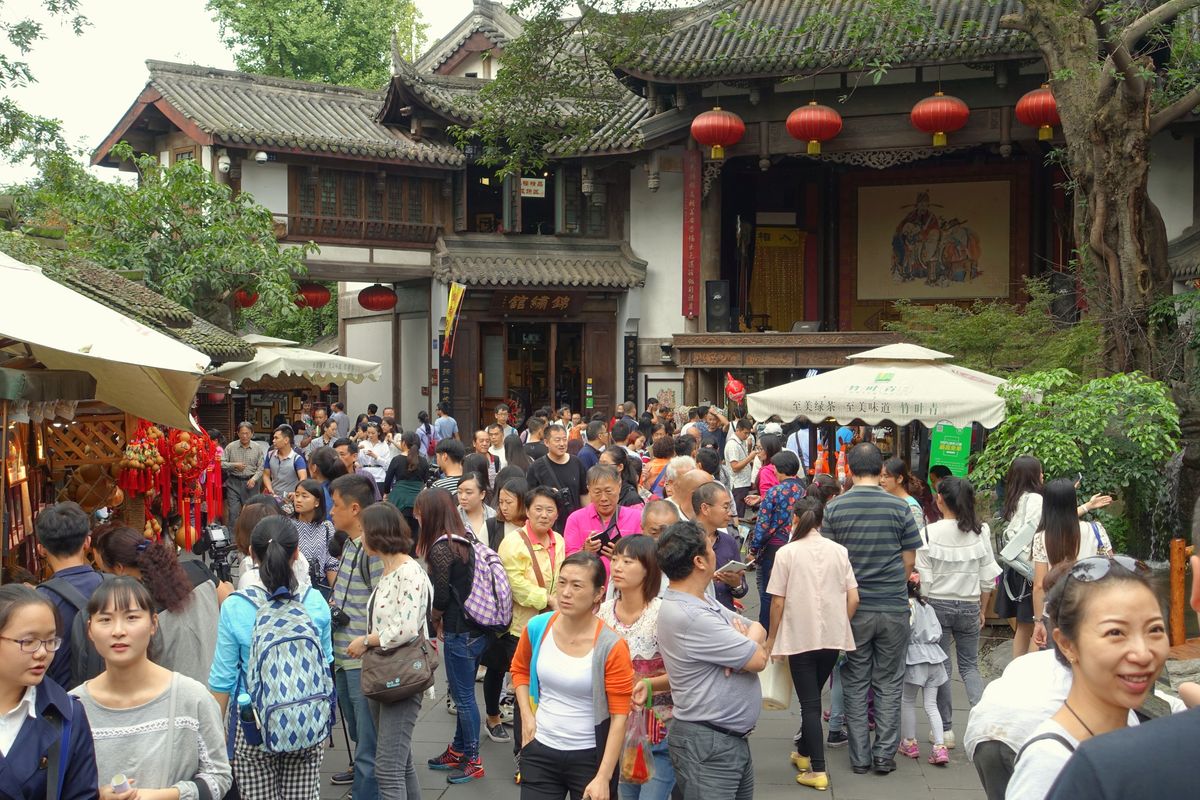
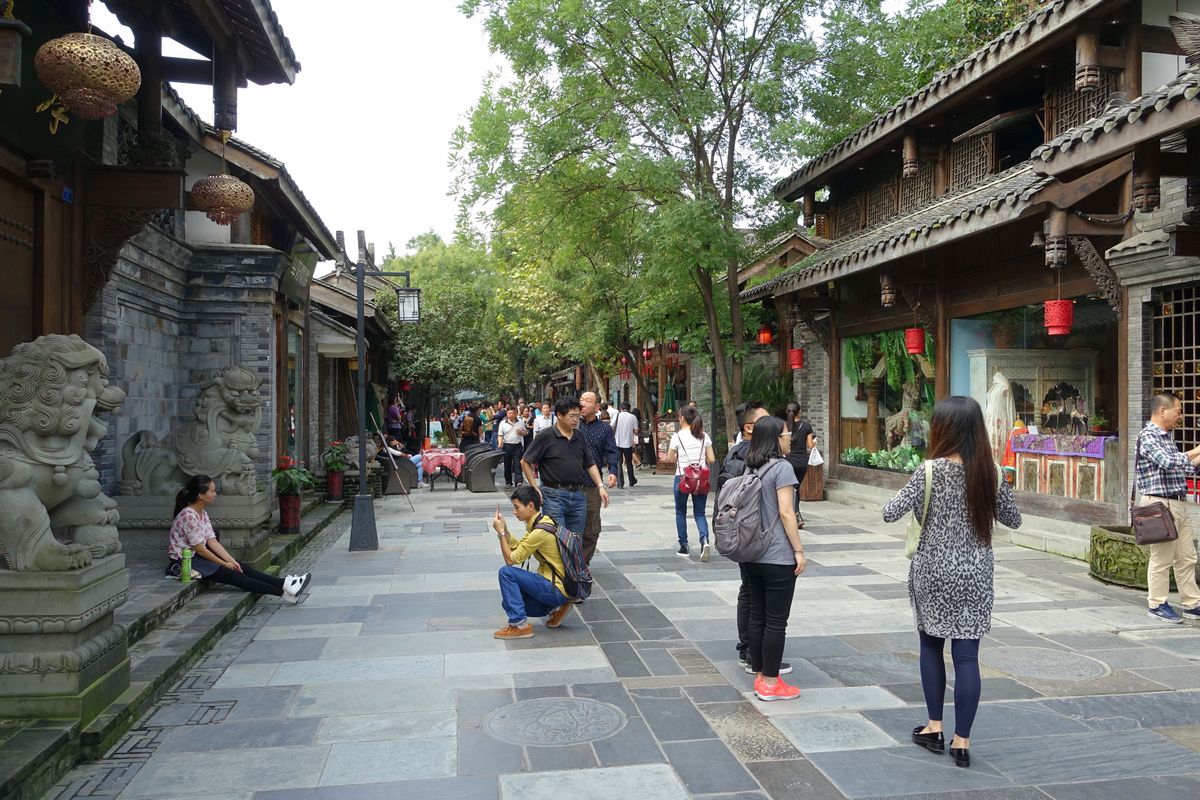
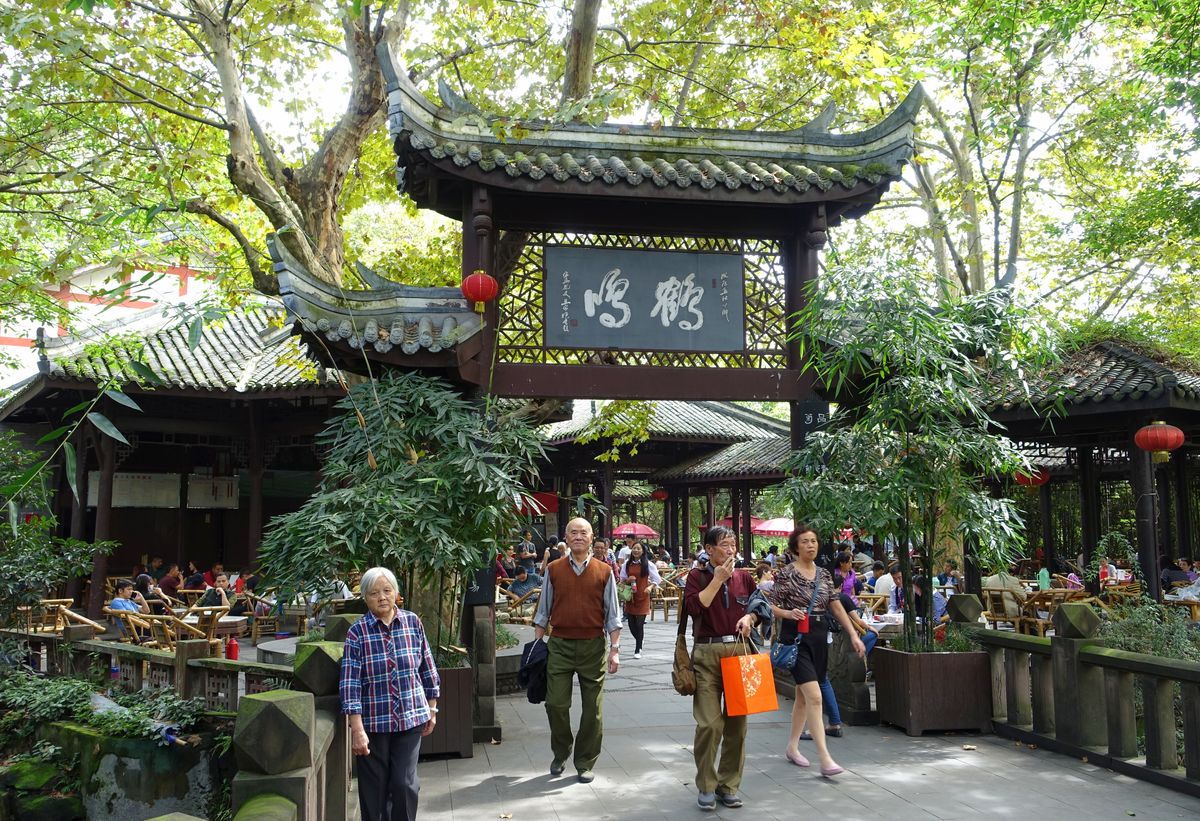
Chengdu's reputation for taking it slow is earned in its teahouses. The open-air ones in People's Park are an institution: locals play mahjong for hours, professional ear-cleaners work the crowd with long steel tools, and a lidded cup of jasmine tea buys you an afternoon. A short ride west, Kuanzhai Alley (the Wide and Narrow Alleys) is a restored Qing-dynasty quarter of three parallel lanes, busiest in the middle, quietest along the courtyard-lined edges.
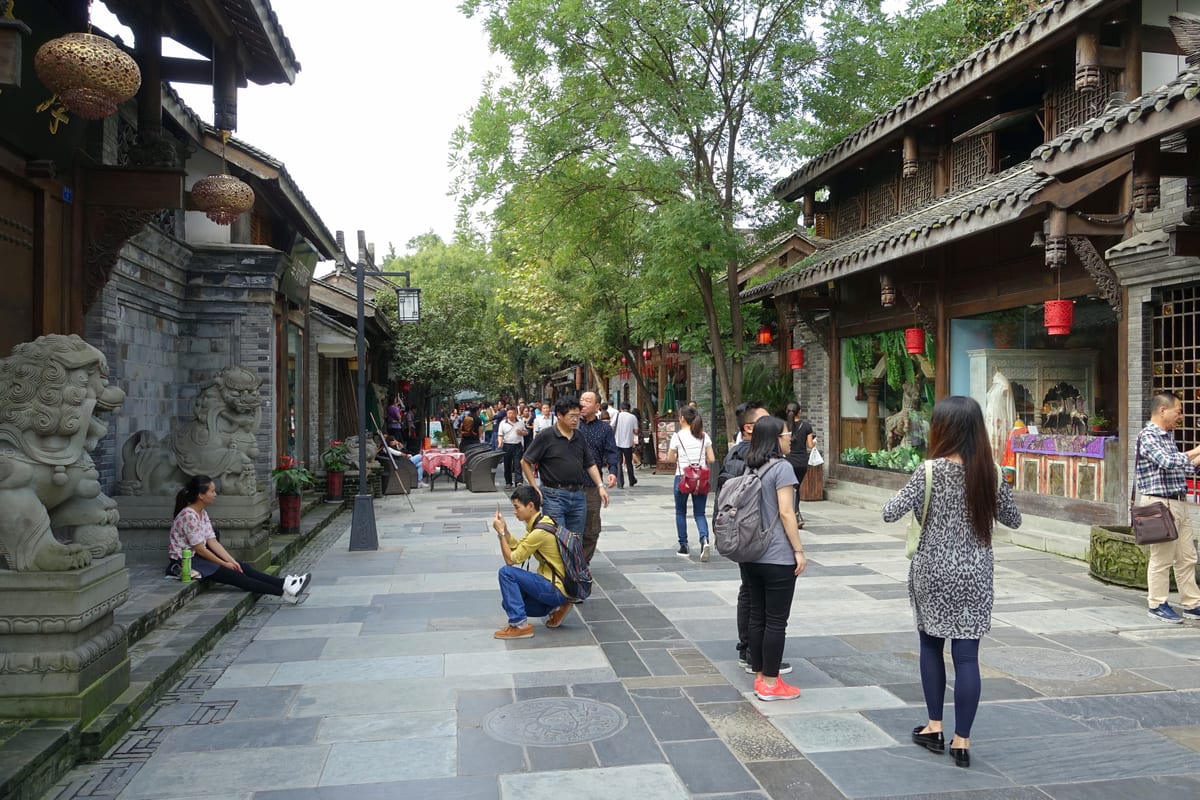
Stone-paved lane in Chengdu's Kuanzhai Alley lined with restored Qing-dynasty courtyard houses
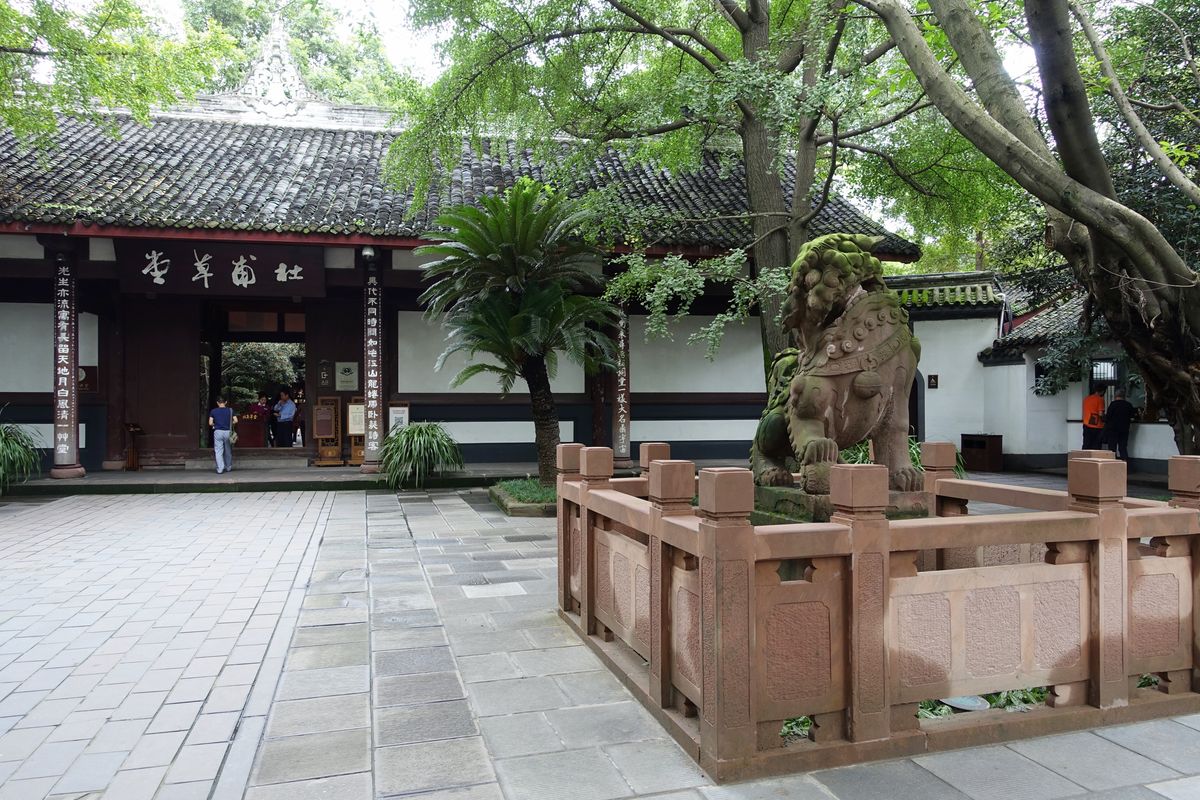
For the Three Kingdoms layer of the city, the Wuhou Shrine honours the era's heroes, above all the strategist Zhuge Liang, across a series of calm courtyards and gardens. In the evening, catch a Sichuan Opera variety show for the face-changing (bian lian) act, where performers flip painted masks faster than the eye can follow.
Eating in the home of Sichuan food
This is the city that gave the world mapo tofu, dan dan noodles and hotpot loaded with mala, the numbing-hot pairing of chili and Sichuan peppercorn. If you want the flavour without the fire, order a yuanyang (half-and-half) hotpot broth or say "bu la" for not spicy; the numbing tingle from the peppercorns fades in minutes and is part of the point. Jinli Ancient Street, the lantern-lit lane beside the Wuhou Shrine, packs snack stalls, tea and craft shops into one strollable stretch that is at its best after dusk.
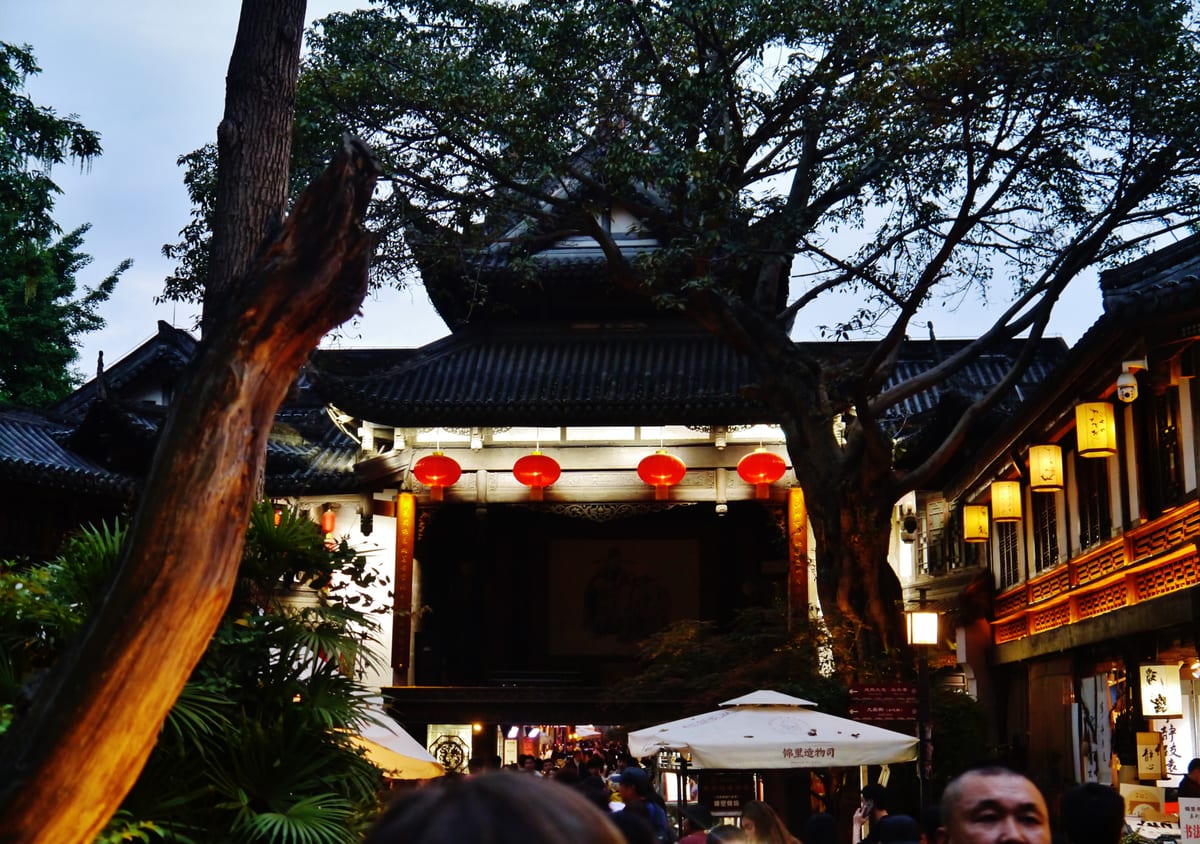
Jinli Ancient Street at dusk with red lanterns and traditional Sichuan architecture in Chengdu
Day trips by rail
The Leshan Giant Buddha, a 71-metre Tang-dynasty Buddha carved into a riverside cliff where three rivers meet, is the classic excursion. High-speed trains from Chengdu East (some from Chengdu South) reach Leshan in roughly 45 to 75 minutes, with dozens of departures a day, and a local bus covers the last stretch to the site in about half an hour. The other classic pairing is Dujiangyan, the irrigation system built more than two thousand years ago and still watering the Chengdu Plain, combined with the Taoist temples of Mount Qingcheng next door.
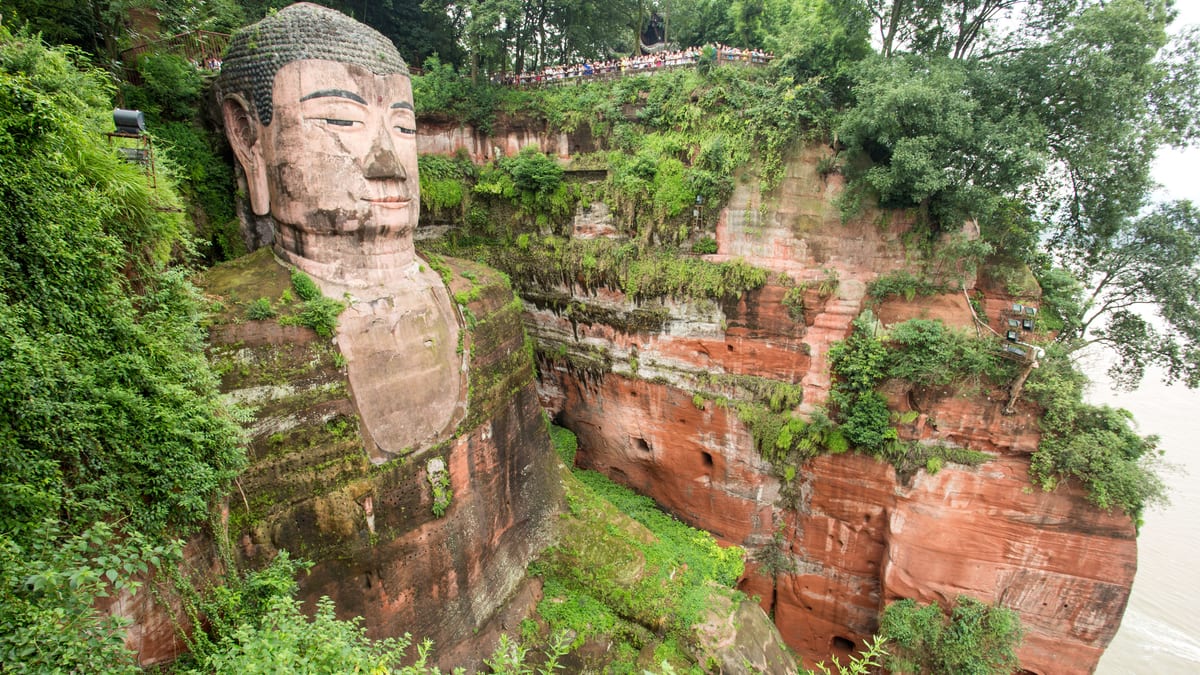
The Leshan Giant Buddha, a colossal stone Buddha carved into a red-sandstone cliff near Chengdu
Two airports, one rail hub
Chengdu has two airports, and which one you use changes your arrival. Tianfu International (TFU), well southeast of the city, now handles nearly all long-haul international flights; metro Line 18 runs express into town via Chengdu South Railway Station in around half an hour to forty minutes. Shuangliu International (CTU), much closer in on the southwest side, is now mostly domestic; metro Line 19 links the two airports if you need to connect between them. Both airports are designated entry ports for China's 240-hour visa-free transit scheme: as of mid-2026, eligible passport holders connecting onward to a third country can stay visa-free in Chengdu and ten more Sichuan cities, Leshan among them. Rules change, so confirm with the National Immigration Administration before building a trip around it.
By rail, Chengdu East is one of the busiest high-speed hubs in China, with direct trains to Chongqing, Xi'an, Shanghai and across the southwest, connected to the centre by metro Lines 2 and 7. Foreign passport holders can book on an English-language platform, and 12306's official English site sells the same seats with no service fee.
Trains & hotels for Chengdu
Chinese train tickets and city-centre hotels in one English-language booking
Some links are affiliate links; we may earn a commission at no extra cost to you.
When to come
Spring (March to May) and autumn (September to November) are the comfortable seasons, mild and good for both the city and the mountains around it. Summer is hot and humid, and pandas retreat indoors at midday, one more argument for early starts. Winter is damp, grey and rarely freezing, and the panda base stays open year-round. Avoid the early-October National Day holiday if you can: crowds and hotel rates both peak.
Highlights
- Chengdu Research Base of Giant Panda Breeding: giant and red pandas, advance-only digital tickets
- People's Park teahouses: mahjong, ear-cleaning and jasmine tea by the unhurried hour
- Kuanzhai Alley: three restored Qing-dynasty lanes, from busy snack street to quiet courtyards
- Wuhou Shrine and lantern-lit Jinli Ancient Street, the city's Three Kingdoms corner
- Sichuan food at the source: hotpot, mapo tofu, dan dan noodles and numbing mala
- Sichuan Opera face-changing (bian lian) shows in the evening
- Leshan Giant Buddha, 71 metres of Tang-dynasty carving, under 90 minutes away by rail
- 240-hour visa-free transit via both airports, with Leshan inside the permitted area
Travel Tips
Book the panda base before anything else
Tickets are digital-only and real-name, released about two weeks ahead, one per ID, with entry by passport scan. The ticket windows are closed, so don't count on buying on the day.
Go at opening, via Line 3 and bus 408
Pandas are liveliest in the cool morning and often nap out of sight by afternoon. Take metro Line 3 to Panda Avenue, leave by Exit A and ride shuttle bus 408 to the south gate.
Pace your spice
Order a yuanyang (half-and-half) hotpot broth or ask for 'bu la' (not spicy) if you're unsure. The numbing Sichuan-peppercorn tingle passes in minutes.
Do Leshan as a rail day trip
High-speed trains from Chengdu East reach Leshan in roughly 45 to 75 minutes, then a local bus covers the half-hour to the Giant Buddha. Dozens of departures daily make it an easy out-and-back.
Leave real teahouse time
An afternoon over jasmine tea in People's Park or Kuanzhai Alley is the point of Chengdu, not a gap in the itinerary. Budget unhurried hours, not a checklist.