Chengdu
Jinli Ancient Street
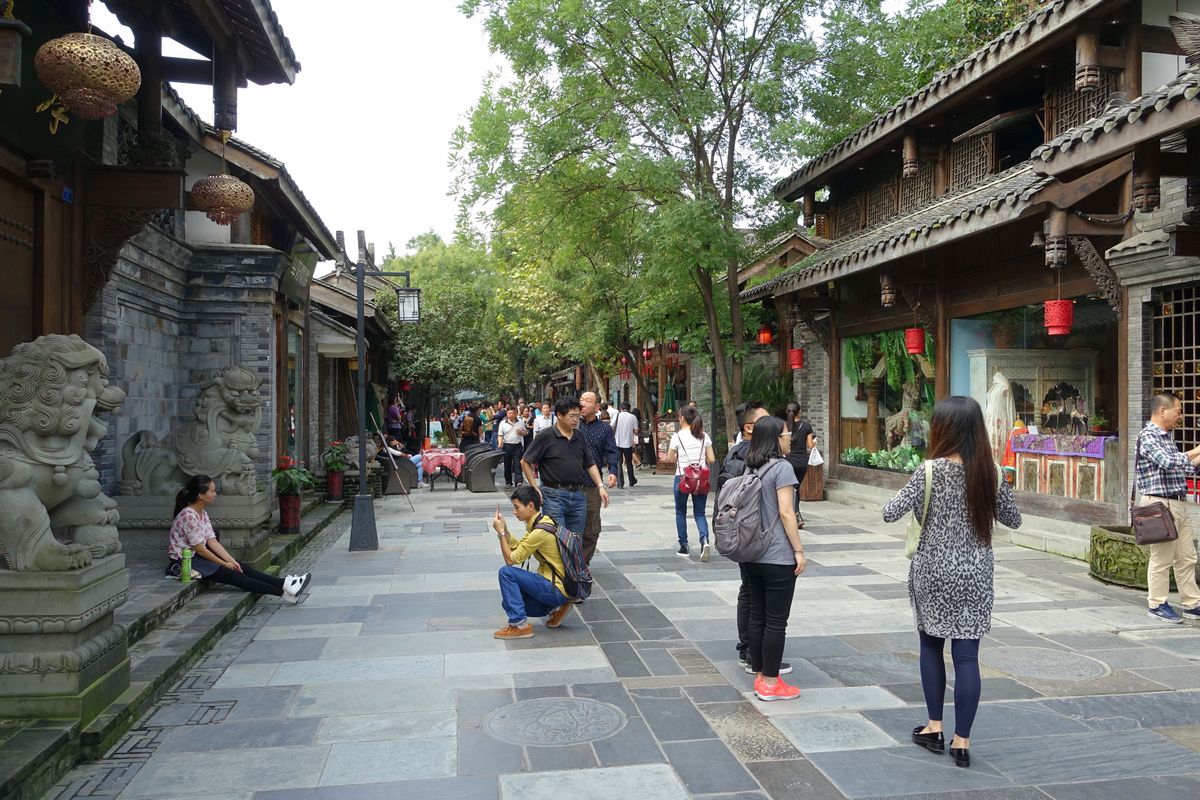
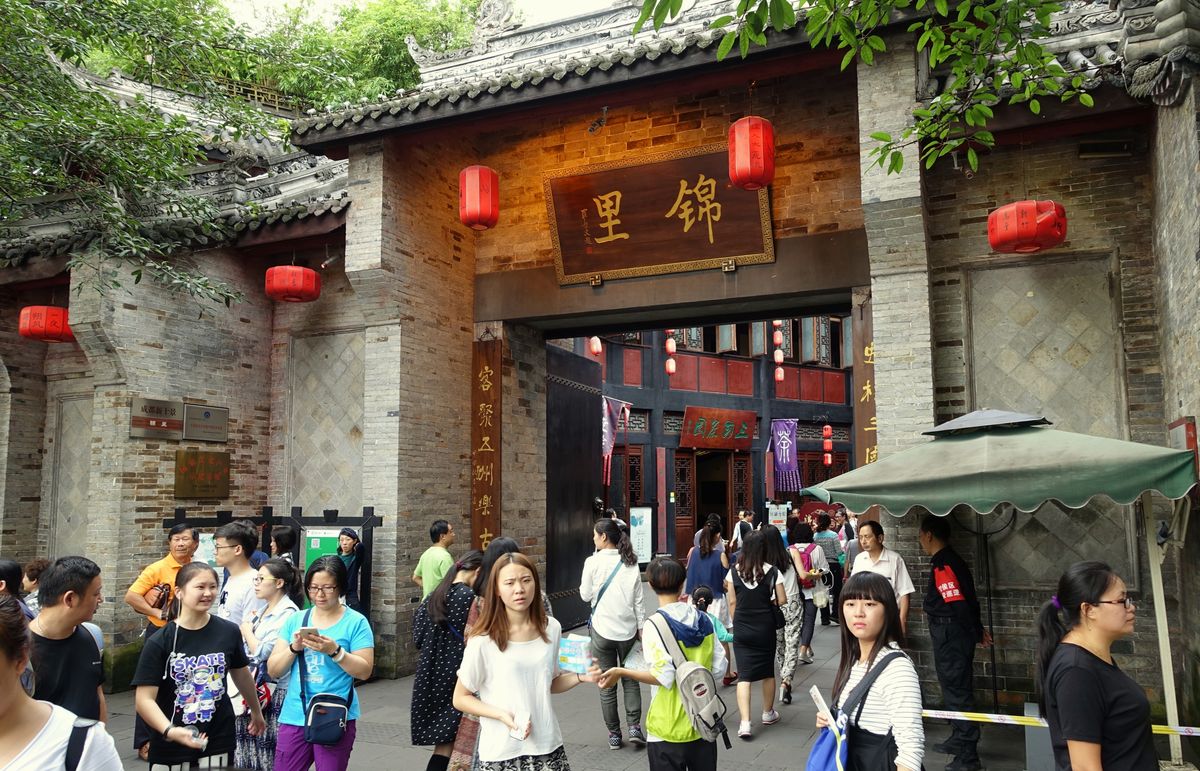
Jinli Ancient Street (Jinli) is Chengdu's busiest slice of old-town nostalgia: a narrow lane of grey-brick shopfronts, curved tiled roofs, and red lanterns strung end to end. It sits right against the Wuhou Shrine wall, rebuilt in Qing-dynasty style, and costs nothing to walk through, which makes it the easiest first taste of Sichuan street life for anyone short on time.
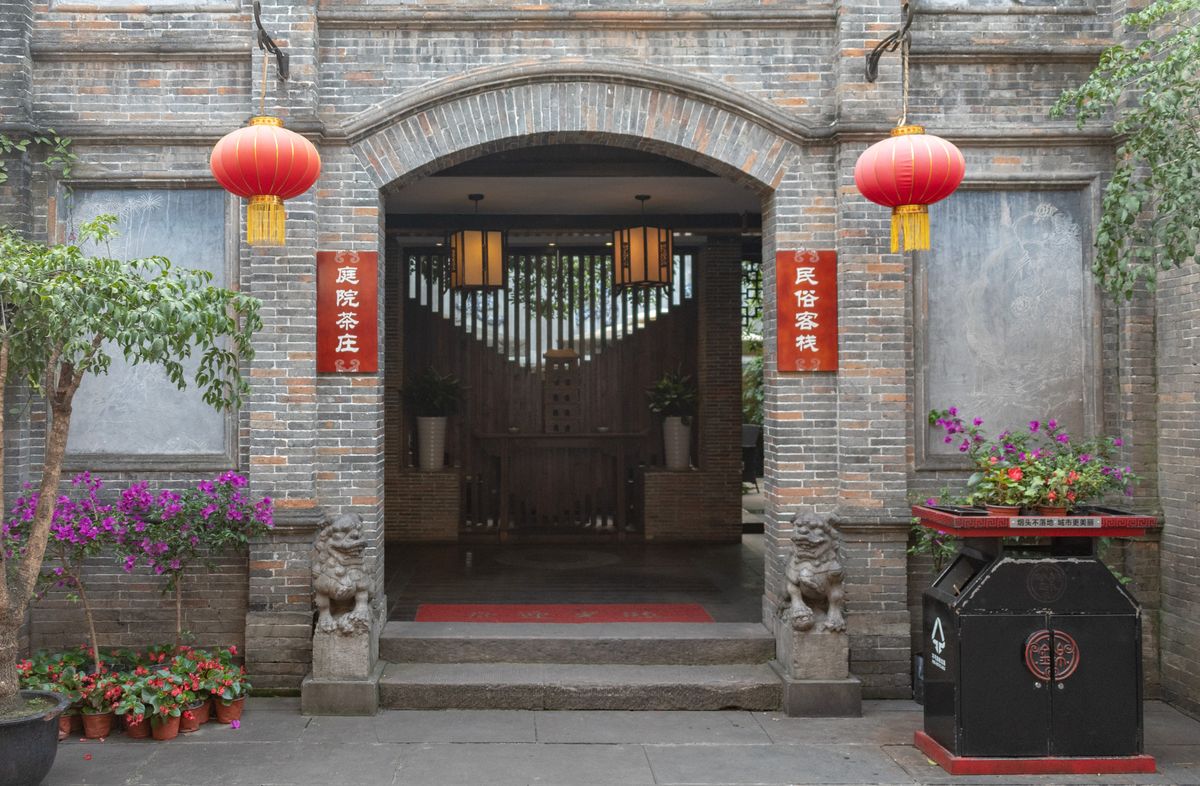
Red lanterns and grey-tiled shopfronts along Jinli Ancient Street, Chengdu
Food, Crafts and Street Performances
Jinli rewards a slow walk rather than a rushed one. Snack stalls, teahouses serving jasmine tea under the eaves, and small shops selling shadow puppets, Sichuan-opera face-changing masks, hand-pulled candy and silk line both sides of the lane.
- Try "three big cannons" (sticky rice balls tossed onto a tray), spicy beef noodle soup, and brown-sugar rice cakes.
- Small theatres along the lane run face-changing (bian lian) shows and tea ceremonies through the day.
- Near the Wuhou end there's a koi pond, stone bridges, and a Qing-style stage.
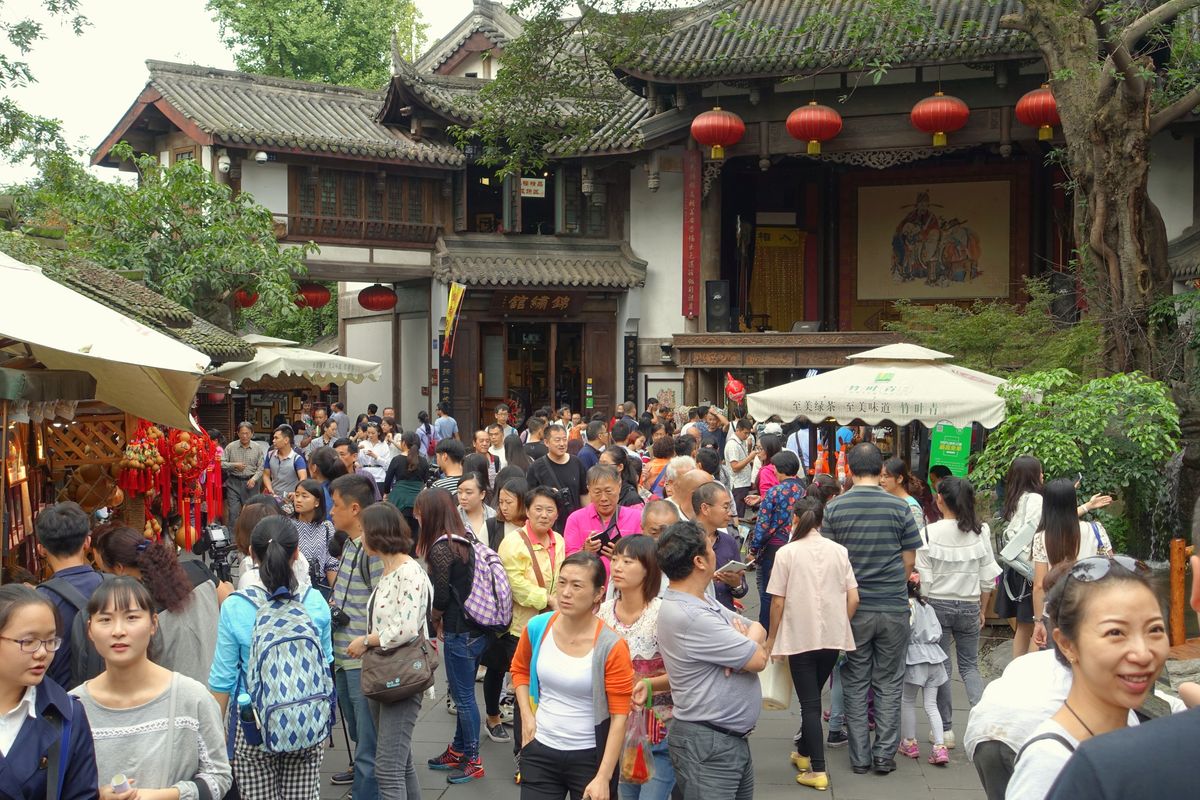
Crowds and food stalls in the Jinli pedestrian lane, Chengdu
Hours, Tickets and Getting In
The lane itself never closes and never charges admission. Shops, food stalls, and teahouses trade from mid-morning until around 22:00, with the lantern-lit evening hours drawing the biggest crowds. Wuhou Shrine next door does charge an entrance fee (Jinli does not), and many visitors do both in one trip, shrine first, then out into the free street. A combo ticket that bundles shrine entry with a Sichuan opera face-changing performance is sold at the shrine's own ticket counter if you want both. If you're visiting in peak season, booking Wuhou Shrine tickets ahead through Trip.com avoids the queue at the gate.
Getting There
The most direct route is Metro Line 10 to Wuhou Shrine station, exit A2, which puts you right at the street's entrance. Line 3 or Line 5 to Gaoshengqiao station works too, about a 10 to 12 minute walk south along Wuhouci Street. Jinli sits roughly 4 km southwest of Tianfu Square, so a taxi or ride-hail to "Jinli Ancient Street" is a fast option if you're coming from further out.
Best Time to Visit
Spring (March-May) and autumn (September-November) bring the most comfortable weather, though the street is pleasant year-round. Early evening, as dusk falls and the lanterns switch on one by one, is the best time in any season. Chinese New Year adds extra lantern displays, along with the year's biggest crowds.
Practical Tips
Eat in small portions across several stalls rather than filling up at one, since there's more worth trying than any single stomach can handle. Weekends and public holidays get packed shoulder to shoulder; arriving before 17:00 or after 20:00 makes for easier photos and shorter stall queues.
Highlights
- Free, lantern-lit Qing-style lane right beside Wuhou Shrine
- Dense run of Sichuan street snacks and small-bite stalls
- Traditional teahouses serving jasmine tea under tiled eaves
- Shadow puppets, face-changing masks and silk crafts for sale
- Best photographed after dusk, when the lanterns switch on
Travel Tips
Best photo window
Come at dusk, when the lanterns switch on but some daylight remains; the exact time shifts with the season.
Eat small
Buy single skewers or half portions so you can try more without filling up too fast.
Combine with Wuhou Shrine
Jinli adjoins the shrine; visit the paid shrine first, then walk straight out into the free street.
Fastest route
The Wuhou Shrine metro station (Line 10, exit A2) puts you right at the entrance, closer than Gaoshengqiao.