Chengdu
Wuhou Shrine (Temple of Marquis Wu)
Wuhou Shrine (Wuhou Ci) is China's most important Three Kingdoms heritage site and one of Chengdu's signature historical stops. Founded in the 6th century and rebuilt in its current form in 1672, it is the only temple in the country that jointly honours a ruler and his minister: emperor Liu Bei of Shu Han, and his chancellor and strategist Zhuge Liang (the "Marquis Wu" of the name).
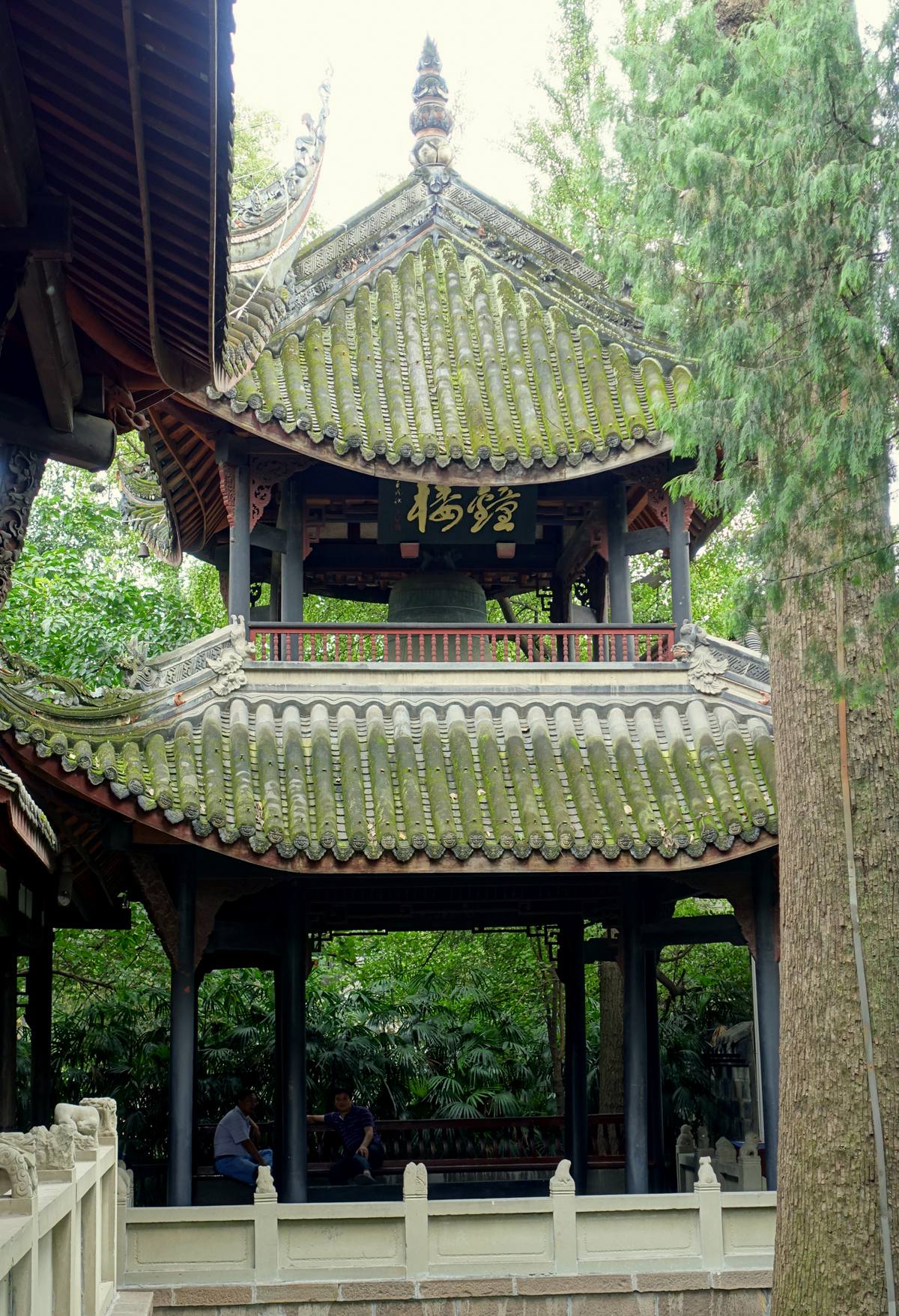
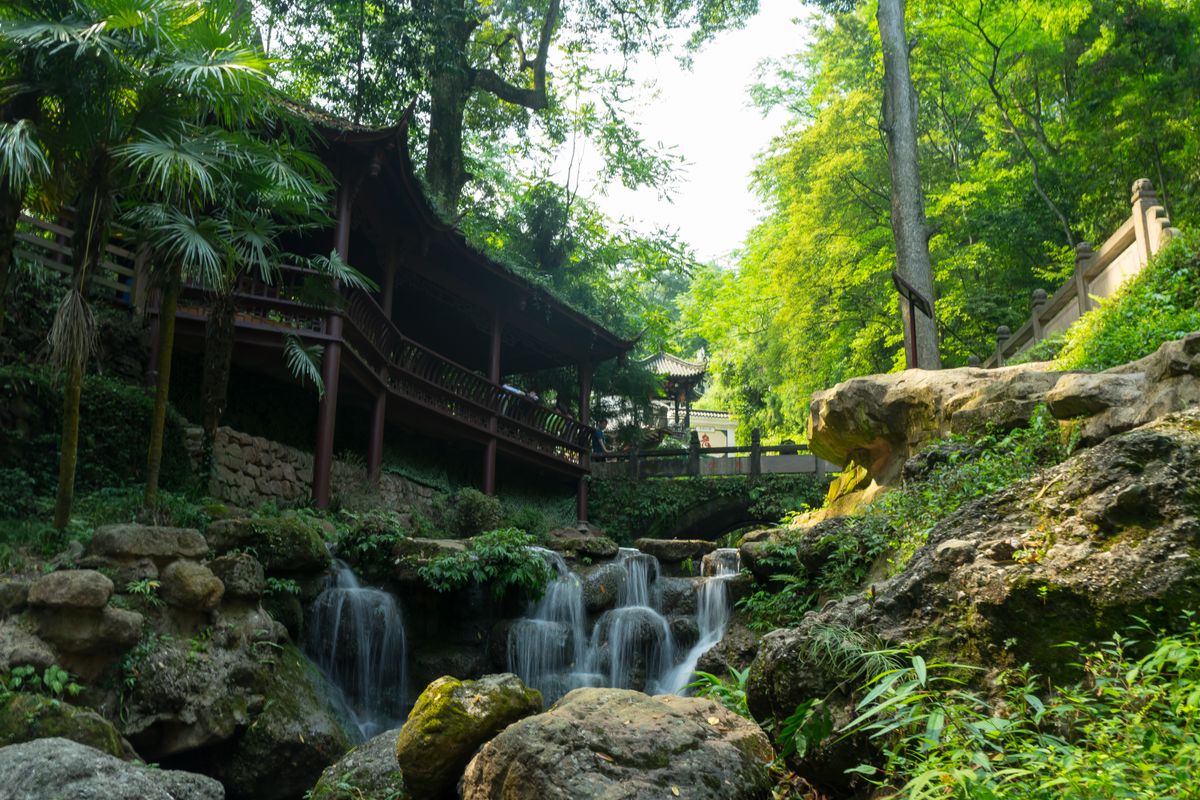
Classical pavilion and gardens inside the Wuhou Shrine, Chengdu
What to see
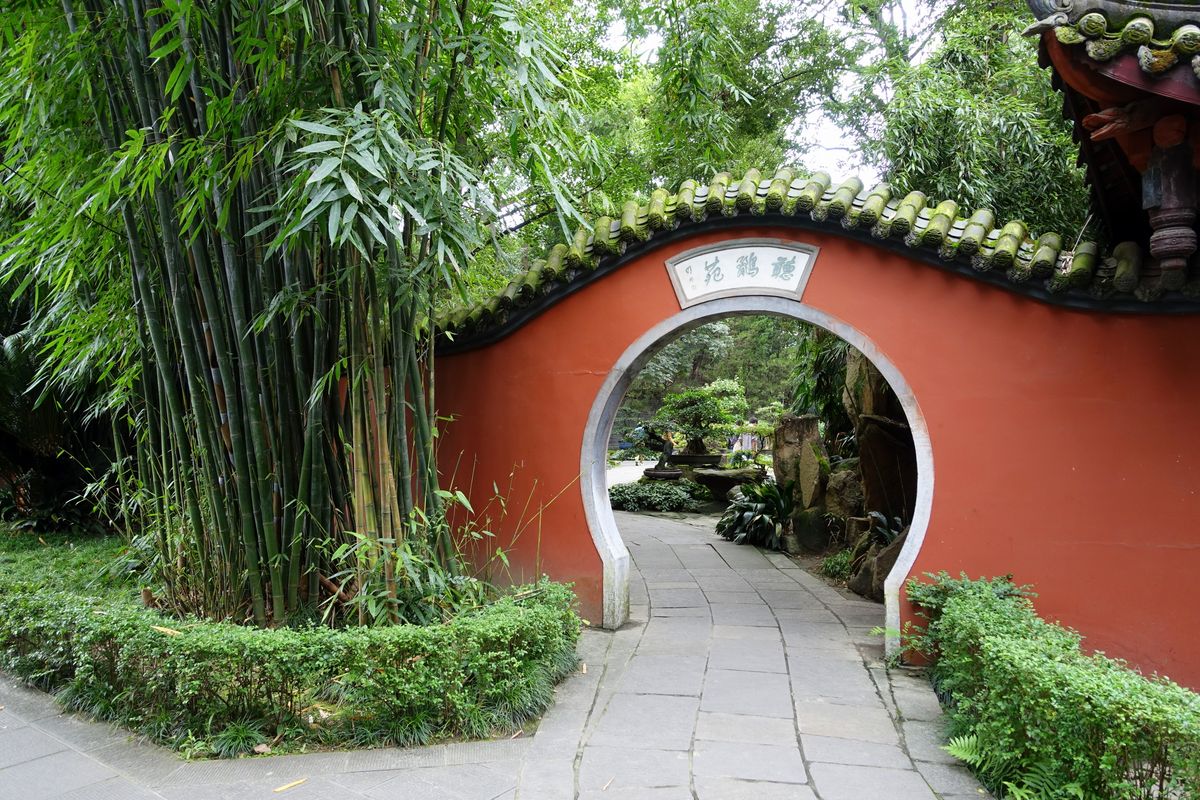
The complex pairs a solemn memorial temple with relaxed classical gardens. Walk the central axis past the halls of Liu Bei and Zhuge Liang, lined with painted statues of Three Kingdoms figures and stone tablets carved with Zhuge Liang's famous memorials to the throne. The signature image is the crimson wall framed by swaying bamboo on the path toward Liu Bei's tomb, one of the most photographed corridors in Chengdu.
- Liu Bei's tomb (Huiling), set in a quiet wooded mound.
- The centuries-old "Triple Stele" (calligraphy, text and carving all by different masters).
- Penjing (bonsai) gardens, ponds and the red-wall bamboo lane.
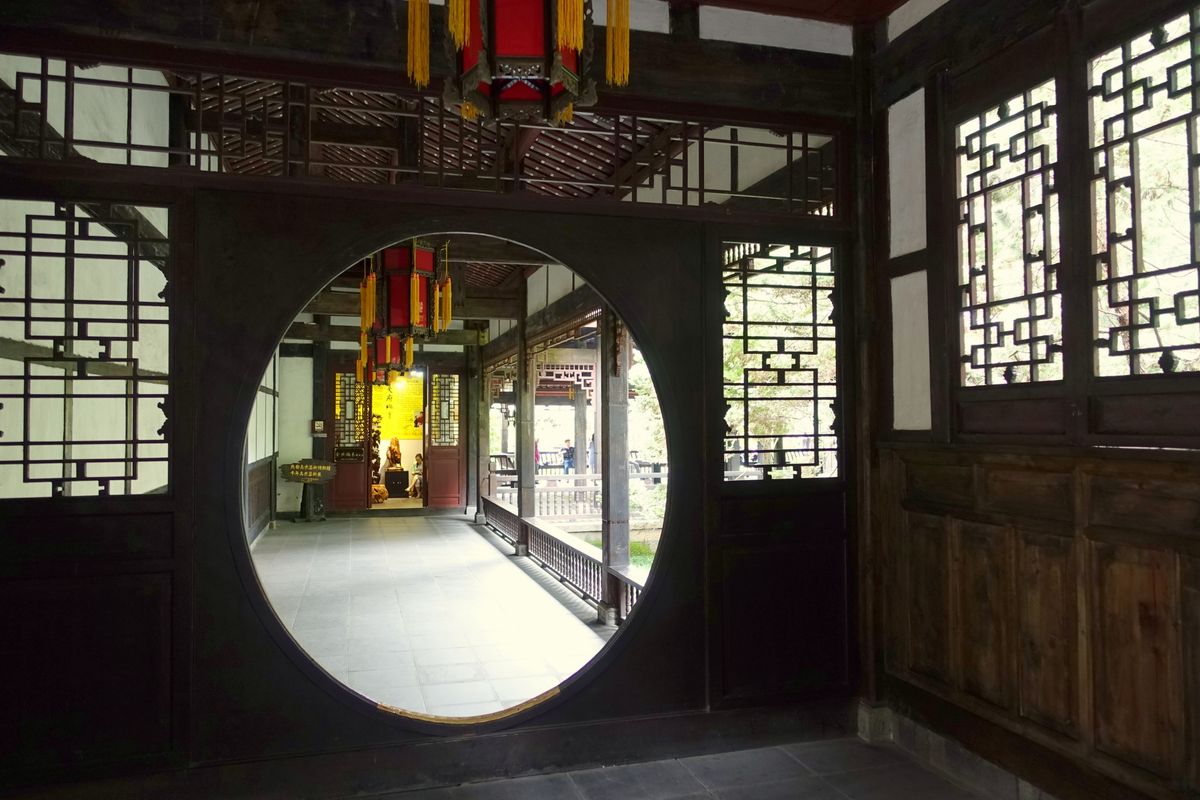
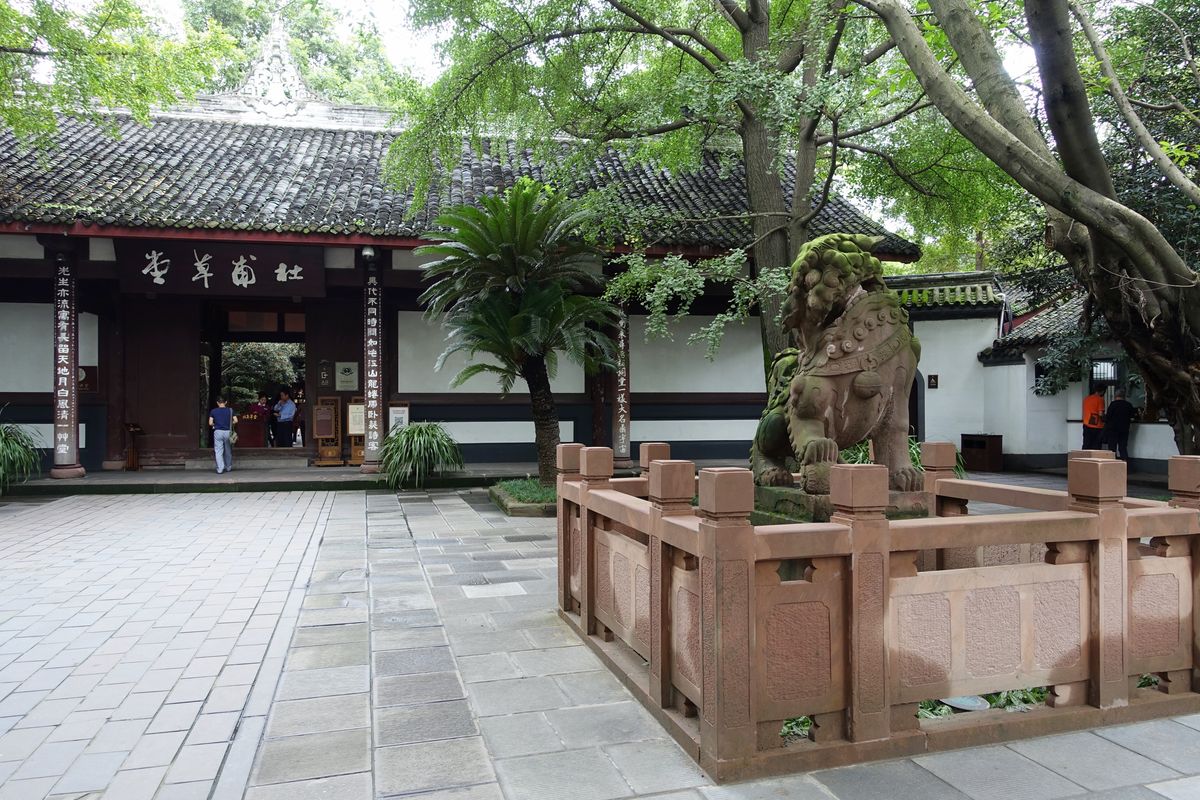
Pond pavilion and red walls in the gardens of Wuhou Shrine, Chengdu
Hours and tickets
Listed hours vary a little by source and season: expect roughly 08:00–09:00 opening and an early evening close that can run later in peak summer months, with ticket sales stopping about an hour before the gate shuts. Full admission is a modest fixed fee, with a discounted rate for students and visitors aged 6 to 18, and free entry generally extended to young children, visitors under about 1.3 m and seniors over 60. Booking through the shrine's official WeChat account or via Trip.com/Klook ahead of a holiday visit can shorten the queue at the gate.
Getting there
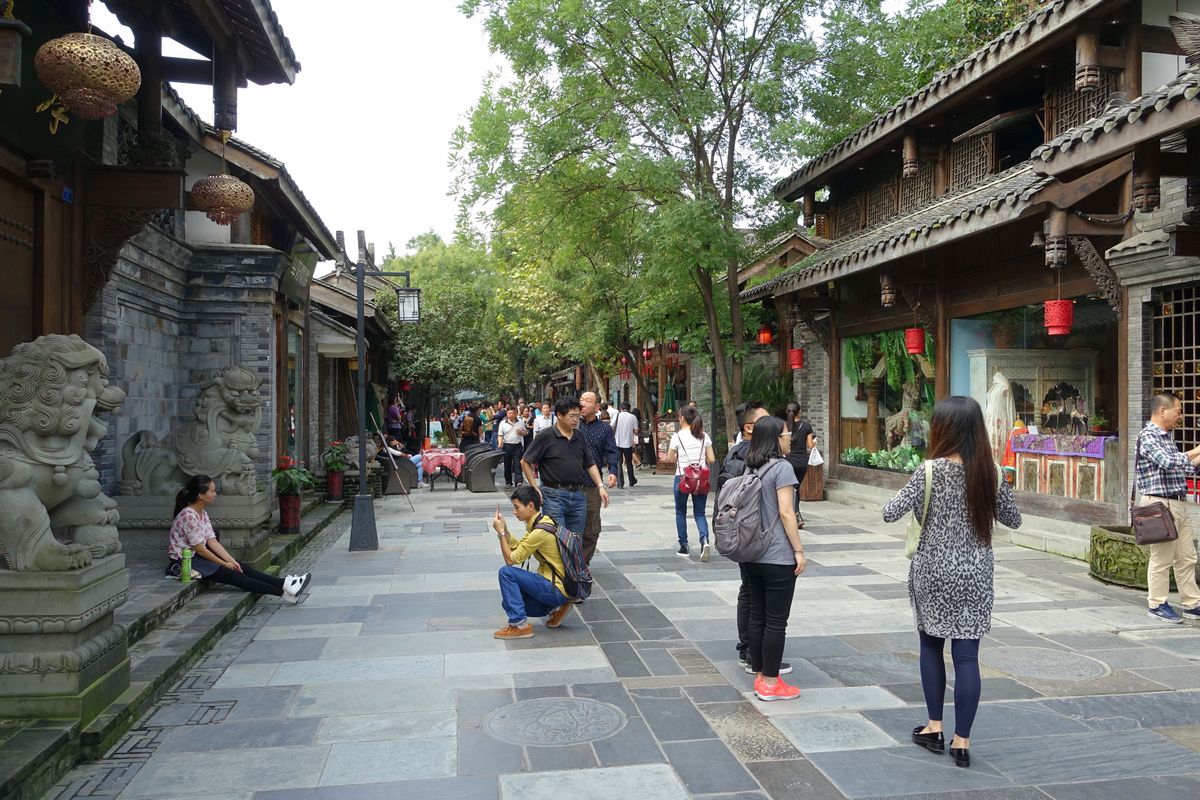
The shrine sits on Wuhouci Street in Wuhou District. Metro Lines 3 and 5 both stop at Gaoshengqiao, about a 10-minute walk from the gate, and several city buses (including routes 1 and 57) run directly to the site. It connects straight into the free Jinli Ancient Street next door, so plan both together.
Best season
Spring and autumn are the most comfortable, with the bamboo and gardens at their lushest and temperatures mild. The red wall photographs well in any season; early morning brings the softest light and the thinnest crowds.
Practical tips
Arrive near opening to shoot the red-wall bamboo path before tour groups fill it. Allow around two hours inside, and pair the visit with a lunch stop or evening stroll next door in Jinli.
Frequently asked questions (FAQ)
Is Wuhou Shrine worth visiting? Yes if you have any interest in the Three Kingdoms era; it's the country's most complete site honouring Liu Bei and Zhuge Liang together.
How do I get there by metro? Take Line 3 or Line 5 to Gaoshengqiao Station, then walk about 10 minutes.
Can I visit Jinli the same day? Yes, the free Jinli Ancient Street sits right next to the shrine's exit, making it an easy pairing.
Highlights
- China's foremost Three Kingdoms memorial, honouring Liu Bei and Zhuge Liang
- Iconic crimson wall framed by bamboo on the path to Liu Bei's tomb
- Painted statues of Three Kingdoms heroes and ancient stone steles
- Classical penjing gardens, ponds and pavilions
- Connects directly to the free Jinli Ancient Street
Travel Tips
Best photo spot
The red-wall bamboo corridor toward Liu Bei's tomb; shoot at opening before crowds arrive.
Book ahead on holidays
Reserve via the shrine's official WeChat account or Trip.com/Klook to skip the ticket queue.
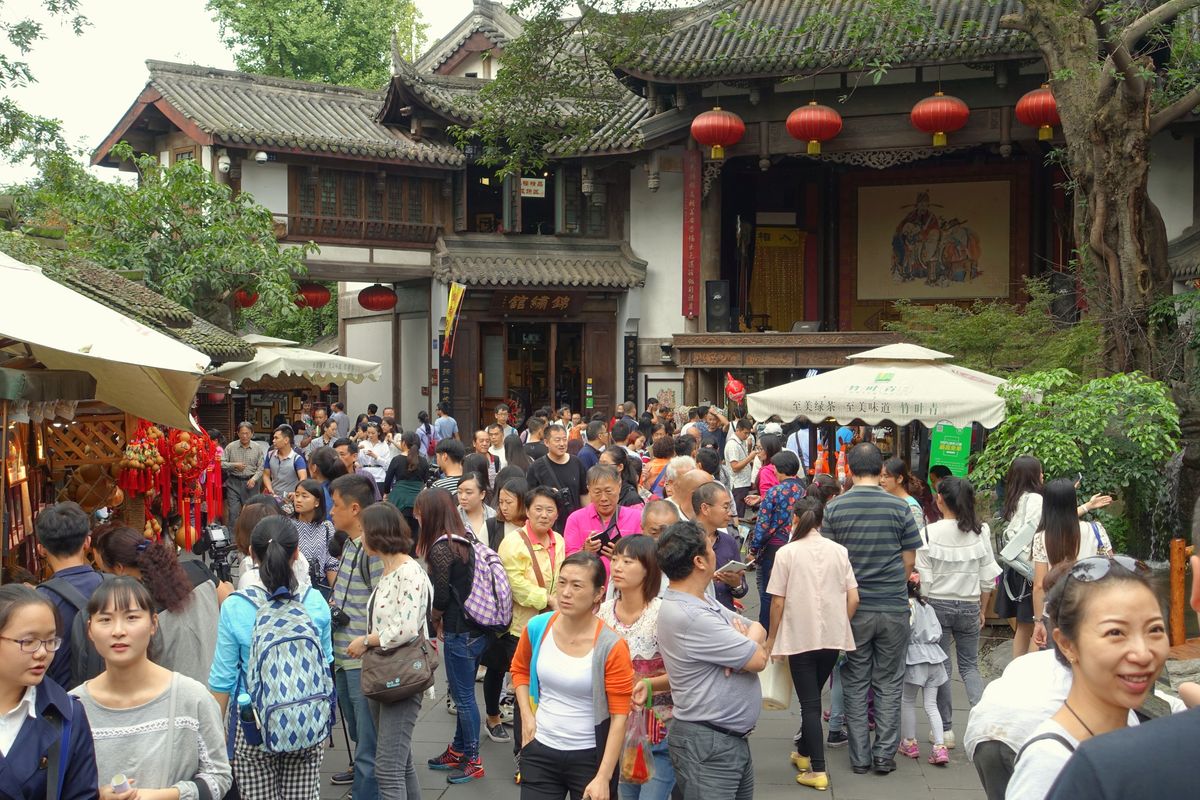
Pair with Jinli
Exit the shrine straight into Jinli Ancient Street for snacks and an evening walk.