Chengdu
Chengdu Research Base of Giant Panda Breeding
The Chengdu Research Base of Giant Panda Breeding sits among bamboo groves on Panda Avenue, about 10 km north of downtown Chengdu, and it's a working conservation and breeding center, not a zoo. It opened in 1987 with six pandas rescued from the wild; today it holds one of the largest captive panda populations anywhere and has been central to pulling the species back from the edge (the IUCN downgraded giant pandas from endangered to vulnerable in 2016, largely on the strength of programs like this one). Dozens of pandas of all ages live here in large, naturalistic enclosures, and a morning watching them is the highlight of plenty of China trips.
A giant panda relaxing among bamboo at the Chengdu panda base
Why visit
Wide, shaded walkways wind past enclosure after enclosure, where pandas climb, tumble, doze in trees and, most of all, work through piles of bamboo. In late summer and autumn you may spot tiny newborn cubs in the nursery, one of the park's most popular corners. The base's red pandas often wander closer to the paths than you'd expect too.
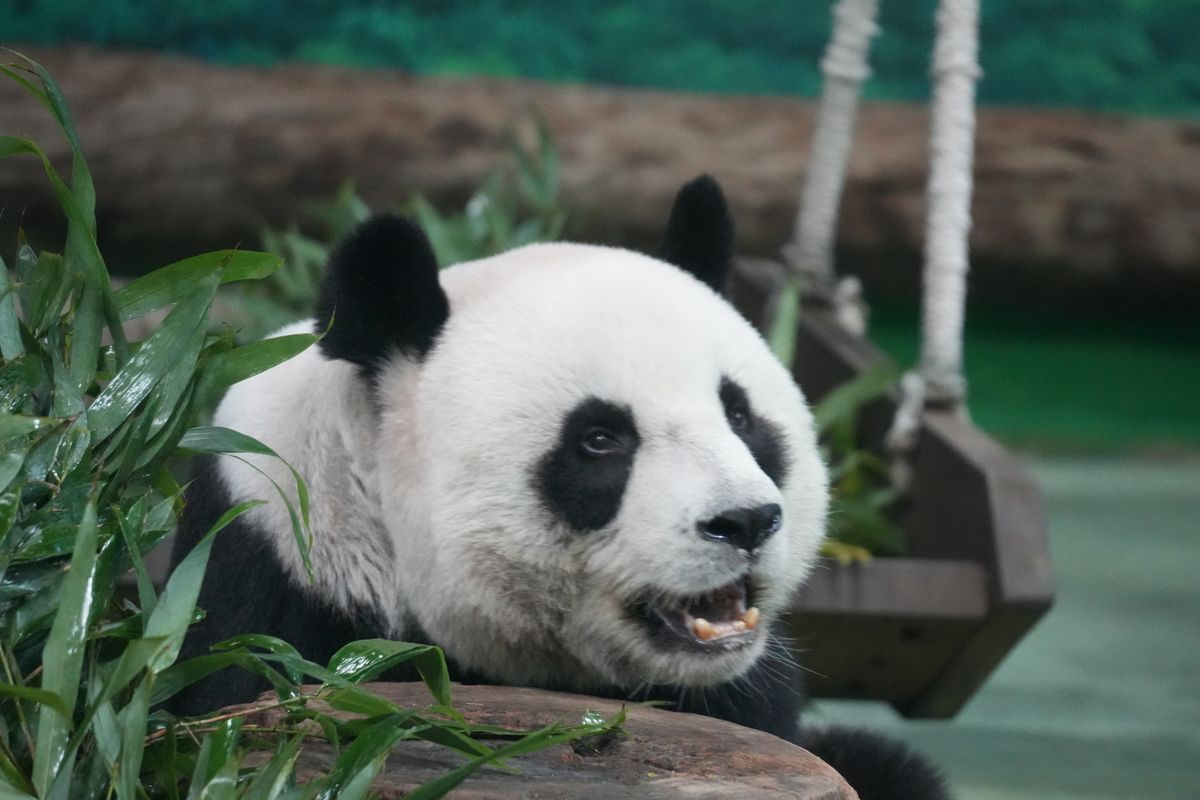
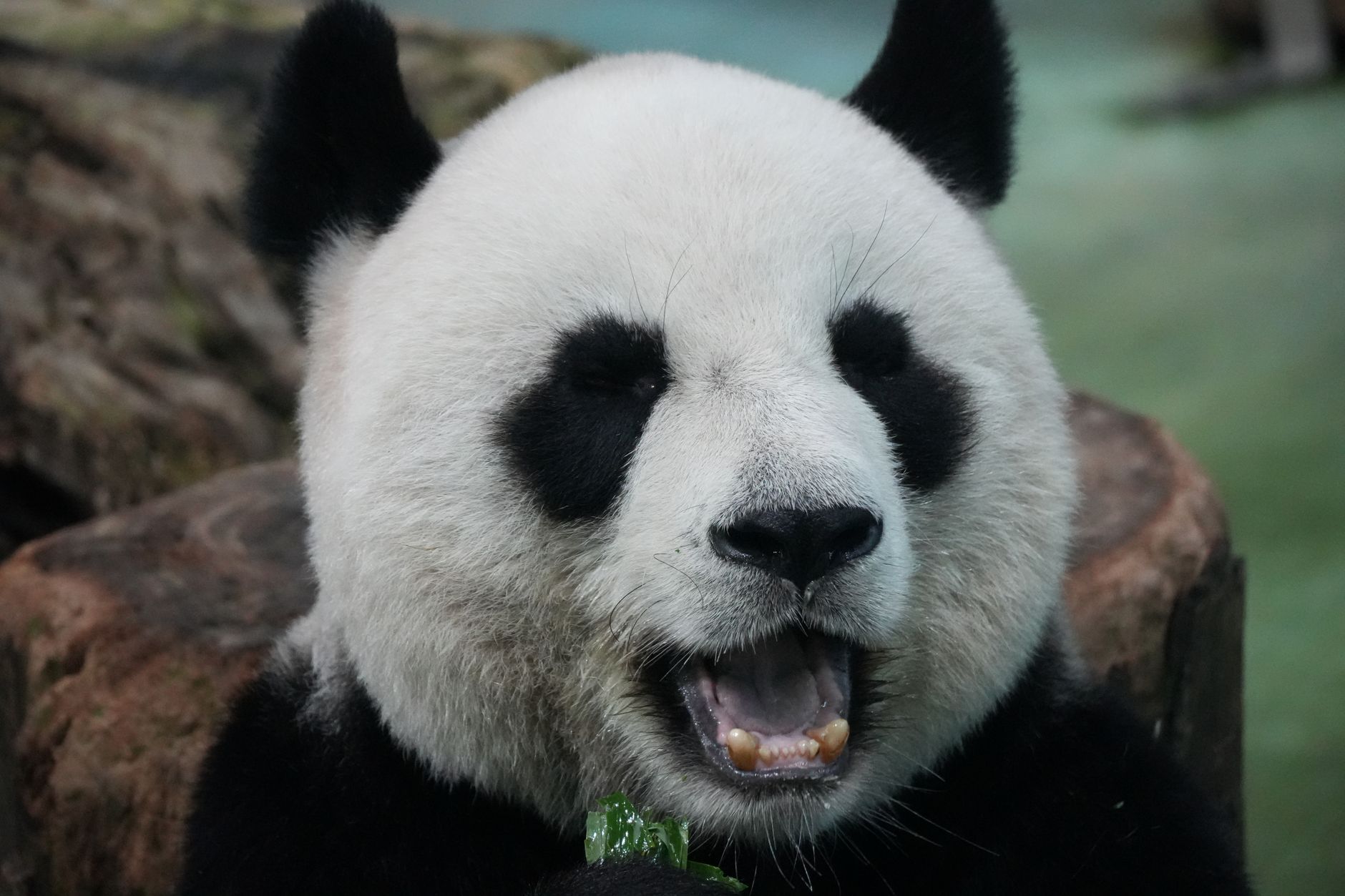
Close-up of a giant panda eating fresh bamboo
An adult giant panda spends 10 to 16 hours a day eating and gets through 12 to 38 kg of bamboo to fuel its bulk, so feeding time is when the pandas are at their most active and photogenic. The base's Giant Panda Museum covers the biology and the decades of breeding work behind that 2016 status downgrade, a rare conservation success story worth half an hour of your visit.
Making the most of your visit
Pandas are most active in the cool of the early morning, roughly between 8:30 and 11:00, when keepers put out fresh bamboo and the animals come out to feed. By midday, especially in Chengdu's warm months, most retreat indoors or fall asleep, so timing matters more here than at almost any other sight in China. Aim to arrive right at opening and head for the Sunshine Nursery and Moonlight Nursery areas first.
The park is large and gently hilly; an electric shuttle bus runs between the main viewing areas for a small extra fee, which saves a lot of walking. Allow at least half a day, longer if you want a relaxed pace.
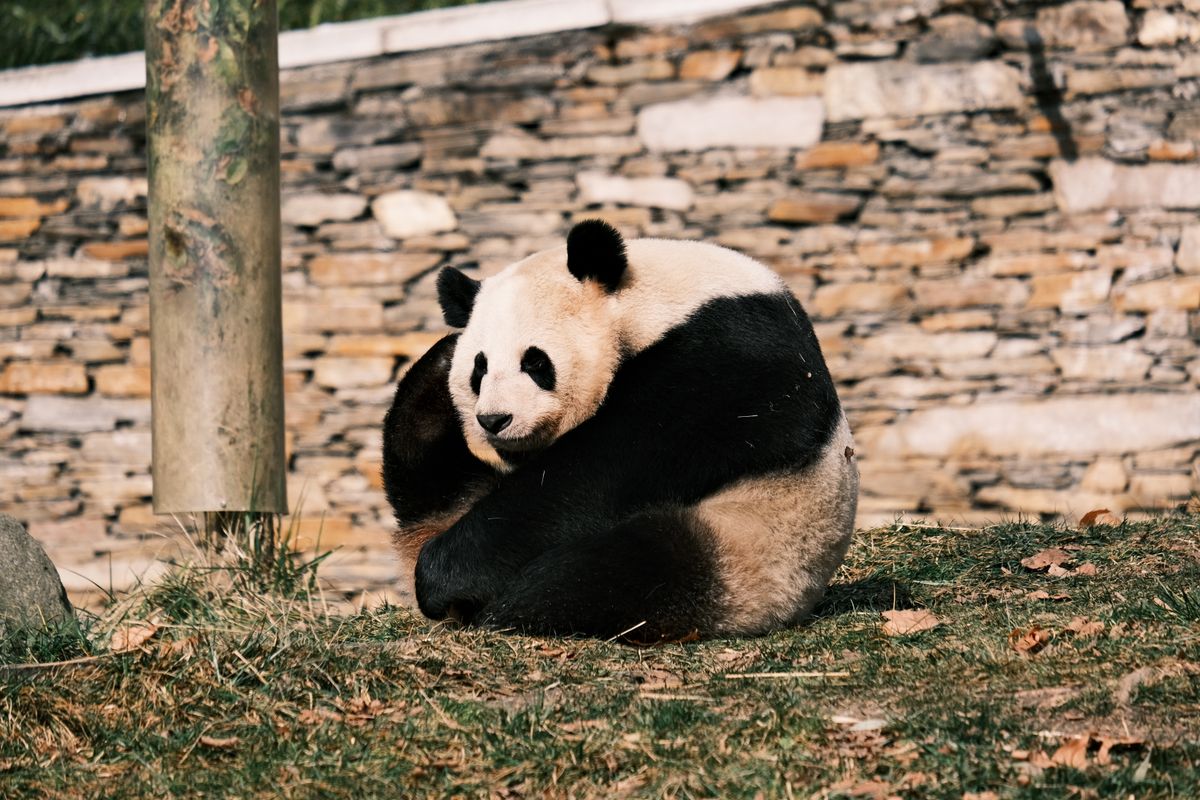
A giant panda sitting outdoors in a stone-walled enclosure at the base
Booking and tickets
Booking real-name tickets online is required for most visitors, and reservations open up to 14 days ahead through the base's official WeChat channels or through platforms such as Trip.com, which tends to be the simplest route for foreign visitors booking in English. Two groups are exempt from the online reservation itself: seniors aged 60 and over, and children under 6 or below 1.3m, who can enter directly with valid ID. Admission is a modest flat fee for most adults, with reduced or free entry for students, seniors, children, active-duty military, veterans, and people with disabilities, though the exact terms and required documents shift from year to year, so check the current categories before you go.
Getting there
Take Metro Line 3 to Panda Avenue Station (Xiongmao Dadao), exit A, then a short shuttle bus 408 ride to the base's South Gate; alternatively, get off at Junqu General Hospital Station and take shuttle bus 409 to the West Gate. Both connections take only a few minutes. A taxi or ride-hail from downtown runs roughly 30 to 40 minutes depending on traffic. The South Gate tends to draw the bigger crowds, so if queues are your main worry, the West Gate is usually the quicker way in.
Good to know
The base is a genuine research and conservation center, so visitors are kept a respectful distance from the animals: the old paid photo sessions where guests could hold a panda were discontinued years ago for the animals' health and safety. What you get instead is the chance to watch dozens of pandas behaving naturally in beautiful surroundings.
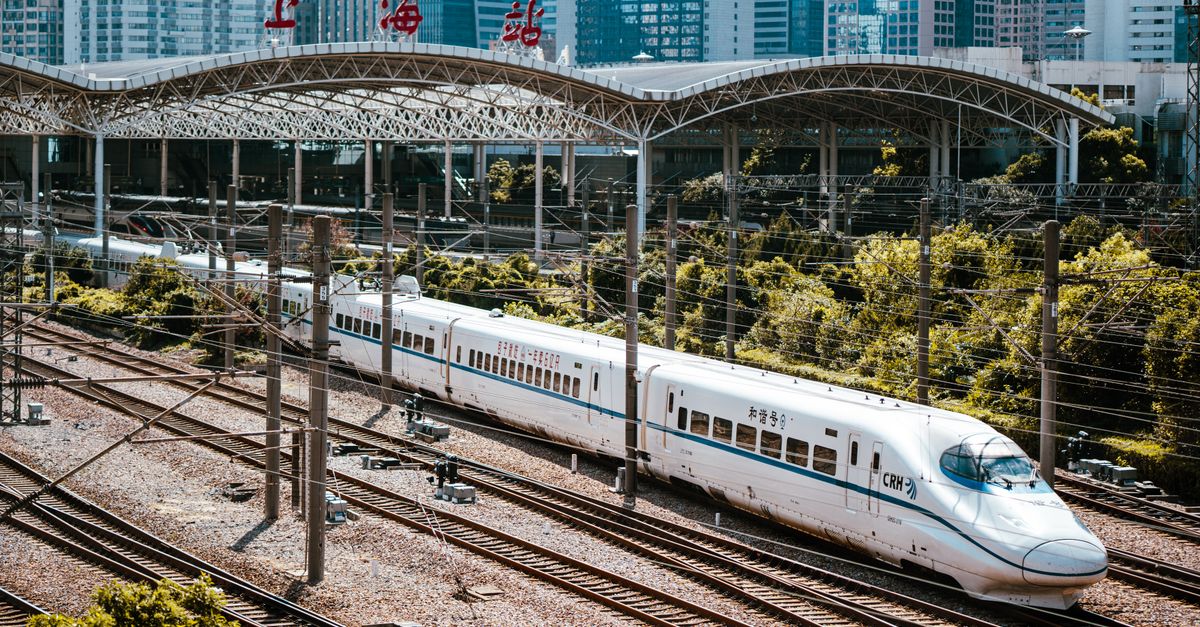
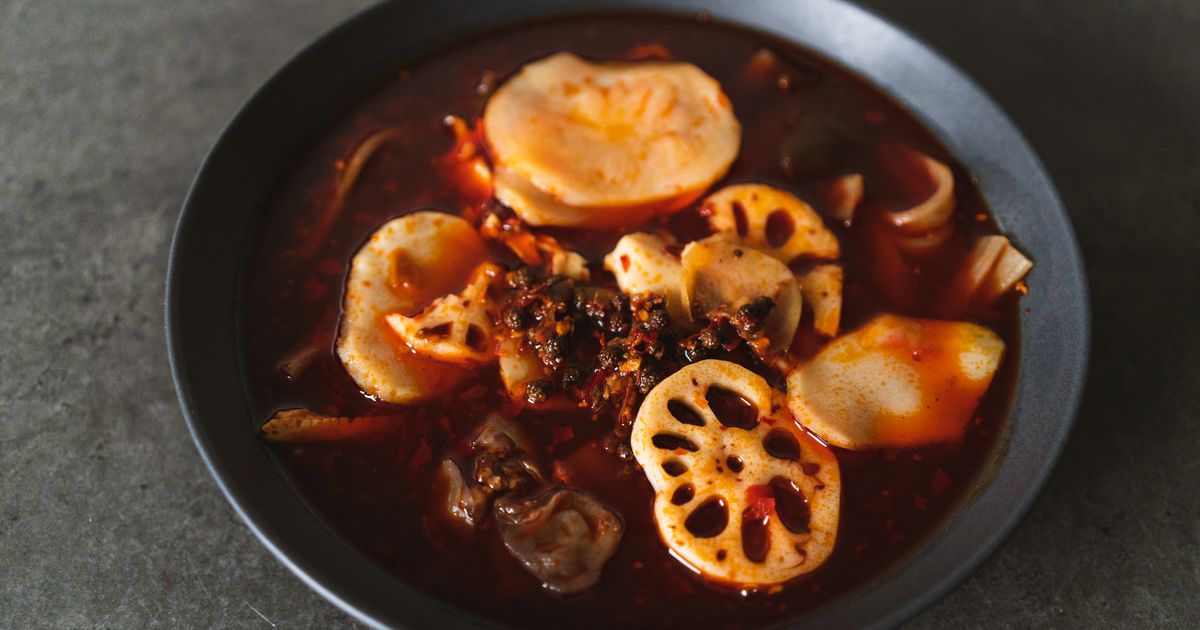
A visit pairs well with the rest of Chengdu: the teahouses of People's Park, a fiery Sichuan hotpot dinner, and an evening of Sichuan opera face-changing. It's also an easy add-on for anyone travelling China's high-speed rail network, with Chengdu well connected to Xi'an, Chongqing, and beyond.
Highlights
- Dozens of giant pandas of all ages in large, naturalistic bamboo enclosures
- A working conservation center behind the panda's 2016 downgrade from endangered to vulnerable
- Newborn cubs in the nursery in late summer and autumn
- Resident red pandas that often wander close to the paths
- About 10 km from downtown, reachable by Metro Line 3 plus a short shuttle
- Mandatory advance online booking, even for visitors who enter free
Travel Tips
Go early, it really matters
Pandas are fed and most active roughly 8:30 to 11:00am. By midday in warm months most nap indoors, so arrive at opening and see the nurseries first.
Most visitors must book, but not all
There's no ticket window at the gate for most people; reservations open online up to 14 days ahead. Seniors 60+ and children under 6 or 1.3m are exempt and can enter with valid ID instead.
Tickets aren't one price for everyone
Students, seniors, young children, military ID holders, and people with disabilities pay less or enter free; check the current categories and required documents when you book, since terms change.
Use the shuttle bus
The park is large and hilly. An electric shuttle runs between the main viewing areas for a small extra fee and saves a lot of walking.
Pick your gate
Metro Line 3 to Panda Avenue Station, then shuttle bus 408, reaches the busier South Gate. If you'd rather skip the longer queues, ride to Junqu General Hospital Station and take shuttle bus 409 to the West Gate instead.