China Itinerary: The Perfect 10 Days for First-Time Visitors (Beijing, Xi'an & Shanghai)
You board at Beijing South and settle into a window seat. The city's sprawl gives way to flat farmland, the train accelerates past 300 km/h, and three hours into the journey you are watching the Wei River valley open up ahead. By the time you step out at Xi'an North and smell the cumin from the street stalls, an entire dynasty has slid past the glass. That is what ten days on the Beijing–Xi'an–Shanghai route feels like: unhurried, connected, and surprisingly manageable for a first trip.
Quick answer: Ten days on the classic Beijing–Xi'an–Shanghai route is the ideal first-time China trip: four days for Beijing and the Great Wall, two for Xi'an and the Terracotta Army, and three for Shanghai, plus a departure day, all linked by high-speed rail. Book the big sights and your G-trains in advance with the passport tied to each ticket.
Book Trains & Hotels – Trip.com
Check schedules & reserve seats
Some links are affiliate links; we may earn a commission at no extra cost to you.
Why the Beijing–Xi'an–Shanghai route?
These three cities are China's "golden triangle" for newcomers. Beijing is the political and historical heart: the Great Wall, the Forbidden City and centuries of dynastic grandeur. Xi'an was the start of the Silk Road and home to the Terracotta Army, the single most astonishing archaeological site in the country. Shanghai is China's future-facing megacity, all neon towers, riverside promenades and effortless cosmopolitan energy. Together they tell the story of China from past to present, and all three are connected by high-speed trains that turn long distances into a few comfortable hours.
At a glance: your 10-day plan
- Days 1–4: Beijing
- Day 5: Morning train to Xi'an (about 4.5–6 hours, fastest services under 4.5 hours)
- Days 5–6: Xi'an
- Day 7: Train to Shanghai (about 6–7 hours)
- Days 7–9: Shanghai
- Day 10: Departure
Days 1–4: Beijing: emperors, hutongs and the Great Wall
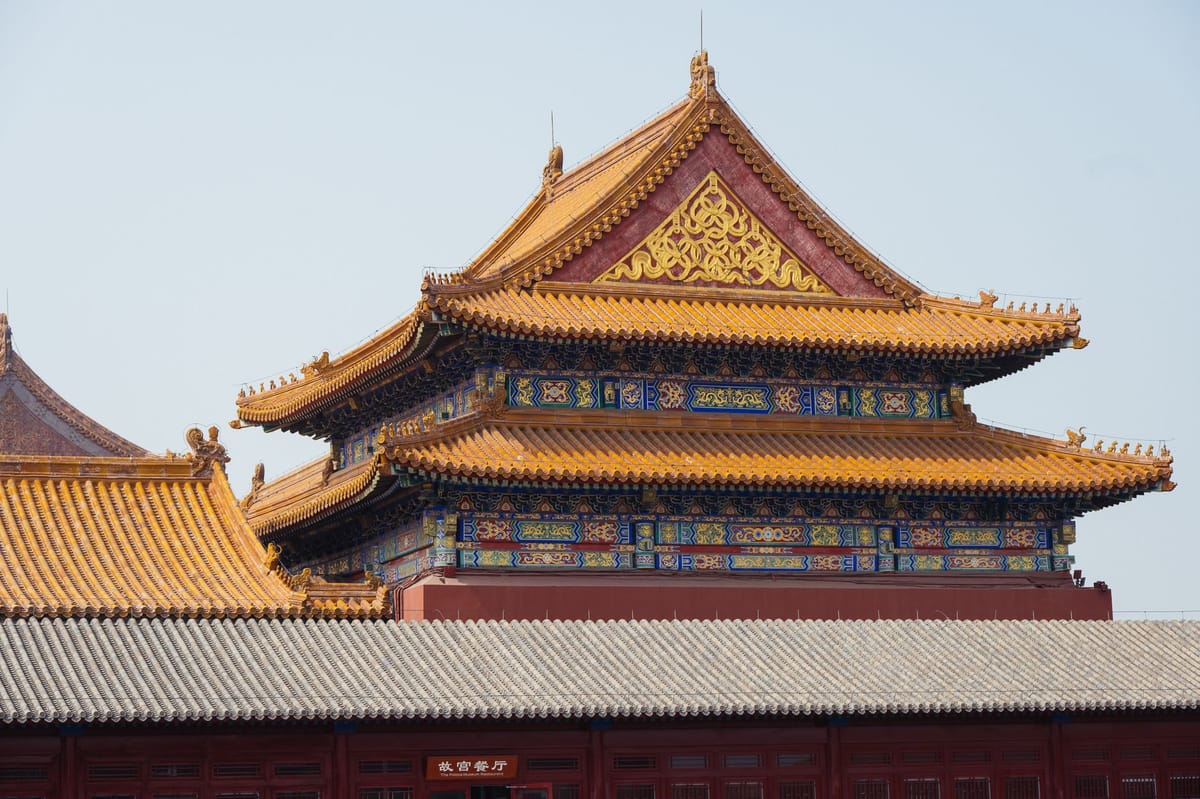
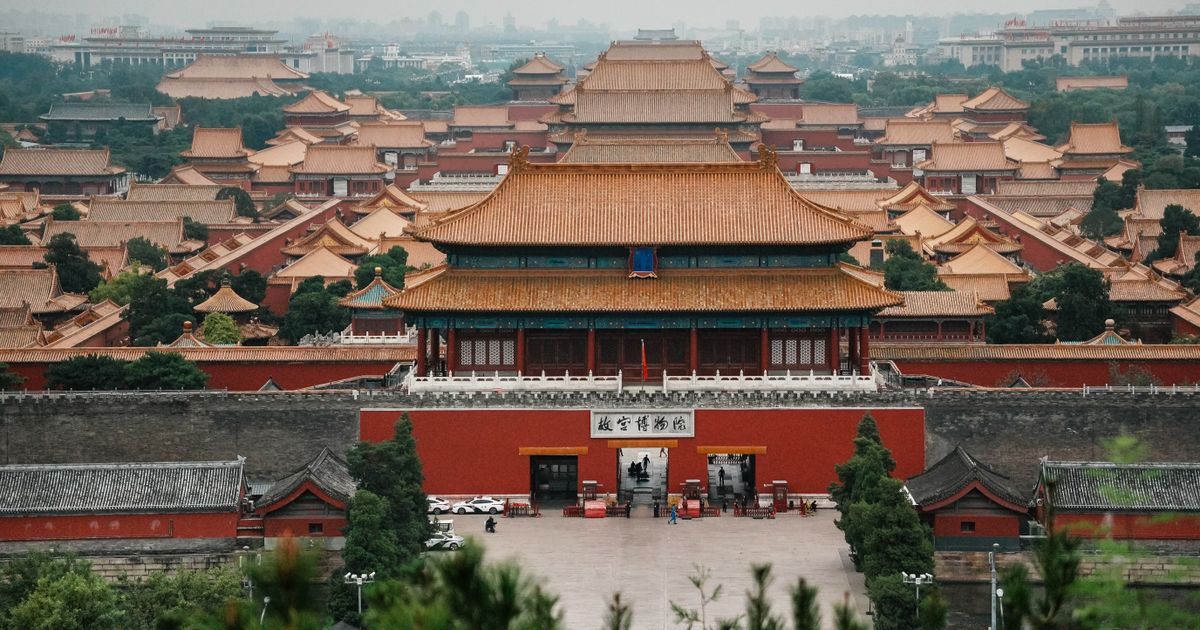
Golden tiled rooftops and ornate eaves of the Forbidden City in Beijing
Give the capital a full four days; there is simply too much to rush. Spend your first day recovering from the flight with a gentle wander around Tiananmen Square and the Forbidden City, the largest imperial palace complex on earth. Book the timed entry ticket in advance (passport required), as it sells out daily. On day two, head out to the Great Wall; the restored sections at Mutianyu and Badaling are the most accessible, while Jinshanling rewards those who want fewer crowds and a longer hike. Mutianyu's toboggan run (a 1,580-metre stainless-steel track down through the forest) remains one of the most memorable ways to descend.
Reserve a day for the Temple of Heaven and the Summer Palace, then lose an afternoon wandering the hutongs, the grey-brick alleyways around Nanluoguxiang and the Drum Tower that show how old Beijing actually lived. Evenings are for street food at Wangfujing or a bowl of hand-pulled noodles in a neighbourhood diner. Beijing's subway is cheap, clean and signed in English, making it the easiest way to move around.
Days 5–6: Xi'an: the Terracotta Army and the old city wall
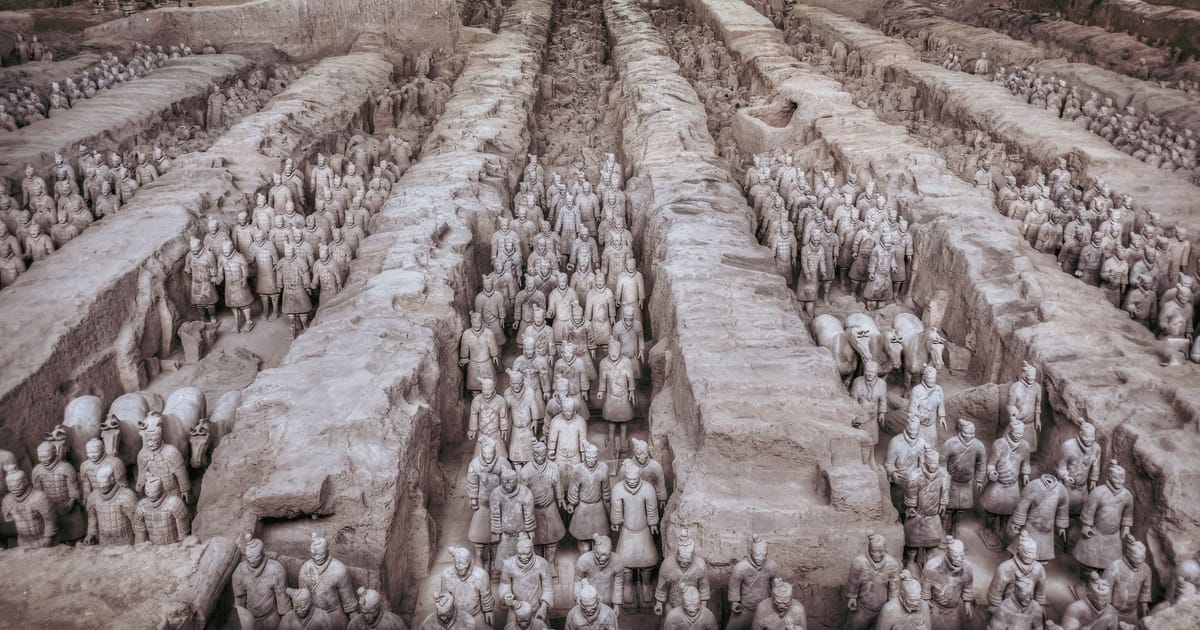
Rows of life-sized warriors standing in the excavation pits of the Terracotta Army in Xi'an
Catch a morning high-speed train and you will be in Xi'an by early afternoon. The unmissable sight is the Terracotta Army, an estimated 8,000 life-sized soldiers, horses and chariots buried to guard China's first emperor for over two millennia. Standing before Pit 1, with its endless ranks of individually sculpted faces, is the highlight of many people's entire trip. Go early or late to dodge the tour-group crush.
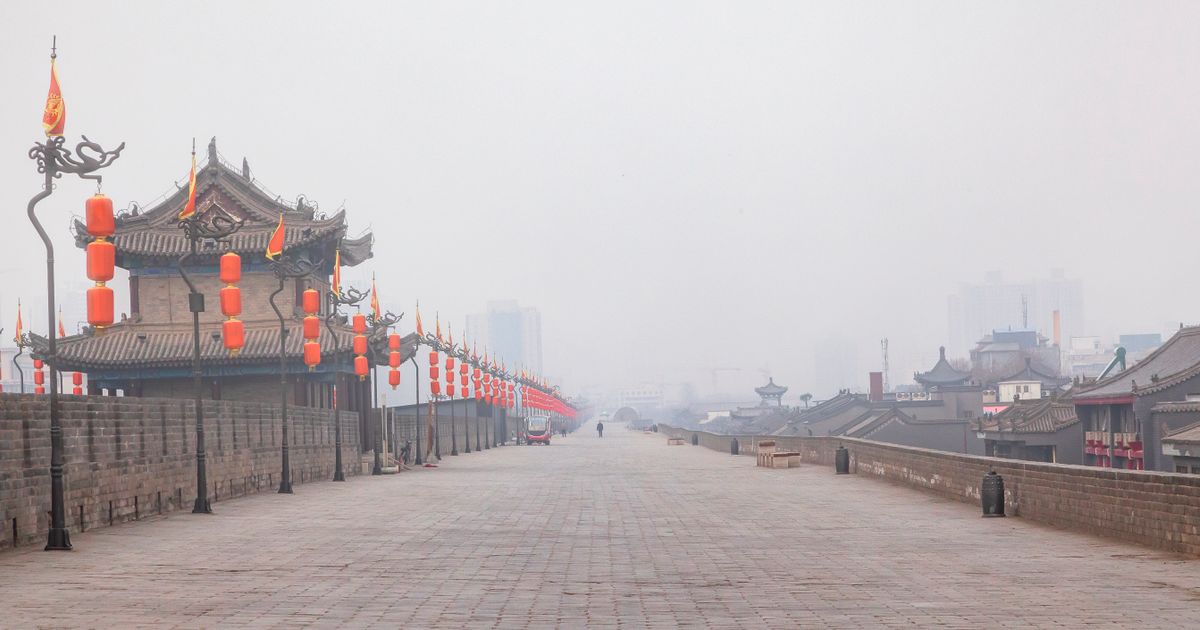
Back in town, rent a bike and ride the full 14-kilometre Ming-dynasty city wall, one of the best-preserved in China. In the evening, the Muslim Quarter comes alive with sizzling lamb skewers, hand-pulled biangbiang noodles and roujiamo, often called the Chinese hamburger. Two nights is enough to see the headline sights without feeling rushed.
Days 7–9: Shanghai: skyline, water towns and modern China
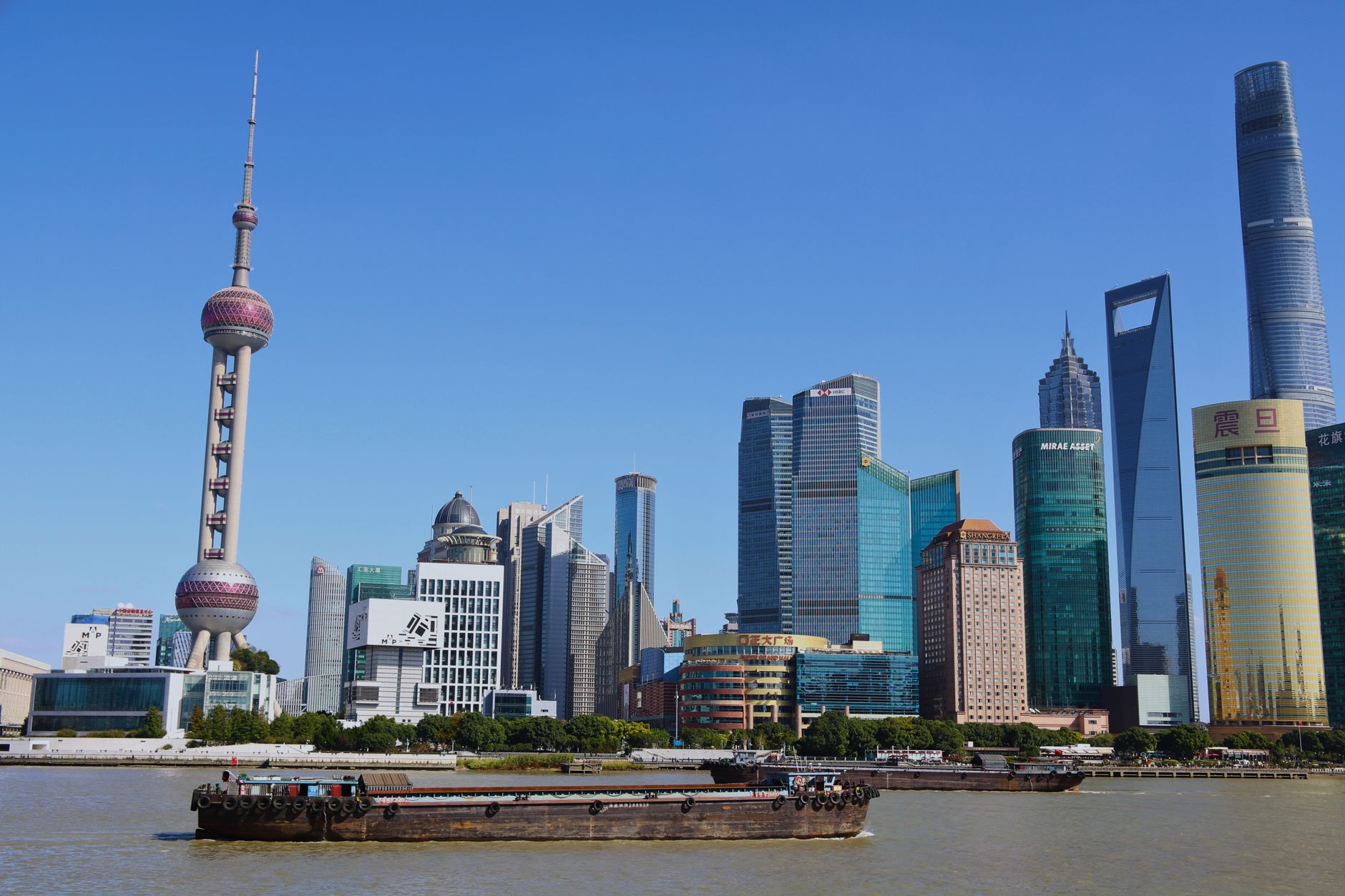
Shanghai's Pudong skyline with the Oriental Pearl Tower and Shanghai Tower seen across the Huangpu River
A second high-speed train whisks you east to Shanghai. Spend your first evening on the Bund, the riverside promenade where 1920s European facades face off against the futuristic towers of Pudong across the water. The view after dark is one of Asia's great cityscapes. By day, explore the French Concession's leafy streets and boutiques, the classical Yu Garden, and the contemporary galleries of the West Bund.
If you have an extra afternoon, take a short trip to a water town such as Zhujiajiao, where canals, stone bridges and tea houses offer a calmer counterpoint to the city. Shanghai is also China's best food city for variety, from soup dumplings (xiaolongbao) to high-end international dining. Three nights lets you balance sightseeing with the relaxed café-and-river pace the city does so well.
Day 10: Departure
Use your final morning for last-minute shopping or a riverside coffee before heading to Pudong or Hongqiao airport. Allow plenty of time: Shanghai's airports are busy, and the Maglev train from Longyang Road to Pudong is a fun, 8-minute, 300 km/h way to finish the trip.
Getting around: high-speed trains
The backbone of this itinerary is China's high-speed rail (look for G- and D- prefixed trains). They are punctual, comfortable and far more scenic than flying. Book a few days ahead, bring your passport (it is both your ID and your ticket), and arrive 40–60 minutes early to clear station security and ticket checks. Fastest Beijing to Xi'an services take under 4.5 hours; Xi'an to Shanghai typically runs 6–7 hours.
Some links are affiliate links; we may earn a commission at no extra cost to you.
Before you go: visa, payments and apps
Check your visa situation early. Many nationalities now qualify for visa-free entry or visa-free transit, but the rules depend on your passport and route, so confirm before you book. For money, set up Alipay or WeChat Pay and link an international card; mobile payment is accepted almost everywhere, and cash is increasingly rare. Finally, sort out internet access with an eSIM and consider a VPN, since some familiar apps and websites are blocked inside the country. A translation app and an offline map will make every day smoother.
Best time to visit
The sweet spots are spring (April–May) and autumn (September–October), when the weather is mild and the skies are clearer. Summer is hot, humid and busy; winter is cold in the north but quieter and cheaper. Avoid the national holiday weeks around early October and Chinese New Year, when domestic travel peaks and tickets sell out fast.
Ten days, three cities, and a thread running from ancient walls to neon skylines. For a first trip to China, this route delivers more history, contrast and forward momentum than anything else on the map.
Frequently Asked Questions
Is 10 days enough for a first trip to China? Ten days is ideal for a first visit if you focus on one well-connected route rather than trying to see the whole country. The Beijing–Xi'an–Shanghai triangle in this itinerary gives you imperial history, the Terracotta Army and a modern megacity without ever feeling rushed. China is vast, so resist the urge to add more cities; depth beats distance on a first trip.
Why visit Beijing, Xi'an and Shanghai for a first trip? These three cities are China's "golden triangle" for newcomers and together tell the story of the country from past to present. Beijing offers the Great Wall and the Forbidden City, Xi'an has the Terracotta Army and the start of the Silk Road, and Shanghai delivers a glittering modern skyline. Fast trains link them in just a few comfortable hours each.
Do I need a visa for China for a 10-day trip? It depends on your passport and route. Many nationalities now qualify for visa-free entry or visa-free transit, but the exact rules change and depend on your itinerary, so confirm your situation before you book. Check official sources early, as this can affect how you plan your arrival and departure cities.
How do I book China's high-speed trains? Book a few days ahead through the official 12306 platform or a trusted agent, since popular routes can sell out. Bring your passport, which serves as both your ID and your ticket, and arrive 40–60 minutes early to clear station security and ticket checks. Look for G- and D-prefixed trains, which are the fast, comfortable services used throughout this itinerary.
When is the best time to visit China? Spring (April–May) and autumn (September–October) are the sweet spots, with mild weather and clearer skies. Summer is hot, humid and crowded, while winter is cold in the north but quieter and cheaper. Avoid the national holiday week around early October and Chinese New Year, when domestic travel peaks and train tickets sell out fast.
Common mistakes
- Cramming in extra cities: ten days is paced for three, and adding more turns a relaxed trip into a marathon.
- Not booking the Forbidden City, Great Wall and Terracotta Army timed tickets ahead, all of which sell out and need your passport.
- Leaving the inter-city G-trains until late, when the fastest daytime services on these corridors fill up.
- Skipping Alipay/WeChat setup before arrival, then struggling to pay or ride the metro.
Who this is for
- A great fit for first-time visitors who want a complete, unrushed loop of China's headline cities, history and food, linked by fast trains.
- Less ideal if you have under a week, or want to focus on nature, smaller towns or a single region in depth.
Sources
- China Extends 240-hour Visa-Free Transit Policy Coverage to 55 Countries · National Immigration Administration of China
- China Railway 12306 — Official Online Train Ticket Booking · China Railway (12306)