Dunhuang
Mogao Caves (Mogao Grottoes)
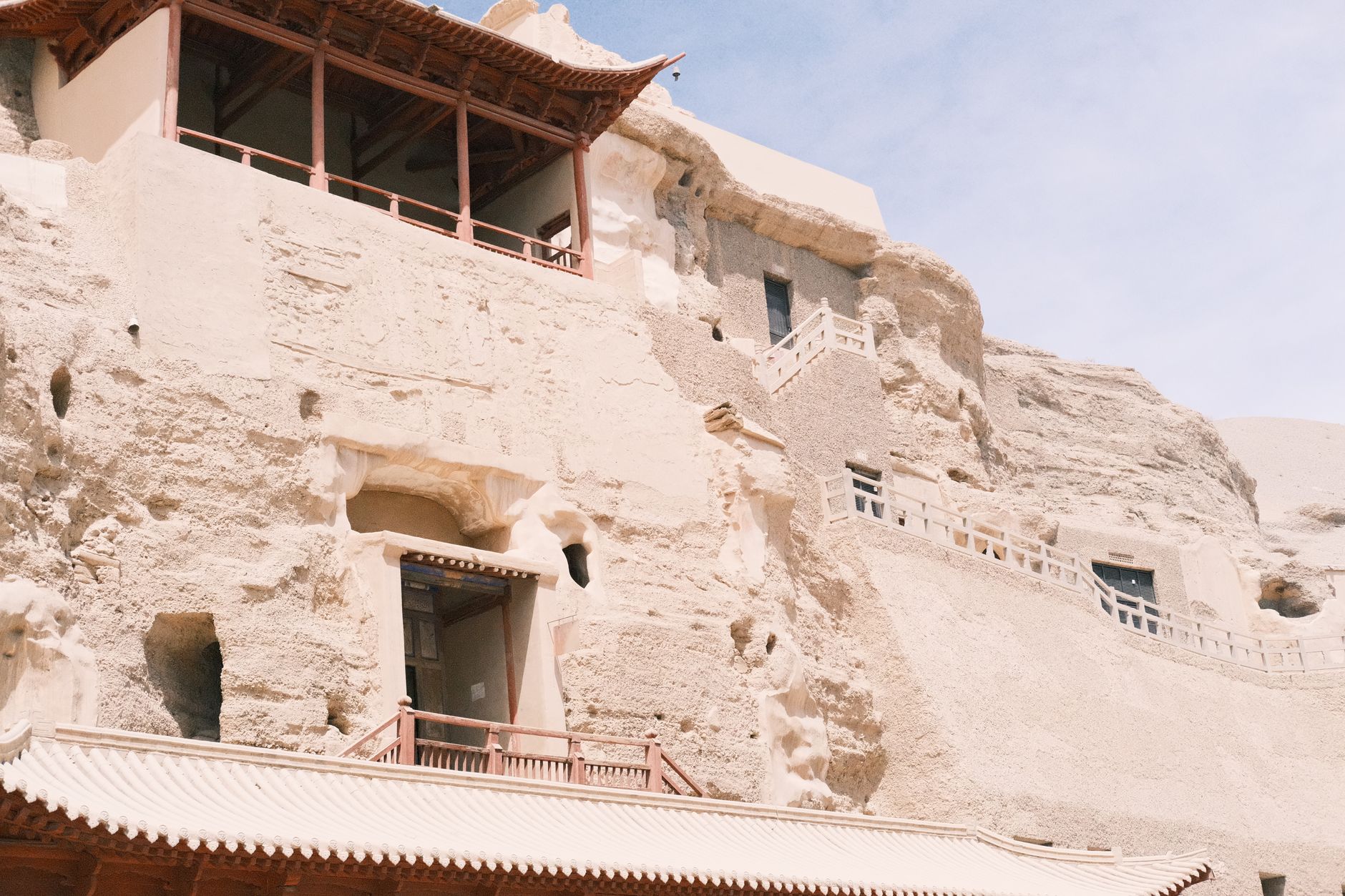
Book the Mogao Caves before you book anything else in Dunhuang. The full guided tour is capped at about 6,000 visitors a day, tickets go on sale roughly 30 days ahead, and summer dates can be gone weeks in advance. What the planning buys you: a cliff face 25 km southeast of town holding around 700 grottoes of Buddhist murals and painted statues, carved and decorated from the 4th to the 14th century by the monks, merchants and pilgrims who moved along the Silk Road. UNESCO listed the site in 1987, in China's first group of World Heritage inscriptions.
What you actually see
A guide with a ring of keys leads your group along the walkways, unlocking a rotating selection of caves one iron door at a time. The full route usually includes the Library Cave (Cave 17), the sealed chamber where tens of thousands of Silk Road manuscripts were rediscovered in 1900, and Cave 96, whose nine-storey wooden pavilion shelters a seated Buddha over 30 metres tall. Between them come smaller chambers where flying apsaras, Buddhist parables and scenes of Tang-dynasty daily life cover every surface. Photography inside the caves is banned to protect the pigments, and bags are screened, so carry as little as possible.
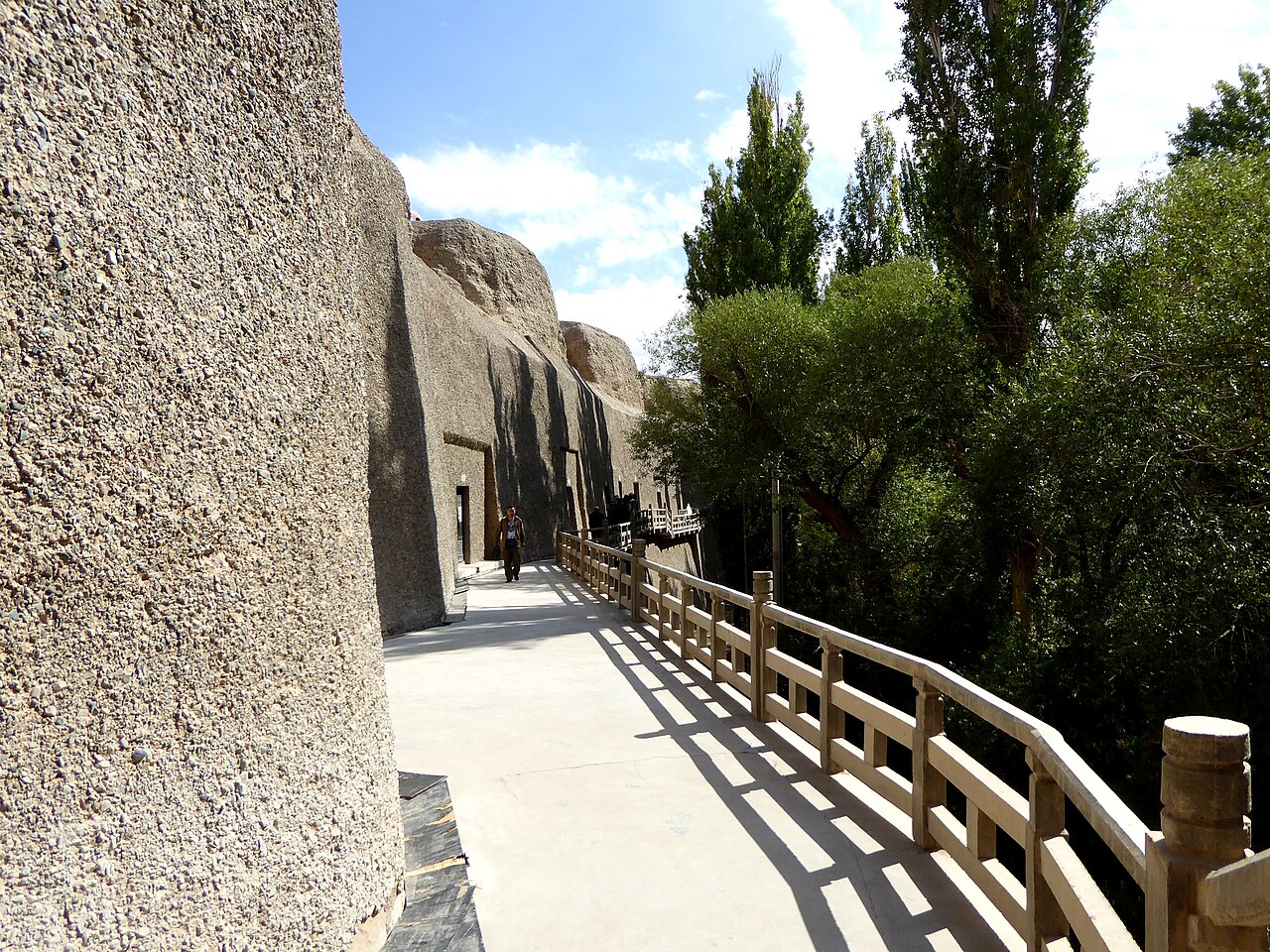
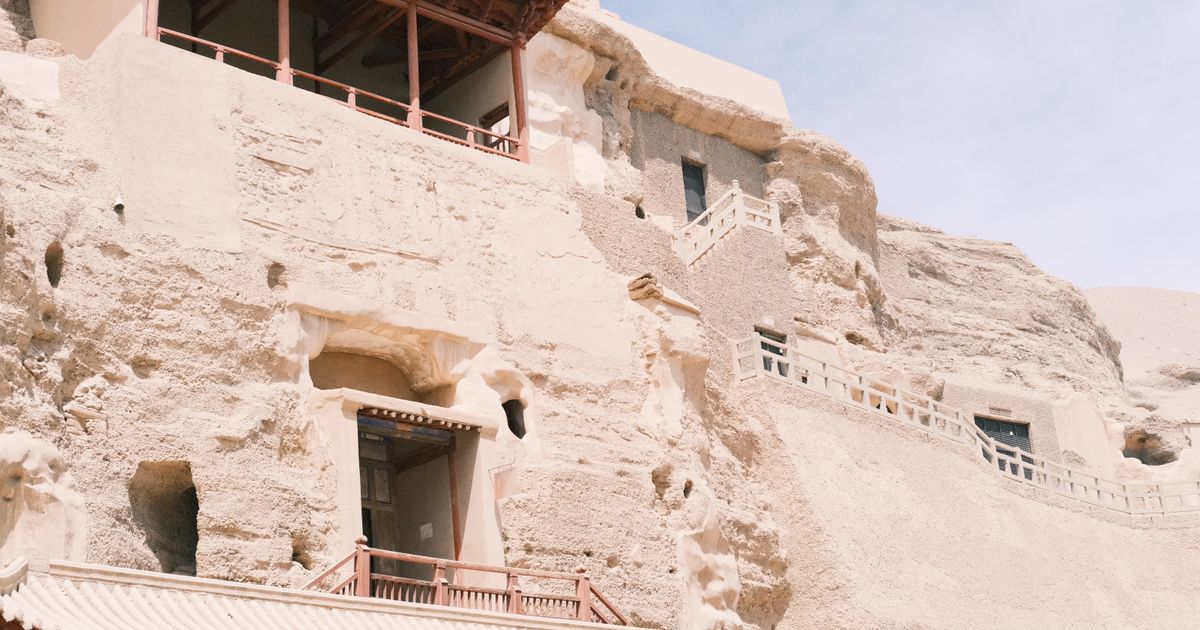
The cliff face of the Mogao Caves with its layered grottoes and walkways
Tickets: two types, two very different visits
The full ticket (type A) includes two introductory films at the Digital Exhibition Center and a guided walk through about eight caves, taking around two hours. English-language sessions run at set times, typically 9:00, 12:00 and 14:30, so confirm the slot when you reserve. In peak season a supplementary ticket (type B) is also issued, capped at about 12,000 a day: it covers roughly four caves, skips the films, and the commentary is in Chinese only. Prices differ by season and ticket type, and winter visits cost less, so check the official reservation site for current figures rather than trusting older guides.
How foreign passport holders book, as of 2026
This has changed, and older advice saying foreigners cannot book online is out of date. The official reservation channel (the Mogao Grottoes booking service, Mogao Grottoes Reservation Website) accepts foreign passports through its WeChat mini-program; the desktop website still works only with a Chinese ID. Search WeChat for the mini-program, pick your date and session, and enter your name exactly as printed in your passport, because entry involves a passport check with facial recognition and a mismatched booking can be refused.
If you arrive without a reservation, go straight to the Reservation and Ticket Center on Yangguan Dadao in Dunhuang town, where a daily share of tickets is held for foreign passport holders and English-speaking staff are usually on hand. Full-tour tickets often sell out ahead in July and August, but staff can frequently find a supplementary ticket for the next day. A third route is to let someone else handle it: day tours sold through platforms such as Klook bundle the entry reservation with transport from Dunhuang.
When to go
Opening hours shift with the seasons, roughly 8:00 to 18:00 from May to October and a shorter day starting at 9:00 in winter. April to May and September to October bring the most comfortable desert weather. Summer is the crowded season when the 30-day booking window matters most; winter is cold but quiet, and tickets are far easier to get.
Getting there and what to pair it with
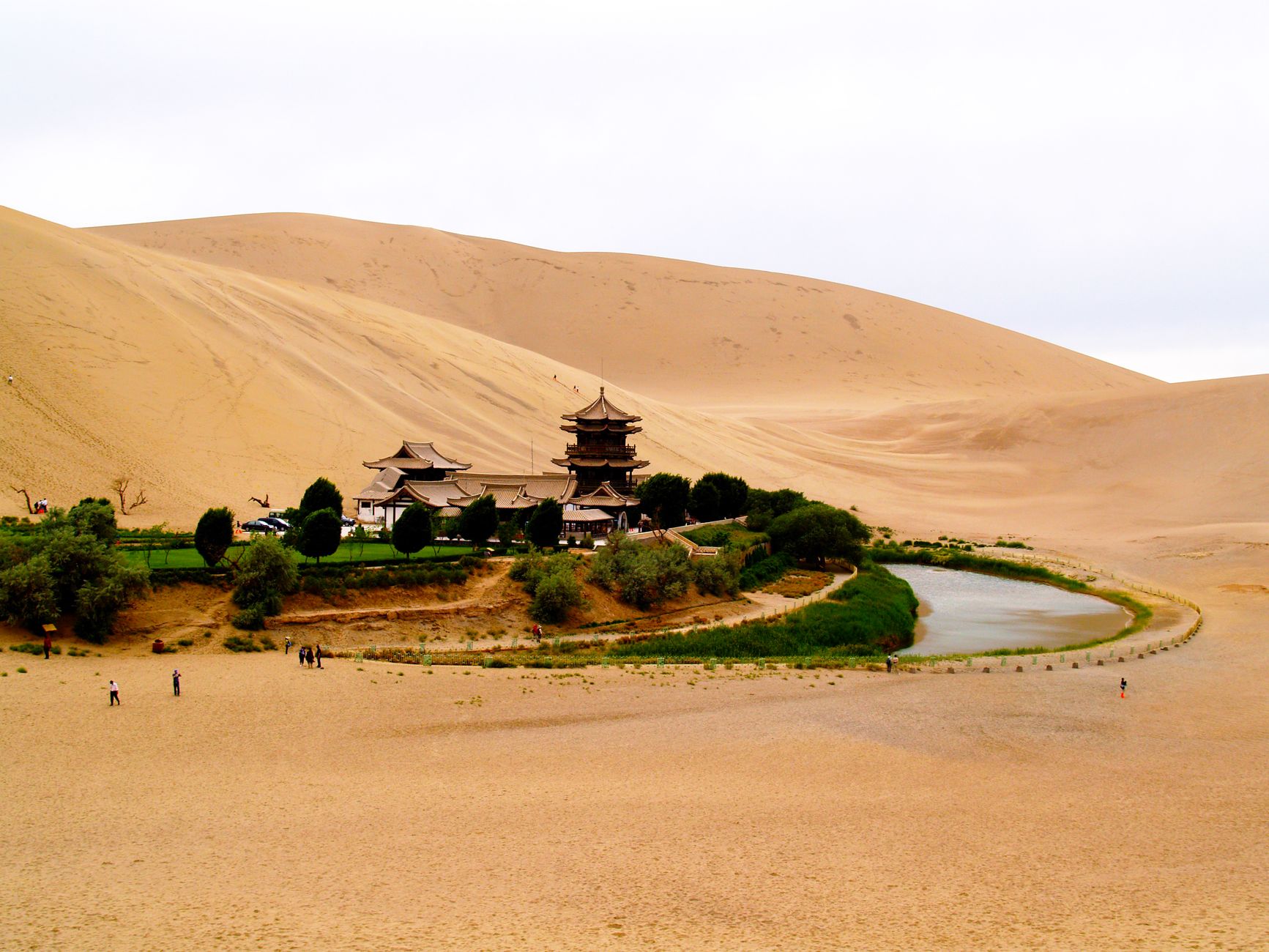
Dunhuang has its own airport, and its railway station takes overnight trains and connections from Lanzhou, Xi'an and Jiayuguan; you can compare trains and flights on Trip.com. Every visit starts at the Digital Exhibition Center out by the highway, about 15 km from the cliff, where the films screen before an official shuttle carries you the rest of the way. From Dunhuang town the center is a 20 to 30 minute taxi ride. Keep time for the rest of the oasis: the singing sands of Mingsha Shan and the crescent-shaped spring of Crescent Lake sit just outside town, and a camel ride over the dunes at sunset is the classic way to feel the landscape that gave Mogao its reason to exist.
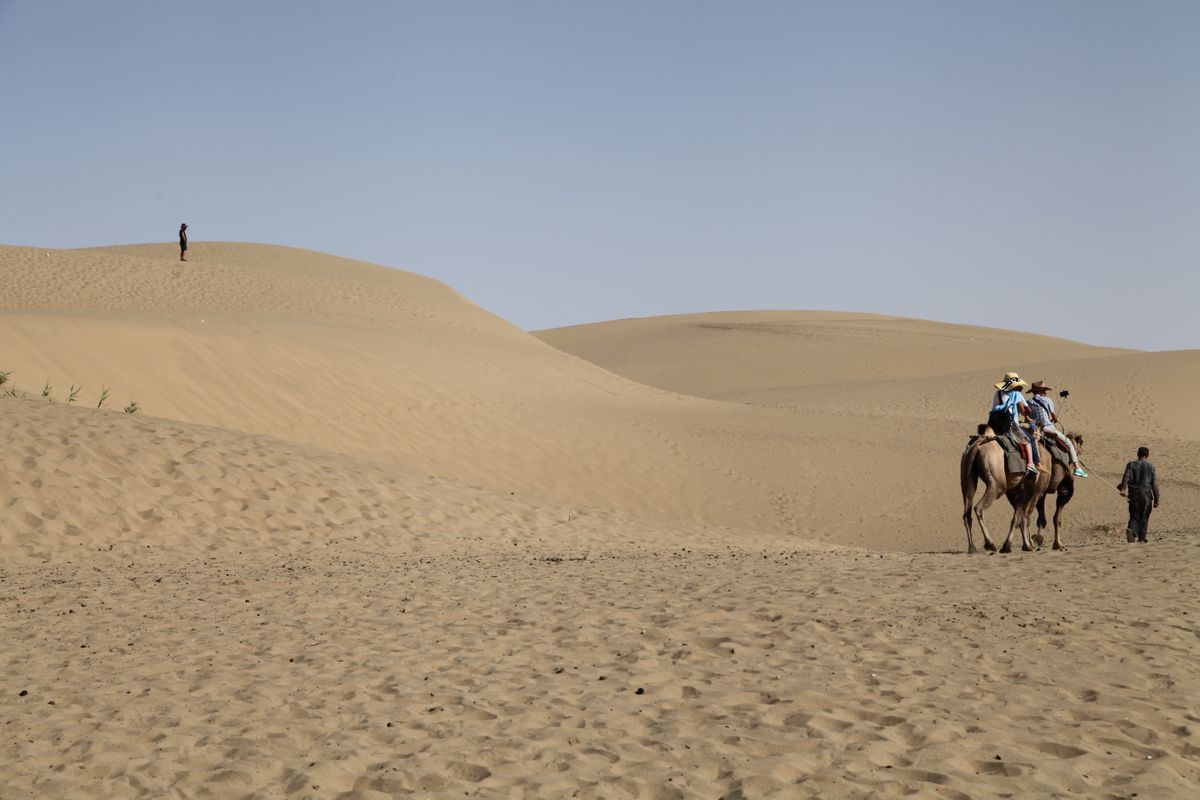
A camel caravan crossing the dunes outside Dunhuang
Highlights
- Around 700 painted Buddhist grottoes spanning the 4th to 14th centuries
- The Library Cave (Cave 17), source of tens of thousands of Silk Road manuscripts
- Cave 96, a nine-storey pavilion sheltering a seated Buddha over 30 metres tall
- Digital Exhibition Center films showing caves too fragile to enter
- UNESCO World Heritage since 1987, on the edge of the Gobi
- Pairs with the Mingsha dunes and Crescent Lake just outside Dunhuang
Travel Tips
Book about 30 days out
Tickets are released roughly 30 days ahead. The official WeChat mini-program now accepts foreign passports; enter your name exactly as in your passport, since entry uses passport checks with facial recognition.
No reservation? Go to town first
Head to the Reservation and Ticket Center on Yangguan Dadao in Dunhuang town: a daily share of tickets is held for foreign passport holders, and staff can often find a next-day slot.
Pick the English session
English full-tour groups usually run at set times (typically 9:00, 12:00 and 14:30). Confirm the slot when booking and start at the Digital Exhibition Center, not at the caves.
Travel light
Bags are screened and photography inside the caves is banned. Leave large bags at your hotel to move through security faster.
Season logic
April to May and September to October have the kindest desert weather. Winter is cold but quiet, tickets are easier to get and cost less; summer needs the earliest booking.
Suggested itineraries
Related reading
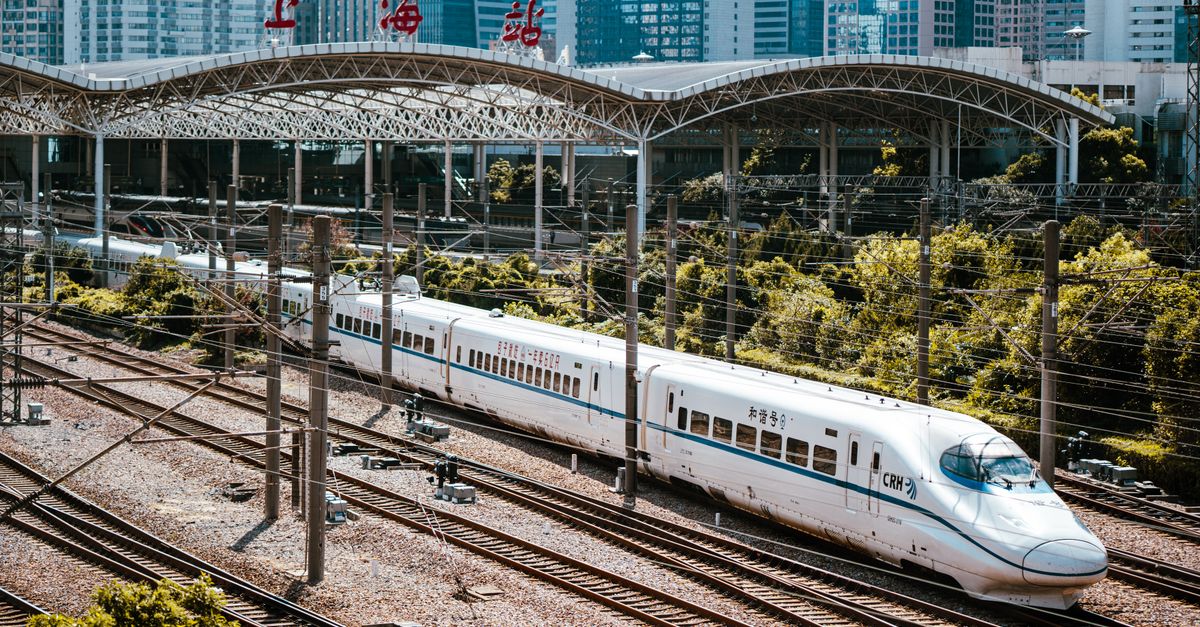
How to Book China's High-Speed Trains (12306 & Trip.com): 2026 Guide
8 min read

Essential Apps to Download Before You Travel to China (2026)
12 min read
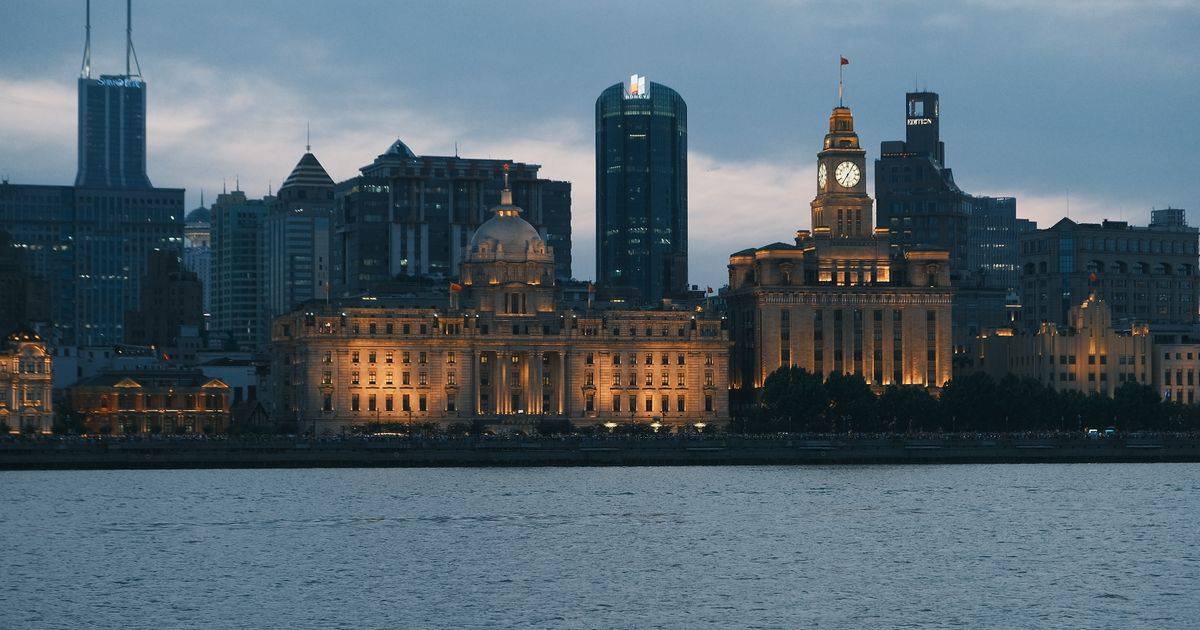
China Itinerary: The Perfect 10 Days for First-Time Visitors (Beijing, Xi'an & Shanghai)
9 min read
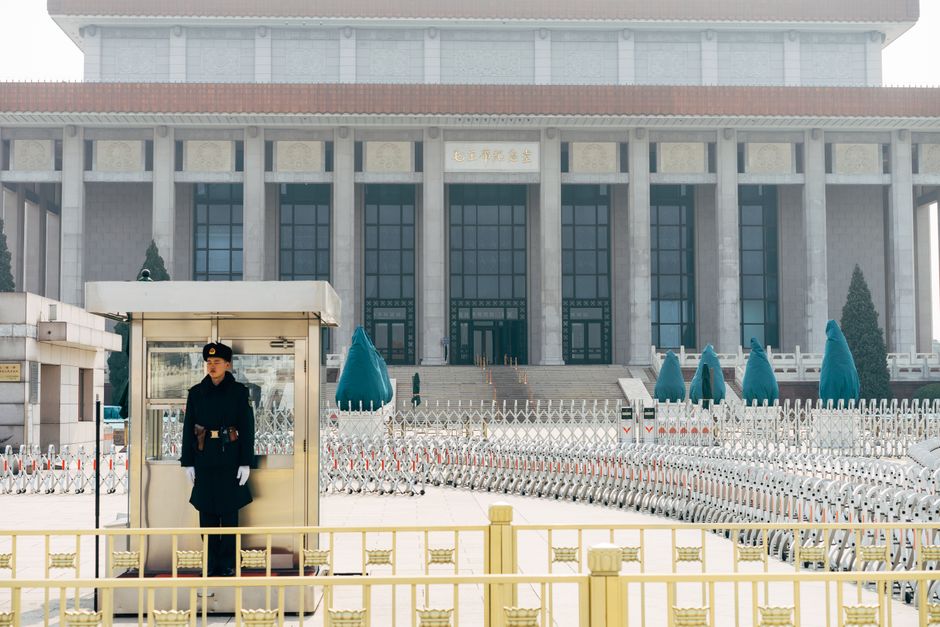
Where to Stay in China: Hotels, Booking & the Police Registration Rule (2026)
9 min read