Dunhuang
Yumen Pass (Jade Gate Pass)
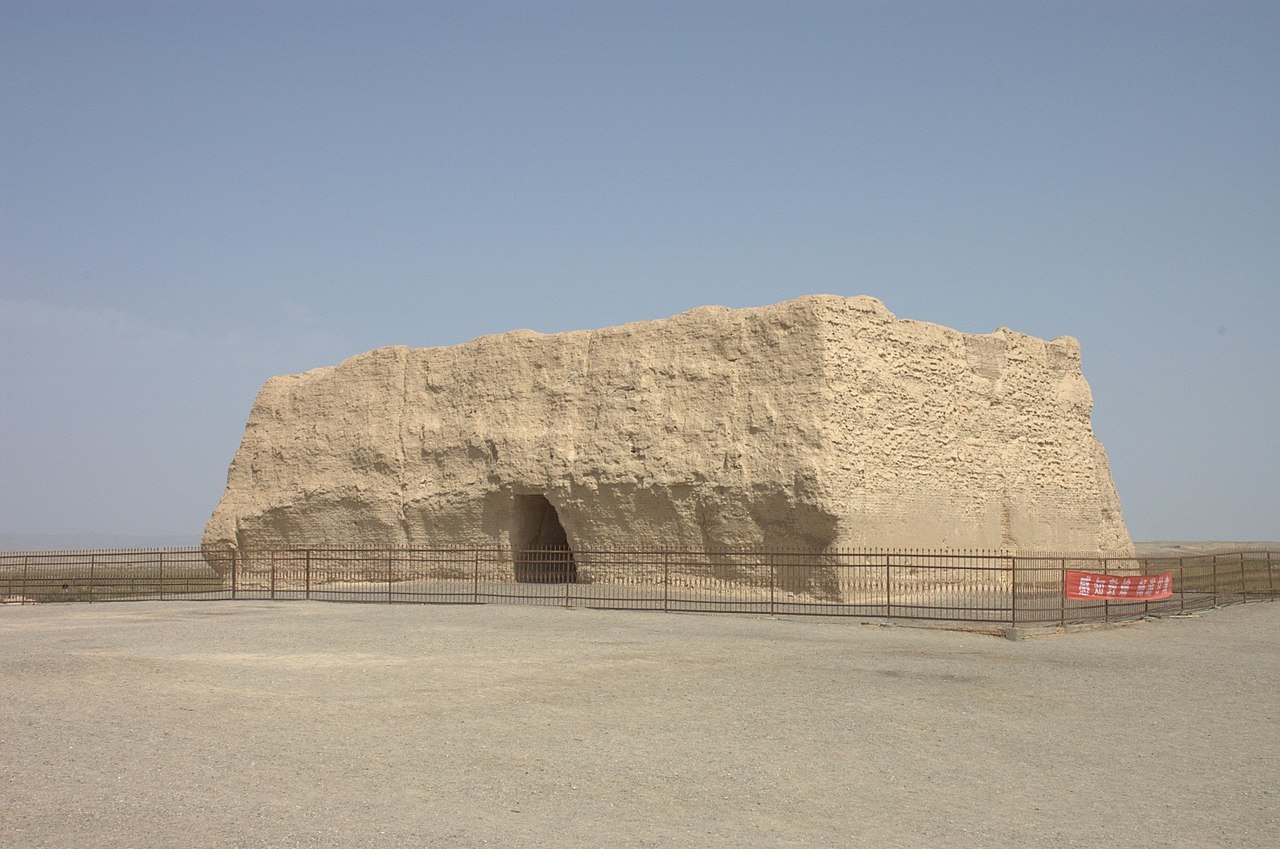
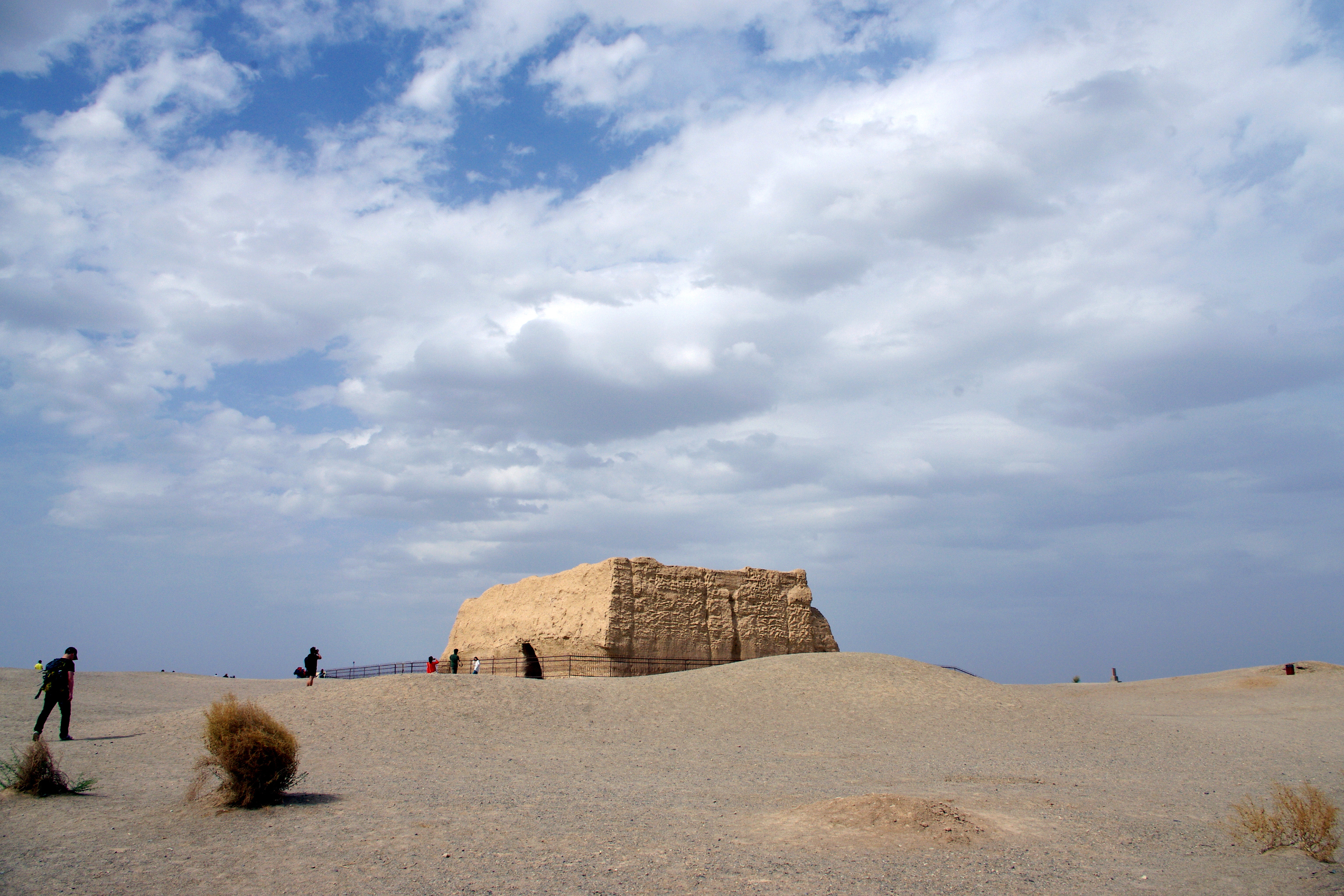
The rammed-earth Small Square Castle of Yumen Pass standing alone in the Gobi
Few famous places in China feel as far from everything as Yumen Pass, the "Jade Gate Pass". A lone mud-brick fort stands on open Gobi about 90 km northwest of Dunhuang, and some 2,100 years ago this was the western checkpoint of Han China: the gate through which jade caravans from Khotan, soldiers and merchants passed on their way in and out of the empire. It was first called simply the "Square City"; the jade traffic gave it the name that stuck. Today it is a UNESCO World Heritage site, inscribed in 2014 as part of the Silk Roads: Chang'an to Tianshan Corridor listing.
The three ruins on the desert road
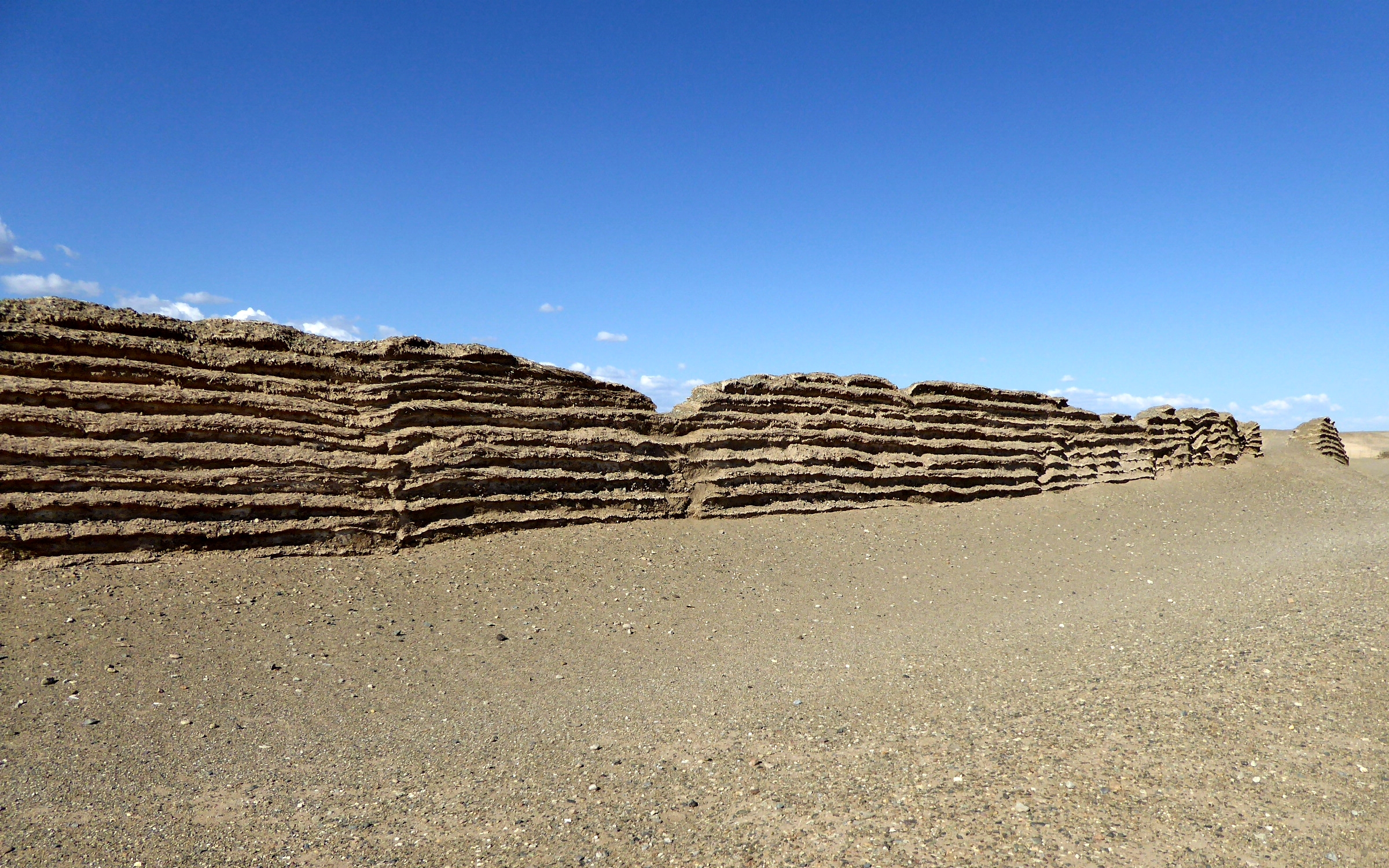
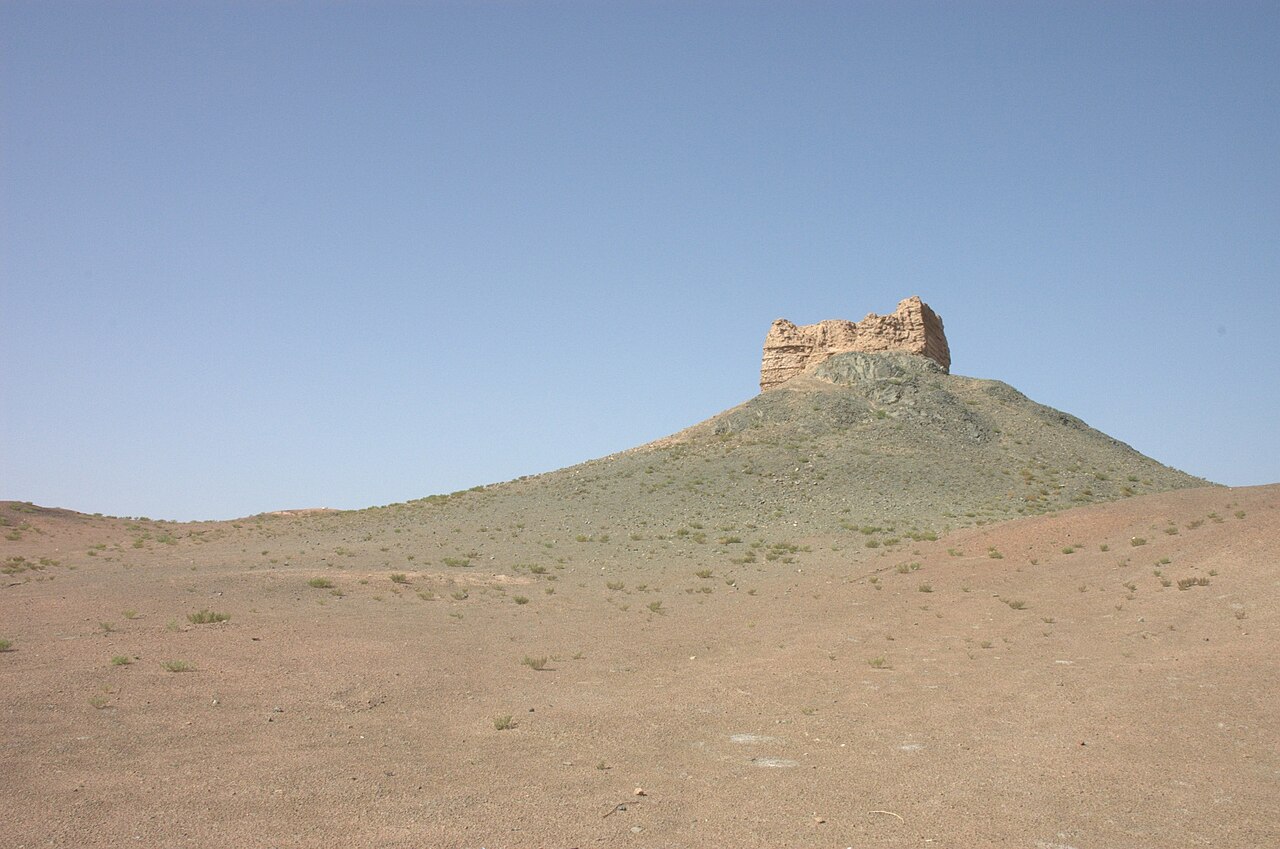
One ticket covers three sites strung along the desert track, several kilometres apart. The headline ruin is the Small Square Castle (Xiaofangpancheng), a rammed-earth fort with walls roughly 10 metres high pierced by gateways, standing utterly alone on the flats. About 5 km away runs a preserved stretch of the Han-dynasty Great Wall, built from layered reeds and gravel and counted among the best-preserved sections in the Hexi Corridor. The third stop is the ruined Hecang granary that once supplied the frontier garrisons. Boardwalks keep you off the fragile earthworks, and a shuttle links the sites.
Surviving rammed-earth and reed Han-dynasty Great Wall near Yumen Pass
Why the name and the poem stick
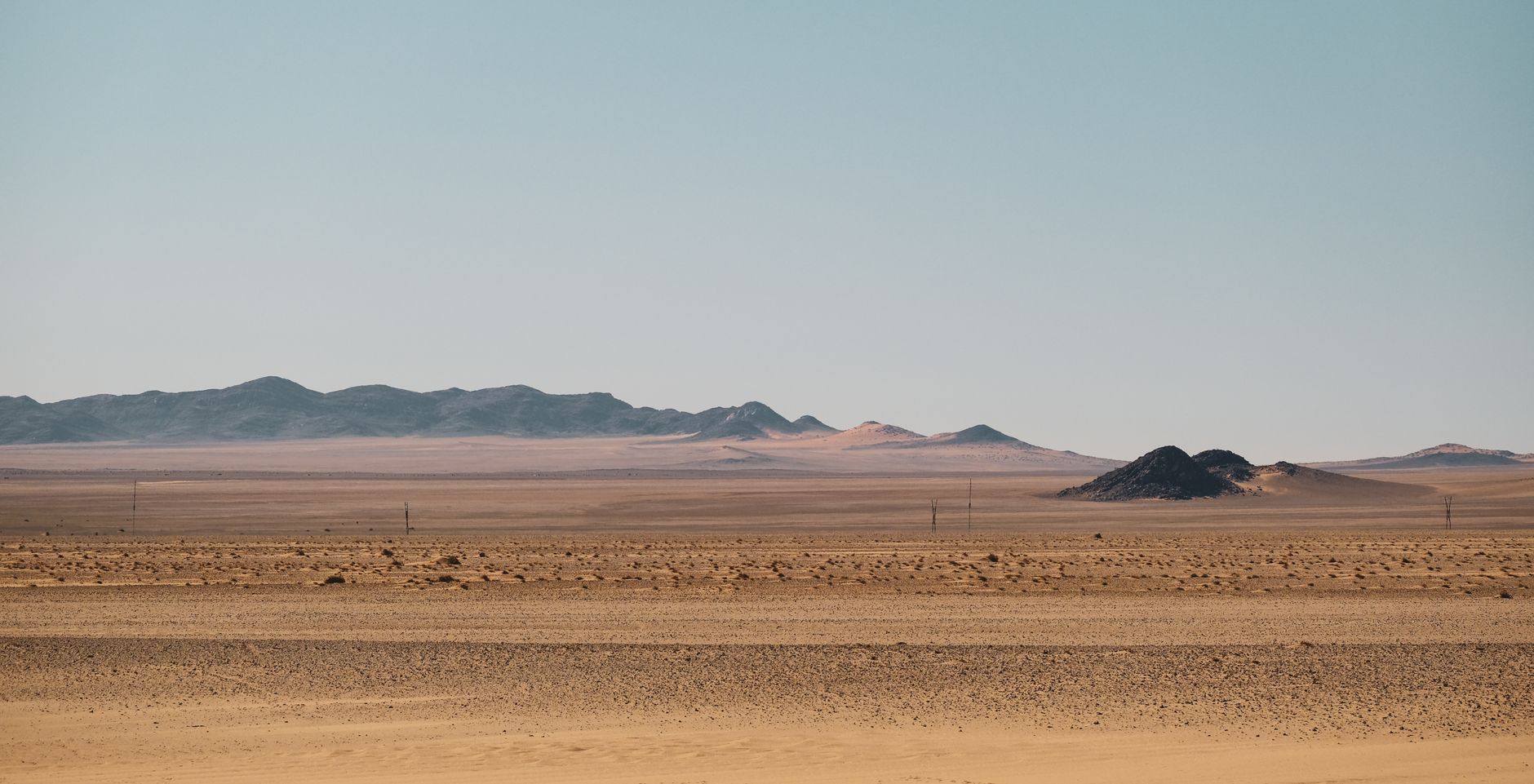
This was the real edge of the Silk Road, the point where Han China ended and the "Western Regions" began. The pass lives in Chinese memory through one Tang line, Wang Zhihuan's "the spring breeze never crosses the Jade Gate Pass" (from his Liangzhou Ci). Stand inside the empty fort with the Gobi running flat to the horizon in every direction, and the distance and isolation the poem describes stop being abstract.
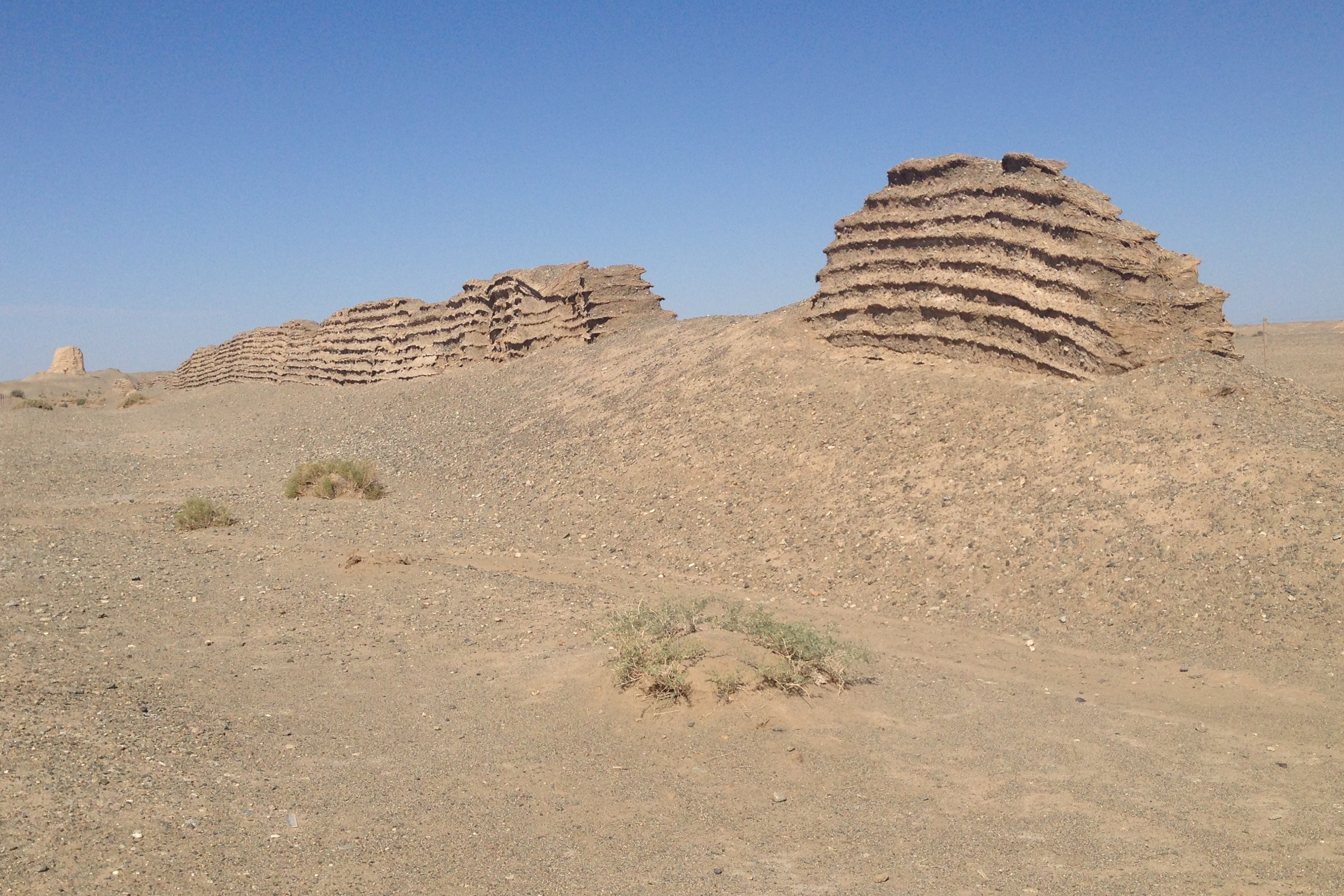
Han Great Wall and Gobi expanse on the Yumen Pass route
Tickets and opening hours
The site is open daily, roughly 08:00 to 18:00, with last entry in the mid-afternoon. A single sightseeing ticket covers all three ruins, and a modest shuttle fare covers the loop between the fort, the Great Wall and Hecang, which are too far apart to walk comfortably. A combined ticket that also includes the nearby Yangguan Pass is usually sold at the gate if you plan to do both.
Getting there
There is no public transport out here. Yumen Pass is reached on a chartered "west-line" day trip from Dunhuang that usually also takes in the Yardang wind-carved geopark, returning in the evening, so set aside a full day.
Dunhuang west-line desert tours
Yumen Pass and the Yardang geopark on a chartered day trip
Some links are affiliate links; we may earn a commission at no extra cost to you.
When to go
May to October is the sensible window. The site is fully exposed with no shade at all, so bring water, a hat and wind protection, and aim for morning or late afternoon rather than the harsh midday sun. The Gobi wind here is constant, so pack a windbreaker even on a warm day.
Highlights
- Small Square Castle (Xiaofangpancheng), the Han-dynasty 'Jade Gate' frontier fort, walls about 10 metres high
- A preserved reed-and-gravel stretch of the Han Great Wall, among the best in the Hexi Corridor
- Ruins of the Hecang granary that once fed the frontier garrison
- UNESCO World Heritage Silk Roads site, inscribed in 2014
- The Tang-poetry frontier 'beyond the Jade Gate Pass'
- Vast, empty Gobi horizons in every direction
Travel Tips
One ticket, three stops
The fort, the Han Great Wall and the Hecang granary sit kilometres apart, so use the shuttle and budget two to three hours to see all three properly.
Pair it with the west line
Yumen Pass shares the remote desert road with the Yardang 'Devil City' geopark, so most people combine both on the same chartered day trip.
No shade at all
The site is fully exposed and the Gobi wind is relentless, so carry water, sun protection and a windbreaker even on a hot, clear day.