Dunhuang
Han Great Wall Ruins (Dunhuang Section)
A 2,000-Year-Old Wall of Reed and Earth
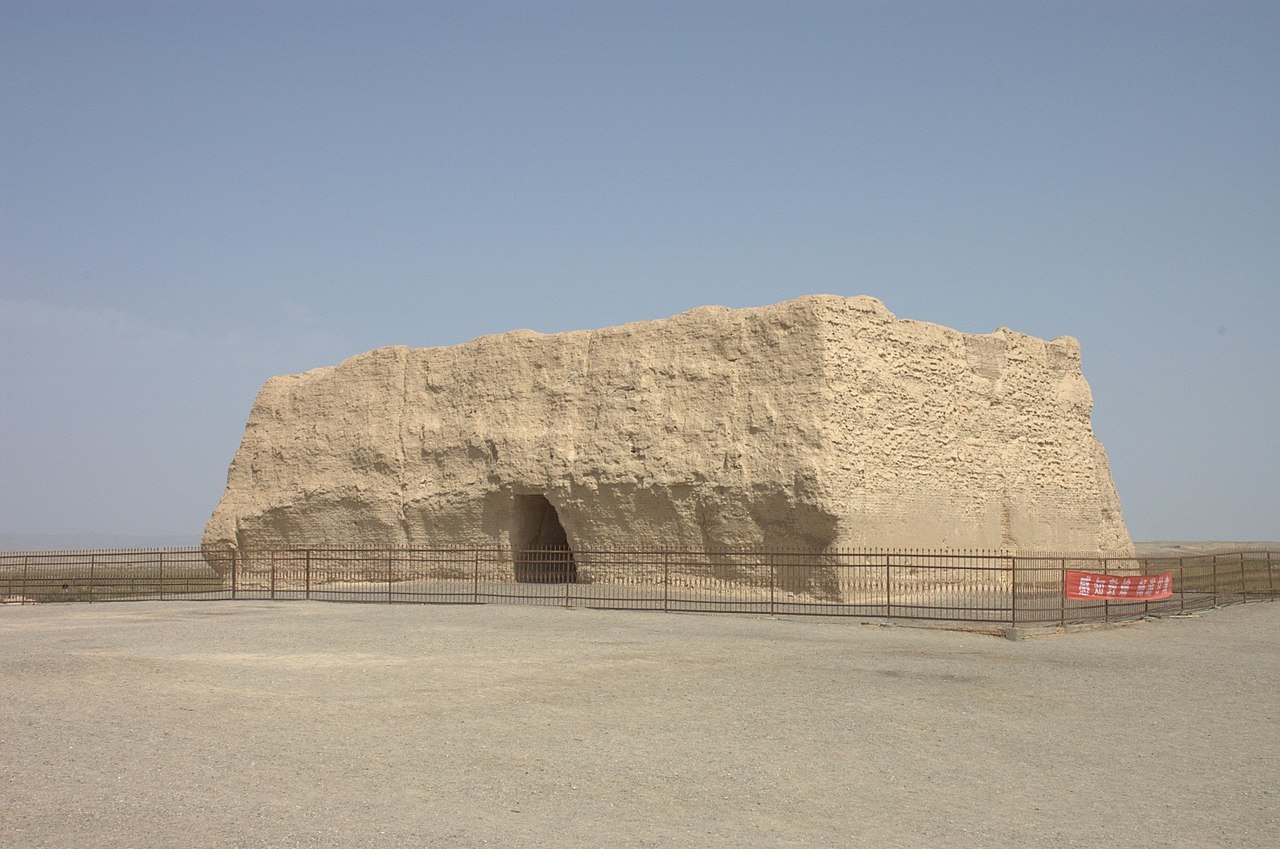
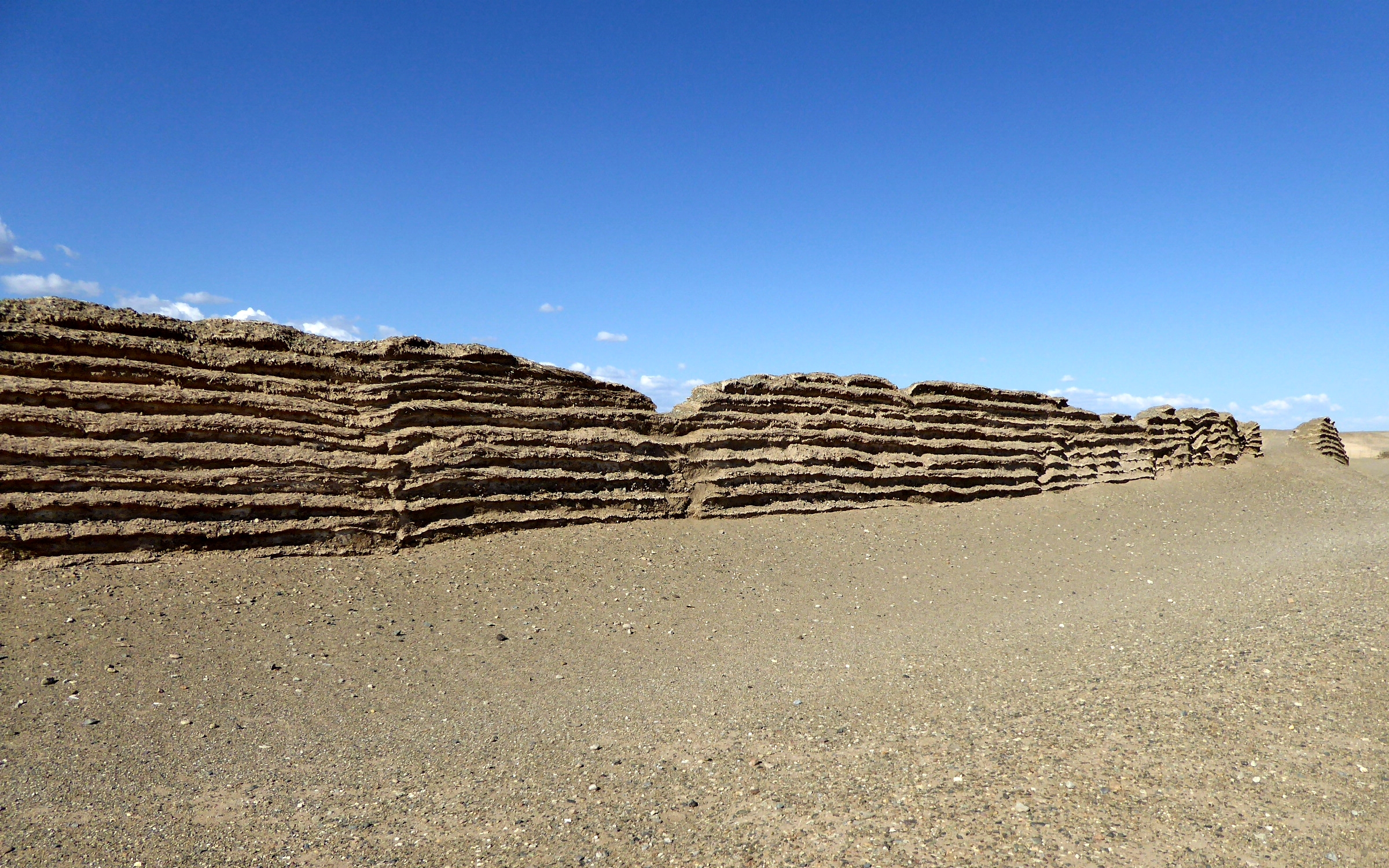
The Han Great Wall near Dunhuang is the westernmost surviving stretch of China's Great Wall, and one of the most haunting relics on the entire Silk Road. Unlike the grey brick ramparts most travellers picture, this wall was never faced with stone. Around 111 BC, under Emperor Wu of the Western Han Dynasty, soldiers and conscripted labourers raised it from whatever the desert offered: layers of gravel and sand pressed between bundles of reeds, tamarisk and red willow. Two millennia of bone-dry Gobi air have preserved those horizontal stripes so clearly that you can still count the reed courses with your eyes.
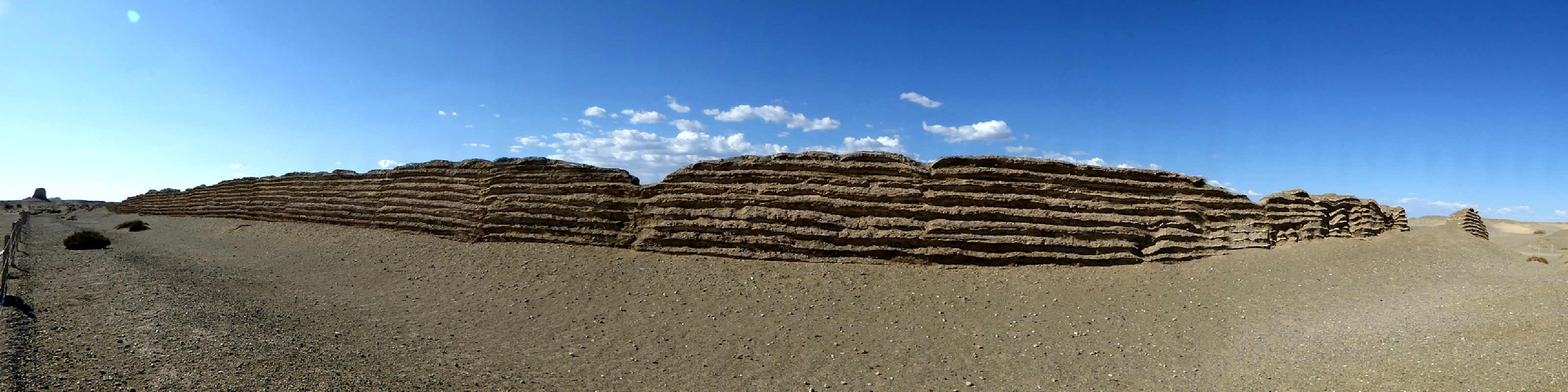
Layered rammed-earth and reed courses of the Han Great Wall against the Gobi sky
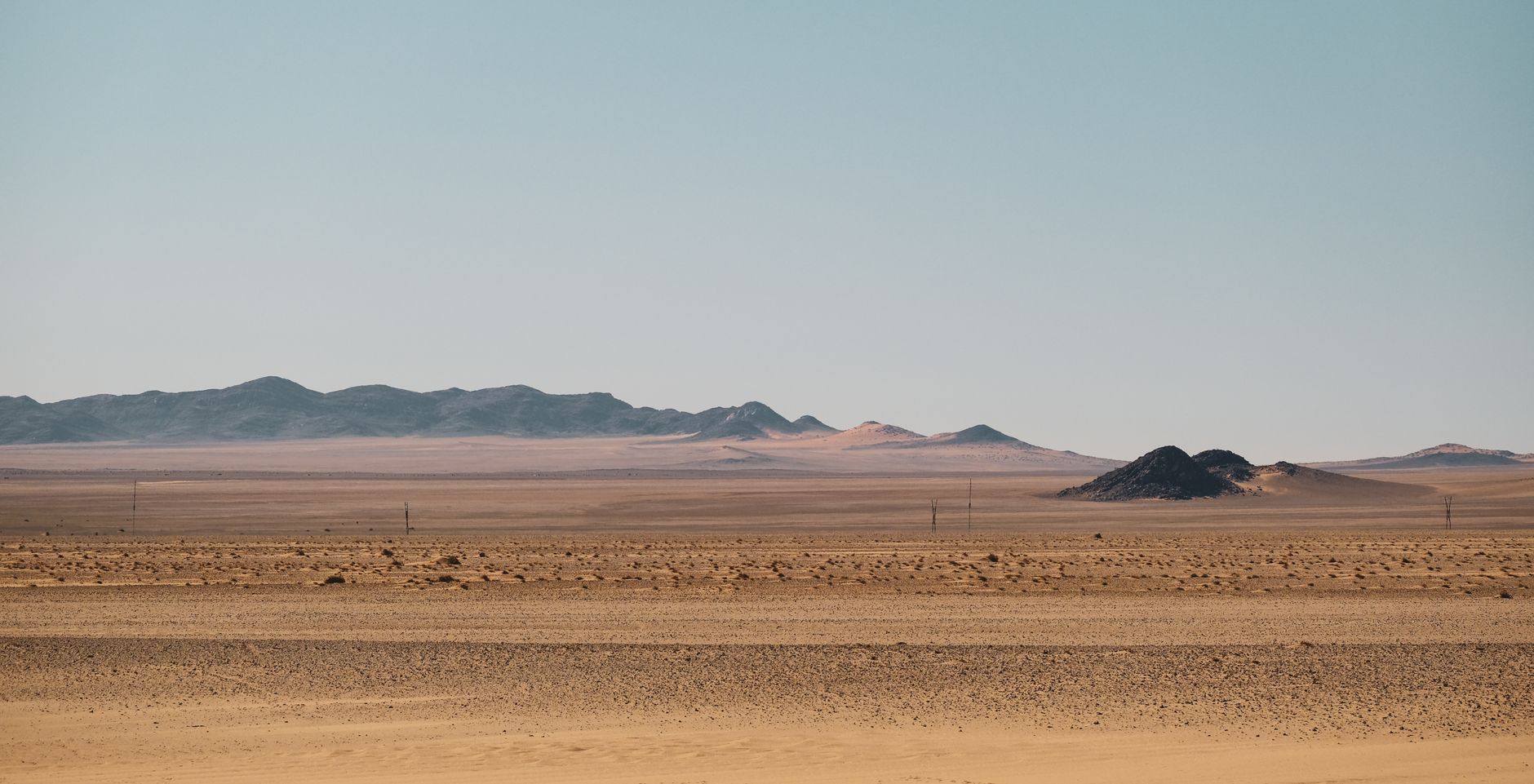
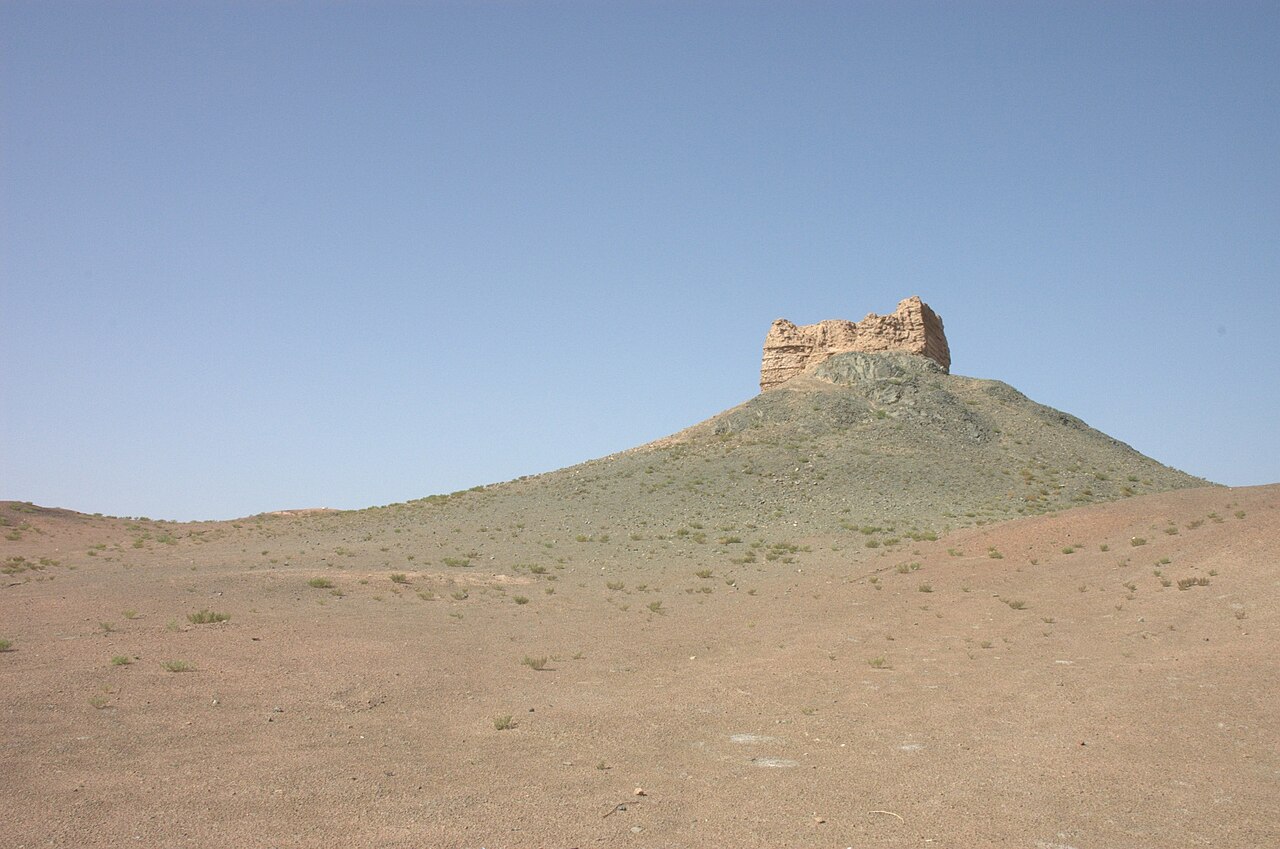
Stretching out across the gravel plain northwest of Dunhuang, the wall once guarded the Hexi Corridor, the narrow throat of land through which silk, jade and ideas passed between China and Central Asia. Beacon towers spaced along the line relayed warnings with smoke by day and fire by night; the smoke, traditionally raised with wolf dung, gave Chinese the enduring phrase langyan ("wolf smoke") for an alarm of war. Today the towers stand as lonely mud stumps, but the silence and scale make it easy to imagine a frontier garrison scanning the horizon for raiders.
What to See
The best-preserved section sits near the Danggu beacon, within the wider Yumen Pass (Jade Gate) scenic area. Here a long run of wall rises chest- to head-high, its striped strata catching the low light beautifully at dawn and dusk. Look for the jixin: ancient stacks of bundled reeds left by Han soldiers as ready fuel for the beacon fires, some carbon-dated to over two thousand years old and still piled where they were stored.
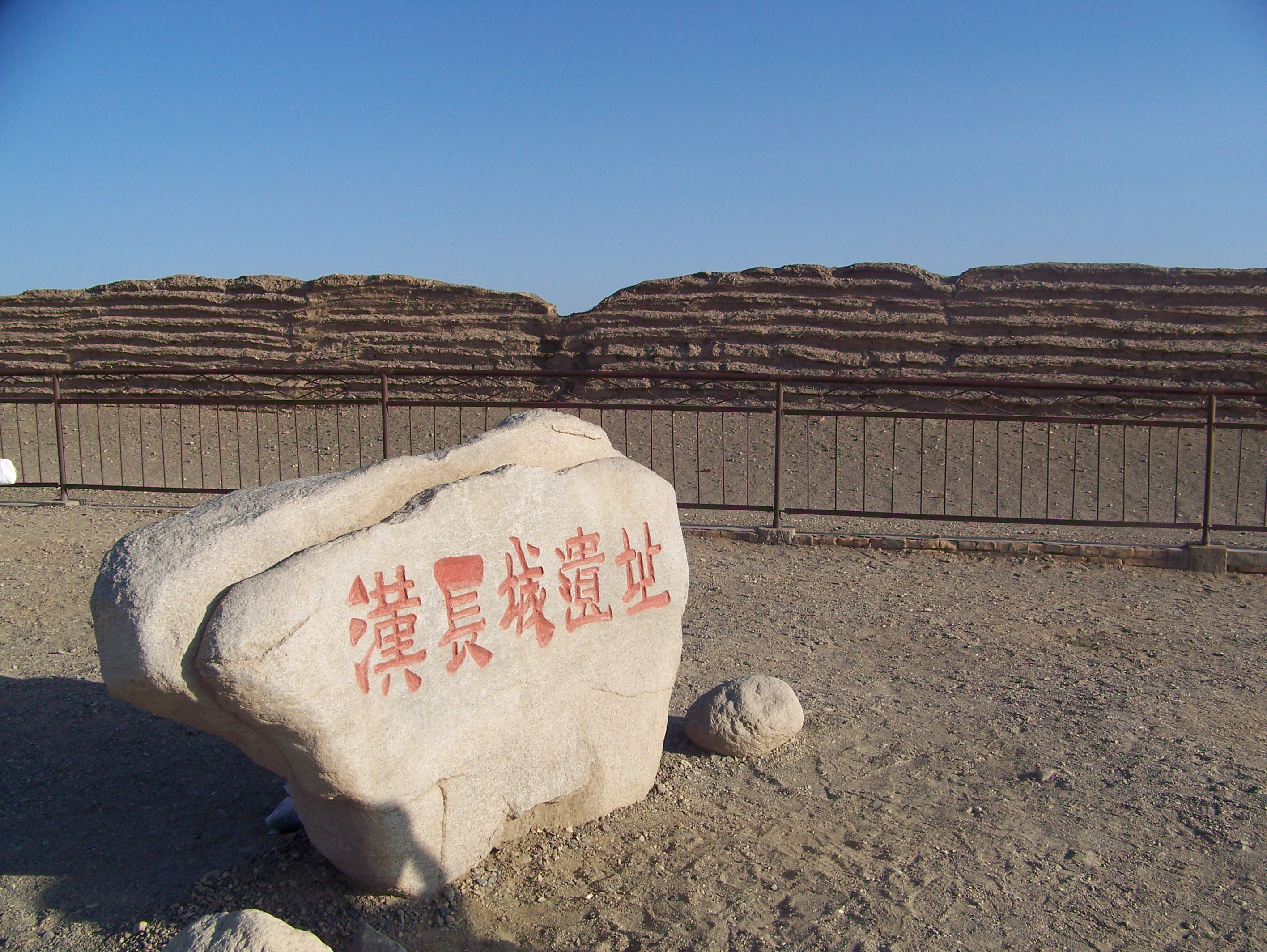
Site marker stone reading "Han Great Wall Ruins" before the layered wall
Because the wall sits inside the same protected zone as Yumen Pass and the Hecang granary ruins, most visitors see all three together. The Yumen Pass area is inscribed on UNESCO's World Heritage List as part of the "Silk Roads: Chang'an–Tianshan Corridor," and the Han Great Wall is the defensive spine that ties the whole landscape together.
Opening Hours
The Yumen Pass scenic area, which contains this section of wall, is generally open daily from around 08:00 to 18:30 in the warm season, with shorter winter hours. Allow extra time simply to reach it: the drive from Dunhuang is long.
Tickets
There is no separate gate fee for the wall itself: access comes bundled into one affordable combined ticket for the whole Yumen Pass scenic zone, which also covers the small square fort of Yumen Pass and the Hecang granary ruins. A sightseeing shuttle inside the protected area may carry a small extra charge. Ticket prices and entry rules shift from year to year, so confirm the current fee before you set out.
Getting There
The wall lies roughly 90 km northwest of central Dunhuang, deep in the Gobi, about a two-hour drive. A tourist coach does run this route twice a day from a stand near the town centre, but it only allows a fixed window at each stop rather than time to explore freely, so most visitors instead join a small-group day tour or hire a car with driver. Either way, the outing usually strings together Yumen Pass, the Han Great Wall, Hecang ruins and the Dunhuang Yardang (Yadan) National Geopark as one "West Line" day trip running eight to ten hours.
Best Season
May to October offers the most comfortable conditions and the clearest skies. Summer middays are fierce and shadeless, so aim for early morning or the golden hour before sunset, when the layered wall glows amber. Winter is starkly beautiful but bitterly cold and windy on the open plain.
Practical Tips
Bring more water than you think you need, high-factor sunscreen, a hat and a windproof layer: the desert offers no shelter at all. Pair the wall with Yumen Pass and the Yardang geopark to make the long drive worthwhile, and respect the barriers: the rammed earth is fragile, and climbing or touching it is forbidden.
Highlights
- Westernmost surviving section of China's Great Wall, built under Emperor Wu of Han around 111 BC
- Distinctive striped construction of rammed gravel layered with reeds, tamarisk and red willow
- Ancient jixin — bundled reed beacon fuel left by Han soldiers, over 2,000 years old
- Lonely beacon towers that once relayed 'wolf smoke' war signals along the Silk Road
- Inside the UNESCO-listed Yumen Pass zone, alongside the Hecang granary ruins
Travel Tips
Go for golden hour
Arrive at sunrise or in the hour before sunset, when low light makes the layered strata glow amber and the heat eases.
Bundle the West Line
Combine the wall with Yumen Pass and the Yardang geopark on one West Line tour or chartered car: it is roughly a 90 km drive each way, and while a twice-daily tourist coach covers the route, a private car or small-group tour gives far more time at each stop.
Desert kit
Carry extra water, strong sunscreen, a hat and a windproof layer; there is no shade or shop on the open Gobi plain.