Dunhuang
Mount Sanwei
The mountain that started Dunhuang
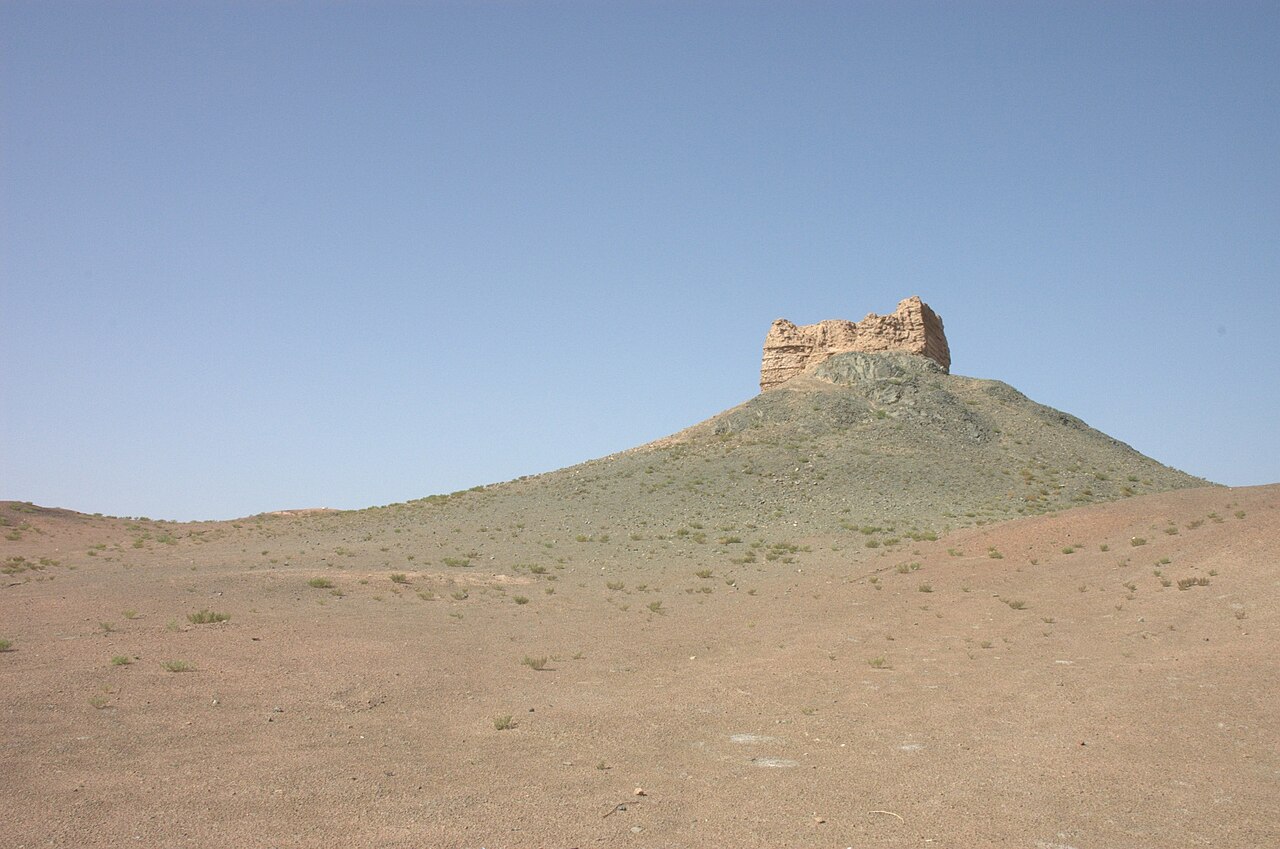
Most travellers come to Dunhuang for the painted caves of Mogao or the singing dunes of Mingsha. Far fewer cross the dry riverbed to the bare, sun-scorched ridge that faces them, yet without Mount Sanwei (Sanwei Shan), the Mogao Caves might never have existed. Rising from the Gobi about 25 kilometres south-east of the city and stretching for some 60 kilometres, this "Mountain of the Three Perils" is one of the oldest named places in Chinese geography, recorded as early as the Book of Documents as a remote frontier of exile.
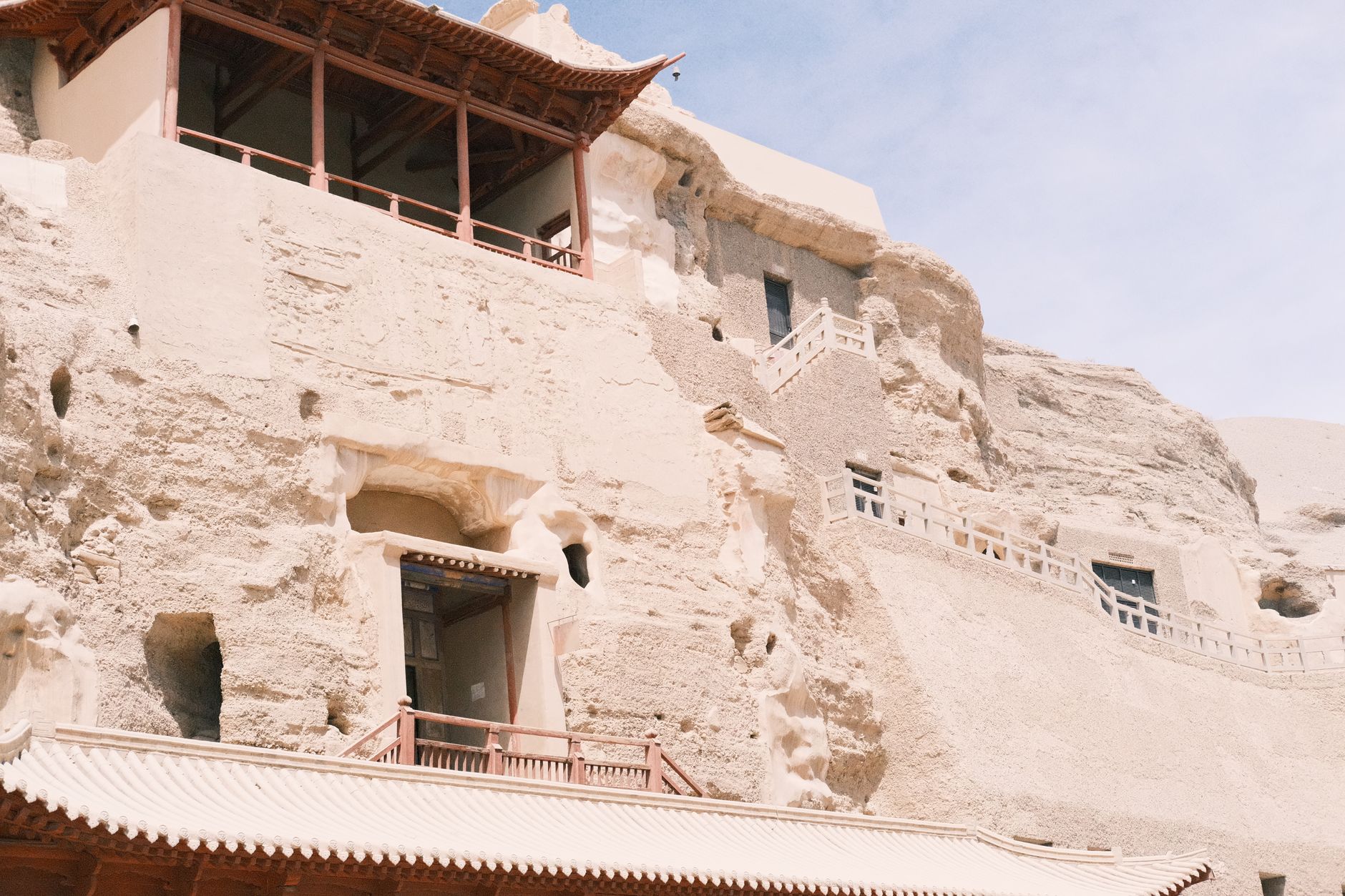
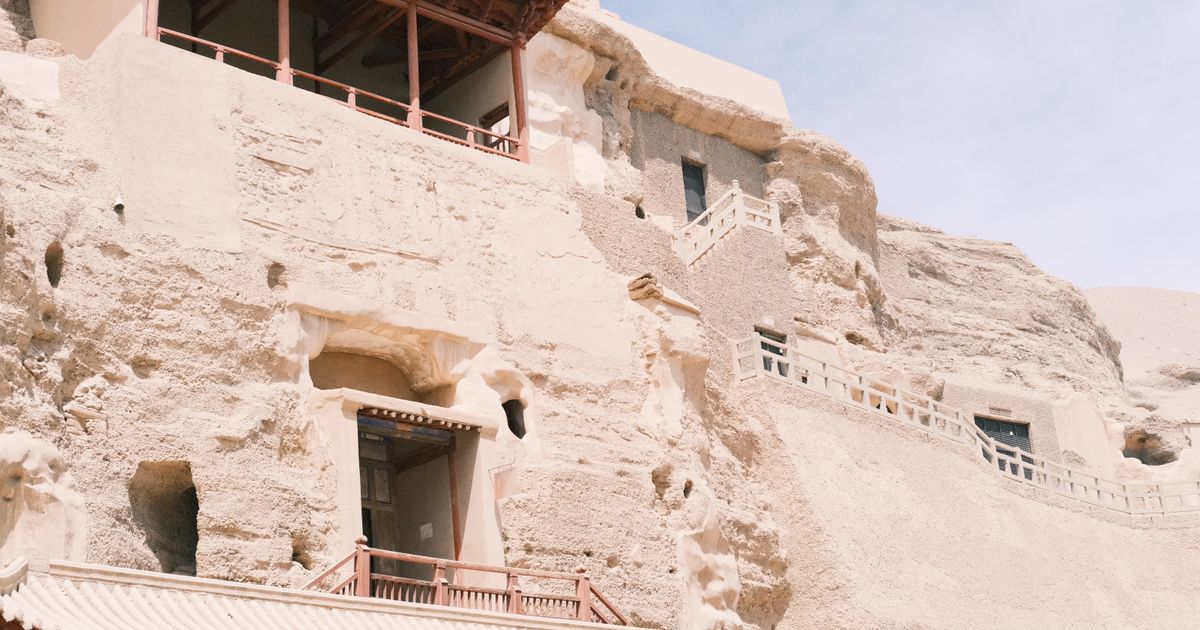
In the year 366 AD a wandering monk named Lè Zūn paused in this valley at dusk. Looking up at Mount Sanwei, he saw the setting sun strike the cliffs until they seemed to blaze with the golden light of a thousand Buddhas. He took the vision as a sign and carved the first meditation cave into the opposite cliff face: the seed of what would grow, over a thousand years, into the 735 grottoes of Mogao. Stand on Sanwei today and you look straight across at that cliff: the mountain is, quite literally, the cradle of Dunhuang's art.
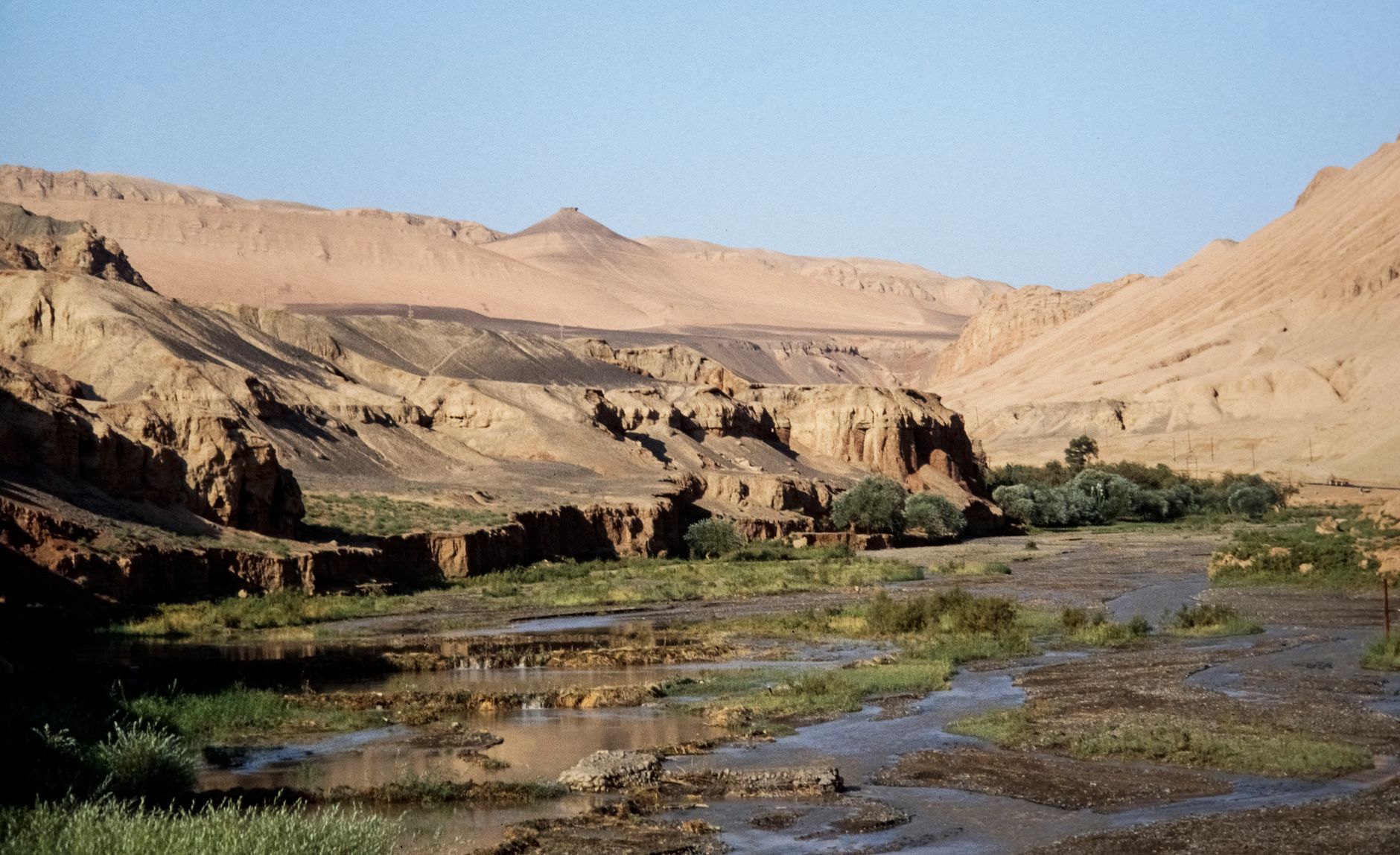
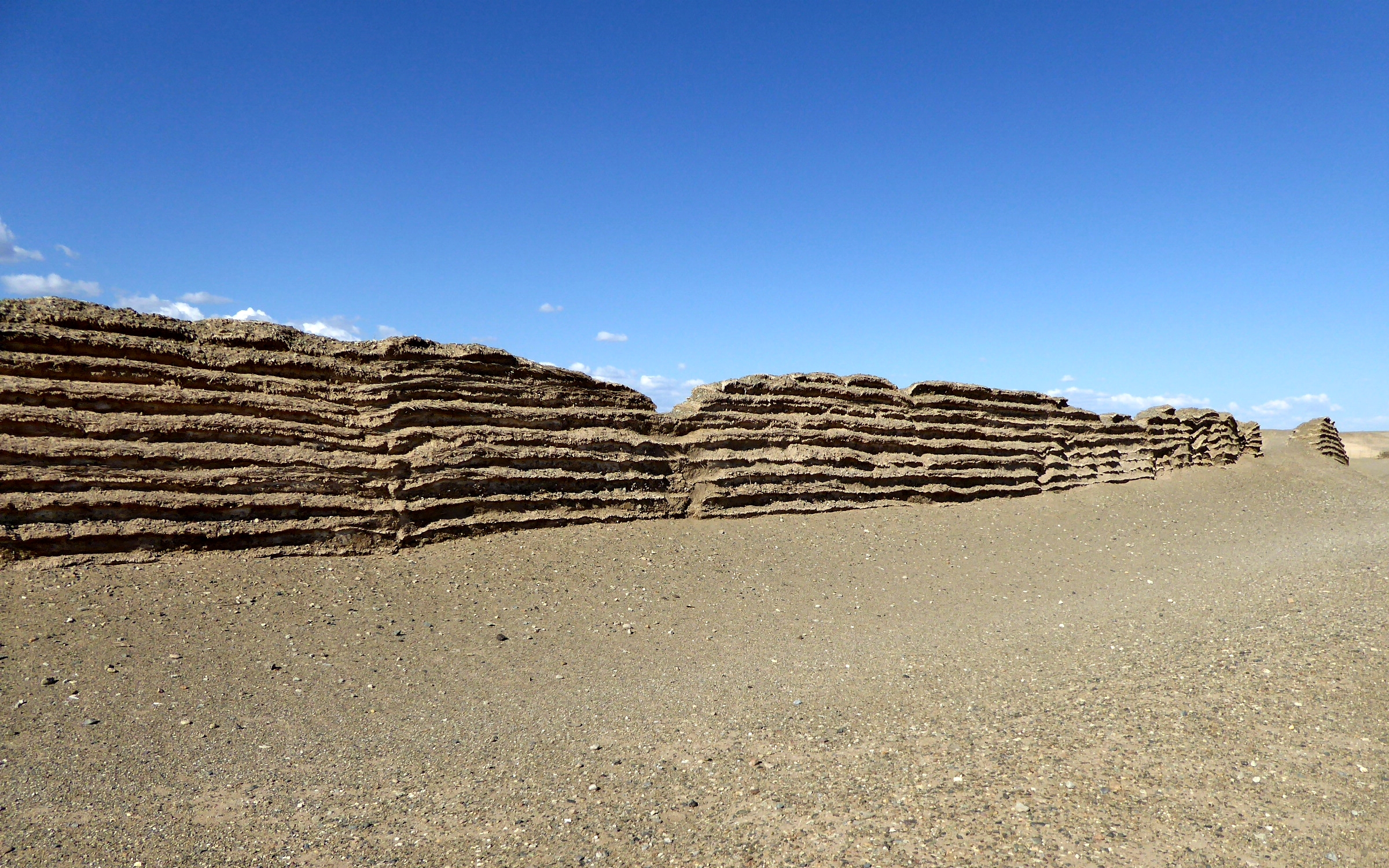
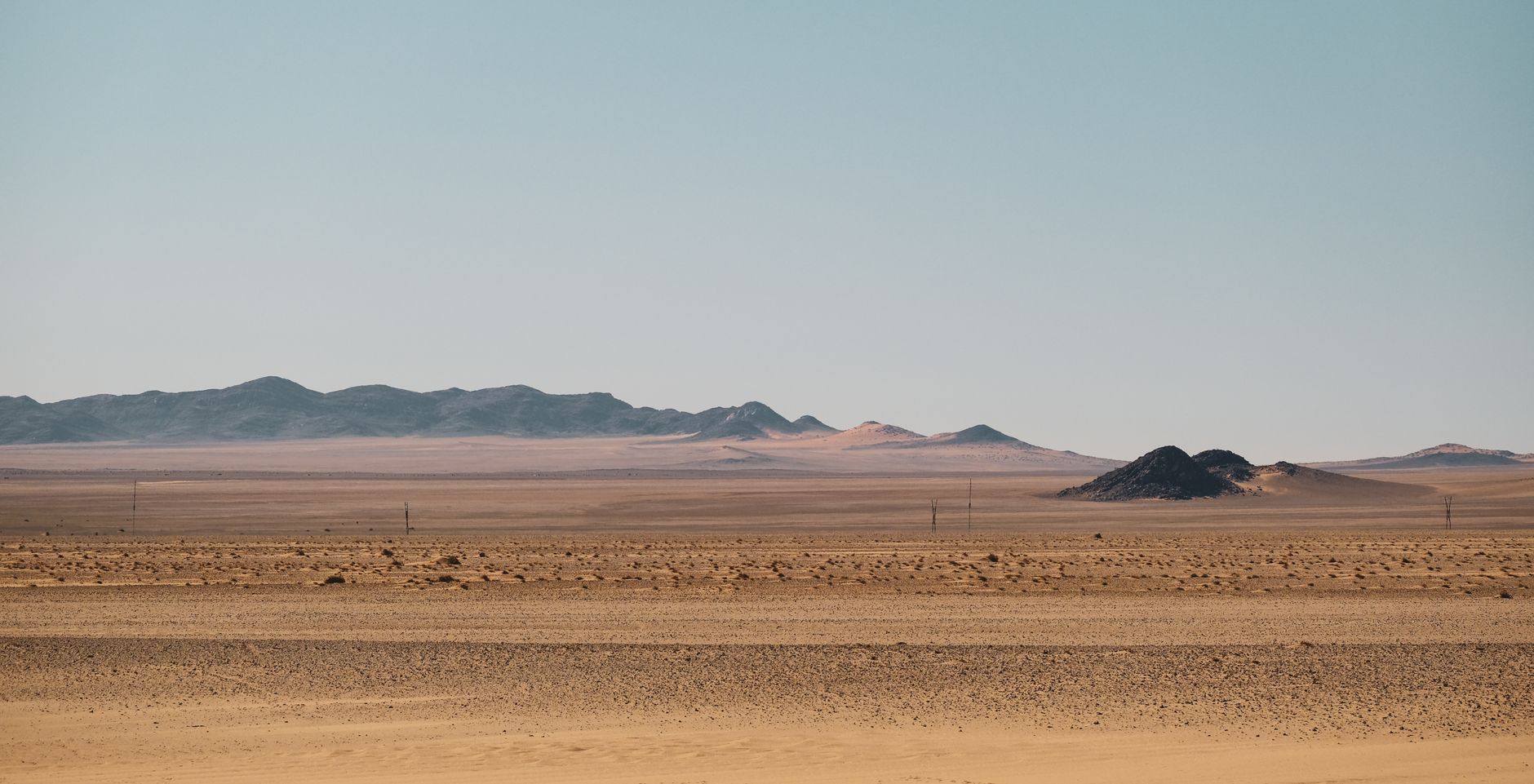
Arid cliffs and a thin desert stream in the Dang River valley below Mount Sanwei
What you'll see
The Sanwei Shan scenic area is a quiet pilgrimage landscape rather than a polished tourist park, and that is its charm. A path winds up the lower slopes past a cluster of temples and shrines that have been rebuilt over centuries. The centrepiece is Wangmu Palace (the Palace of the Queen Mother of the West), dedicated to the Daoist goddess Xiwangmu, whose myth is tied to these western mountains. Nearby stand the Laojun Hall, dedicated to Laozi, and the small Guanyin Well, a spring that locals consider sacred. Crowning the site is a modern bronze Buddha, roughly 36 metres tall, deliberately positioned to gaze across the valley toward Mogao, a contemporary echo of Lè Zūn's vision.
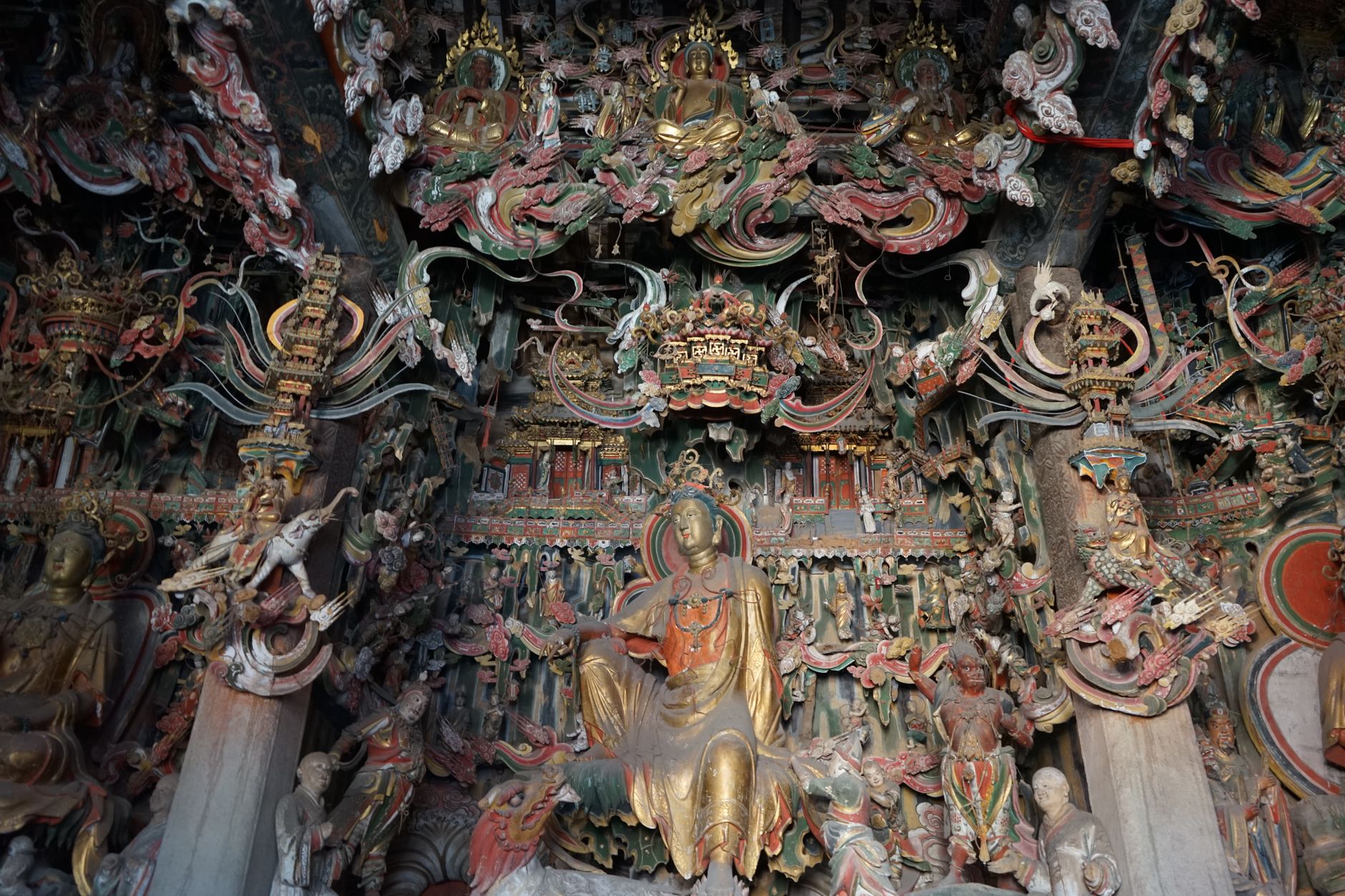
Gilded Buddhist statues and intricate carvings inside a mountain temple hall
Because Sanwei sees only a trickle of the crowds that fill Mogao and Mingsha, the experience is meditative: wind, gravel, faded prayer flags, and an enormous silence broken only by temple bells. The views back over the Gobi toward the green ribbon of the Dang River oasis are some of the best in the Dunhuang area, especially at sunset when the cliffs light up just as they did for the monk sixteen centuries ago.
Opening hours
The scenic area is generally open year-round, roughly 08:00–18:00, with shorter daylight access in winter. Allow two to three hours to walk up to the temples and the bronze Buddha and back; combined with a Mogao visit it makes a comfortable half-day.
Tickets
Entry is modest and far cheaper than Mogao: figures cited for the fee vary depending on the source and season, and rates shift around temple-fair events, so confirm the current price at the gate rather than relying on any number you read in advance. Tickets are bought at the gate; no advance booking is normally required, in contrast to Mogao's strict reservation system.
Getting there
Mount Sanwei lies about 25 km south-east of central Dunhuang, on the same side of the city as the Mogao Caves. There is no convenient public bus, so the practical options are a chartered car, taxi, or a stop added to a Mogao day-trip (many drivers will combine the two). The road is paved and the drive takes around 40 minutes from the city centre. GCJ-02 coordinates (for Amap navigation) are 40.0348, 94.8668.
Best season
The ideal months are late April to June and September to October, when the desert days are warm but not brutal and the light is clear. Summer afternoons can exceed 35 °C with little shade, so start early and carry water; winter is cold and stark but beautifully empty. The single best time for atmosphere is the annual temple fair on the eighth day of the fourth lunar month (the Bathing-of-the-Buddha festival, usually in May), when pilgrims fill the slopes with incense, opera and food stalls.
Why it's worth the detour
Sanwei is not about ticking off a famous sight: it is about standing where Dunhuang's whole legend began, on a mountain that links the Book of Documents, the myth of the Queen Mother of the West, and the founding of the greatest Buddhist cave complex on the Silk Road. For travellers who want more than the headline attractions, it is the quiet keystone of the entire Dunhuang story.
Highlights
- The mountain whose golden 'Buddha-light' inspired the first Mogao cave in 366 AD
- Wangmu Palace, temple of the Daoist Queen Mother of the West
- A 36-metre bronze Buddha gazing across the valley toward Mogao
- One of the oldest place names in China, recorded in the Book of Documents
- Sweeping Gobi and Dang River oasis views, especially at sunset
- Far quieter and cheaper than nearby Mogao and Mingsha
Travel Tips
Combine with Mogao
Sanwei sits on the same road as the Mogao Caves; ask your driver to add it to a Mogao day-trip for the best value.
Go at sunset
The cliffs glow gold in late afternoon, the same light that inspired the monk Le Zun. Bring a hat and water; there is little shade.
Check the price and fair dates
The entry fee is modest compared with Mogao, but reported prices vary and access can change around the temple fair on the 8th of the 4th lunar month, so confirm at the gate before you go.