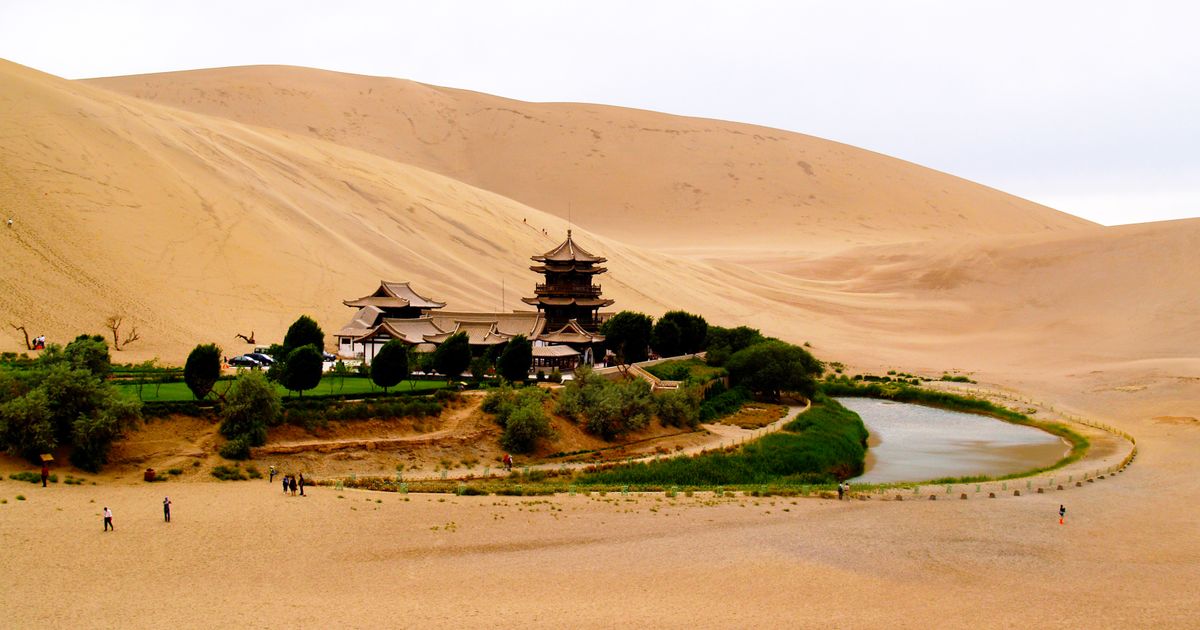
China
Dunhuang
Dunhuang: plan your Mogao Caves visit first
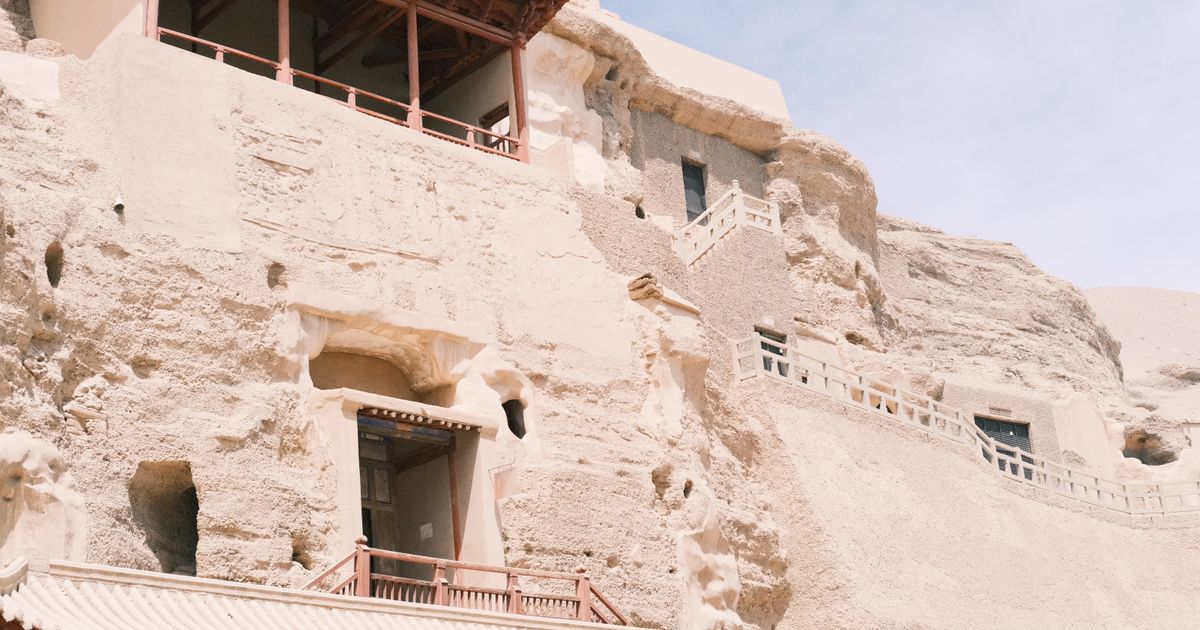
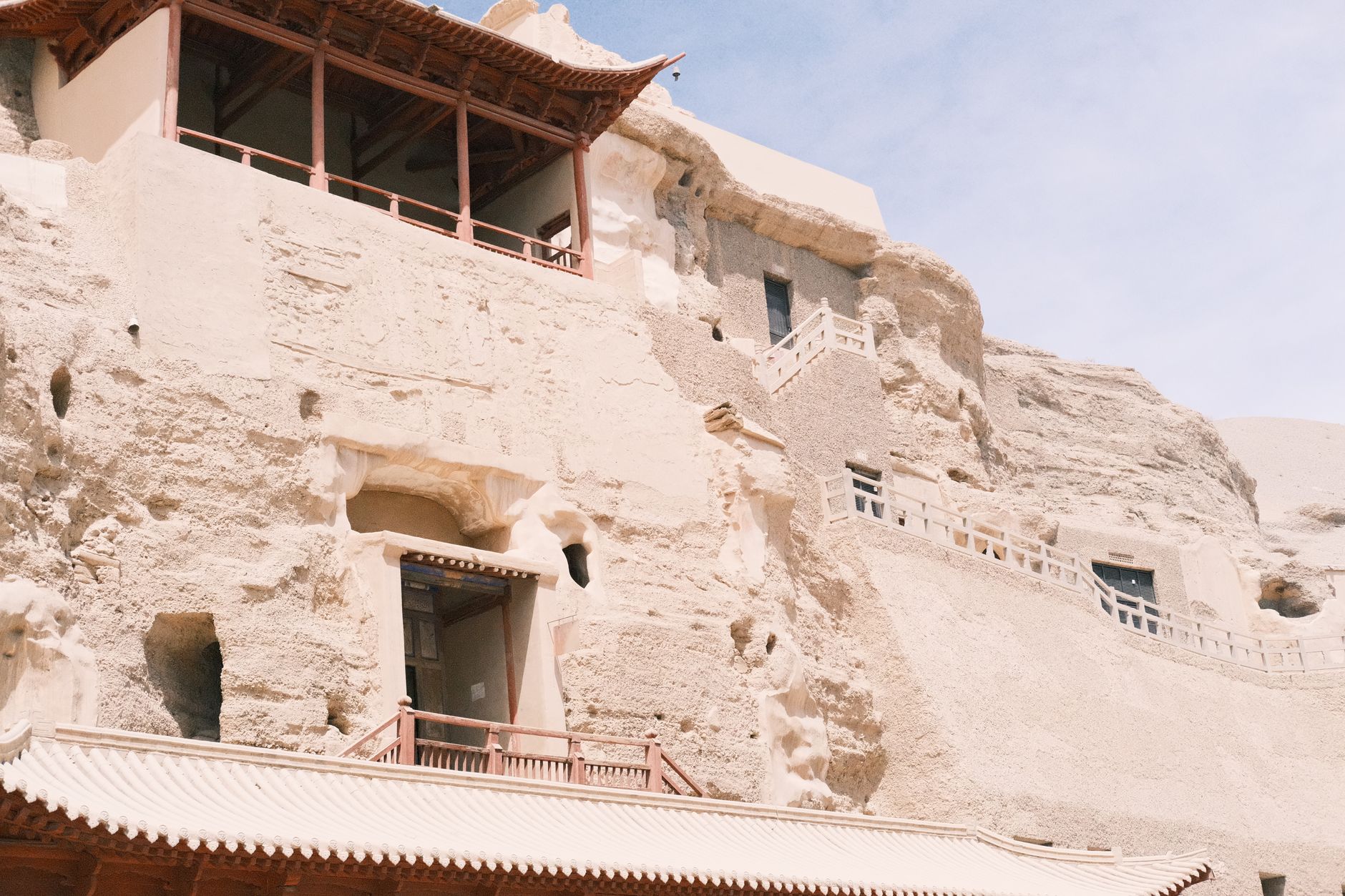
For many travelers, the key fixed point in a Dunhuang itinerary is the Mogao Caves, southeast of the Dunhuang oasis in Gansu Province. Treat your reservation time as the anchor for the day: entry is tied to a real-name, timed booking and identity verification.
2026 opening hours
| Period | Opening hours | Last admission |
|---|---|---|
| April 1 to November 30 | 08:00–18:00 | 16:10 |
| December 1 to March 31 | 09:00–17:00 | 15:10 |
These are the published 2026 visitor hours. Check your booked time carefully rather than relying only on the closing hour.
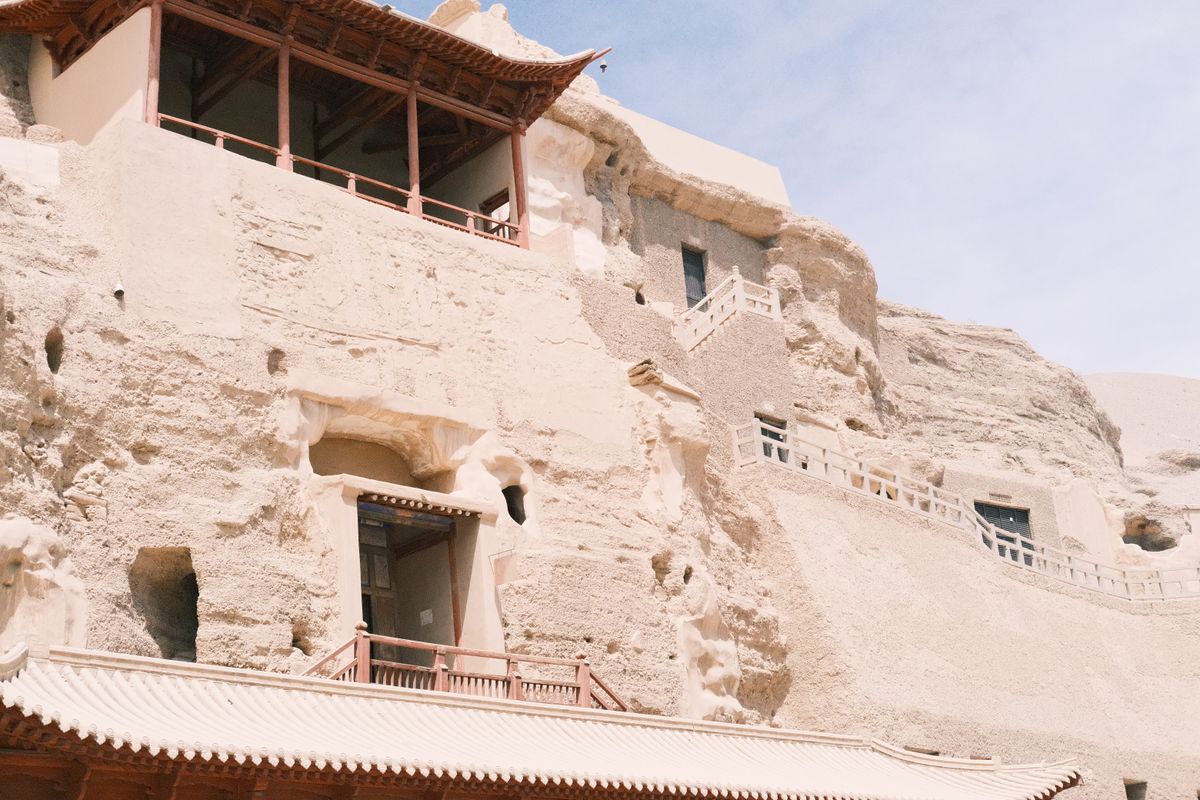
Dunhuang travel view 1
Booking with a foreign passport
Mogao Caves visits require a real-name, timed reservation. Bring the valid identity document used for the booking, since admission verification is part of the visit process.
Foreign-passport holders can use the official Mogao Caves Reservation WeChat service account and choose “Ticket Booking.” Keep the booking details and your passport together before leaving for the site.
Where and when to arrive
Arrive at the Mogao Caves Digital Display Center 30 minutes before your reserved time. The official notice lists its address as 8899 East Yangguan Road, Dunhuang.
That early arrival is worth building into your plan. A late arrival can put a timed visit under pressure, even if the caves are still open for the day.
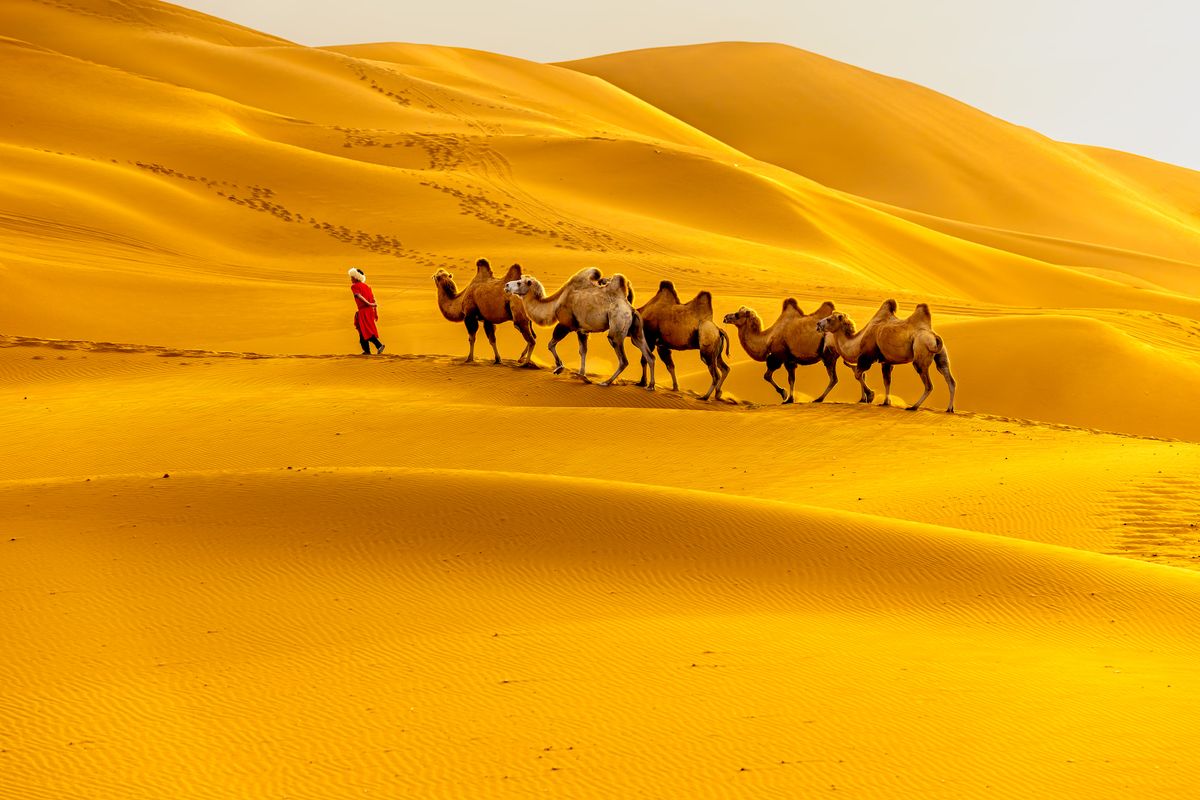
Dunhuang travel view 2
Weather can change the plan
Severe rain or sandstorms can lead to closures. If a closure affects an unused reserved ticket, the Dunhuang Academy says it will issue a full refund. Keep an eye on conditions close to your visit and leave room in your schedule for a change.
A simple visit checklist
- Reserve a timed slot using the identity document you will carry.
- For a foreign passport, use the official reservation WeChat service account’s “Ticket Booking” option.
- Go to the Digital Display Center, not directly to an assumed entrance, and arrive 30 minutes early.
- Recheck the seasonal hours and last-admission time for your date.
- Be prepared for severe-weather disruption and retain your reservation details.
Dunhuang planning is easiest when the Mogao Caves booking comes first. Once that time is secure, keep the surrounding day flexible enough to meet the arrival requirement and handle weather changes.
Highlights
- The Mogao Caves are southeast of the Dunhuang oasis in Gansu Province.
- Published 2026 hours run from 08:00–18:00 between April 1 and November 30.
- Published winter hours run from 09:00–17:00 between December 1 and March 31.
- Visits use real-name, timed reservations with identity verification.
- Foreign-passport holders can book through the official WeChat reservation service.
- Arrive at the Digital Display Center 30 minutes before the reserved time.
Travel Tips
Book with the document you will carry
Admission verification requires the valid identity document used for the real-name reservation. Keep it with you on the visit day.
Use the official foreign-passport route
Foreign-passport holders can select “Ticket Booking” in the official Mogao Caves Reservation WeChat service account.
Plan for the Digital Display Center
Arrive 30 minutes before your reserved time at 8899 East Yangguan Road, Dunhuang.
Keep weather flexibility
Severe rain or sandstorms may close the caves. Unused reserved tickets affected by a closure receive a full refund according to the Dunhuang Academy.