Chengdu
Du Fu Thatched Cottage
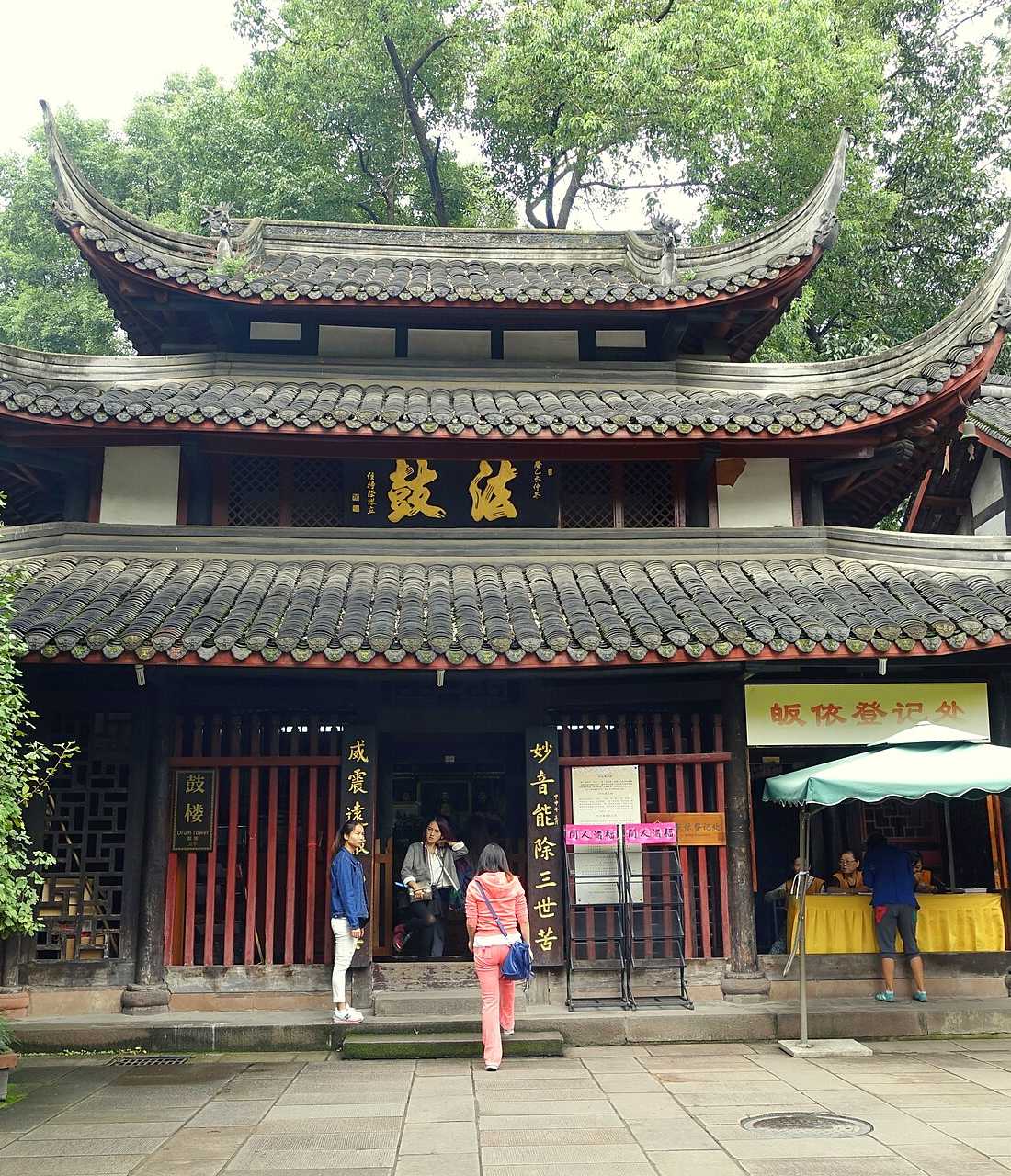
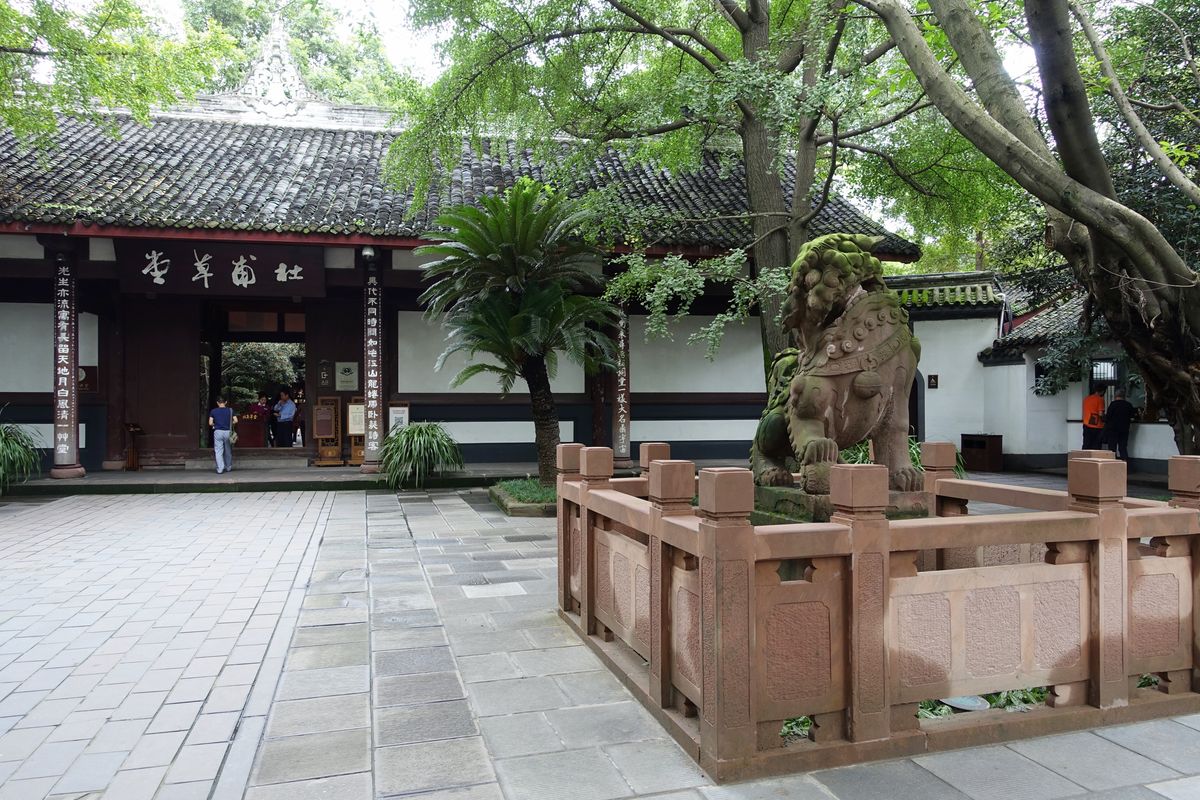
Du Fu Thatched Cottage (Dufu Caotang) preserves the former home of Du Fu, widely regarded as China's greatest classical poet. Fleeing war in 759 AD, the Tang-dynasty master settled on the banks of the Huanhua Stream in Chengdu, where over roughly four years he composed some 240 of the poems that survive today. Later dynasties turned the site into a memorial park of halls, pavilions and a recreated thatched hut set among bamboo, plum trees and old growth.
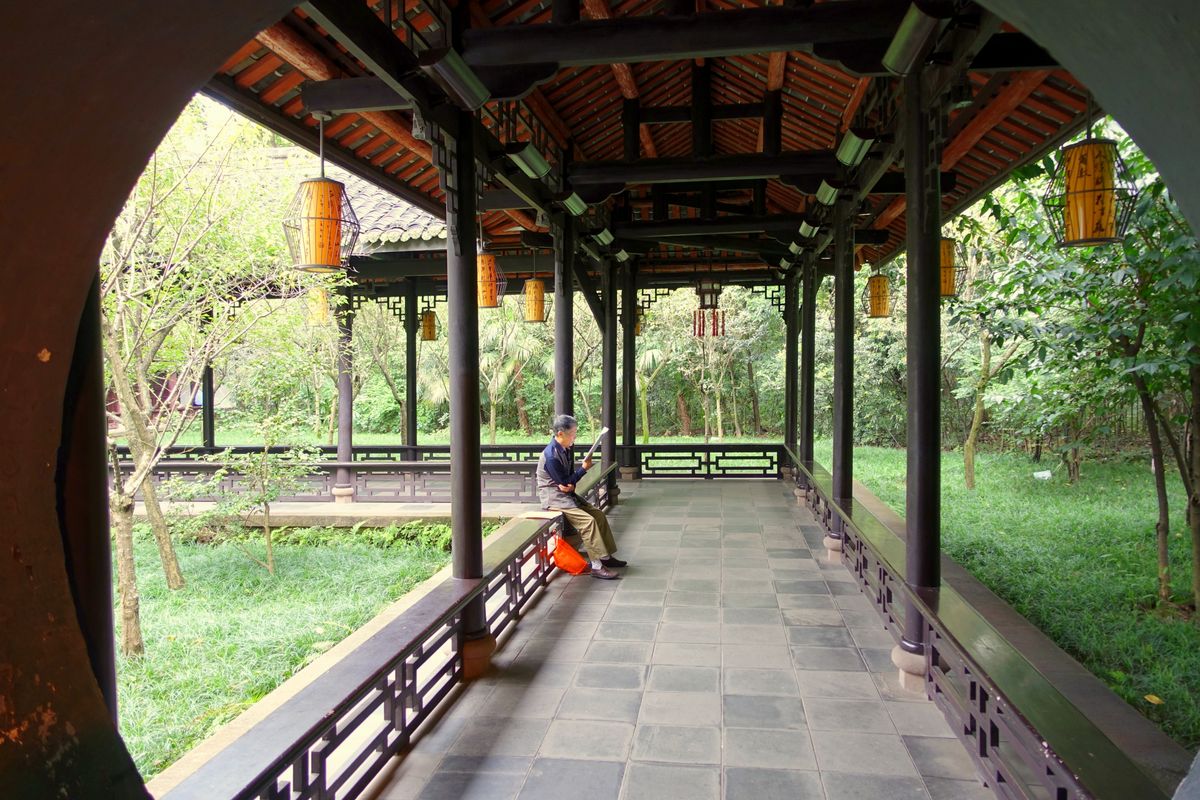
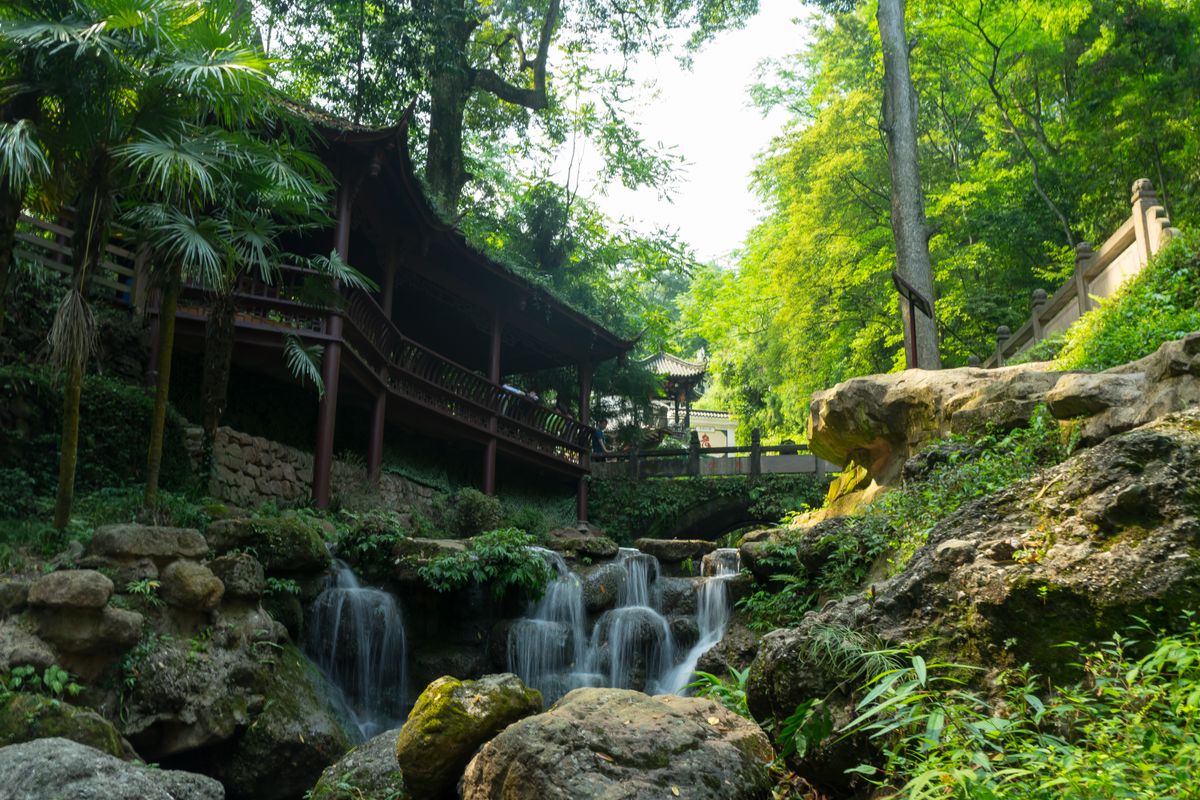
Covered corridor and greenery in the Du Fu Thatched Cottage gardens, Chengdu
What to See
The park works as much as a classical garden as a museum. Follow the axis through the Great Hall and the Hall of Poetic History to the Gongbu Shrine, then continue to the reconstructed thatched cottage that gives the site its name. Calligraphy, steles and exhibits trace Du Fu's life and verse, while winding paths, streams and groves make it one of the most peaceful escapes in the city.
- The recreated thatched hut and the "Shaoling" memorial.
- Halls displaying woodblock editions and calligraphy of Du Fu's poems.
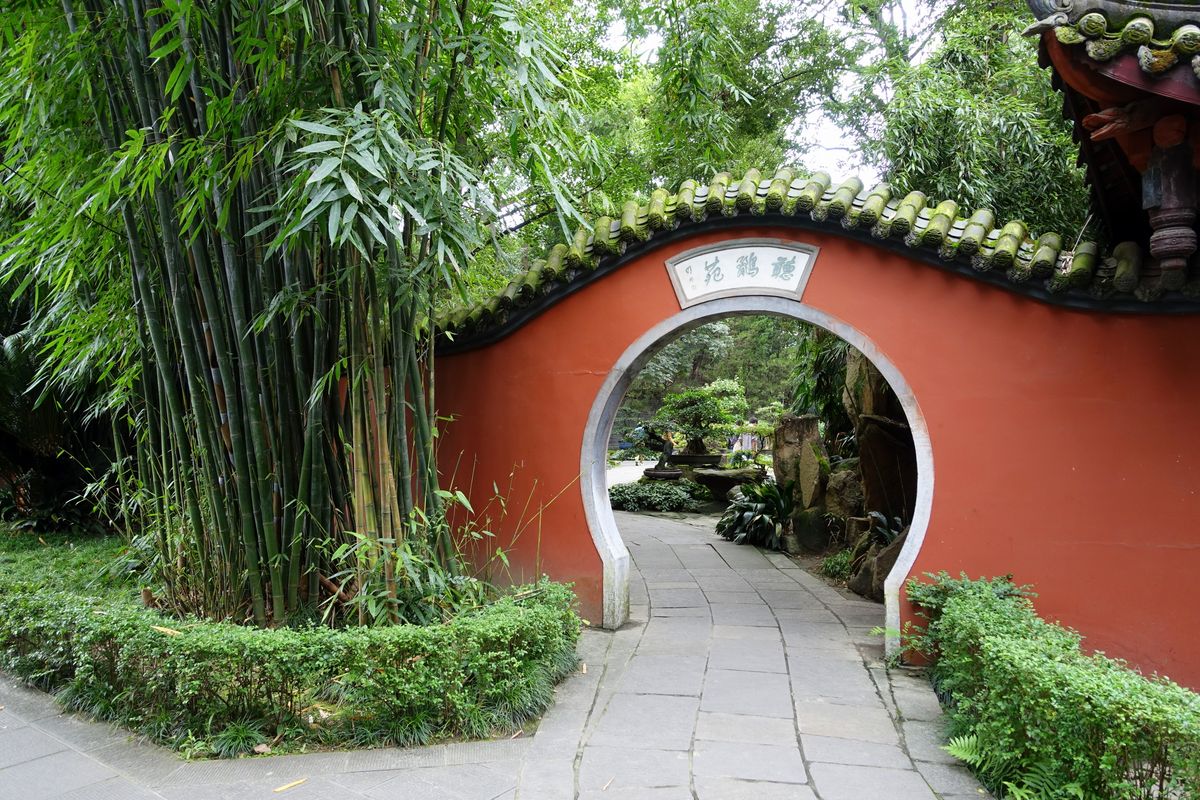
- Bamboo groves, plum gardens and a red-walled bamboo path much like the one at Wuhou Shrine.
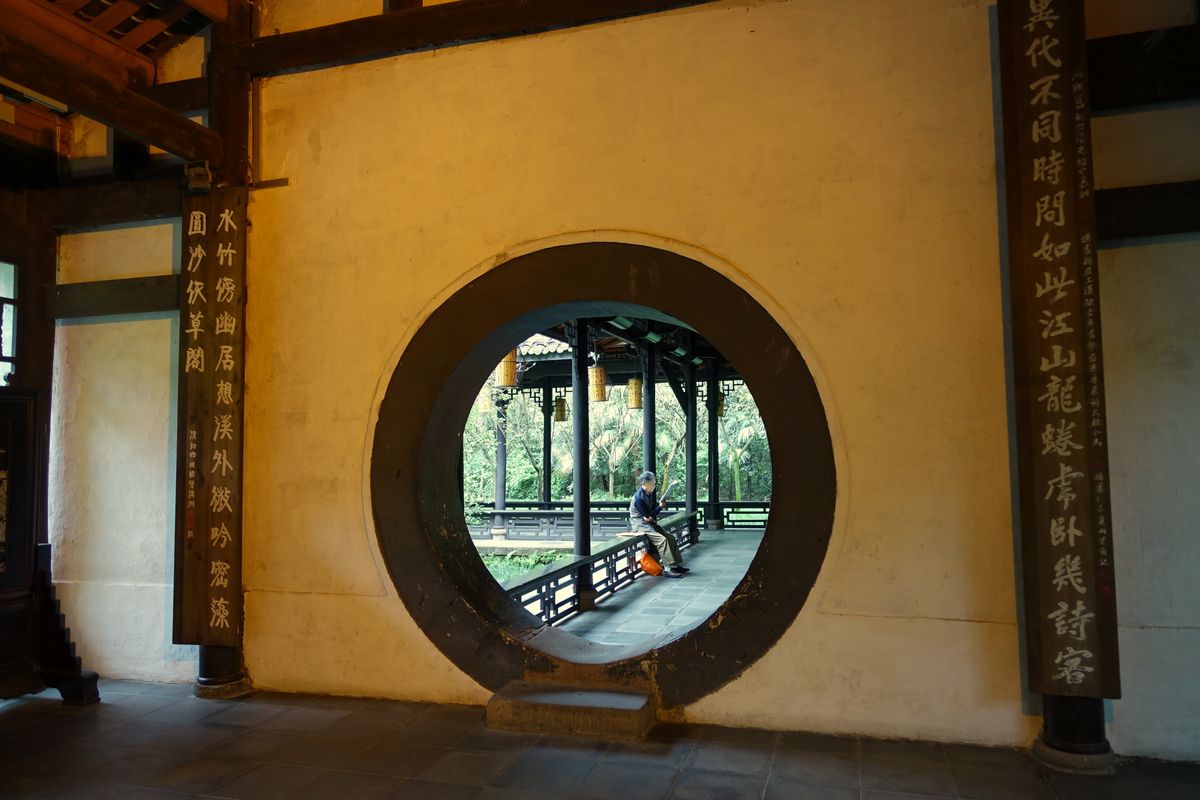
Doorway and classical architecture in the Du Fu Thatched Cottage, Chengdu
Opening Hours and Tickets
Standard hours run roughly 9am to 6pm, with the ticket window closing about an hour before closing; hours can stretch later during the peak summer months, so it's worth checking the museum's own channels the morning you go. Entry costs a modest fee, visitors 60 and over enter free with ID, and students get a discount. Budget around 1.5-2 hours for an unhurried visit.
Chinese visitors typically reserve a dated, real-name ticket online through the museum's WeChat account, up to two weeks ahead, then enter with ID; walk-up tickets aren't guaranteed on weekends or holidays. If you don't have a mainland ID or WeChat set up in advance, booking through a reseller such as Klook sidesteps the real-name system entirely.
Getting There
A Metro Line 13 station named "Du Fu Thatched Cottage" opened right beside the site in December 2025, so it's now a short walk straight from the platform, the most direct route yet. The older option still works too: Line 4 to Caotang Road North, then about a 15-minute walk. Either way it's roughly 8 km from the city centre. It pairs naturally with the nearby Qingyang Palace and the Jinsha Site Museum.
Best Season
Late winter into early spring is special, when the plum blossoms open. Spring and autumn are the most comfortable overall; the dense greenery also makes summer mornings pleasant and shaded.
Practical Tips
A basic grasp of Du Fu's story deepens the visit, so consider an audio guide. Mornings are quietest, and the site pairs well with Qingyang Palace for a calm half-day of classical Chengdu.
Highlights
- Former Chengdu home of Du Fu, China's greatest classical poet
- Recreated thatched hut where some 240 poems were written
- Serene classical garden of bamboo, plum and ancient trees
- Halls of calligraphy, steles and rare woodblock poem editions
- New Metro Line 13 station opened right at the entrance in Dec 2025
- One of the most peaceful escapes within the city
Travel Tips
Bring context
Read a little about Du Fu or rent an audio guide; the poetry brings the gardens to life.
Book ahead
Reserve a dated ticket a few days out, especially on weekends; the museum runs a real-name booking system rather than open walk-up entry.
Plum-blossom season
Visit in late winter/early spring to catch the plum gardens in bloom.
Combine nearby
Pair with Qingyang Palace or the Jinsha Site Museum for a classical half-day.