Dali First-Time Itinerary: A Practical 3-Day Route for 2026
Quick answer: Spend all three nights near Dali Ancient City, then divide your trip into the historic center and Three Pagodas, Xizhou and Erhai's west shore, and Cangshan. Keep the mountain day flexible because wind and rain can affect access.
This route suits a first visit because it groups nearby places instead of attempting a rushed circuit around Erhai. Day 1 introduces Dali's historic core, Day 2 focuses on Bai culture and the lakeshore, and Day 3 uses the clearest morning for Cangshan.
Book Dali trains and hotels
Keep your transport and stay in one English-language booking flow
Some links are affiliate links; we may earn a commission at no extra cost to you.
For rail tickets alone, 12306 is China Railway's official booking channel [S9]. Trip.com is the convenient commercial option above, while 12306 is the official alternative.
Dali 3-day itinerary at a glance
| Day | Morning | Afternoon | Evening |
|---|---|---|---|
| 1 | Dali Ancient City | Chongsheng Temple and Three Pagodas | Dinner and a quieter second walk through the old lanes |
| 2 | Xizhou Ancient Town | A selected section of the Erhai Ecological Corridor | Return to Dali Ancient City |
| 3 | Cangshan in the best weather window | Flexible buffer or a missed Day 1 stop | Departure or final dinner |
Treat the times below as a pacing plan, not published opening hours. Admission rules, cableway operations and transport schedules can change. Check each attraction's official notice or verified booking page the day before visiting.
Before Day 1: where should a first-time visitor stay?
Book a hotel on the edge of Dali Ancient City rather than deep inside a pedestrian lane. You will still be able to walk into the historic center, while luggage transfers and early departures should be easier. Confirm that a driver can reach the property's entrance before paying for a non-refundable room.
Dali Railway Station is in the modern urban area commonly called Xiaguan, not beside Dali Ancient City. The Dali government travel page lists connections between the station and the historic center, but that page is older and should not be treated as a live timetable [S1]. On arrival, show your accommodation's Chinese name and address to a licensed taxi or ride-hailing driver, or check the current bus route in a Chinese map app.
A 2026 local government notice advises passengers to plan ahead during peak travel periods [S8]. Reserve long-distance trains before the trip, especially around national holidays, summer weekends and major festivals.
Day 1: Dali Ancient City and the Three Pagodas
08:30–11:30: learn the old city on foot
Begin around the southern side of Dali Ancient City and walk toward its central streets without trying to photograph every gate. The old city sits between Cangshan and Erhai and remains one of Dali's principal historic attractions [S1]. Give yourself time to inspect Bai-style courtyards, side lanes and small shops away from the busiest axis.
Use the first hour to establish your bearings. Save shopping until the evening so you do not carry purchases through the Three Pagodas complex. If you arrived late the previous night, this slow start also allows for breakfast and altitude adjustment before a longer afternoon walk.
11:30–13:00: choose a simple local lunch
Look for a busy restaurant with a short menu and clearly displayed prices. Useful local dishes to recognize include grilled or fried rushan, a traditional Dali dairy product, and Xizhou baba, a filled or topped flatbread associated with the area [S10, S11]. Ask about meat, chilli and allergens rather than relying on an automatic translation of the dish name.
13:30–16:30: visit Chongsheng Temple and Three Pagodas
Travel to the Three Pagodas complex north of the old city. The site stands below Cangshan and includes the three historic towers and the reconstructed Chongsheng Temple complex. Dali's official attraction profile identifies the pagodas as nationally protected heritage and dates their origins to the Tang period [S2].
Allow two to three hours at an unhurried pace. Start with the classic view of the three towers, then continue uphill only as far as your energy allows. The grounds cover more than the landmark photograph suggests. Do not plan another major attraction immediately afterward.
The official page reviewed for this itinerary does not provide a stable 2026 ticket price or current daily hours. Check the attraction's same-week notice before paying through a reseller. Carry your passport because ticketed Chinese attractions may require identity information.
17:00 onward: return to the old city
Use the evening for the streets you skipped in the morning. Dinner is more enjoyable if you move one or two lanes away from the busiest entrances and compare posted menus first. If you want an early start at Xizhou, arrange the next morning's car with your hotel before going to bed.
Day 2: Xizhou and Erhai's west shore
08:00–12:30: Xizhou Ancient Town
Go north to Xizhou after breakfast. Xizhou is known for Bai cultural traditions, historic residences and the agricultural landscape around the town [S3]. This is a better place for a slow cultural morning than a brief photo stop.
Walk through the central lanes, examine courtyard architecture from public areas, and leave room for a fresh Xizhou baba. Some residences operate as museums, shops or guesthouses, while others remain private homes. Treat doorways and working fields as lived-in spaces, ask before photographing people, and do not enter courtyards without permission.
A sensible visit lasts through lunch. This prevents Day 2 from becoming a sequence of car transfers and gives you time to notice the contrast between Xizhou's town center, Bai buildings and surrounding farmland.
13:00–17:30: choose one Erhai corridor section
Continue to a convenient portion of the Erhai Ecological Corridor on the west side of the lake. The completed ecological corridor extends for 129 kilometres and links numerous lakeside communities [S4]. That figure describes the broader protected corridor, not a recommended single-day cycling distance.
Rent a bicycle only for a manageable out-and-back section, or walk between two agreed pickup points. Before accepting a rental, photograph the bicycle's condition, test both brakes, confirm the return location and ask how overtime is charged. Keep clear of pedestrians and use only areas where cycling is permitted.
Do not build your first Dali visit around a full Erhai loop. The lake is larger than it appears on a map, and a complete circuit leaves little time for Xizhou or unplanned stops. A shorter west-shore segment gives you lake views while preserving the cultural focus of the day.
Erhai is a protected highland lake. Stay on designated paths, carry out rubbish and follow barriers around restoration areas. The corridor was built as part of a long-term ecological protection program, so access rules take priority over a desired photograph [S4].
Return to Dali Ancient City for dinner. Ask the driver to confirm your hotel name before departure because similarly named properties are common.
Day 3: Cangshan, with a weather-based backup
07:00: check conditions before committing
Look at the mountain, check the local forecast and ask your accommodation to verify the current scenic-area notice. Dali has a plateau monsoon climate. Most annual rain falls from May through October, while November through April is generally drier [S7]. Conditions on Cangshan can still differ from those beside Erhai because elevation changes rapidly.
If the forecast offers one clear morning during your stay, assign that morning to Cangshan even if it means swapping Days 2 and 3.
08:00–13:30: use an officially open Cangshan route
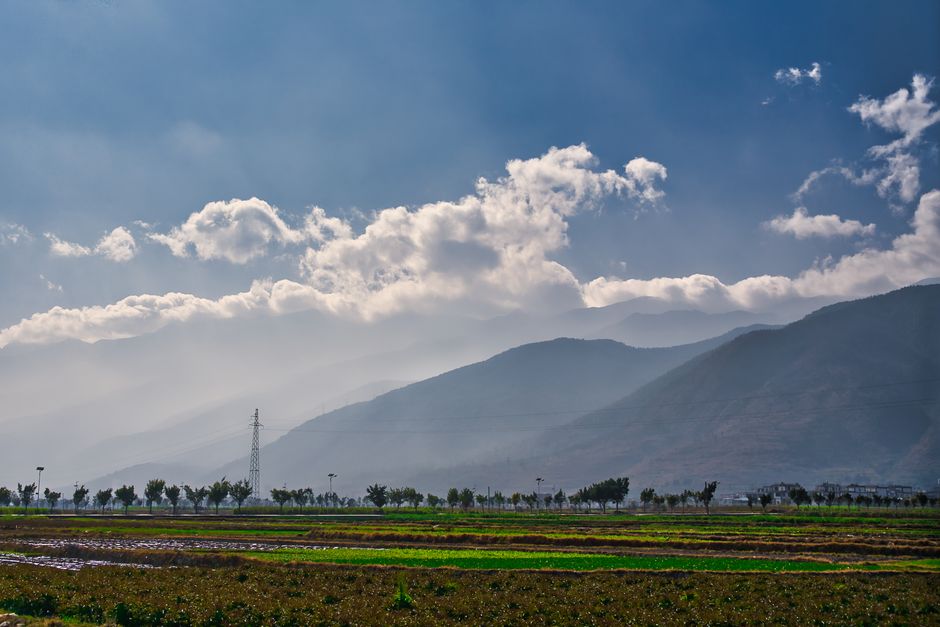
Cangshan forms the mountain wall west of Dali and has pronounced changes in elevation, vegetation and weather. Dali's official profile describes the Ximatan cableway route from the lower scenic area through Qilongnv Pools toward Ximatan [S5]. Which sections are operating can depend on conditions, so select only a route confirmed open that morning.
Carry water, sun protection, a light rain shell and a warm layer. Wear shoes with grip. Do not assume lakeside temperatures describe the upper mountain, and do not leave marked paths to find an uncrowded viewpoint.
A 2026 government safety notice tells visitors to remain inside open tourist areas and stay out of Cangshan's core, buffer and closed zones [S6]. This is both a safety rule and an environmental restriction. Ignore social-media shortcuts that cross fences or claim access to an unofficial trail.
14:30–17:30: keep a genuine buffer
After descending, use the afternoon for lunch, rest and anything missed on Day 1. This buffer also protects the itinerary if the mountain opens late, visibility improves slowly or transport takes longer than expected.
If Cangshan is closed, do not replace it with an improvised mountain hike. Choose another approved section of the Erhai corridor, return to Xizhou for a deeper visit, or spend more time in Dali Ancient City. The goal is a safe third day, not forcing every landscape into the schedule.
What should you budget for?
Separate your budget into five parts:
- Accommodation near Dali Ancient City.
- Arrival and departure transport between the station or airport and your hotel.
- A licensed car or ride-hailing trips for Xizhou and the lakeshore.
- Admission and any operating cableway on Cangshan.
- Meals, bicycle rental and small purchases.
Exact attraction prices are omitted because the official pages reviewed do not publish dependable 2026 rates. Compare the attraction's current notice with any reseller listing before purchase, and check what the quoted amount includes.
Mistakes that waste time in Dali
- Confusing Dali Railway Station with Dali Ancient City: They are separate arrival and sightseeing areas. Save your hotel's Chinese address offline.
- Trying to circle Erhai and visit Xizhou in one relaxed day: Select a west-shore section instead.
- Fixing Cangshan to a poor-weather morning: Swap Days 2 and 3 when the clearer window appears.
- Following unofficial mountain trails: Cangshan has protected and closed zones [S6].
- Trusting an old ticket or bus screenshot: Verify current hours, prices and routes shortly before travel.
- Scheduling a tight departure after the mountain: Weather-related operating changes can consume your buffer.
Who will enjoy this route?
This itinerary works well for first-time visitors who want a balanced introduction to Dali's history, Bai culture, lake landscape and mountains. It assumes you can walk for several hours with breaks and are comfortable arranging a few local transfers.
It is less suitable for travellers who want a full-day mountain trek, a complete Erhai cycling circuit, or several distant towns. Add at least one extra day for any of those goals.
Frequently asked questions
Are three days enough for Dali?
Three full days are enough for the Ancient City, Three Pagodas, Xizhou, a selected stretch of Erhai's west shore and one weather-dependent Cangshan visit. Three days are not enough for a relaxed full-lake circuit plus distant places such as Shaxi.
Should I stay in Dali Ancient City or Xiaguan?
For this sightseeing plan, the edge of Dali Ancient City is the more convenient base. Xiaguan can make sense for a short overnight connection or an early railway departure, but it adds transfers to most stops in this itinerary.
Can I swap the days?
Yes. Keep Day 1 after arrival, then assign the clearest morning to Cangshan. Xizhou and the Erhai corridor are easier to rearrange around the mountain forecast.
Do I need to reserve every attraction?
Reserve your train and accommodation first. For attractions, check current identity requirements, ticket availability and operating notices shortly before the visit. Cangshan deserves a same-day status check.
What should I pack for Dali?
Bring walking shoes, layers, sun protection and a compact rain shell. Add stronger rain protection from May through October, Dali's wetter half of the year [S7]. Keep your passport, hotel address and essential booking details available offline.
Sources
- Dali Ancient City scenic-area profile and transport guide · Dali Bai Autonomous Prefecture People's Government
- Chongsheng Temple and Three Pagodas scenic-area profile · Dali Bai Autonomous Prefecture People's Government
- Xizhou and Bai cultural heritage · Yunnan Provincial Ethnic and Religious Affairs Commission
- Erhai protection and the 129-kilometre ecological corridor · Dali Bai Autonomous Prefecture People's Government
- Cangshan scenic-area and Ximatan cableway profile · Dali Bai Autonomous Prefecture People's Government
- 2026 Cangshan visitor safety notice · Dali Bai Autonomous Prefecture People's Government
- Dali climate background · China Weather Network
- 2026 passenger planning notice for Dali Railway Station · Dali Bai Autonomous Prefecture People's Government
- China Railway 12306 English booking website · China State Railway Group
- Traditional Dali rushan dairy food · Dali Bai Autonomous Prefecture People's Government
- Dali heritage, Xizhou baba and local food traditions · Yunnan Provincial Department of Civil Affairs