China
Harbin
Harbin travel basics
Harbin is the capital of Heilongjiang Province. It lies in southwestern Heilongjiang, in northeastern China. For a first visit, the main planning fact is its climate: Harbin has a temperate continental monsoon climate with long, cold winters.
Start with the season
Winter preparation should be the first item on your Harbin plan, not an afterthought. The reported average January minimum is about −24°C. Treat that figure as a reason to build flexibility into each day and to choose clothing that lets you adjust layers easily.
A simple approach works well: plan one main outdoor period, leave room to warm up and rest, then decide how much more time outside feels comfortable. Keep spare dry socks and gloves accessible rather than packed away. Check your own comfort and the day’s conditions before extending time outdoors.
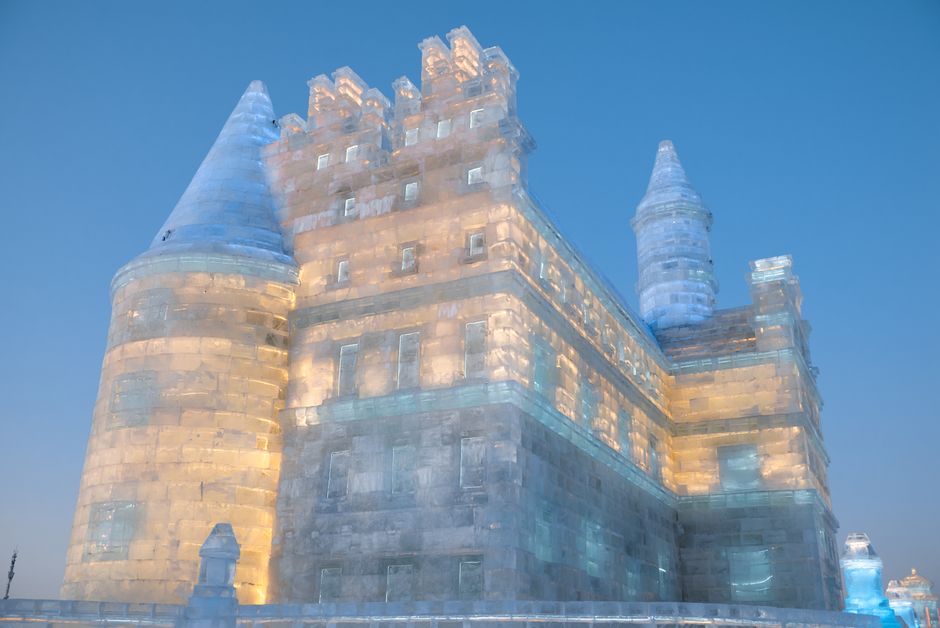
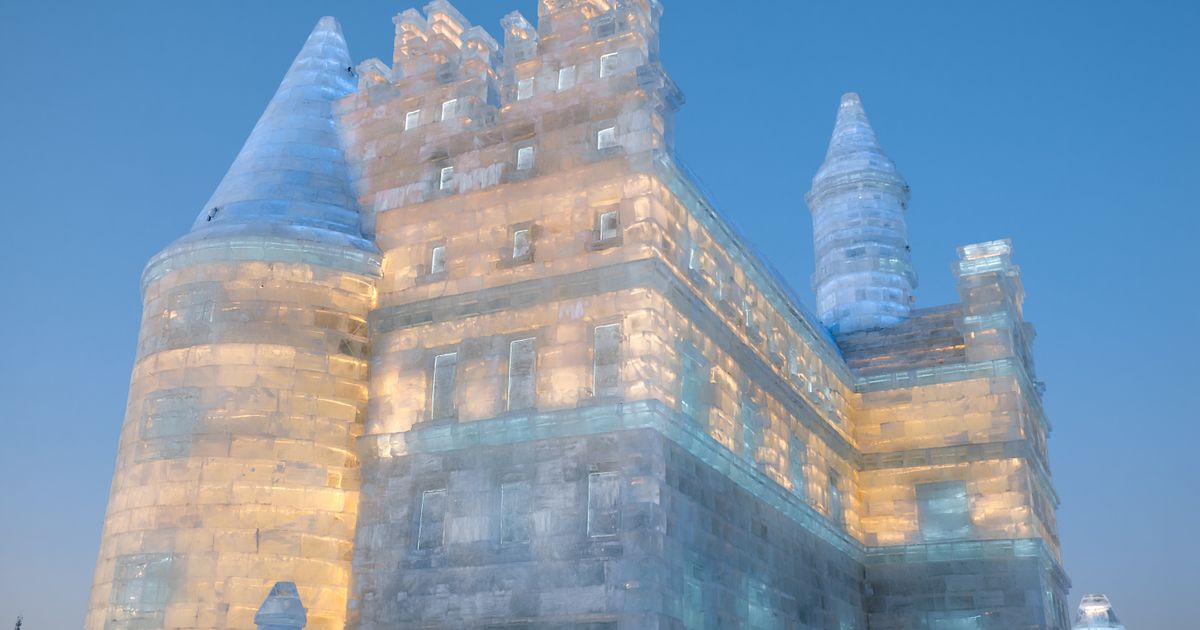
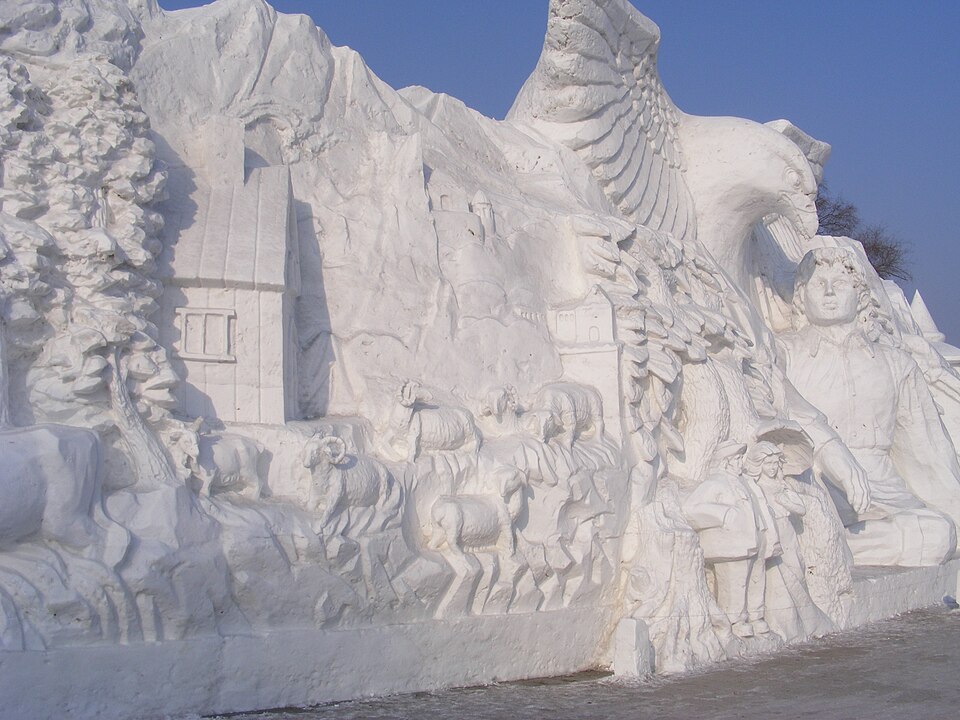
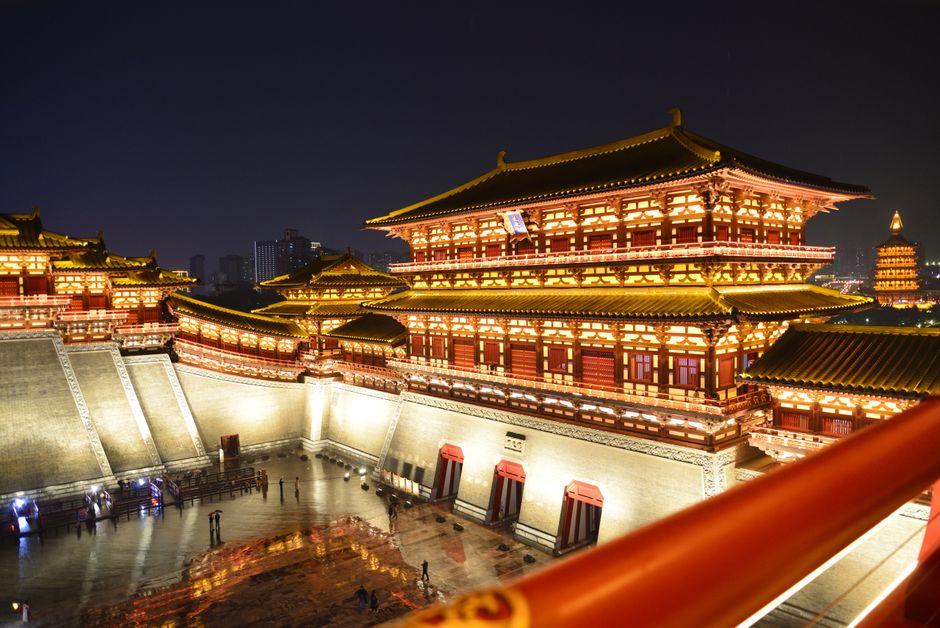
A stunning ice castle glowing with warm lights against a clear evening sky, showcasing winter's artistic beauty.
Pack for cold, not for photographs
Choose practical layers over a single heavy item. Start with a close-fitting base layer, add insulation, and use an outer layer that blocks wind. Cover hands, ears, and neck. Footwear should be warm, stable, and comfortable for the amount of walking you expect to do.
Bring a small bag for items that need to stay dry. A power bank, medication, and any travel documents are easier to manage when they are kept together and protected from the cold.
Set a realistic daily rhythm
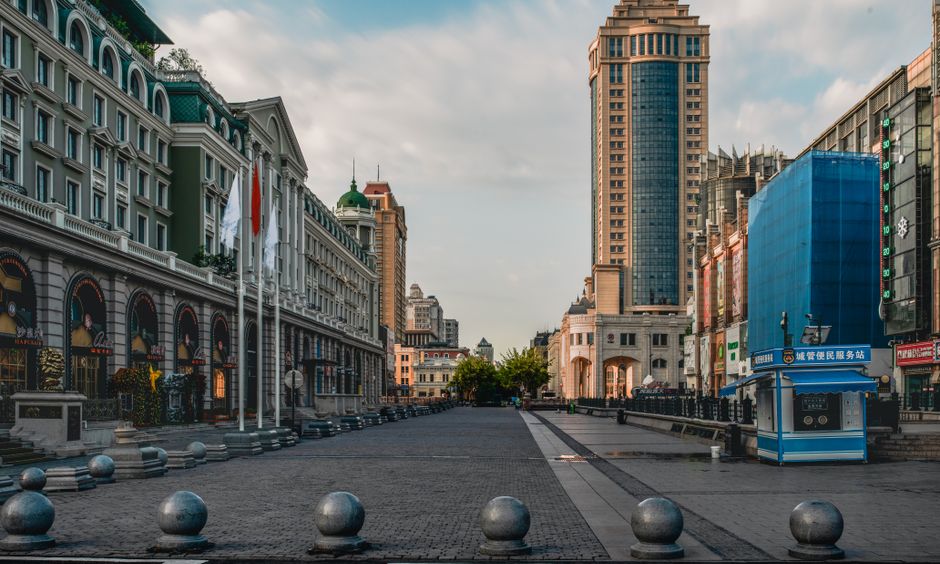
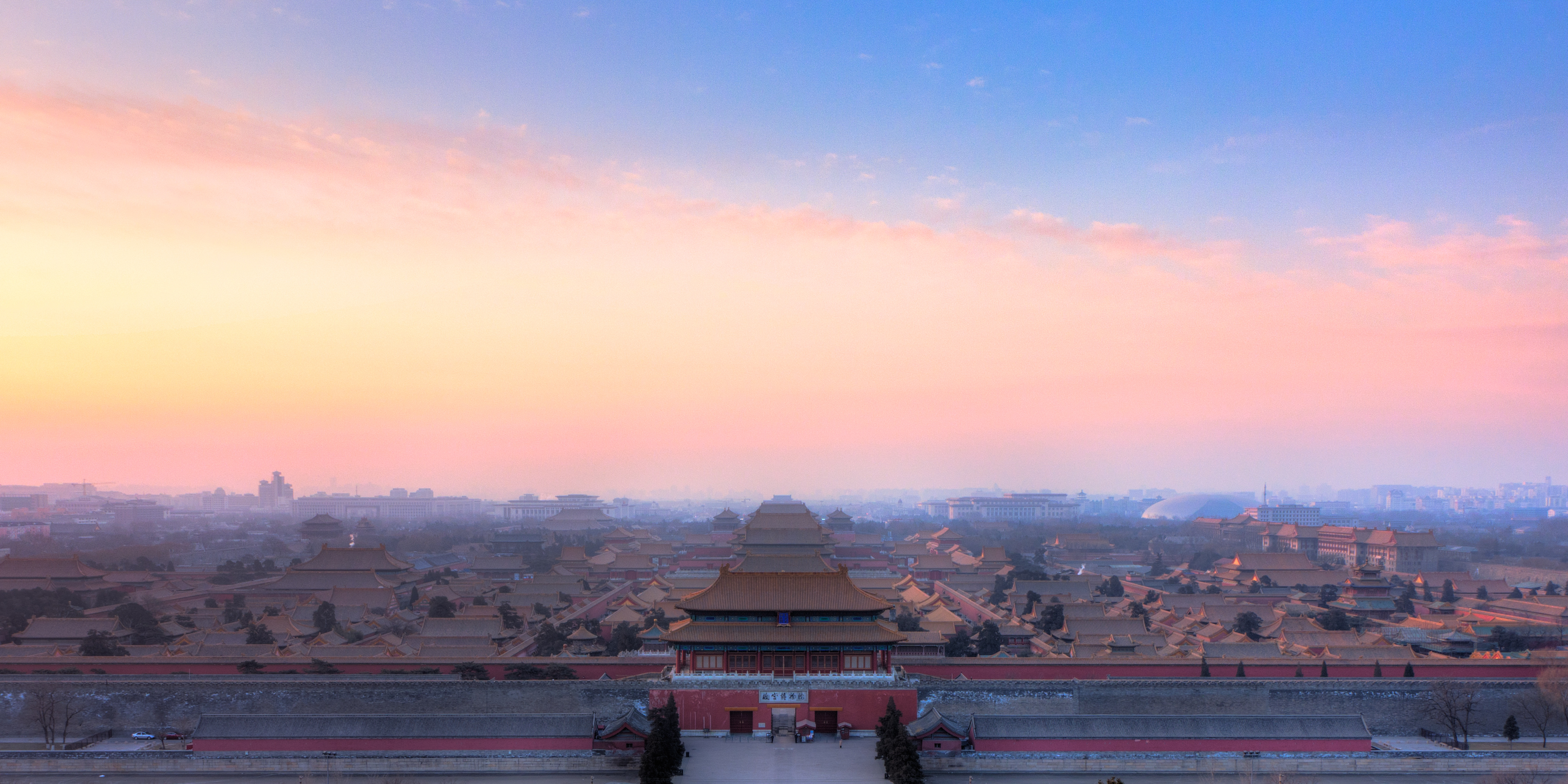
View of Harbin's Central Avenue with classic and modern buildings.
The long winter is part of Harbin’s travel character. Plan conservatively at first, especially if you have not spent much time in severe cold. Make your itinerary easier to shorten, rather than treating every hour as fixed.
Travel companions can feel cold differently. Agree on a simple check-in point during the day: if someone is uncomfortable, pause and warm up. That makes the trip more enjoyable and avoids turning a weather challenge into a rushed schedule.
A useful planning checklist
- Confirm the season and review the temperature before you leave.
- Pack layers that can be added or removed quickly.
- Keep gloves, a hat, and dry socks easy to reach.
- Build warm-up breaks into outdoor time.
- Let comfort, not a rigid plan, set the pace.
Harbin’s location and climate are straightforward facts, but they have a large effect on how a visit feels. Prepare for the cold first, then keep your days flexible enough to enjoy the city at your own pace.
Highlights
- Capital of Heilongjiang Province
- Located in southwestern Heilongjiang
- Part of northeastern China
- Long, cold winters shape trip planning
- Average January minimum is about −24°C
- Layered clothing and flexible outdoor time are sensible priorities
Travel Tips
Treat winter as the main planning factor
Harbin’s climate includes long, cold winters, so make cold-weather preparation part of the plan from the start.
Use adjustable layers
Wear layers that can be added or removed easily, and keep hand, ear, and neck coverage accessible.
Plan warm-up breaks
Build breaks into outdoor time and adjust the day if you or your companions become uncomfortable.