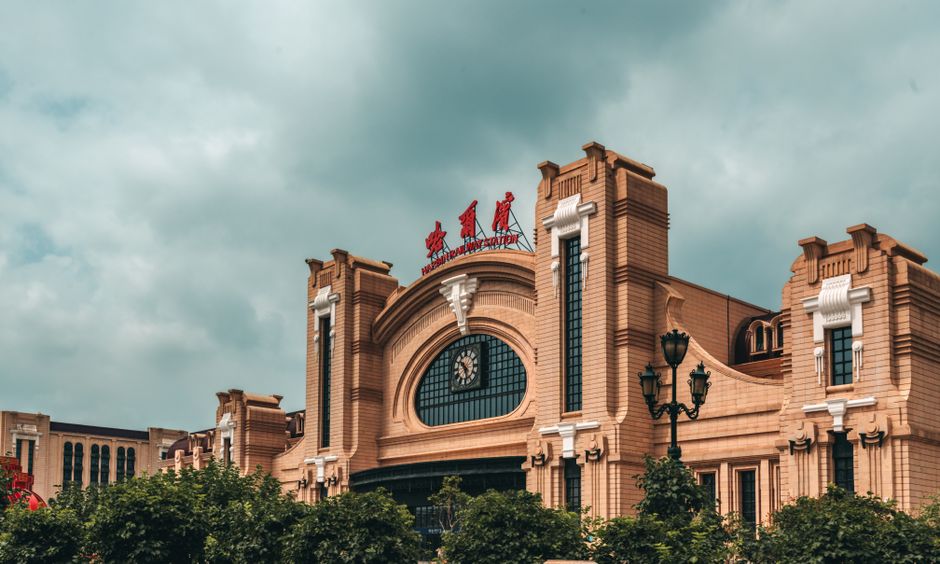
Harbin Culture and Traditions: Food, Music and Winter Life (2026)
Harbin becomes easier to understand once you stop treating its European façades, Northeast Chinese kitchens and ice festivals as separate curiosities. They developed together in a Chinese city shaped by railway-era migration, the Songhua River and long winters. Culture here is something you can read in a courtyard, hear at a public concert and taste around a shared stew pot.
Reading time: 8 minutes
What makes Harbin culture different from the rest of China?
Harbin is Chinese at its core, but its modern identity carries visible traces of contact with Russia and other international communities. This mixture appears in architecture, music and food rather than in a single preserved foreign quarter.
Central Street is the clearest introduction. Its historic buildings combine Renaissance, Baroque, Eclectic and modern architectural styles. Yet it would be misleading to describe all of old Harbin as Russian. In Lao Daowai, the Chinese Baroque Historic and Cultural Block tells another story. Chinese merchants and craftspeople paired ornate Baroque-style street façades with Chinese courtyards, traditional auspicious motifs and a practical front-shop, rear-home layout.
Look for bats, peonies, coins and pomegranates among the decorative curves. These symbols carried Chinese wishes for fortune, prosperity and family continuity. The result was not a European style copied without change. It was a local commercial architecture created for Chinese urban life.
Harbin’s protected heritage also includes Saint Sophia Cathedral and buildings associated with the city’s former Jewish community. Together with Chinese temples and courtyard neighborhoods, they show why the city should be understood as a meeting place with several historical layers.
How did ice become part of Harbin’s culture?

Saint Sophia Cathedral at night in Harbin
Winter in Harbin is not just weather. It determines how public space is used, what people eat and how the city celebrates.
A modern First Ice ceremony on the Songhua River draws on the area’s ice-harvesting heritage. Participants mark the cutting of the season’s first block with drums, traditional dress, words of gratitude and wishes for peace and abundance. Harvested river ice also supplies the material associated with the city’s ice art.
Harbin’s first Ice Lantern Garden Party was held in 1963, and Zhaolin Park is identified by provincial tourism authorities as the birthplace of Chinese ice-lantern art. The tradition turned frozen water into architecture, sculpture and colored light. Larger attractions now dominate many travel photographs, but the smaller lantern tradition explains where the visual language began.
Winter swimming offers a different expression of local cold-weather culture. Organized swimming in openings cut into the frozen Songhua River has a history stretching across decades. Travelers should treat it as a spectator activity unless joining a properly supervised event. Entering river ice or attempting a plunge independently is unsafe.
The useful cultural lesson is that residents do not simply endure winter. Public art, sport, food and ceremony convert the cold into social life.
Why is Harbin called a city of music?
Harbin’s musical identity predates its current tourism fame. The first Harbin Summer Music Concert opened in 1961. It grew from local mass singing and combined professional performances with broad public participation. The festival later became a national-level event jointly organized with China’s culture authorities, while concerts also spread into parks, streets and riverside spaces.
This history helps explain the city’s Music City label. Classical music matters, but the identity is not confined to formal halls. Depending on the season, you may encounter choirs, small ensembles, accordions, guitars or public performances in historic districts.
For a culture-focused visit, check the current programs of concert halls, museums and street events after arriving. Festival editions, venues and performance times change. If no major production is scheduled, a smaller public concert may reveal more about local participation than a prestige performance.
What should you eat to understand Harbin?
Harbin food combines Northeast Chinese preferences for generous, warming meals with techniques and products connected to the city’s international past.
| Food | What to expect | What it says about Harbin |
|---|---|---|
| Guobaorou | Slices of pork loin are fried for a crisp coating, then quickly covered with a sweet-and-sour sauce. | The dish is closely tied to Harbin and is presented as a Chinese and Western culinary fusion. |
| Harbin red sausage, hongchang | A firm, smoky sausage seasoned with spices, commonly sold ready to eat or as a gift. | European sausage-making arrived during the railway era and was adapted to northern Chinese tastes. Its production technique is recognized as provincial intangible cultural heritage. |
| Iron-pot stew | Meat, fish or poultry is cooked in a large pot and shared at the table. | The meal turns warmth and generous portions into a group experience, especially in winter. |
| Frozen pear | A winter fruit sold at markets and eaten for its cold, sweet-and-sour contrast. | It reflects the Northeast habit of using outdoor cold as part of seasonal food culture. |
| Sticky bean bun | A common Northeast winter and New Year food. | It is part of the region’s cold-season food traditions. |
| Madier ice pop | A milk-based ice pop commonly eaten while walking along Central Street, even in subzero weather. | It is a cold snack associated with a walk along one of Harbin’s best-known streets. |
Restaurant portions can be large. For two people, begin with fewer dishes than you would order elsewhere and add more if needed. A shared iron-pot stew is already a substantial meal. If your group has dietary restrictions, ask about pork, beef and cooking alcohol before ordering rather than relying only on the English name.
How can travelers behave respectfully?
A few habits make cultural encounters easier:
- Let the host or oldest person begin at a formal shared meal, and use serving chopsticks when they are provided.
- Order conservatively. Leaving a little food is less awkward than creating a table of untouched dishes.
- Ask before taking close photographs of craftspeople, performers, worshippers or winter swimmers.
- Treat Saint Sophia, synagogues, temples and other religious buildings as heritage with living community connections, not costume backdrops.
- Do not climb historic façades, courtyard structures or ice works for a photograph.
- Learn
nǐ hǎofor hello andxièxiefor thank you. Mandarin is sufficient for normal visitor interactions, even though the local Northeast accent may sound different from textbook recordings.
Where can you experience Harbin culture beyond the ice parks?

Snow sculpture at Harbin festival
Start in Lao Daowai and inspect Chinese Baroque details before the commercial streets become busy. Walk through the courtyards instead of viewing only the façades. Follow with a Northeast lunch built around guobaorou or a shared stew.
The Heilongjiang Nationalities Museum, housed in the Harbin Confucian Temple complex, adds a wider regional perspective. Its collections and exhibitions cover the histories and material cultures of Heilongjiang’s long-established ethnic communities, including objects made with fish skin, animal hide and birch bark. This helps place urban Harbin within the broader cultures of the province.
Later, compare Lao Daowai with Central Street. The contrast between Chinese courtyard commerce and European-influenced streetscapes is more informative than seeing either district alone. End with a concert, public performance or music-focused museum when programming allows.
A seasonal guide to Harbin traditions
| Season | Cultural experiences to look for |
|---|---|
| Deep winter | Ice harvesting ceremonies, ice-lantern art, winter swimming, frozen fruit and outdoor ice pops. |
| Lunar New Year period | Family meals, sticky bean buns, guobaorou, markets and seasonal ice celebrations. |
| Summer | Harbin Summer Music Concert programming, street performances and evening music beside the river. |
Event dates depend on weather and annual planning. Confirm official notices before building a trip around a ceremony or performance.
Complete the trip with our Harbin food guide and 3-day itinerary.
Frequently asked questions about Harbin culture
Is Harbin culturally Russian?
No. Russian and other international influences are visible in parts of the city’s architecture, food and musical history, but Harbin is a Chinese city with strong Northeast Chinese traditions. Chinese Baroque architecture is one of the best examples of local people reshaping outside influences for Chinese life.
What is the most traditional Harbin food to try?
There is no single answer. Guobaorou is the strongest choice for a restaurant meal, while Harbin red sausage works as a snack or gift. In winter, frozen pears, sticky bean buns and an outdoor ice pop add seasonal context.
Is winter the only good time for cultural travel?
Winter presents ice traditions in their fullest form. Summer is better for understanding Harbin’s public music culture and for walking slowly through historic neighborhoods. A first visit in either season can work if you match the itinerary to what is active.
Where should I go if I have only one culture-focused day?
Visit Lao Daowai in the morning, eat a Northeast lunch, explore the Harbin Confucian Temple and Heilongjiang Nationalities Museum, then compare the architecture around Central Street. Finish with a scheduled concert or public performance.
Harbin’s culture is clearest in combinations: a Chinese courtyard behind a Baroque façade, a sweet-and-sour local dish created through cultural contact, or music performed outdoors in a city known for ice. Give those connections time, and Harbin feels less like a collection of landmarks and more like a place with its own social rhythm.
Sources
- Historic street showcases beauty of cultural fusion in Harbin · The State Council of the People’s Republic of China
- “Chinese Baroque” district: an architectural hall blending Chinese and Western art · Department of Culture and Tourism of Heilongjiang Province
- Notice defining protected areas for key cultural heritage sites in Heilongjiang · People’s Government of Heilongjiang Province
- 4th Harbin Ice Harvest Festival opens · State Council Information Office of China
- Harbin’s three major ice attractions celebrate 60 years of ice and snow art · Department of Culture and Tourism of Heilongjiang Province
- Winter swimming in Heilongjiang · General Administration of Sport of China
- Harbin Summer Music Concert opens a musical door to the world · Department of Culture and Tourism of Heilongjiang Province
- Harbin red sausage production technique · Department of Culture and Tourism of Heilongjiang Province
- Ice tourism heats up as Harbin food becomes popular · People’s Government of Heilongjiang Province
- Guobaorou reaches the Spring Festival Gala · Department of Culture and Tourism of Heilongjiang Province
- Heilongjiang Nationalities Museum at the Harbin Confucian Temple · Department of Culture and Tourism of Heilongjiang Province