CN
Qingdao
Qingdao Travel Guide: Things to Do, Itinerary & Tips (2026)
Qingdao rewards travelers who organize the city by area. The historic center around Zhanqiao and Signal Hill sits west of the modern waterfront, while Laoshan is a separate mountain excursion east of the central districts. Three full days cover the essential sights without turning the trip into a race. Add a fourth day if you want both Laoshan and an unhurried visit to the Tsingtao Beer Museum.
How many days do you need in Qingdao?
Use this three-day plan as a starting point:
- Day 1, old Qingdao: Walk from Zhanqiao through the streets near Zhongshan Road, then climb Signal Hill for a view over the tiled roofs and coast.
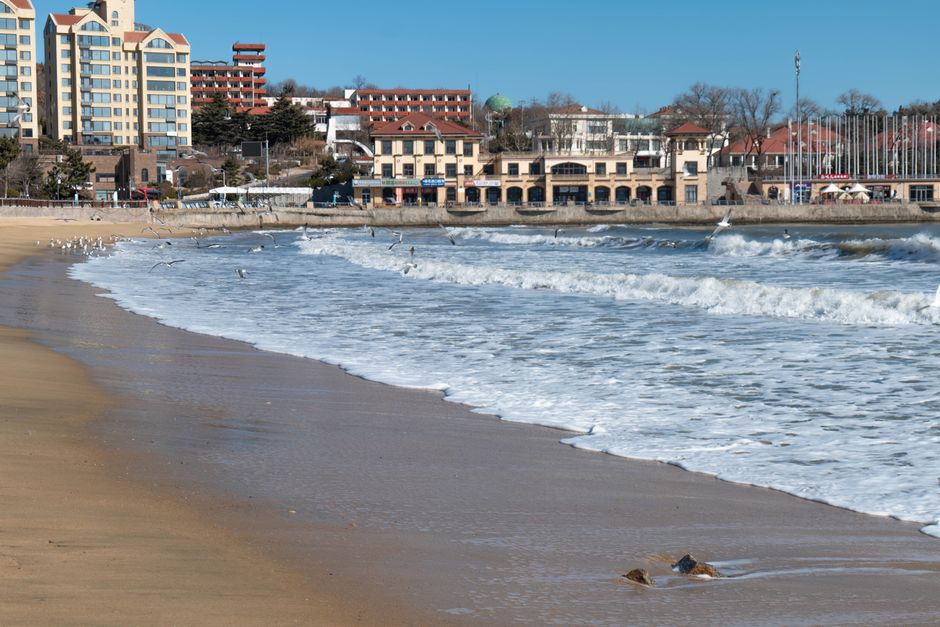
- Day 2, Badaguan and the modern waterfront: Explore Badaguan in the morning, continue along the shore, and finish at May Fourth Square and the Olympic Sailing Center.
- Day 3, choose your priority: Spend the day in Laoshan for mountain paths, coastal scenery, and religious sites, or stay in the city for the Tsingtao Beer Museum and a slower food-focused afternoon.
A fourth day lets you do both Day 3 options. It also gives you some protection against rain or mist, which can affect mountain views and waterfront plans.
What should you see in Qingdao’s old town?
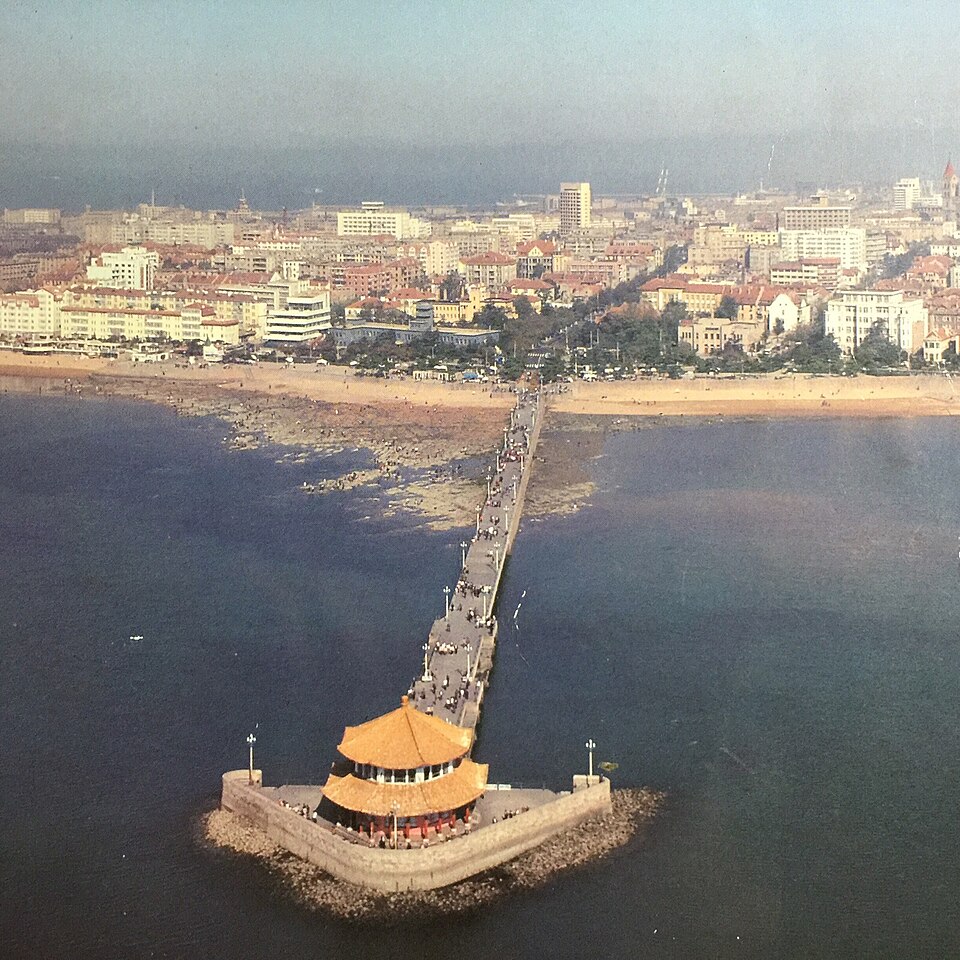
Start at Zhanqiao Pier, one of the city’s clearest visual symbols. It was first built in 1892 and later extended to 394.38 meters, with the octagonal Huilan Pavilion at its seaward end. The municipal history page provides the construction timeline and dimensions in both Chinese and English (Qingdao Municipal Government). Early morning is the calmest time for the walk and gives you the rest of the day for the hills behind the waterfront.
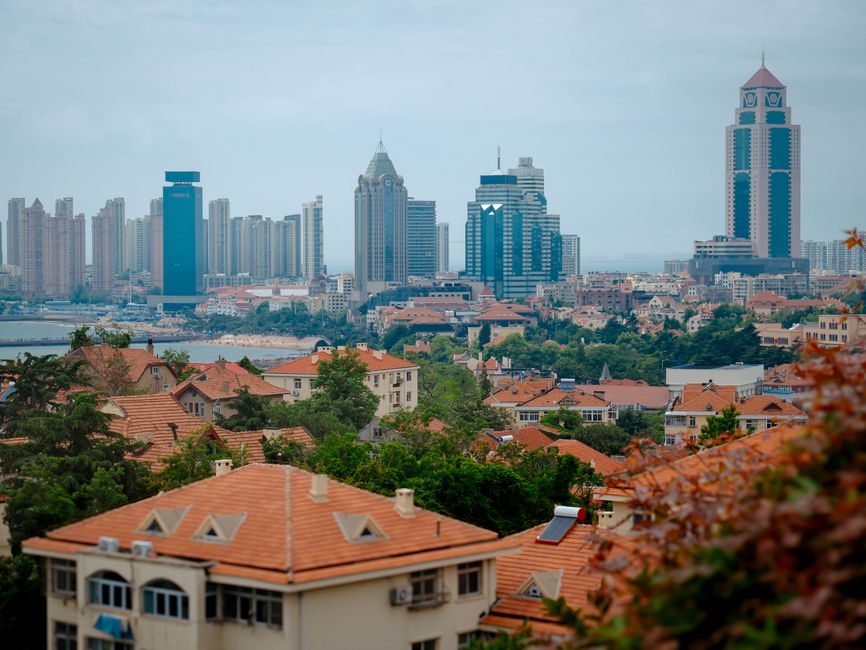
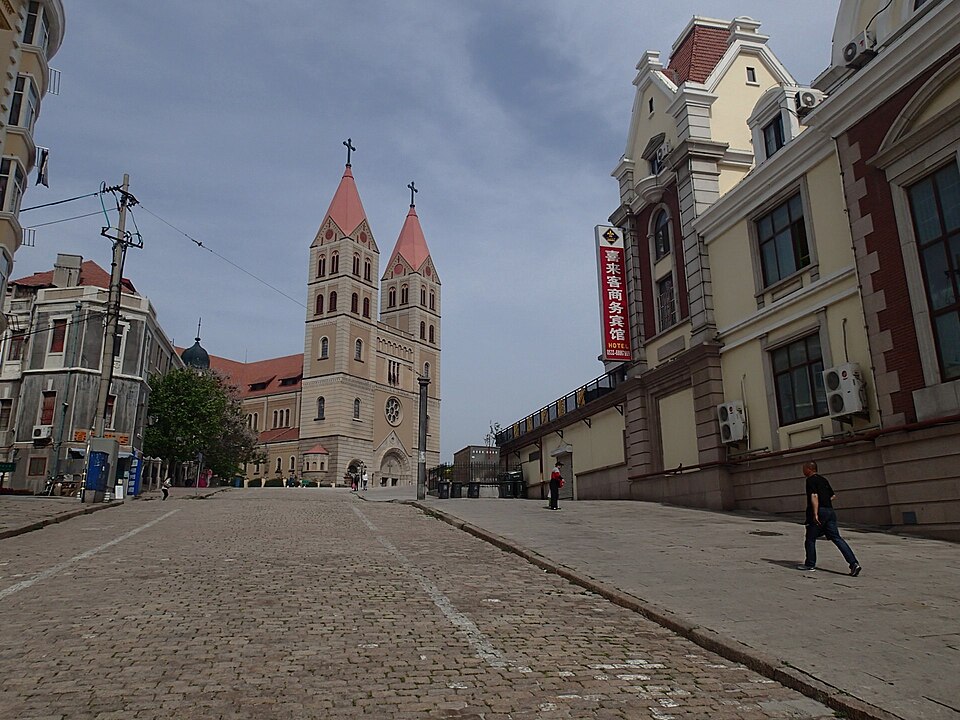
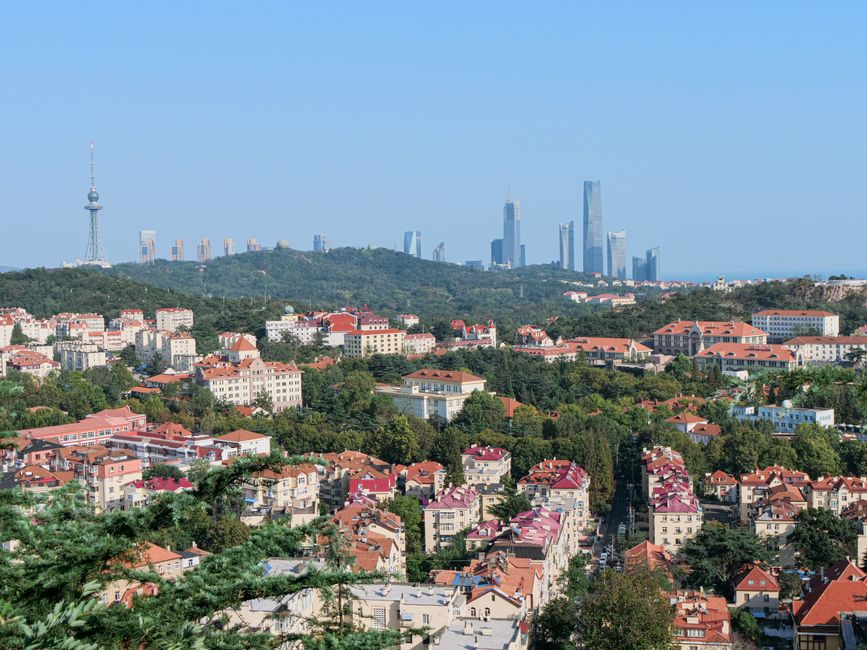
Continue inland rather than treating the pier as an isolated photo stop. The useful route is through the old commercial streets toward the slopes below Signal Hill. This area works best on foot because the interest lies in the changes between lanes, churches, civic buildings, small shops, and sea views.
Signal Hill rises to 98 meters and has established viewpoints over the historic center. The official city description identifies its three red-topped structures and panoramic position (Qingdao Municipal Government). Allow extra time for the uphill approach and stairs. If the summit is covered by low cloud, save the climb for another morning rather than forcing it into the schedule.
How do you plan Badaguan and the waterfront?
Visit Badaguan before the central waterfront. The district took shape in the 1930s and contains more than 300 buildings influenced by architectural styles from several countries. Its streets were named after historic Chinese mountain passes (Qingdao Municipal Government). The district is best approached as a long walk, not a checklist of individual houses. Stay on the public streets, follow posted access rules, and leave time for the shore beside the neighborhood.
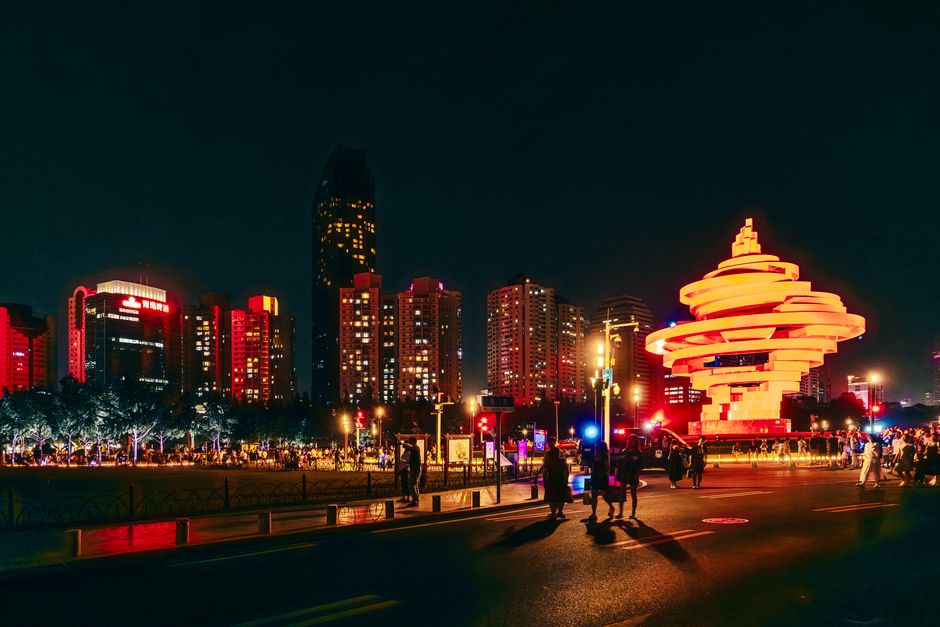
Later, move east to May Fourth Square. The square was built in 1996 and its red Wind of May sculpture commemorates the movement linked to the Qingdao sovereignty dispute (Qingdao Municipal Government). Continue toward the Olympic Sailing Center, the venue developed for the sailing competitions of the 2008 Olympic and Paralympic Games (Qingdao Municipal Government). This sequence keeps the day moving in one direction and avoids crossing the city repeatedly.
| Stop | Suggested time | Planning note |
|---|---|---|
| Zhanqiao and nearby old streets | Half day | Begin early and continue inland on foot |
| Signal Hill | 1–2 hours | Choose a clear period for the view |
| Badaguan | Half day | Treat the district and adjacent coast as one walk |
| May Fourth Square and Olympic Sailing Center | Late afternoon to evening | Combine both waterfront areas in one outing |
| Tsingtao Beer Museum | 2–3 hours | Reserve through the official channel and check entry terms |
| Laoshan | Full day | Select one official route instead of attempting the whole scenic area |
Is the Tsingtao Beer Museum worth visiting?
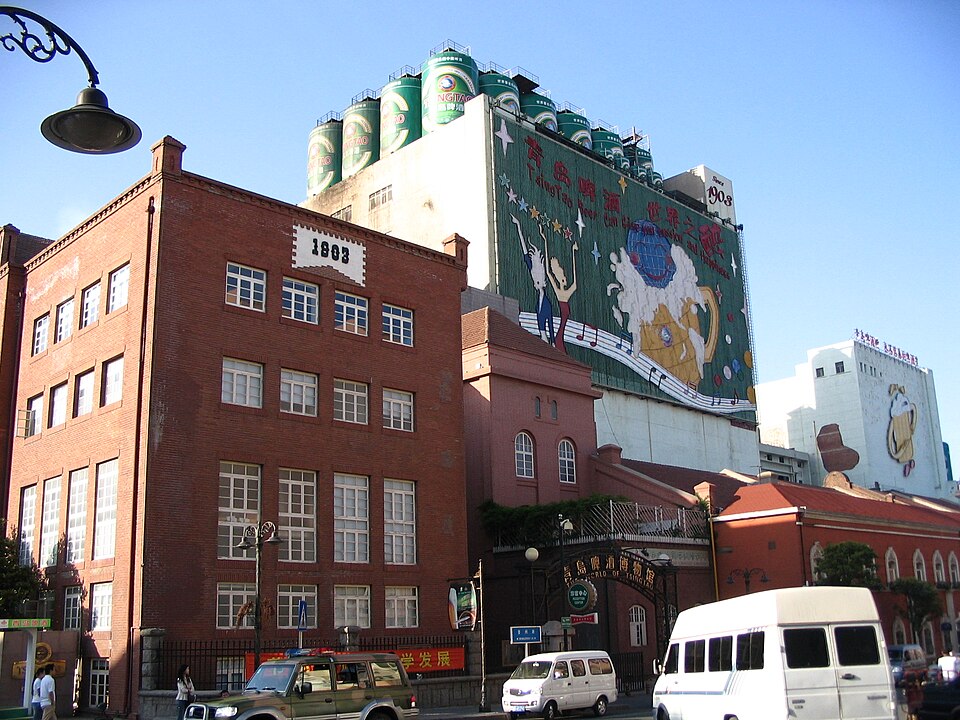
The museum is a strong choice for industrial history, brewing culture, and a weather-proof city activity. Its official website currently lists daily opening from 08:30 to 17:30, with last entry at 16:30, and directs visitors to its reservation and ticket information (Tsingtao Beer Museum). Check the site again shortly before visiting because holiday arrangements and admission products can change.
Do not place the museum on the same tight schedule as a full Laoshan trip. Pair it with the old town, nearby streets, or a food-focused afternoon. Visitors who do not drink can still follow the historical and production exhibits, while anyone tasting beer should plan onward transport rather than driving.
Which Laoshan route should you choose?
Laoshan is not a single short trail. The official scenic-area website describes a 446-square-kilometer mountain area with distinct sectors, including Jufeng, Taiqing, Yangkou, Huayan, and Jiushui. Jufeng reaches 1,132.7 meters and is identified by the authority as the highest peak along China’s coastline (Laoshan Scenic Area).
Choose one sector according to your goal:
- Jufeng for a summit-oriented mountain day.
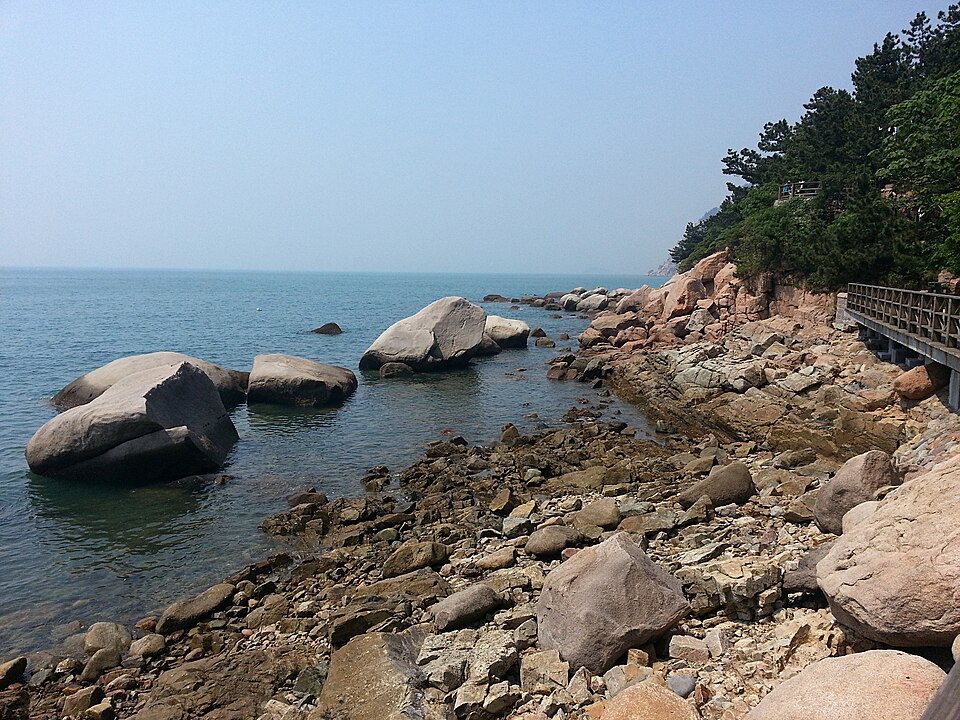
- Taiqing for a mix of coastal scenery and Taoist heritage.
- Yangkou for mountain-and-sea landscapes.
- Jiushui for valleys, streams, and a greener walk when water conditions are favorable.
Route access, shuttle arrangements, cableways, ticket products, and opening periods can change. Use the official route and announcement pages linked from the scenic-area website rather than relying on an old screenshot or social-media itinerary. Carry water, wear shoes with grip, and keep enough daylight for the return.
When is the best time to visit Qingdao?
For walking, May–June and September–October offer a useful balance of temperature and daylight. Climate normals published through the World Meteorological Organization show mean temperatures of 17.1°C in May, 20.8°C in June, 22.3°C in September, and 16.7°C in October. July and August are warmer and have substantially higher normal rainfall (World Weather Information Service).
Summer remains the main beach and holiday season. Qingdao’s tourism authority identifies roughly mid-July to mid-August as the busiest part of the annual visitor season (Qingdao Municipal Government). Book accommodation and ticketed attractions earlier if traveling then, and expect busier promenades. Winter is quieter, but wind and low temperatures make exposed coastal walks less comfortable.
Check a short-range forecast before Laoshan. A light layer is useful beside the sea even when inland conditions feel warm, and rain protection is sensible in summer.
How do you reach Qingdao and get around?
Qingdao Jiaodong International Airport is connected to the rail and metro network through its transport center. Metro Line 8 runs beneath the terminal and links the airport with Qingdao North Railway Station; the municipal government also documents high-speed rail, buses, taxis, and other transfer options (Qingdao Municipal Government). Check the current metro or airport notice for your arrival time, especially after the normal operating period.
For intercity trains, use the official China Railway 12306 website or app. Its English FAQ confirms that foreign passengers can buy real-name tickets with a valid passport and must show the same identification document for station entry and travel (China Railway Customer Service Center). Keep the original passport accessible, not packed in checked or hard-to-reach luggage.
Inside the city, group sights by district and combine metro travel with walking. Save the Chinese names of your hotel and next destination on your phone. This is more dependable than expecting an English place name to match the version used by a driver or mapping service.
What food should you try in Qingdao?
Seafood is central to the local table. The city tourism bureau highlights steamed shellfish and seafood dumplings filled with ingredients such as Spanish mackerel, shrimp, cuttlefish, or sea urchin (Qingdao Municipal Government). Start with one dumpling filling and a small seafood order rather than buying more than you can finish.
Before ordering seafood, ask the restaurant to show whether the quoted amount is per plate, per item, or by weight. Confirm the weight and cooking charge before preparation. Choose busy, clearly priced restaurants, and do not eat shellfish that smells off or has been sitting unrefrigerated. Draft beer is part of the local experience, but bottled water and nonalcoholic drinks are easy alternatives for a long walking day.
Practical tips for a first Qingdao trip
- Set up payments before arrival. China’s official visitor guide explains the foreigner-oriented functions of Alipay and WeChat Pay and the use of overseas bank cards (State Council of the People’s Republic of China). Link a compatible card, test the account, and carry some renminbi as a backup.
- Use official booking pages. Museum hours, mountain routes, cableways, and admission arrangements can change. Recheck the Tsingtao Beer Museum and Laoshan websites shortly before the visit.
- Keep the trip geographically compact. Old town sights belong together, as do Badaguan and the eastern waterfront. Give Laoshan its own day.
- Carry your passport on train days. The identification used for a 12306 booking is also used during the rail journey.
- Keep seafood orders explicit. Confirm the unit, weight, preparation method, and total before cooking begins.
Frequently asked questions
Is three days enough for Qingdao?
Yes. Three full days cover the old town, Badaguan, the central waterfront, and either Laoshan or the beer museum. Choose four days if both Laoshan and the museum matter to you.
Should I stay near the old town or May Fourth Square?
Stay near the old town if historic streets, Zhanqiao, and a traditional urban setting are your priorities. Choose the May Fourth Square area for the modern waterfront and easier evenings around the eastern center. A metro-accessible hotel in either area works for a short visit.
Can I visit Laoshan and the beer museum on the same day?
It is possible only with a compressed schedule, but it gives neither place enough time. Assign Laoshan a full day and pair the museum with city sights.
Do foreign travelers need a passport for Qingdao trains?
Yes. China Railway states that foreign travelers can purchase real-name tickets with valid passports and must present the document used for the booking during the trip.
Do I need cash in Qingdao?
Mobile payment is the most convenient option once a compatible foreign card is linked, but carrying a modest renminbi backup is sensible for account, connection, or terminal problems.
Highlights
- Walk from the 1892 Zhanqiao Pier into Qingdao’s historic streets and hillside viewpoints.
- Climb Signal Hill for a compact panorama over the old center and coastline.
- Explore Badaguan’s 1930s streets and hundreds of buildings influenced by international architectural styles.
- Follow the modern shore from the Wind of May sculpture to the 2008 Olympic Sailing Center.
- Visit the Tsingtao Beer Museum for the city’s brewing and industrial story.
- Reserve a full day for one Laoshan sector, such as Jufeng, Taiqing, Yangkou, or Jiushui.
Travel Tips
Plan by district
Combine Zhanqiao, the old streets, and Signal Hill on one day; group Badaguan with May Fourth Square and the Olympic Sailing Center.
Keep your passport accessible
Foreign travelers must use valid identification for real-name train tickets and carry the same document during the journey.
Prepare two payment options
Set up Alipay or WeChat Pay with a compatible overseas card, then keep some renminbi as a backup.
Recheck timed attractions
Confirm museum entry, Laoshan routes, cableways, and transport notices on official websites shortly before visiting.