Can You Use Credit Cards in China? (2026) Visa & Mastercard Guide
Quick answer: You can use a foreign Visa or Mastercard in China, but only in a narrow set of places: international hotels, airports, duty-free shops and some high-end stores. The everyday economy runs on QR payments through Alipay and WeChat Pay, which do not read a swiped foreign card. Link your card to those apps and you are covered almost everywhere.
Picture handing your Visa to a noodle shop in Chengdu. The owner looks puzzled, points at a QR sticker on the counter, and waits. This is the reality of cards in China: the plastic in your wallet works in far fewer places than back home, because the country skipped straight past card terminals and went mobile.
That does not mean your card is useless. It means you use it differently, mostly by loading it into an app rather than swiping it. Here is where a foreign card actually works, where it fails, and the fix that gets you to nearly full coverage.
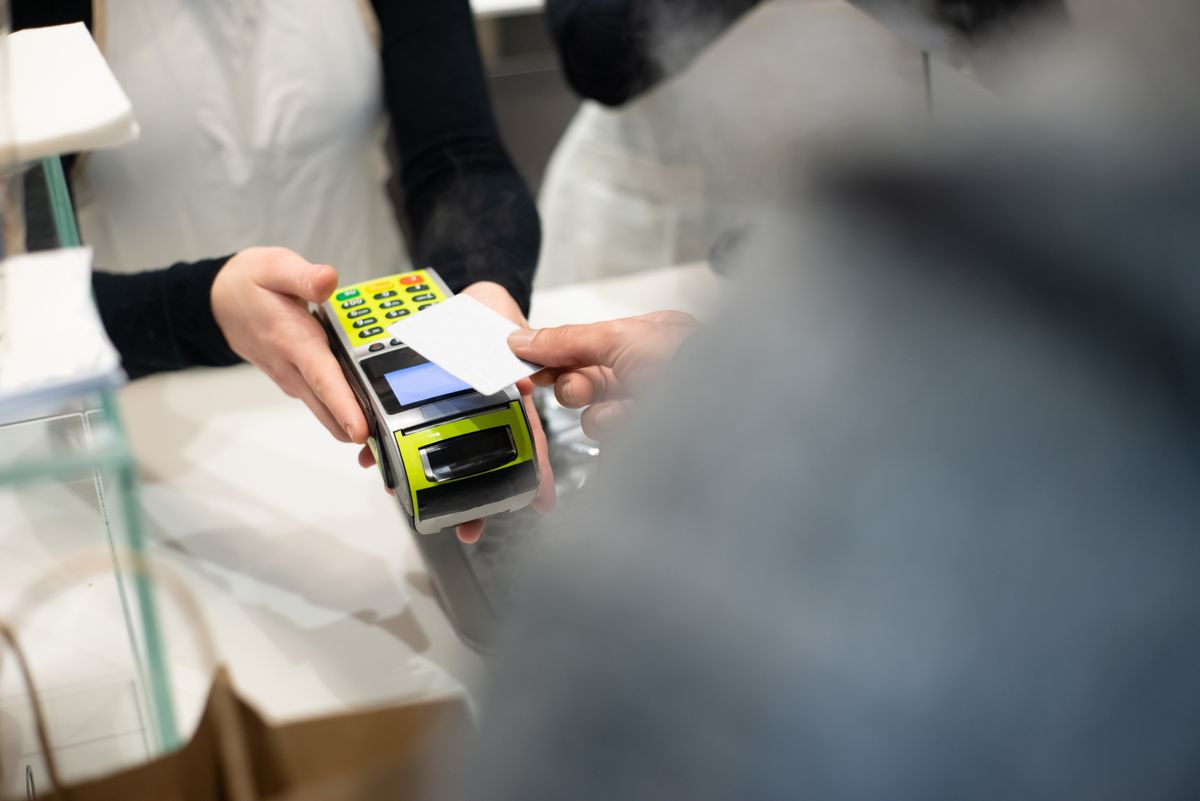
Visa and Mastercard credit cards close up
Where a foreign credit card is accepted
Direct card acceptance exists, but it clusters at the top end of the market and around travelers:
- International hotel chains such as Marriott, Hilton, Hyatt and Shangri-La take Visa and Mastercard at the front desk.
- Airports: duty-free counters, airline offices, lounges and many airport shops.
- High-end department stores and malls in Beijing, Shanghai, Guangzhou and Shenzhen.
- Some international-facing restaurants and hotel dining rooms.
- Large chain supermarkets aimed at expats in the biggest cities, on a hit-or-miss basis.
Notice the pattern: places that expect foreign customers keep a card terminal. Step outside that bubble and the terminal disappears.
Where your card simply will not work
The gap is everything ordinary. Street food, corner shops, small family restaurants, local markets, most taxis, temple ticket booths and neighborhood cafes run on QR codes tied to the domestic UnionPay network. A foreign-issued Visa or Mastercard is not part of UnionPay, so those QR terminals reject it outright. There is no swipe option to fall back on, because many of these vendors have no physical card reader at all.
This is the single biggest surprise for first-time visitors. It is not that China dislikes cards; it is that the low end of the economy never installed them and jumped to phones instead.
UnionPay vs Visa and Mastercard
UnionPay is China's own card network and it is everywhere a physical card is read. Visa and Mastercard sit on separate rails. A machine built for UnionPay will not necessarily process a foreign Visa, and a great many machines in China are UnionPay-only. Some hotel and airport terminals are multi-network and take all three, which is why acceptance feels fine at your hotel and then vanishes on the street.
If you happen to hold a UnionPay card issued in your home country, your acceptance jumps sharply, since it rides the domestic network directly.
A mix of credit and debit cards
The real solution: put your card inside an app
The move that fixes almost everything is to link your Visa or Mastercard to Alipay or WeChat Pay. Once verified with your passport, these apps let you pay by QR at roughly 95% of merchants, from luxury malls to a fruit stall. Your card still funds the payment; the app just translates it into the QR language every vendor speaks.
One cost to know: Alipay and WeChat charge a 3% fee on any single payment above ¥200, while payments of ¥200 or less are free. Since most street-level spending is small, many travelers rarely trigger the fee.

China eSIM so the apps work on arrival
Alipay and WeChat need live data; an eSIM turns on the moment you land
Some links are affiliate links; we may earn a commission at no extra cost to you.
Set the apps up before you fly. Our step-by-step guides cover both WeChat Pay for foreigners and Alipay for foreigners.
Mistakes that leave travelers stranded
- Assuming Visa works "because it's a big city." City size does not help; terminal type does. A tiny Shanghai dumpling shop is QR-only.
- Bringing only cards, no backup. Load the apps and carry some cash for dead-battery moments.
- Not telling your bank you are traveling. Foreign charges from China often trip fraud blocks; set a travel notice first.
- Expecting to swipe at restaurants. Most bills are settled by QR, not by handing over a card.
- Relying on your card at ATMs without checking fees. Withdrawals are possible but capped and charged; see how to withdraw cash in China.
Who can lean on cards, who needs the apps
If your trip is entirely inside international hotels, airport terminals and guided tours that prepay everything, a Visa or Mastercard alone can just about carry you. Business travelers on expense accounts often fit this pattern.
Everyone exploring independently (eating locally, taking the metro, shopping in markets, paying small vendors) should treat a bare card as a backup and put Alipay or WeChat Pay first. That combination, plus a little cash, leaves no payment gaps.
Related: For how mobile pay, cash and cards fit together, see our overview of how to pay in China.
Frequently asked questions
Can I use my US or Australian Visa in China? Yes, at international hotels, airports and high-end shops. For everyday spending, link it to Alipay or WeChat Pay instead of swiping.
Do Chinese shops take Mastercard? Only where a multi-network terminal exists, mainly hotels, airports and upscale retail. Small and mid-size merchants are UnionPay QR only.
Can I use a Visa debit card in China? Same as credit for acceptance: fine at hotels and airports, best used inside a payment app elsewhere. Debit cards also work at ATMs for cash.
Why was my card declined at a restaurant? The terminal was almost certainly UnionPay-only, or the bill was QR-based with no card reader. Pay through Alipay or WeChat Pay instead.
Is it better to use cash or card in China? Neither leads day to day. Mobile apps dominate. Keep a card for big hotel and airport payments and some cash for emergencies.
Sources
- Do Visa and Mastercard work in China? · Wise
- WeChat Pay Waives 3% Transaction Fees for International Card Payments Under 200 Yuan · Beijing Municipal Government