How to Withdraw Cash in China (2026): ATMs, Foreign Cards, Fees
Quick answer: Yes, you can withdraw cash in China with a foreign card. Use an ATM at a major bank, Bank of China and ICBC are the most reliable, insert your Visa, Mastercard or UnionPay card, and switch the screen to English. Expect a cap of around ¥2,500 to ¥3,000 per withdrawal, a fee of roughly ¥20 to ¥30, plus whatever your home bank charges.
Even in a country that runs on QR payments, you will sometimes want physical notes: a rural vendor, a temple ticket window, a taxi with an older driver, or a simple safety reserve. The good news is that pulling renminbi from a Chinese ATM with a foreign card is straightforward, as long as you pick the right machine and know the limits.
Here is which banks to use, what it costs, how much you can take out, and the small settings that save you money.
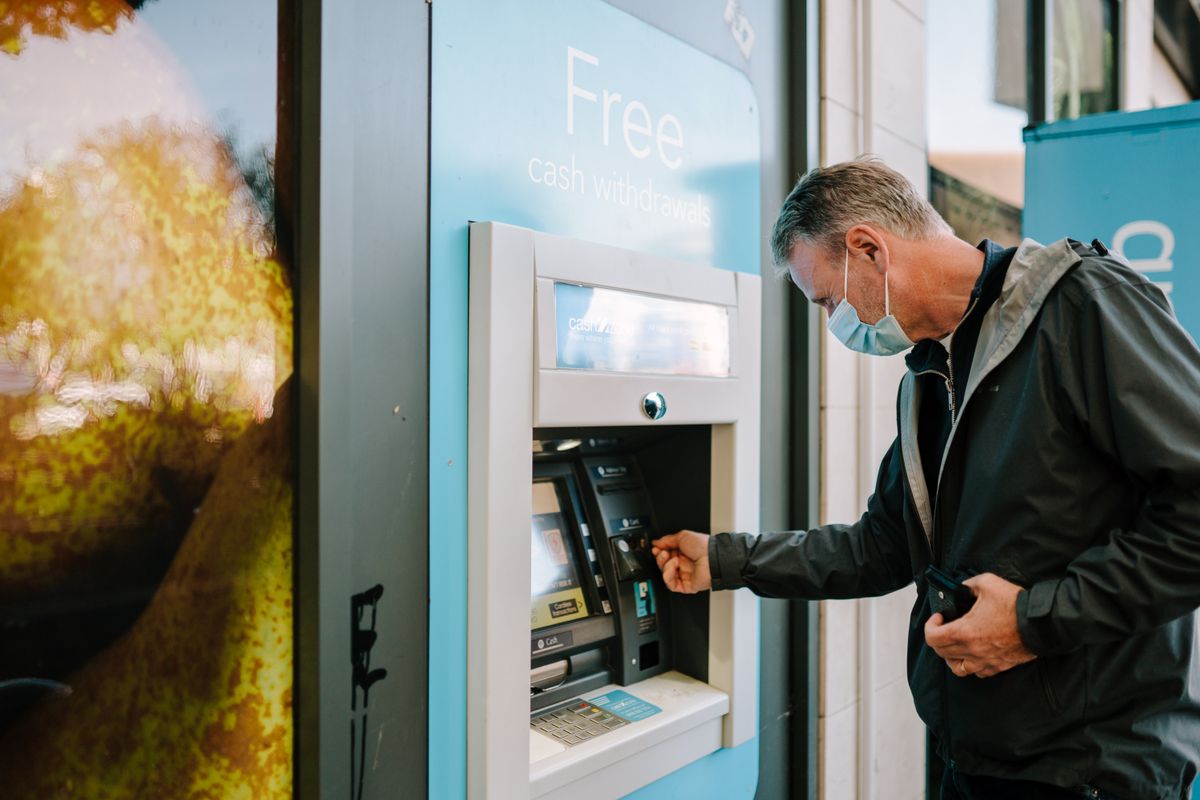
A traveler using a bank ATM on the street
Which ATMs take foreign cards
Stick to the big state banks. Their ATMs are used to international cards and usually offer an English menu.
| Bank | Foreign cards | English screen | Notes |
|---|---|---|---|
| Bank of China (BOC) | Visa, Mastercard, UnionPay, more | Yes, clearest | The most foreigner-friendly choice |
| ICBC | Most major networks | Usually | Widely available; menu occasionally Chinese |
| China Construction Bank (CCB) | Most major networks | Usually | Common in cities |
| Agricultural Bank of China (ABC) | Most major networks | Sometimes | Good coverage in smaller towns |
You will find these ATMs at branches, airports, train stations and shopping areas. Machines at tiny rural credit unions, or standalone ATMs inside shops, are the ones most likely to reject a foreign card, so seek out a named state bank.
How to withdraw, step by step
- Insert your card (a debit card is better than a credit card, more on that below).
- Change the language to English using the on-screen flag or language button.
- Choose withdrawal and, if asked, select savings or current/checking rather than credit.
- Enter an amount at or below the machine's cap. If your amount is refused, try a smaller one.
- If the screen offers to convert to your home currency ("with or without conversion"), always choose without conversion, or decline the conversion. This avoids a poor built-in exchange rate.
- Take your card first, then your cash. Some machines return the card before dispensing notes.
Limits and fees to expect
Withdrawal caps for foreign cards are set by regulation and by each bank, so they are lower than locals see:
- Per withdrawal: commonly around ¥2,500 to ¥3,000, depending on the bank.
- Per day: up to about ¥10,000 across all your withdrawals.
- Chinese ATM fee: roughly ¥20 to ¥30 per foreign-card transaction at most big banks.
- Your home bank: may add its own foreign-ATM fee and a foreign-exchange margin.
Because each withdrawal carries fixed fees, it is cheaper to take out a larger amount fewer times rather than small sums repeatedly. Work out how much cash you actually need first; our guide to how much cash to bring to China gives amounts by trip length.
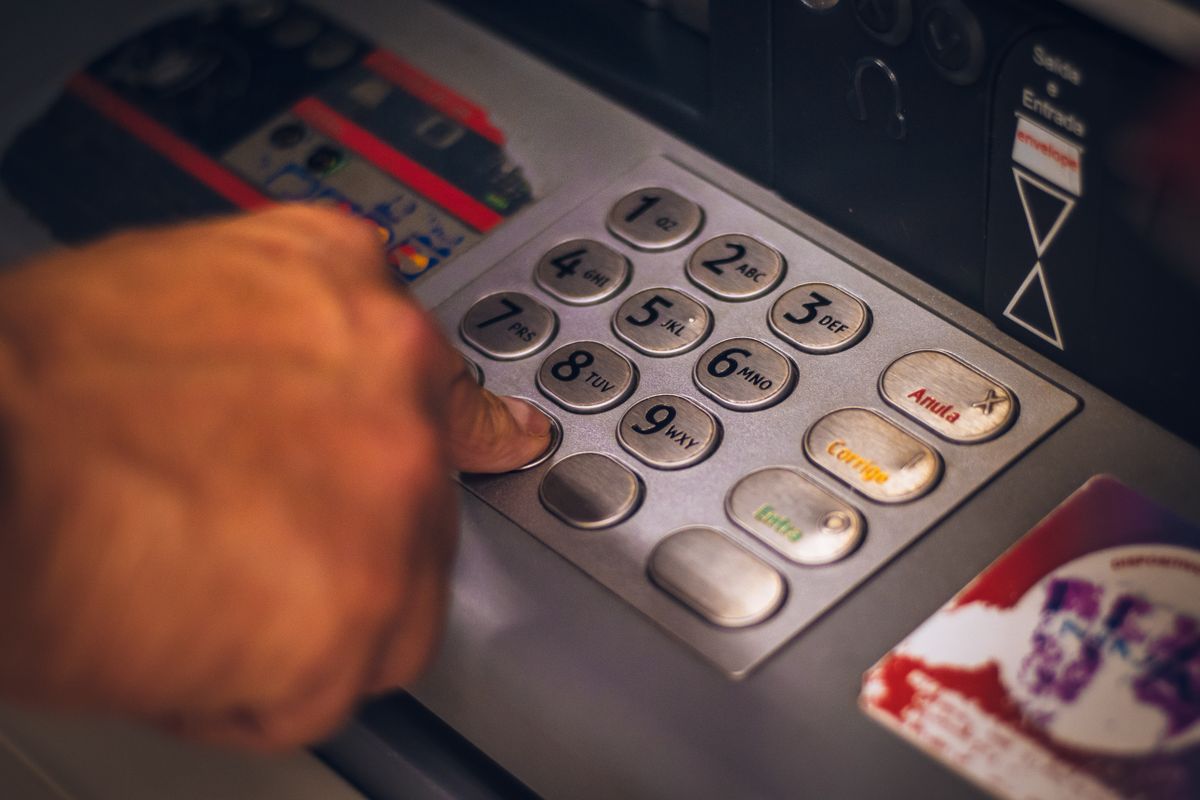
Close-up of an ATM keypad
Debit card or credit card?
Use a debit card to withdraw cash. A credit card cash advance usually starts charging interest immediately, with no grace period, plus a cash-advance fee, which makes ATM cash expensive. A debit card pulls from your own balance and avoids that.
If you happen to carry a UnionPay-branded card issued in your home country, it often withdraws most smoothly, since it runs on the domestic network directly.
Smart habits that save money and hassle
- Tell your bank you are traveling. Foreign ATM use from China is a classic fraud trigger, and a blocked card at a machine is a bad surprise.
- Decline dynamic currency conversion. Always pay or withdraw in renminbi, not your home currency, for a fairer rate.
- Withdraw at a bank branch during hours. If the machine eats your card, staff are right there to help.
- Ask for or break large notes. ATMs dispense ¥100 bills; get smaller notes for street vendors, as we cover in can you use cash in China.
- Keep the app as your main method. Cash is the backup. Linking a card to WeChat Pay or Alipay covers most spending, and needs data on arrival.

China eSIM so cards and apps work on arrival
Live data lets you check balances and use Alipay or WeChat Pay from the airport
Some links are affiliate links; we may earn a commission at no extra cost to you.
Who needs ATMs, who can skip them
You will want ATM access if you visit rural areas, prefer a cash cushion, or your card cannot link to a payment app for some reason. Longer trips and off-the-beaten-path routes lean on cash more.
You can mostly skip ATMs if you stay in big cities, run everything through Alipay or WeChat Pay, and bring a small starter reserve of RMB from home. In that case one or two withdrawals across a whole trip is typical, if you use a machine at all.
Related: For how mobile pay, cash and cards fit together, see our overview of how to pay in China.
Frequently asked questions
Do ATMs in China accept foreign cards? Yes, at major banks. Bank of China and ICBC ATMs reliably accept Visa, Mastercard and UnionPay, with an English menu.
How much can I withdraw at once in China? Usually around ¥2,500 to ¥3,000 per transaction for a foreign card, up to roughly ¥10,000 in a day, subject to your home bank's own limits.
Can I use my debit card in China at an ATM? Yes, and a debit card is the best choice. It avoids the cash-advance interest and fees that credit cards charge on withdrawals.
What fees will I pay to withdraw cash? Expect about ¥20 to ¥30 from the Chinese bank per withdrawal, plus any foreign-ATM fee and exchange margin from your own bank.
Should I withdraw cash or exchange money? ATM withdrawals often give a better rate than a currency bureau. Withdraw a larger amount once to spread the fixed fee, and always decline on-screen currency conversion.
Sources
- ATM services for bank cards · Bank of China
- Overseas ATMs that accept UnionPay cards · UnionPay International