China
Xiamen
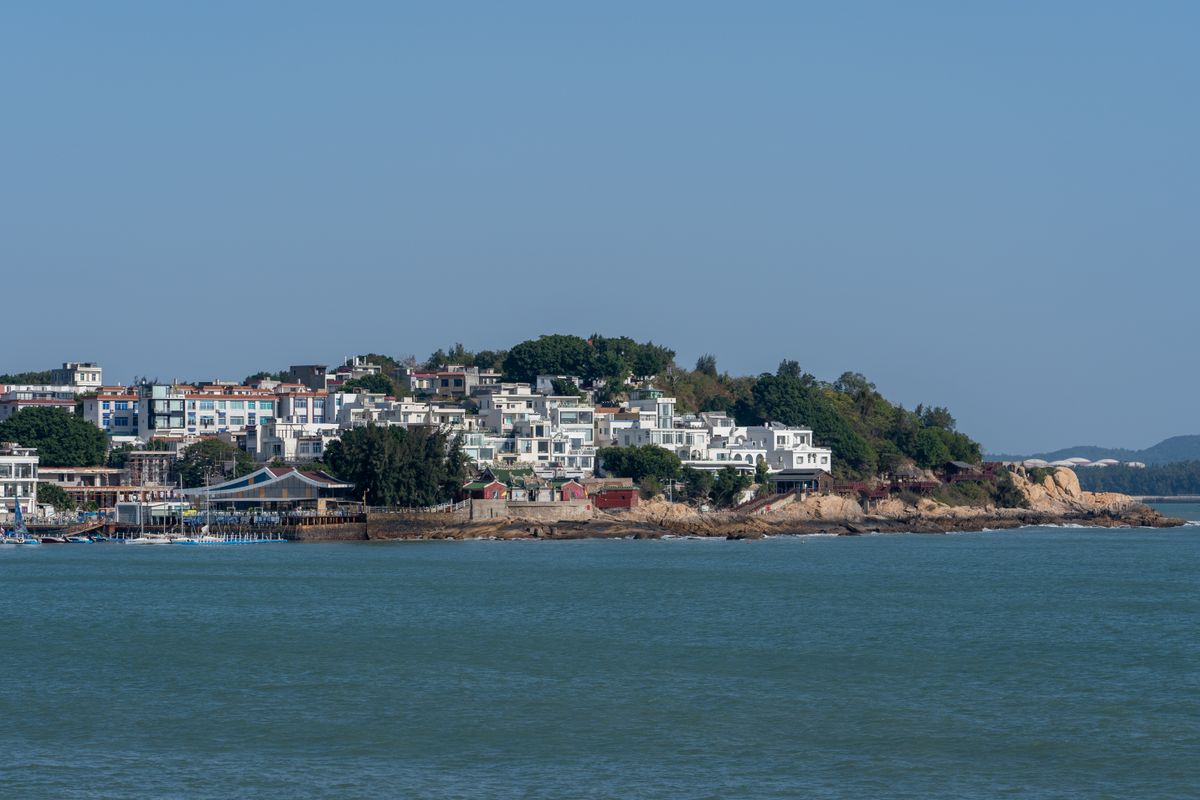
Xiamen sits on a subtropical island and a curve of mainland coast in southern Fujian, looking across the strait toward Taiwan. Locals call it "the garden on the sea," and the name fits: bougainvillea (the city flower) tumbles over walls all year, the waterfront is strung with cycling paths and beaches, and the old colonial quarter on Gulangyu Island has been a UNESCO World Heritage Site since 2017. Xiamen is compact, clean, easy to walk, and one of the gentlest first stops in China for foreign travelers, especially now that most visitors can enter visa-free for up to 240 hours.
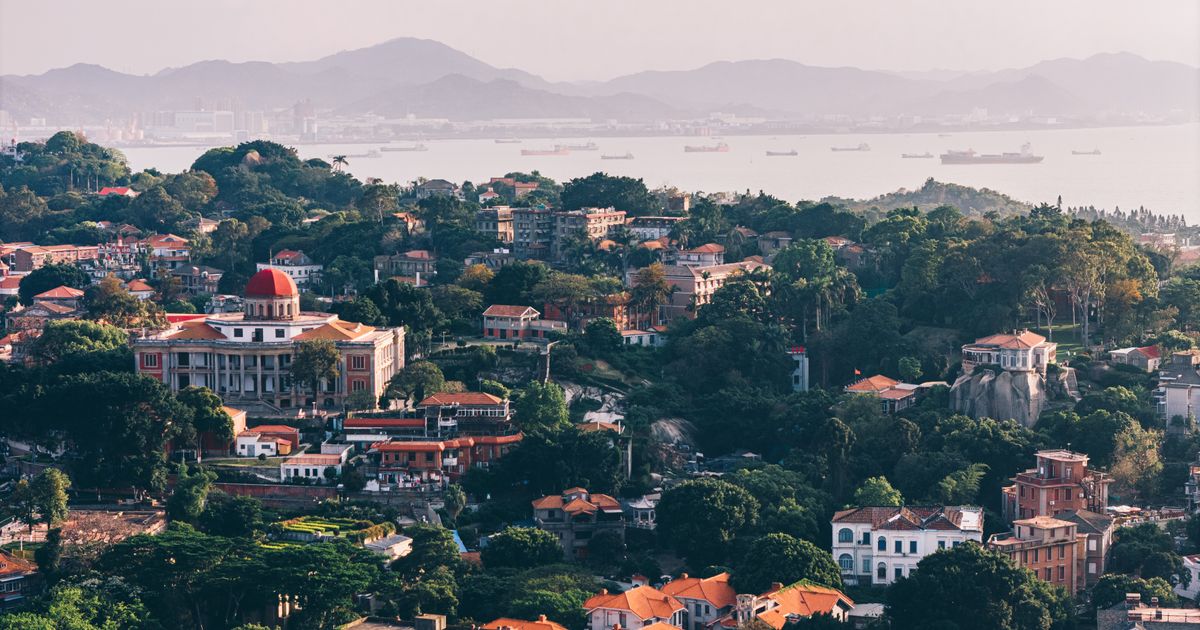
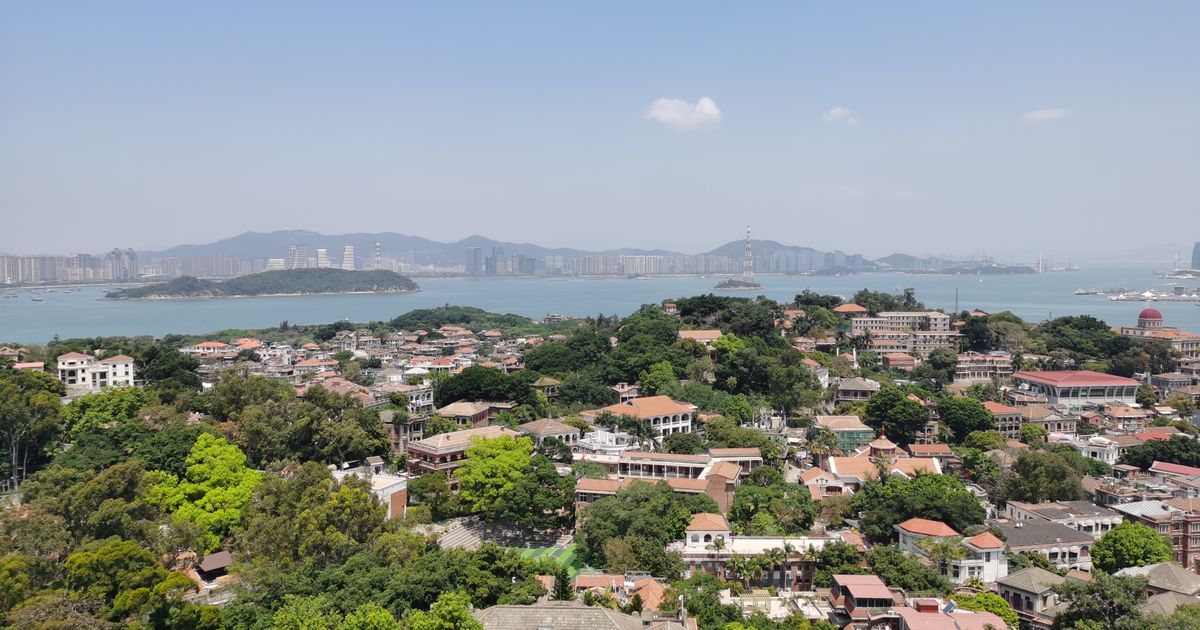
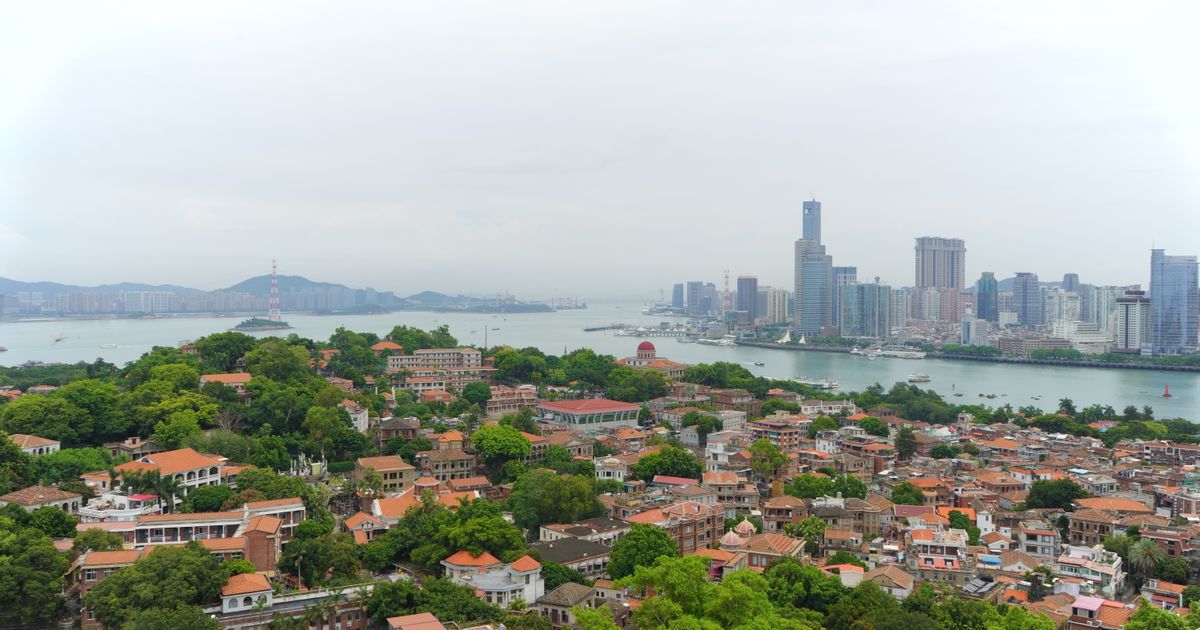
Aerial view of Gulangyu Island and the Xiamen skyline across the water
Why visit Xiamen
This is a city you slow down in. Mornings start with a bowl of peanut soup and a plate of oyster omelet; afternoons drift between colonial villas, a Buddhist temple at the foot of a green peak, and what locals proudly call China's most beautiful university campus. The air is cleaner than in most Chinese megacities, the pace is unhurried, and almost everything worth seeing sits in Siming District, the southwest tip of Xiamen Island. The wider municipality spans six districts, but the other five, Huli next door plus Haicang, Jimei, Tong'an, and Xiang'an across the water, are mostly where the airport, the main train station, and residents are, not where you'll spend your sightseeing time.
Best time to visit
March to April and October to November are the sweet spots. Spring is warm (15–23°C) and the whole island flowers; autumn is sunny and dry once the typhoon season has passed. July and August are hot and humid, and the occasional typhoon can shut down the Gulangyu ferries for a day or two, so check the forecast if you travel then. Winter (December to February) stays mild and quiet, and prices drop, which suits budget travelers.
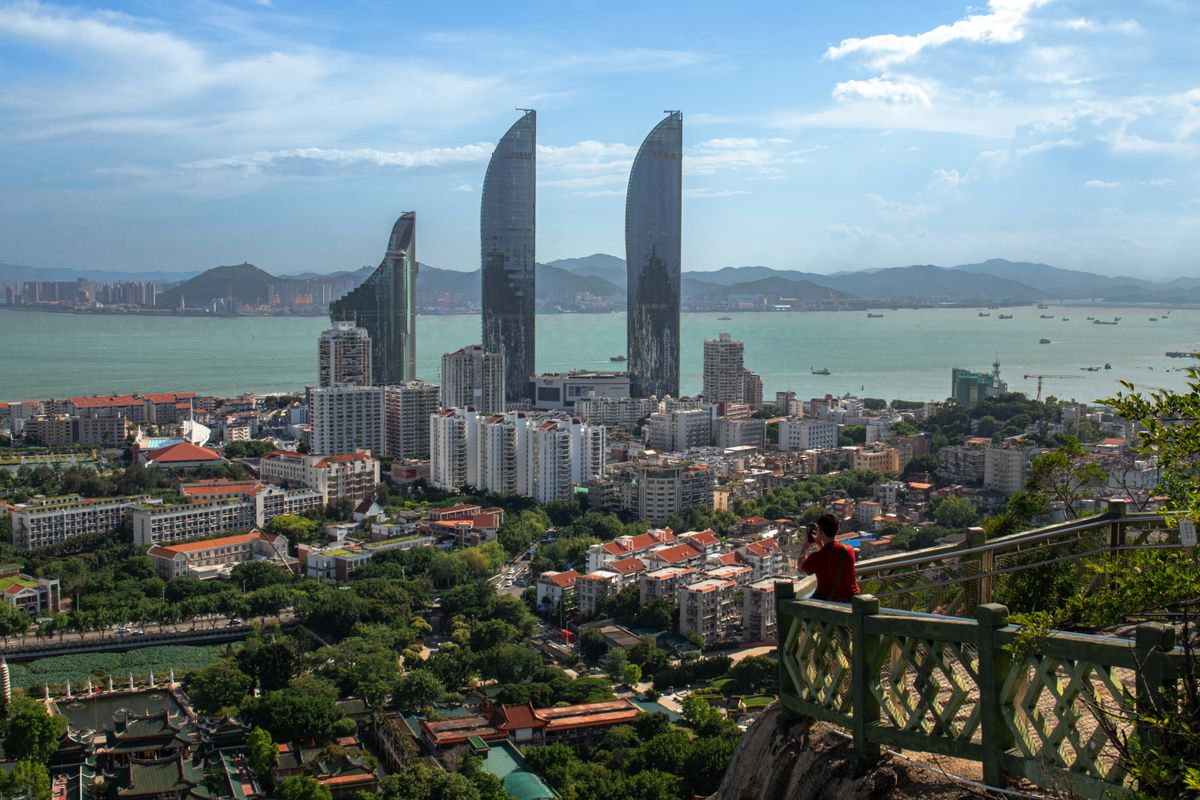
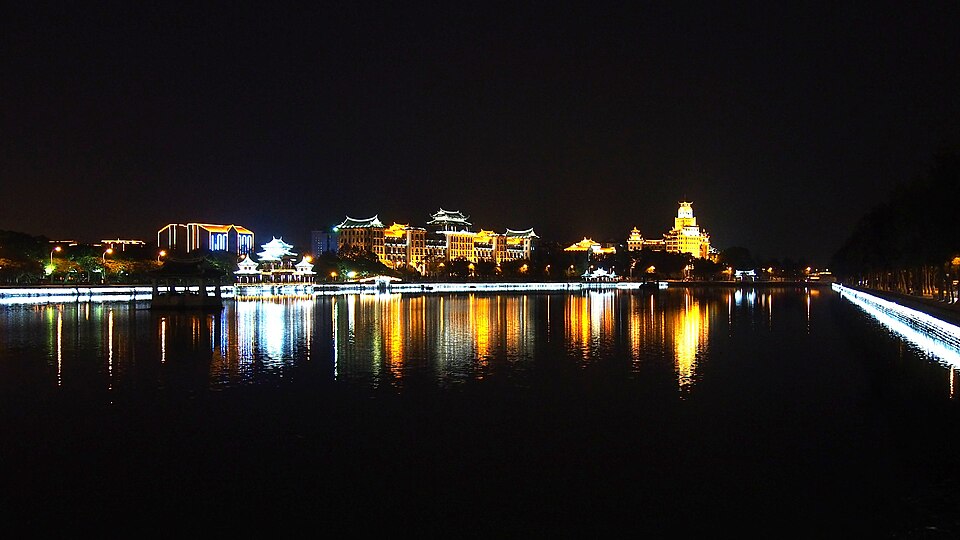
The twin Shimao Straits Towers rising over the Xiamen waterfront
Top things to do
- Gulangyu Island: a car-free island of colonial mansions, gardens, and piano music, reached by a short ferry.
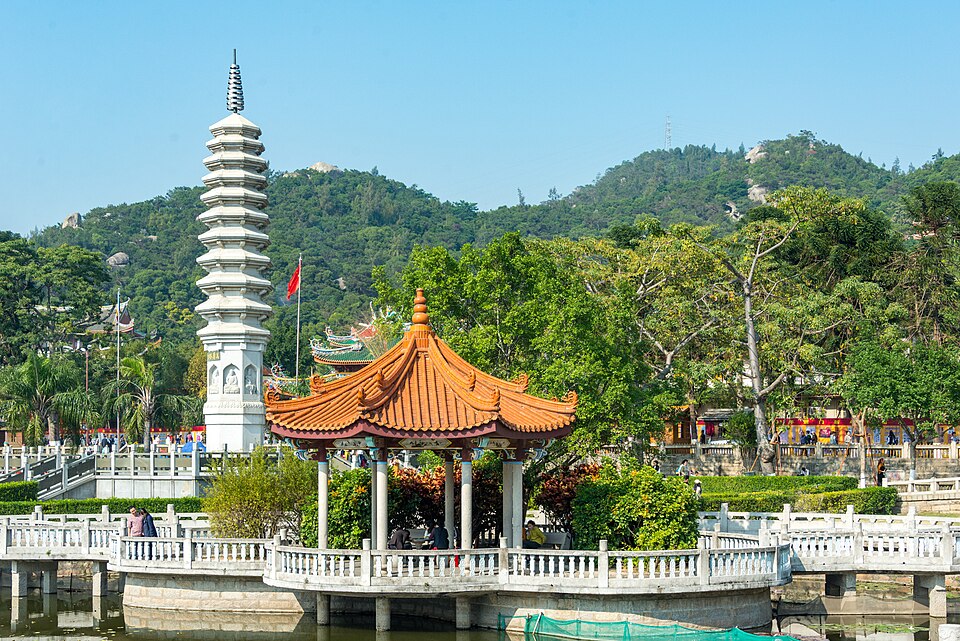
- Nanputuo Temple: a thousand-year-old Buddhist temple with a lotus pond, free to enter, beneath Wulao Peak.
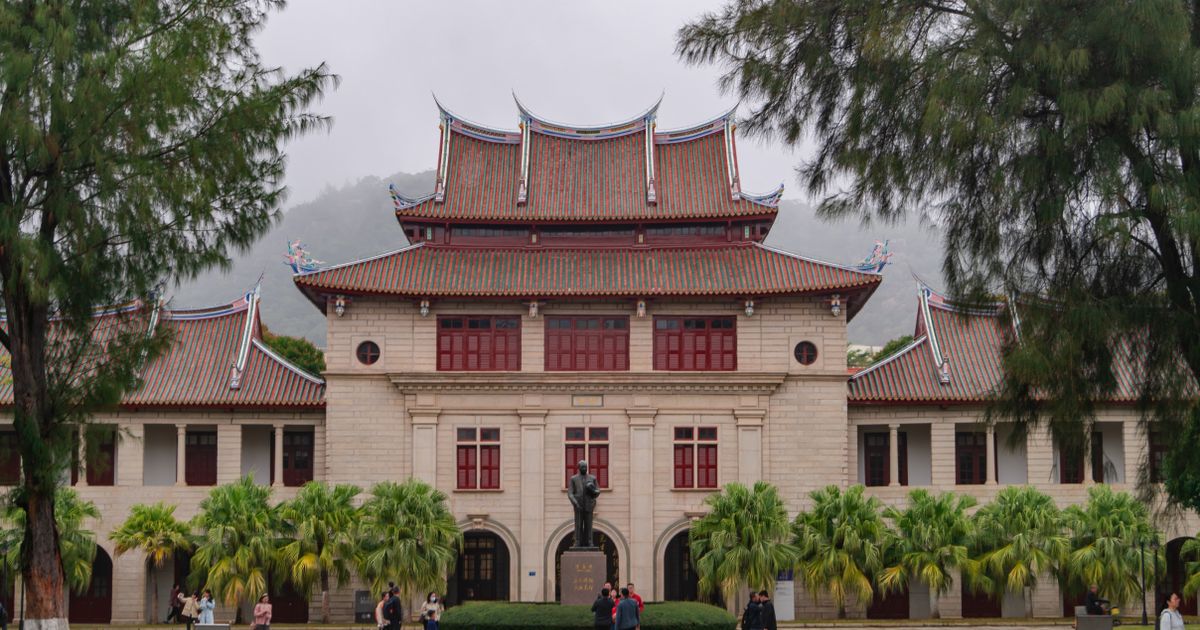
- Xiamen University: the campus Tan Kah Kee built, with its famous graffiti tunnel and seaside sports field.
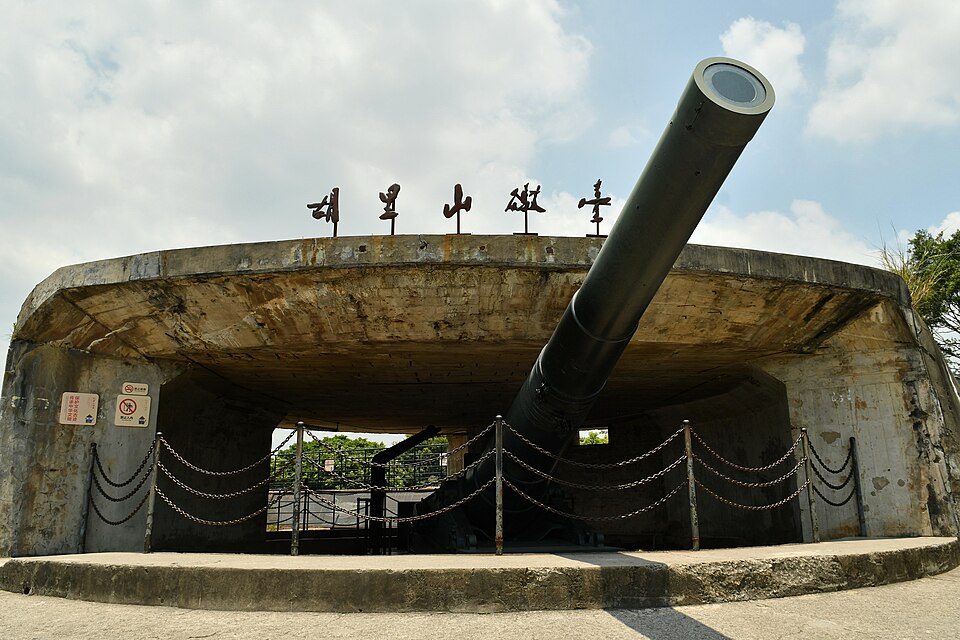
- Hulishan Fortress: an 1894 coastal fort guarding a record-breaking 19th-century Krupp cannon.
- Zengcuo'an: a former fishing village turned lively lane of guesthouses, street food, and live music.
- Island Ring Road: rent a bike or just walk the coastal boardwalk past Baicheng Beach and the sea.
Where to stay
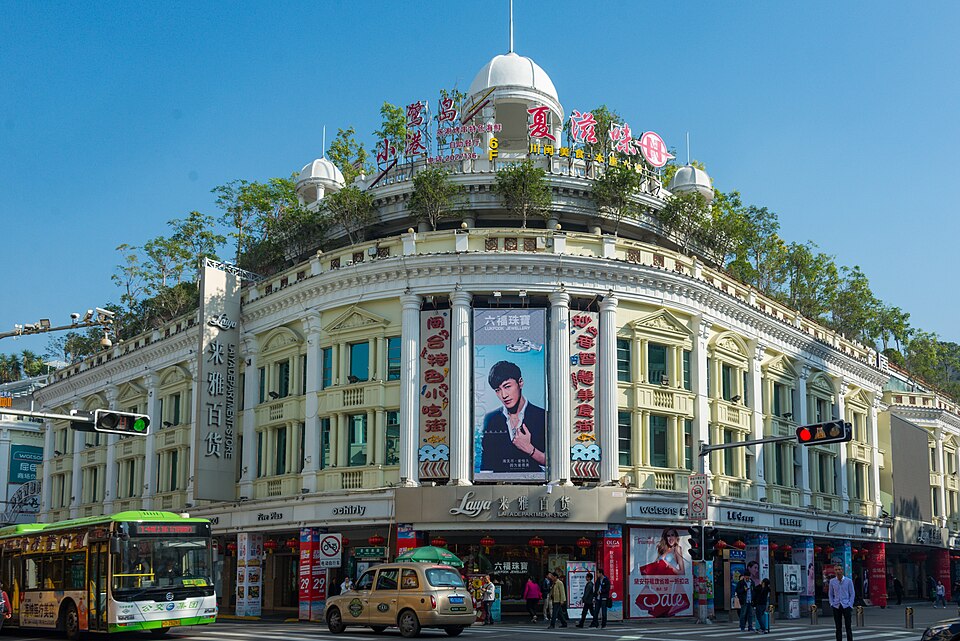
Base yourself in Siming District and everything else falls into place. Zhongshan Road and the older lanes nearby put you within walking distance of the Gulangyu ferry pier and plenty of Minnan food; Shapowei's converted fishing-village streets suit travelers who want café culture and sea views; the area around Xiamen University and Zengcuo'an works well if you'd rather wake up near the beach. Staying out near Xiamen North Railway Station or the airport saves little for a short trip, since both sit well outside the sightseeing core.
Find hotels in Xiamen
Trip.com: Siming District, near the Gulangyu ferry or Xiamen University
Some links are affiliate links; we may earn a commission at no extra cost to you.
Getting around
Xiamen's metro has grown to three lines. Line 1 is the classic scenic ride along the island's east coast, while Line 2 and Line 3 both tunnel across to the mainland districts, useful if you're staying near the airport or heading out to Jimei. Buses and the elevated BRT fill the gaps, and Didi, China's ride-hailing app, works everywhere and is affordable; foreign travelers can set it up before arrival with an international phone number and card, no local SIM required. Gulangyu is reached only by ferry: tourists board at Dongdu (the Xiamen Cruise Terminal), not the downtown local pier. Xiamen Gaoqi International Airport (XMN) is about 20 minutes from downtown, but Xiamen North Station, where most high-speed trains arrive, sits roughly 25 km out toward the mainland, closer to an hour away on Metro Line 1, so budget more time than the station's name suggests.
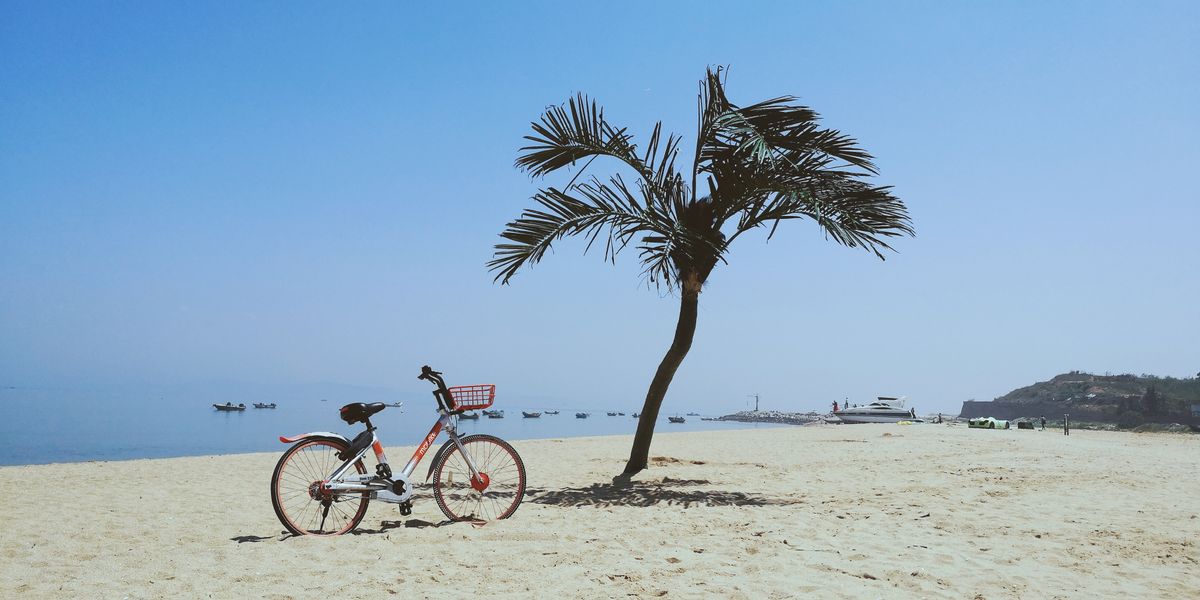
A quiet Xiamen beach with a bicycle leaning against a palm tree
What to eat
Minnan (southern Fujian) food is one of the real reasons to come. Look for oyster omelet, satay noodles in a nutty, mildly spicy broth, popiah fresh spring rolls, peanut soup, and ginger duck. Bawan (a translucent sweet-potato dumpling stuffed with pork and mushroom) is a Fujian specialty worth trying once. Zengcuo'an and the lanes around Bagua Mansion are good hunting grounds for snacks.
Visa-free entry
As of 2026-07, travelers from 55 eligible countries, including the US, UK, Canada, Australia, and most of Europe, can transit visa-free through Xiamen for up to 240 hours (10 days) when arriving and departing for a third country or region. Xiamen Gaoqi Airport and the Xiamen International Cruise Port both handle the scheme, and it lets you roam all of Fujian and many other provinces during your stay. If your passport isn't on that list, or you're not continuing on to a third country, check separately whether your nationality qualifies for China's broader 30-day visa-free entry, which carries no onward-travel condition and now covers a growing number of countries. Either way, set up Alipay or WeChat before you arrive: you'll want one linked to an international card to buy ferry tickets, ride the metro, and pay almost everywhere.
Highlights
- UNESCO-listed Gulangyu Island, a car-free island of colonial villas and piano music
- Nanputuo Temple, a free thousand-year-old Buddhist temple beneath Wulao Peak
- Xiamen University, often called China's most beautiful campus
- Hulishan Fortress and its record-breaking 19th-century Krupp coastal cannon
- Minnan food: oyster omelet, satay noodles, peanut soup and popiah rolls
- Easy 240-hour visa-free transit for travelers from 55 countries
- Three-line metro, seaside cycling paths and a relaxed, walkable pace in Siming District
Travel Tips
Best season
Aim for March-April or October-November. Avoid July-August typhoons, which can suspend the Gulangyu ferries.
Set up mobile pay first
Install Alipay or WeChat Pay with an international card before you arrive; you'll want it for ferry tickets, the metro, and most shops.
Book the Gulangyu ferry
Reserve round-trip tickets in the Xiamen Ferry mini-program up to 10 days ahead using your passport, and bring the physical document, not just a photo; tourists depart from Dongdu, not the local pier.
Stay in Siming District
Base yourself around Zhongshan Road, Shapowei, or near Xiamen University to keep the main sights within a short ride.
Mind Xiamen North Station
Most high-speed trains arrive at Xiamen North Station, about 25 km from the sightseeing core on Xiamen Island, not a downtown station; budget close to an hour to reach it by metro or taxi.