Health, Safety & Travel Insurance in China (2026)
Quick answer: China is one of the world's safest destinations, but before you fly buy travel insurance with medical and evacuation cover, save your hotel's address in Chinese, memorize emergency numbers (110/120/119), drink only bottled or boiled water, and check both your government's travel advisory and your prescription medicines against China's restricted-drug list.
China is one of the safest countries in the world for international travelers. Violent crime against tourists is rare, cities are heavily policed and brightly lit at night, and most visitors finish a multi-week trip without a serious problem. The real risks are mundane: a friendly stranger who steers you into an overpriced tea ceremony, an upset stomach from unsafe water, or a hospital bill you may need to pay before treatment. This guide covers scams, emergency numbers, water and food, travel insurance, hospitals, medications, air quality, and basic health preparation.
If you're still working out your entry paperwork, see our entry and customs guide.
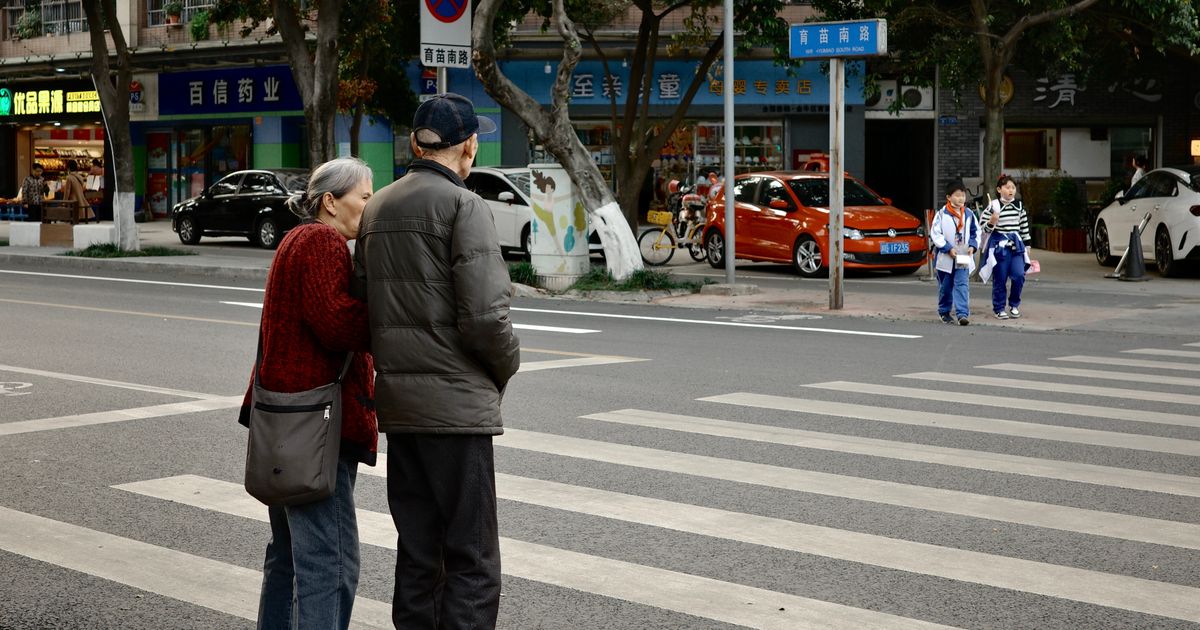
Two pedestrians waiting at a zebra crossing on a calm city street in Chengdu, China, with shops and trees lining the road
Is China safe?
For everyday street safety, China rates near the top globally. You can walk around most city centers late at night, ride the metro alone, and leave a phone on a restaurant table with relatively little worry. Solo travelers and women commonly report feeling comfortable.
The main caveats concern local law rather than street crime. The U.S. State Department currently advises travelers to exercise increased caution in mainland China because of arbitrary enforcement of local laws, possible exit bans linked to business or civil disputes, and strict drug laws with severe penalties. Obey local rules, avoid illegal drugs, do not photograph sensitive military or government sites, and keep your visa and registration in order. Check your own government's official travel advisory before you go.
Common scams
- Tea-house scam: A friendly stranger near a major sight invites you to a tea ceremony, followed by a wildly inflated bill. Never accept a tea, drink, or food invitation from a stranger, and confirm prices in writing.
- Art-gallery scam: People claiming to be art students invite you to a private show and pressure you to buy overpriced reproductions. Politely decline and leave.
- Unofficial taxis: Use the official taxi queue or a ride-hailing app such as DiDi, and insist on the meter.
- Fake goods and switched bills: Tourist markets may sell counterfeit products, and cash scams can occur. Mobile payment reduces many of these risks.
Emergency numbers
| Service | Number | When to call | What to do |
|---|---|---|---|
| Police | 110 | Theft, assault, threats, lost passport | State your location first |
| Ambulance | 120 | Medical emergency or serious injury | Give your address and say “ambulance” |
| Fire | 119 | Fire, gas leak, building emergency | Give the address and nearest landmark |
| Traffic police | 122 | Traffic collision or road emergency | Give your location and explain the incident |
Operators may have limited English. Carry your hotel's name and address in Chinese characters, ask hotel staff or a bystander to help if possible, and save your embassy or consulate's contact details. Foreigners can also call the consular hotline 12308.
Water, food, and stomach problems
Generally drink bottled or boiled water rather than tap water. Bottled water is inexpensive and widely available; check that the seal is intact. Hotel kettles and hot-water dispensers are useful alternatives. Use bottled or boiled water for brushing your teeth, and be cautious with ice unless you trust the source.
Street food is worth trying. Choose busy stalls with high turnover and food that is cooked hot in front of you. Carry hand sanitizer, anti-diarrhea medicine, and oral rehydration supplies.
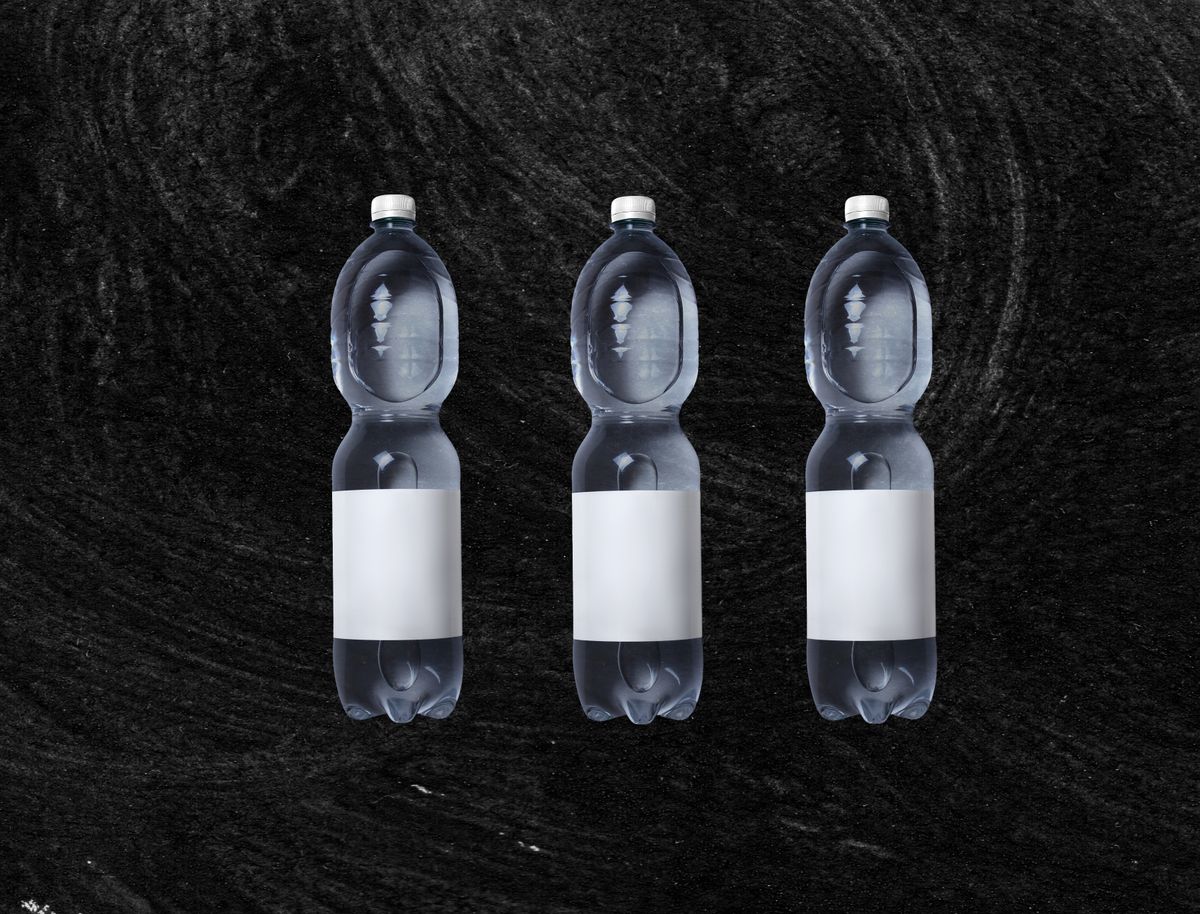
Three sealed plastic bottles of still water with blank labels arranged on a dark background
Travel insurance and hospital visits
China does not provide free healthcare to travelers. Buy comprehensive travel insurance covering local medical treatment, emergency medical evacuation, repatriation, planned activities, itinerary-related costs, and emergency cancellation where applicable.
Travel Insurance for China
Compare plans with medical treatment and evacuation cover
Some links are affiliate links; we may earn a commission at no extra cost to you.
Hospitals and doctors may require payment or a deposit before treatment or admission, including in emergencies. Travelers should confirm whether their insurer offers direct payment or reimbursement. In many cases, foreigners pay first and claim back later. Keep your insurer's emergency assistance number available and contact it as early as possible, especially if evacuation may be needed.
Public hospitals are generally less expensive but busier and more Chinese-language focused. International clinics offer more English-language support but usually cost more. Medical assistance may be slower or less well equipped in rural and remote areas, so adventure travelers should prioritize evacuation coverage.
Before discharge, request the official stamped invoice, an itemized cost breakdown, and a discharge summary. Ask for English copies or translations if available, and photograph every document as a backup.
Medications and pharmacies
Carry prescription medicines in their original labeled packaging, with a copy of the prescription and a doctor's note stating the generic name, dosage, and your name. Check official Chinese rules in advance because some psychotropic, narcotic, pseudoephedrine-containing, and ADHD medicines may be restricted or unavailable. Bring an adequate supply where permitted, plus a buffer, and do not assume that a prescription from your home country overrides Chinese law.
Pharmacies are widespread, but exact Western brands and formulations may not be available.
Air quality
Air quality has improved, but poor-air days still occur, especially in northern cities during winter. Check a reputable real-time AQI app before outdoor activities. Travelers with asthma or other respiratory conditions should take extra care and carry their inhalers. Consider a well-fitting N95-rated mask when pollution is high.

A pharmacist in a white coat selecting a labeled medicine bottle from a wooden pharmacy shelf
Health preparation before departure
Check current vaccine recommendations at least eight weeks before departure and seek destination-specific advice based on your health, itinerary, activities, and transit points. Routine vaccines may need updating. Depending on your plans, a travel-medicine clinician may discuss hepatitis A, typhoid, hepatitis B, Japanese encephalitis, rabies, or other vaccines.
China may require proof of yellow-fever vaccination for travelers arriving from a country with yellow-fever transmission risk, including some travelers who transited for more than 12 hours through such a country. Check the latest official entry requirements before departure.
Health disclaimer: This article is general travel information, not medical advice. Consult a qualified doctor or travel-medicine clinic and check current guidance from the CDC, WHO, and your government's travel advisory.
Before-you-fly checklist
- Comprehensive insurance with medical and evacuation cover purchased
- Insurer's emergency assistance number saved
- Hotel name and address saved in Chinese characters
- Emergency numbers noted: 110 / 120 / 119 / 122 and consular 12308
- Embassy or consulate details saved
- Medicines packed in original packaging with supporting documents
- Medicine rules checked in advance
- Vaccine recommendations reviewed at least eight weeks before departure
- Air-quality app installed and a suitable mask packed
- Official travel advisory checked
For more practical preparation, see our guides on essential apps for China, paying in China, and internet in China and eSIMs.
Common mistakes
- Traveling without medical and evacuation insurance.
- Assuming hospitals will provide treatment without payment or a deposit.
- Leaving without stamped invoices and itemized medical records.
- Accepting a stranger's invitation to a tea ceremony or art show.
- Drinking tap water or using unknown ice.
- Packing medicines without checking Chinese restrictions.
- Failing to save your hotel address in Chinese characters.
Who this is for
This guide is for first-time and independent travelers to mainland China who want to prepare for insurance, emergencies, food and water hygiene, medications, and basic health needs. It does not replace personalized medical advice.
Frequently Asked Questions
Is China safe for tourists? Yes, everyday violent crime against tourists is uncommon, but follow local laws and check your government's current advisory.
Can you drink tap water in China? Drink bottled or boiled water rather than tap water, including for brushing your teeth.
Do you need travel insurance for China? It may not be legally required, but comprehensive medical, evacuation, repatriation, and activity coverage is strongly recommended.
What are China's emergency numbers? 110 is police, 119 is fire, 120 is ambulance, and 122 is traffic police. Operators may have limited English, so save your location in Chinese characters.
What should I check before traveling with medication? Verify that each prescription is permitted in China, carry it in original packaging with supporting paperwork, and bring an adequate supply where allowed.
Sources
- China - International Travel Information · U.S. Department of State
- China Travel Advisory (Level 2) · U.S. Department of State
- China travel advice · UK Foreign, Commonwealth & Development Office
- Health Information for Travelers to China · U.S. Centers for Disease Control and Prevention (CDC)