How to Pay in China: Mobile Payments, Cash & Cards (2026)
Quick answer: Link a Visa or Mastercard to Alipay or WeChat Pay before you fly and you can pay almost anywhere by scanning a code. Carry a little RMB cash as backup, since cash cannot legally be refused, while physical foreign cards mostly work at big hotels, airports and global chains.
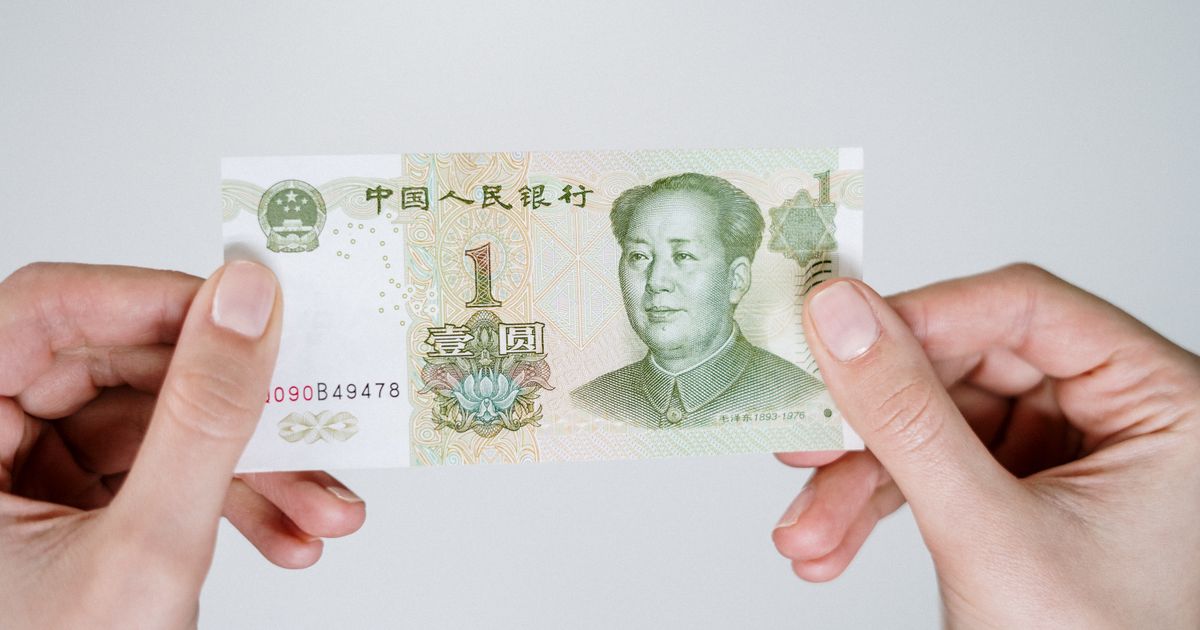
Two hands holding a Chinese one-yuan RMB banknote against a plain background
You'll hear that China has gone cashless. That's true almost everywhere you'll spend money as a tourist, and it's not quite true at the edges: a rural guesthouse, an older market stall, a taxi that still hands you a paper receipt. Alipay and WeChat Pay handle the vast majority of purchases once you link a foreign card, from a bowl of noodles to a high-speed-train ticket, and you no longer need a Chinese bank account or local phone number to set either one up. What trips people up usually isn't the technology, it's not knowing which of the three layers, mobile pay, cash or physical card, to reach for in a given moment.
This is the big-picture money guide. For the step-by-step on the single most useful app, and the mistakes that get a linked card declined, see our dedicated Alipay for foreigners walkthrough; think of this article as the map that ties cash, cards and mobile pay together.
Mobile payments: the default everywhere
Both Alipay and WeChat Pay let foreign visitors link an international card directly inside the app, no Chinese bank account or local phone number required. You verify your identity with your passport (the photo page, not the visa page) and a live face scan, add the card, and you're set to scan-to-pay or show your own payment code at the till.
A few things worth knowing:
- Card type matters. Visa, Mastercard and JCB link most reliably. American Express now works on some accounts too, though acceptance is patchier. A physical card links more reliably than a virtual card number from a neobank app, even when it's the same provider.
- Fees and limits: small purchases are typically free of any foreign-card surcharge; above a certain amount a modest service fee usually applies, on top of whatever your own bank charges. Per-transaction and annual caps exist too, and both have been raised repeatedly to welcome tourists; check current terms in-app rather than an old article.
- Setup hiccups are usually the bank's fault, not the app's. Many banks block overseas or app-linked transactions by default, and switching VPN servers mid-verification is a common trigger for a security hold. Set up on stable home wifi before you fly, with your bank already told you're travelling.
- A newer option: UnionPay's own app, Nihao China, launched in December 2025 for foreign visitors. It links a Visa, Mastercard or UnionPay card and scans Alipay, WeChat Pay and UnionPay codes from one app, plus reaches booking platforms like 12306 and Ctrip without registering separately for each. Worth having installed as a backup if Alipay or WeChat Pay verification stalls.
WeChat Pay works the same way and is worth setting up too if you already use WeChat to message or scan menus; many travelers install both.
Cash: still legal, still worth carrying
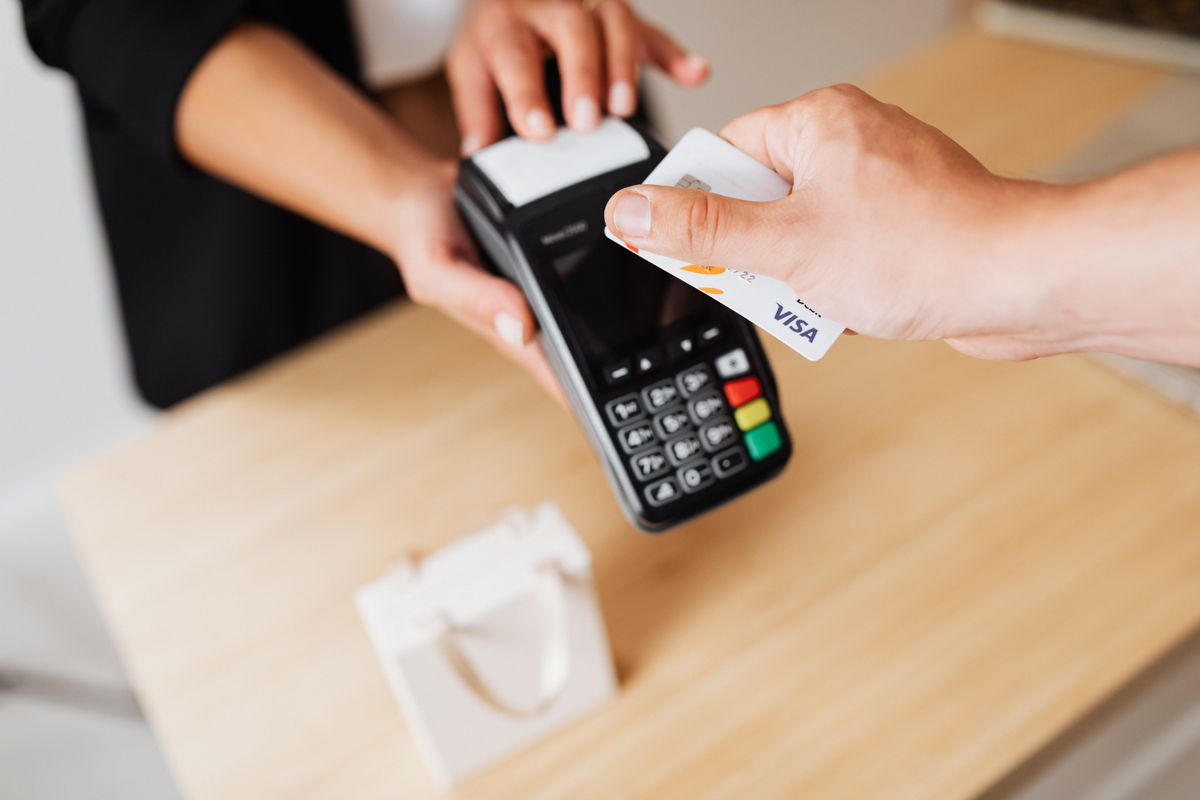
A hand tapping a Visa bank card on a black contactless card terminal at a shop counter
Despite the cashless hype, the renminbi (RMB, also called the yuan) remains legal tender. Since 1 February 2026, the People's Bank of China's Regulations on RMB Cash Acceptance and Services make it explicit: businesses, government offices and service providers cannot refuse cash or make it harder to use than mobile pay, and regulators can investigate complaints. Part of the stated reason for the rule is exactly this problem, foreign visitors struggling with QR-only checkouts.
In practice, some younger vendors and trendy cafes are still "cash-shy" and may look surprised if you pay with notes, but a taxi, a rural guesthouse, a temple entrance or an older market stall may strongly prefer cash. Carry a small stash of ¥1, ¥5, ¥10 and ¥20 notes as backup. It's your safety net if your phone dies, an app glitches, or you wander somewhere off the tourist trail.
Foreign cards and ATMs
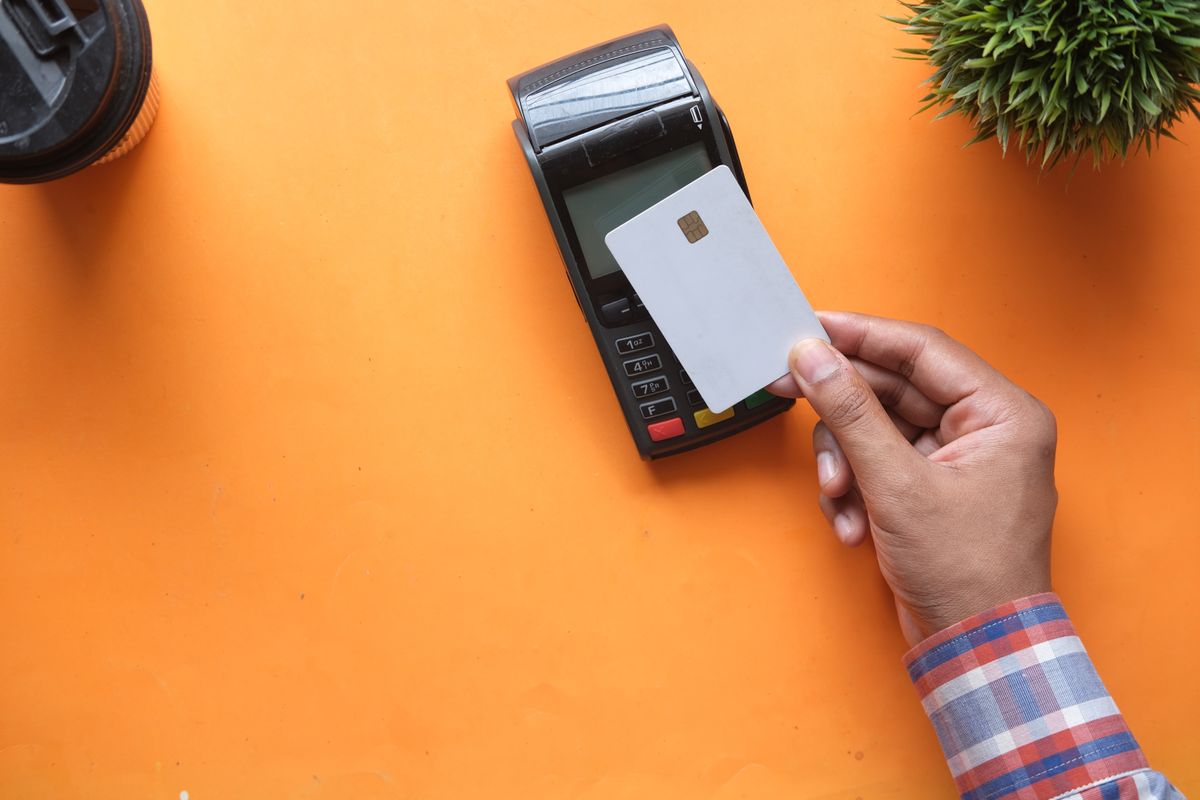
Top-down view of a hand holding a bank card over a card payment terminal on an orange desk
Physical Visa and Mastercard work at international-standard venues: four-star-and-up hotels, airport shops and duty-free, big shopping malls, and global chains like Starbucks, McDonald's and KFC. At small shops, street food stalls and most local restaurants, a swipe of a foreign card simply won't go through, that's what mobile pay and cash are for.
To get cash, use ATMs at major banks. Bank of China and ICBC are the most reliably foreign-card-friendly, and machines inside bank branches or hotel lobbies are safest. Expect a per-withdrawal cap, a local machine fee, plus whatever your home bank charges for an international withdrawal, so withdraw a useful amount at once rather than making many small trips.
Currency exchange and tipping
You can exchange money at the airport on arrival, at bank branches, and at some hotels. A common strategy: change a small amount, enough for a taxi and a first meal, at the airport despite the mediocre rate, then top up at a bank or ATM once you've settled in. Hotels usually offer the worst rates, so use them only in a pinch. Bring your passport; it's required for over-the-counter exchange.
Good news for your budget: tipping is generally not customary in China. Restaurants, taxis and most services don't expect a tip, and rounding up is unnecessary. The exception is the international tourism trade, private guides, drivers and high-end hotel staff who serve foreign travelers may appreciate a tip, but it's rarely treated as an obligation.
Payment methods at a glance
| Payment method | Where it works | What to know |
|---|---|---|
| Alipay / WeChat Pay (foreign card linked) | Almost everywhere, shops, transport, restaurants, tickets | Best all-rounder; modest fee above a small-purchase threshold; verify with passport and a face scan; set up before you fly |
| Nihao China (UnionPay app) | Transit, most Alipay/WeChat/UnionPay QR codes, booking platforms like 12306 and Ctrip | Newer app for visitors, launched December 2025; handy backup if Alipay or WeChat Pay verification stalls |
| RMB cash | Legally everywhere; best for taxis, rural areas, markets | Businesses cannot legally refuse it as of February 2026; carry small notes as backup |
| Foreign credit card (physical) | Big hotels, airports, malls, global chains | Rarely accepted at small or local venues; tell your bank you're travelling |
| ATM withdrawal | Bank of China, ICBC and other major banks | Withdrawal caps and fees apply; use branch or lobby machines |
| Currency exchange | Airport, banks, some hotels | Banks beat hotels on rate; bring your passport |
Before you fly: your money checklist
- Install Alipay (and ideally WeChat Pay) and complete passport and face verification at home.
- Link your Visa or Mastercard inside the app, using the exact name on your passport, and confirm it activates.
- Tell your bank you're travelling to China so the card isn't blocked, and that it's cleared for overseas and online use.
- Bring one or two physical cards as backup rather than a virtual card number, plus a modest amount of USD or EUR to exchange on arrival.
- Plan to withdraw a small cash buffer, small notes, from a Bank of China or ICBC ATM.
- Read our Alipay for foreigners guide for the detailed setup and card-decline fixes, and our essential apps for China list so your phone is travel-ready.
Get this sorted before you leave and the money side of the trip runs on autopilot: phone in hand, a little cash tucked away just in case.
Common mistakes
- Waiting until you land to set up Alipay or WeChat Pay. Passport and face verification are far more reliable on stable wifi at home than on airport wifi or roaming after a long flight.
- Assuming a physical Visa or Mastercard will work everywhere. Small shops, street food stalls and most local restaurants don't take foreign swipe cards; without mobile pay or cash you can get stuck at the till.
- Carrying only large ¥100 notes. Taxis, rural guesthouses and market stalls often can't break a big bill, keep a stash of small notes (¥1 to ¥20).
- Not telling your bank you're travelling. A foreign transaction from China can trigger a fraud block and freeze the exact card you linked to Alipay or used at the ATM.
- Assuming everything is free. Small purchases typically carry no foreign-card fee, but larger ones usually do, on top of whatever your own bank charges, so check the current terms in whichever app you're using.
Who this is for
This overview is for first-time visitors who want the whole money picture, mobile pay, cash, foreign cards and ATMs, in one place before they travel.
Skip this if you only need the detailed setup for one app, go straight to our Alipay for foreigners walkthrough, or if you live in China with a local bank account and already pay like a resident.
Related guides
Once you have the big picture, these deep-dives cover each piece in detail.
Mobile payment apps
- Alipay for foreigners: full setup
- WeChat Pay for foreigners
- WeChat Pay vs Alipay: which to use
- Alipay Tour Pass and what replaced it
- Can you use Apple Pay in China?
Cash and ATMs
- Can you still use cash in China?
- How much cash to bring to China
- How to withdraw cash at Chinese ATMs
- Best currency to take and where to exchange
Cards and fees
Frequently Asked Questions
Can foreigners use Alipay and WeChat Pay in China? Yes. Both apps let foreign visitors link an international Visa, Mastercard or JCB card directly, with more reliable acceptance for a physical card than a virtual card number from a neobank app. You verify your identity with your passport and a live face scan, no Chinese bank account or local phone number required. Set up at least one app before you fly, ideally on hotel or home wifi.
Can you still use cash in China? Yes. The renminbi is legal tender, and since 1 February 2026 a national regulation makes it explicit that businesses cannot refuse cash or make it harder to use than mobile pay. Some trendy cafes are still cash-shy in practice, but taxis, rural guesthouses and older market stalls may prefer notes. Carry a small stash of small bills (¥1 to ¥20) as backup.
Does China accept foreign credit cards? Physical Visa and Mastercard work at international-standard venues such as four-star-and-up hotels, airport shops, big malls and global chains like Starbucks, McDonald's and KFC. At small shops, street stalls and most local restaurants a swipe won't go through, so rely on mobile pay or cash there. Tell your bank you're travelling so the card isn't blocked.
Can I withdraw cash from an ATM with a foreign card? Yes, at major banks. Bank of China and ICBC are the most reliably foreign-card-friendly, and machines inside bank branches or hotel lobbies are safest. Expect a per-withdrawal cap, a local machine fee and an international-withdrawal charge from your home bank, so take out a useful amount at once rather than making many small trips.
Do you tip in China? Tipping is generally not customary. Restaurants, taxis and most services don't expect a tip, and rounding up is unnecessary. The exception is the international tourism trade, where private guides, drivers and high-end hotel staff may appreciate a tip, though it's rarely treated as an obligation.
Sources
- UnionPay International · UnionPay International
- WeChat Pay (Weixin Pay) Official Site · Tenpay / Tencent
- Announcement on the Regulations on RMB Cash Acceptance and Services · People's Bank of China (PBOC)
- Nihao China App · UnionPay International