Datong
Datong Ancient City Wall
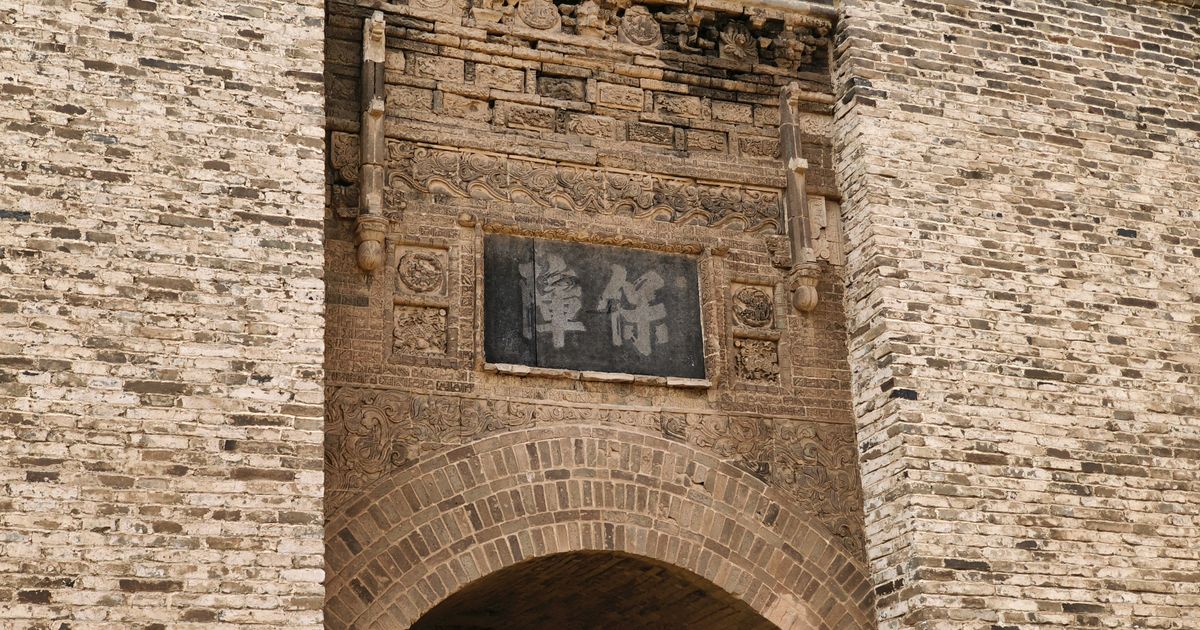
The original rampart was raised in 1372, early in the Ming dynasty, on the foundations of earlier walls, encircling Datong's old town in a near-perfect square 7.24 km around. After centuries of decay it was comprehensively rebuilt over the past decade, faced again in dark blue-grey brick over a rammed-earth core, with watchtowers, corner platforms and gate towers restored to their Ming proportions. The grey-brick wall is now the frame that holds the old town together.
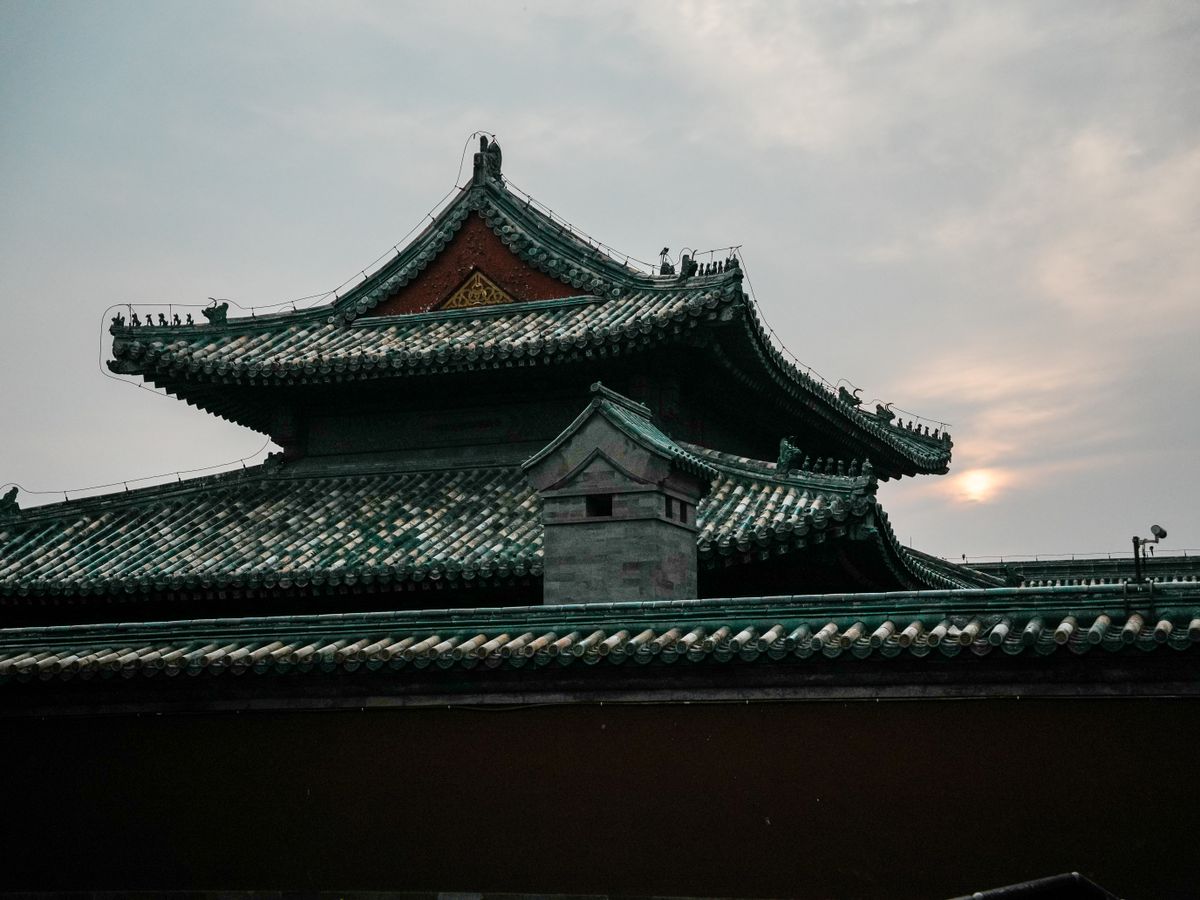
Datong's rebuilt grey-brick city wall and gate
At roughly 14 metres high and wide enough at the top to walk or cycle, the wall gives the best overview of how the old town is laid out. From the rampart you look inward over restored temple roofs and courtyard lanes, and outward to the modern city beyond. The four main gates are each crowned by a multi-storey tower, and several stretches are lit well into the evening, when the walls and towers turn into one of Datong's signature night sights.
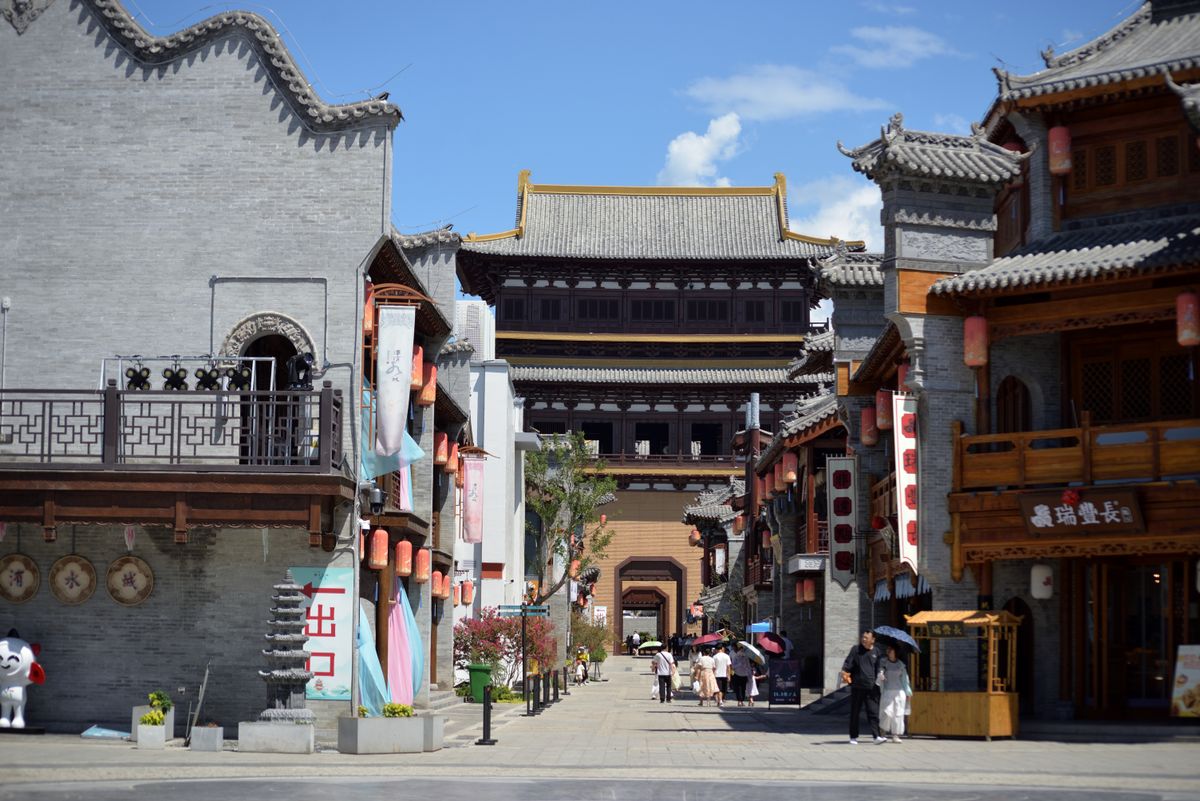
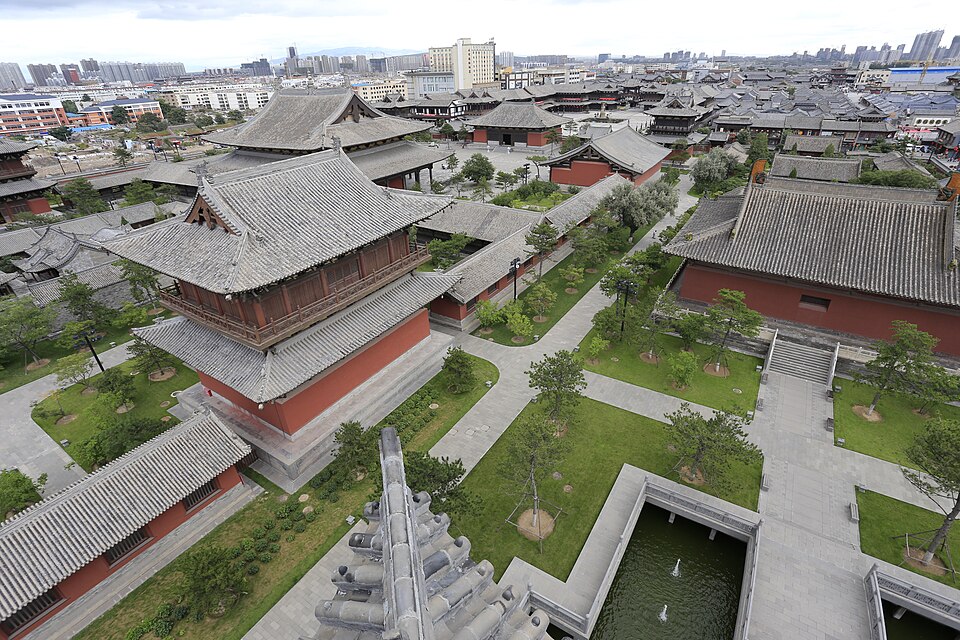
Traditional architecture along Datong's old city
Reconstruction divides opinion, since this is a modern rebuild rather than a weathered original, but as a way to understand the scale and military logic of a Ming frontier city it works well. General access to the rampart is free with ID at the gate as of 2026, a change from the paid-entry system of a few years back; a handful of interior exhibits inside the gate towers may still carry a small separate charge, so budget a little flexibility if you want to see everything. Allow an hour for a section on foot, or rent a bike on top to cover more ground, and time a visit for late afternoon so you catch both daylight and the lights coming on.
Walking the rampart
The most rewarding way to experience the wall is to climb at one gate and walk a stretch of the top. Yongtai Gate on the south side and Heyang Gate on the east are the two most commonly used access points. From up there the grid of the old town opens out below, and you can trace how the four axial streets meet at the centre, the classic plan of a Chinese walled city. Interpretive panels at the main gate towers explain the Ming defensive system: the wide rammed-earth core, the brick facing, the projecting bastions that let defenders cover the base of the wall, and the moat that once ran outside.
When to go and practical notes
Late afternoon into early evening is the sweet spot, giving you daylight views and then the floodlit walls; the rampart typically stays open into the evening, well past sunset in peak season, though hours can shift with the season so it's worth confirming locally. Spring and autumn are most comfortable for walking the exposed top, which catches the wind; summer evenings are pleasant once the heat drops, while winter is cold and quiet. Bikes can be rented on top for a modest hourly fee if you want to ride the full circuit rather than walk a single side, with larger multi-seat bikes costing more than a standard single.
Inside the walls
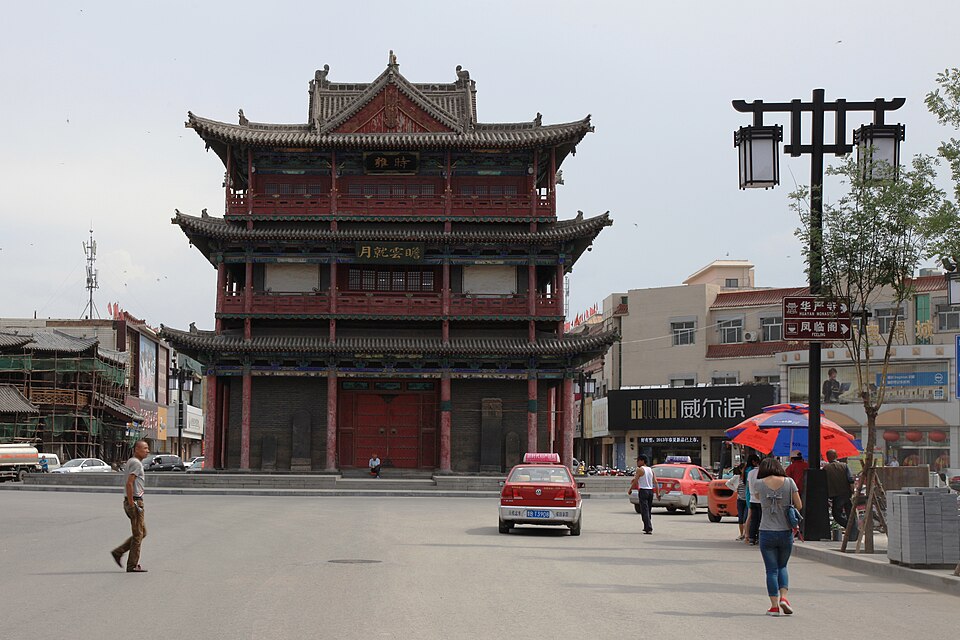
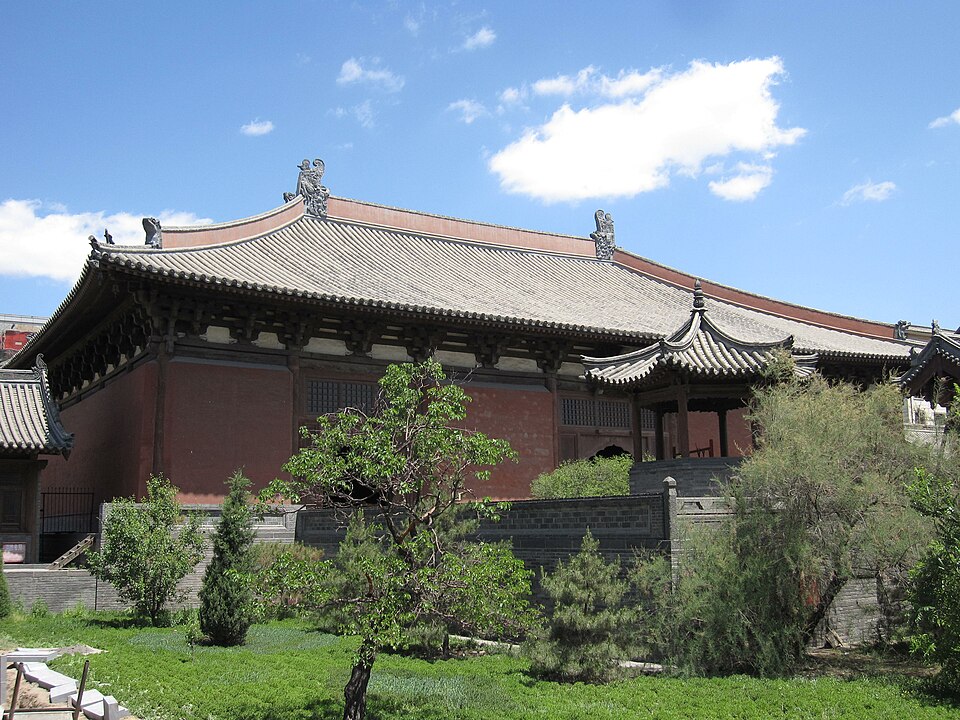
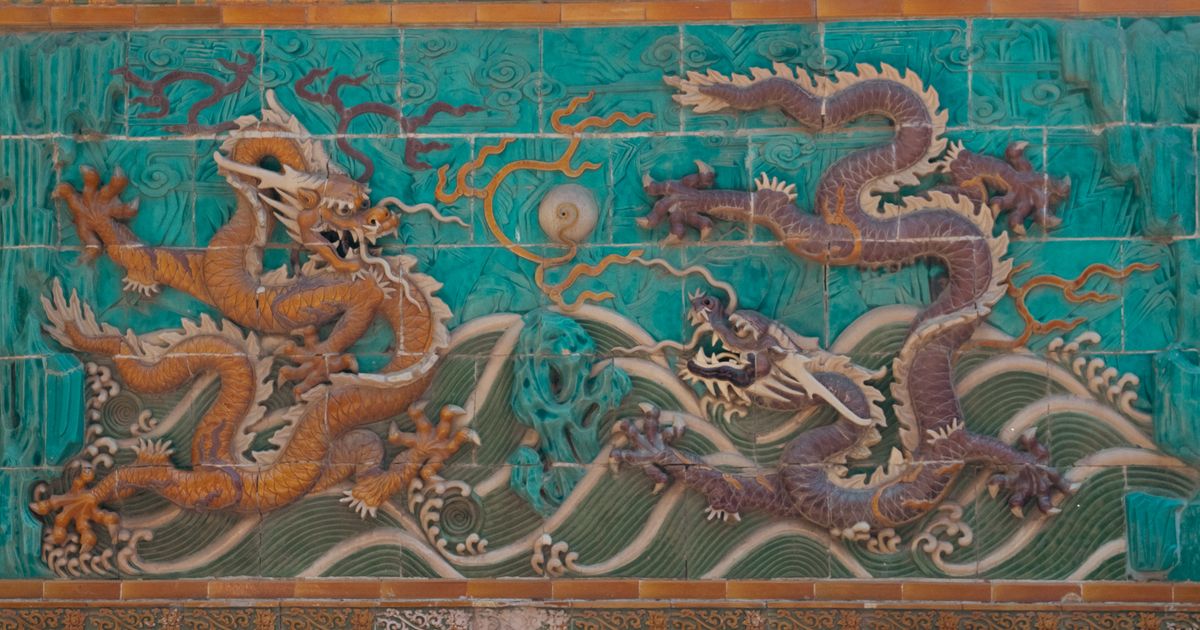
The rampart is only the start. Within the square it encloses sit some of Datong's finest monuments: the Upper and Lower Huayan temples with their Liao-era halls, the Shanhua Temple near the south gate, the Nine Dragon Wall, and a reconstructed Drum Tower at the crossing of the main axes. In the evening the central streets fill with stalls selling Shanxi snacks, from knife-cut noodles to skewers, and the lit walls make a natural backdrop for a slow stroll. Treat the wall as the spine of a half-day on foot and let the lanes inside fill out the rest. The full circuit is just over seven kilometres, so unless you are keen to walk it all, pick one gate, climb there, and cover a single scenic side on foot before coming back down.
Highlights
- A 7.24 km grey-brick wall first built in 1372 and fully rebuilt in the past decade
- About 14 metres high and wide enough to walk or cycle along the top
- Four main gates each crowned by a multi-storey tower
- Free general rampart access with ID as of 2026
- Floodlit sections that become one of Datong's signature night views
Travel Tips
Walk or cycle the top
Allow about an hour on foot for one section, or rent a bike on the rampart for a modest hourly fee to cover more. A few interior gate-tower exhibits may charge a small separate fee.
Come for late afternoon
Arriving an hour or two before dusk lets you see the layout in daylight and then watch the walls light up after dark.