Datong
Huayan Temple, Datong
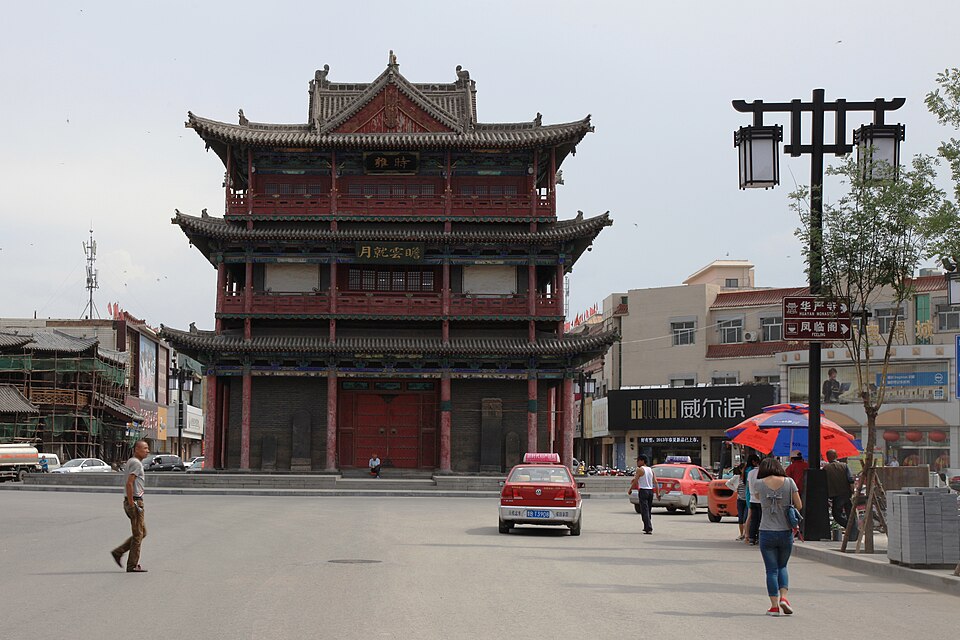
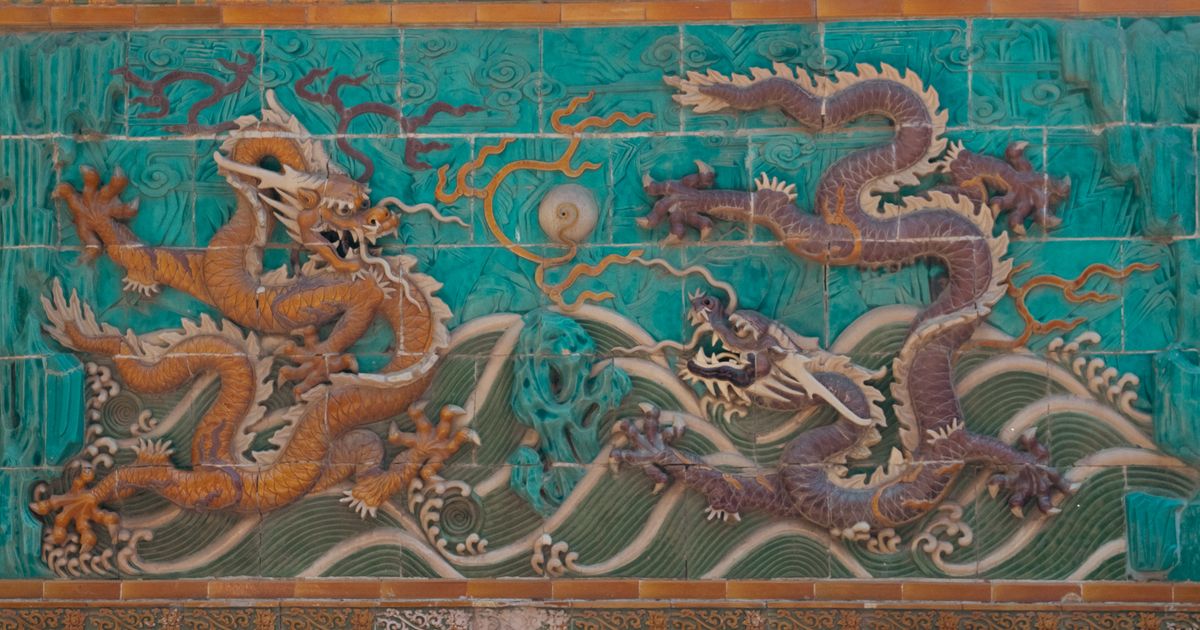
Two things set Huayan Temple apart before you even step through the gate. The whole compound faces east rather than the usual south, a layout most historians read as a nod to the Khitan rulers of the Liao, who honoured the rising sun. And the scale of its timber halls is hard to take in until you are standing at their feet. It is the largest Buddhist complex surviving from the Liao and Jin dynasties anywhere in China, a few minutes on foot from the Drum Tower and the Nine Dragon Wall in the heart of Datong's old city.
The site divides into two parts, Upper Huayan and Lower Huayan, each built around one monumental hall.
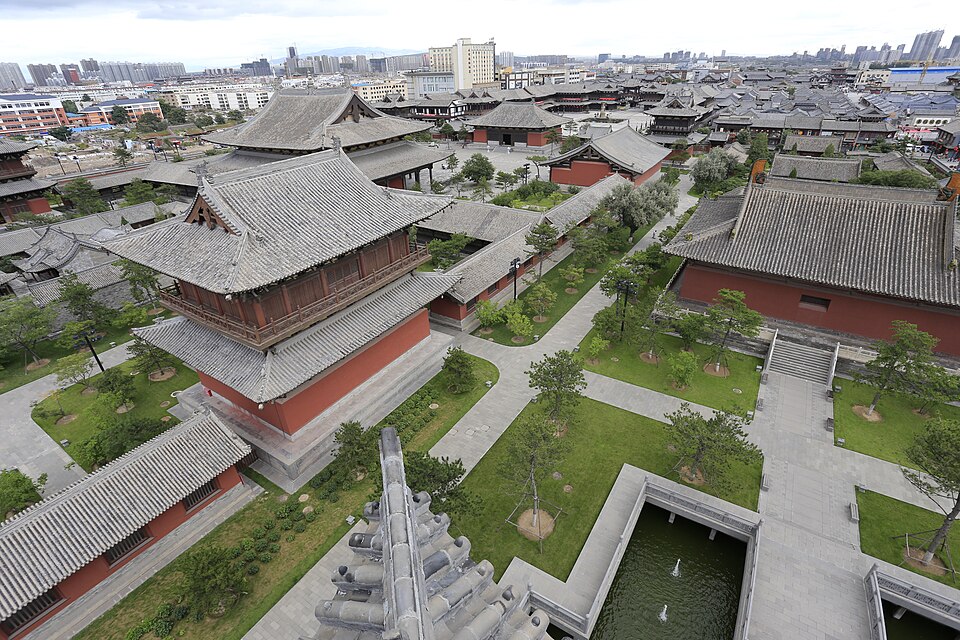
Aerial view of Huayan Temple halls and courtyards in Datong
Upper Huayan and the Great Hall
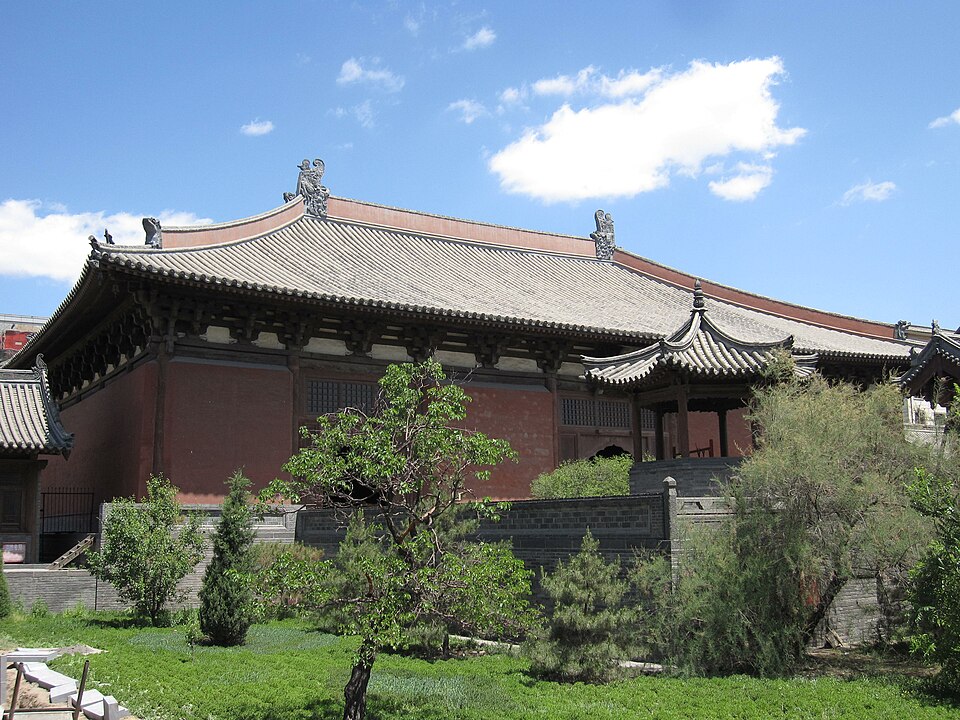
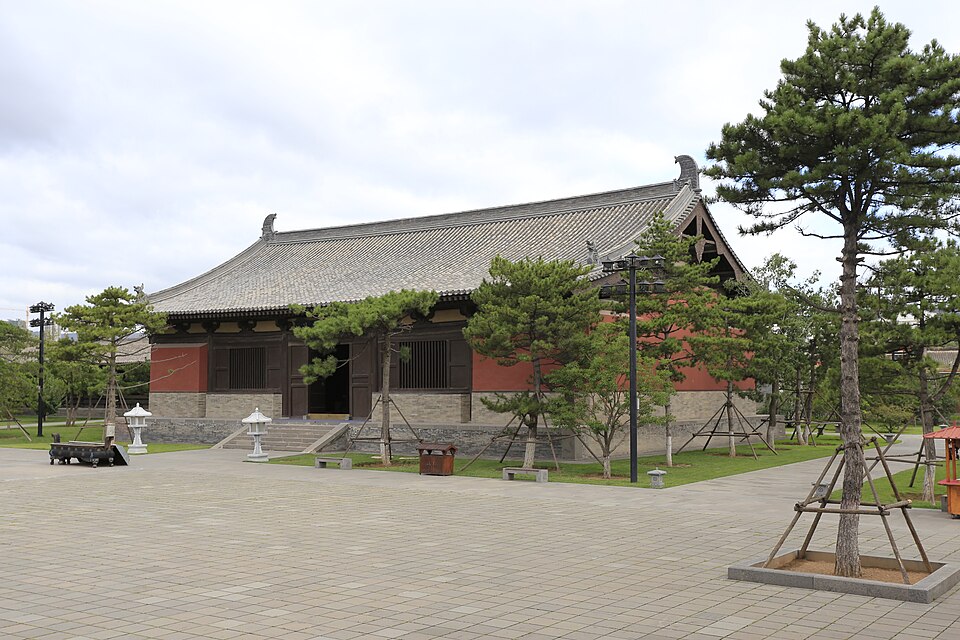
The Mahavira Hall (Daxiong Baodian) in Upper Huayan ranks among the two largest single-storey wooden Buddhist halls left in China. It was rebuilt in 1140 under the Jin on older Liao foundations. Five gilded Buddhas sit inside, ringed by Ming-era wall murals and a painted coffered ceiling. The hall stands on a high stone platform, so you climb a broad staircase to reach it, and the long grey sweep of its roof is the picture most visitors carry home.
Lower Huayan and the Liao statues
The real treasure waits in Lower Huayan. The Bojia Jiaozang Hall, finished in 1038, is the oldest building on the grounds and was built as a sutra library. Its walls are lined with delicate wooden "celestial palace" bookcases that count as Liao carpentry masterpieces on their own. The hall shelters 31 painted clay figures from the Liao period. One bodhisattva, caught with a faint smile and palms pressed together, is widely nicknamed the "Oriental Venus" and is worth the trip by itself.
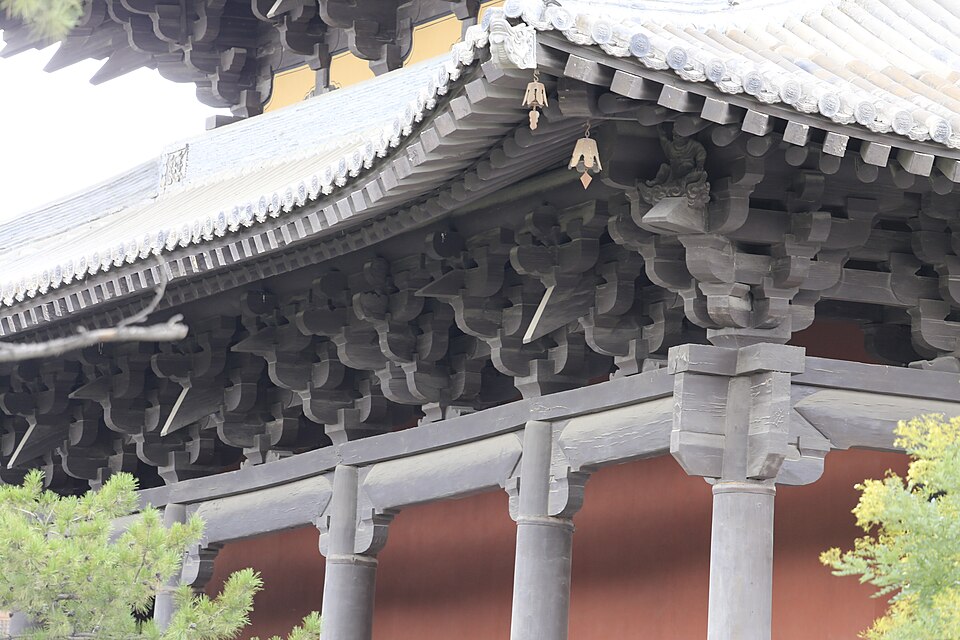
Carved timber bracket sets under the eaves of a Huayan Temple hall
A modern timber pagoda was added on the south side. You can climb it for a rooftop view across the temple roofs and the old town, and there is a small copper-lined shrine in its basement.
Tickets, hours and getting there
Entry runs in the CNY 70-90 range as of 2026, one of the pricier single-site tickets in Datong, and children under 1.2 metres go free; confirm the exact figure at the gate since fees at Chinese heritage sites move year to year. The temple opens 08:30 to 17:30 from April to October and closes half an hour earlier in winter, 08:30 to 17:00 from November to March. Tickets are also bookable in advance through Klook or Trip.com, which can save a wait at the counter in peak season, though buying on-site works just as well the rest of the year. The temple stands on Lower Temple Street inside the old city, so you can walk between it, Shanhua Temple, the Drum Tower and the Nine Dragon Wall in a single morning. Late spring through early autumn is the kindest season; Datong sits above 1,000 metres and winters bite, though the halls look striking under snow if you can handle the cold. Allow about two hours. Photography is restricted inside Lower Huayan to protect the old pigments, so look rather than shoot in that hall.
History and what is original here
Huayan Temple was founded under the Liao and takes its name from the Avatamsaka (Huayan) school of Buddhism. War between the Liao and the Jin wrecked much of it in the 1120s, and the surviving halls owe their present shape to a Jin rebuilding followed by Ming and Qing repairs; the split into separate Upper and Lower temples dates from those later centuries. A major restoration finished around 2010 rebuilt missing structures, including the wooden pagoda, and opened up the grounds you walk today. The two great halls are the genuine survivors, so it is worth knowing which buildings are old and which are modern reconstructions.
The wooden bookcases inside the Bojia Jiaozang Hall reward a slow look. Built as a miniature two-storey "palace in the sky" that runs around the walls, with a small arched bridge linking the two sides above the rear shrine, they were singled out by the architectural historian Liang Sicheng as a rare survival of Liao cabinetwork. The hall is kept dim to protect the statues, so a small torch helps.
Highlights
- Largest surviving Liao-Jin Buddhist complex in China
- Unusual east-facing layout tied to Khitan sun worship
- Mahavira Hall, one of China's two biggest single-storey wooden Buddhist halls
- The 1038 sutra library with 31 Liao painted clay statues
- The 'Oriental Venus' smiling bodhisattva
- Climbable modern wooden pagoda with old-city views
Travel Tips
One ticket covers both halls
A single ticket, in the CNY 70-90 range as of 2026, covers Upper and Lower Huayan plus the pagoda; under 1.2 metres is free. Book ahead through Klook or Trip.com in peak season to skip the counter.
Come right at opening
Arrive at 08:30 for soft east light on the halls and near-empty courtyards before tour groups roll in.
No photos in Lower Huayan
Photography of the Liao statues is restricted to protect the pigments, so plan to look rather than shoot there.
Suggested itineraries
Related reading
Beijing in 4 Days: The Perfect First-Timer's Itinerary
9 min read
How to Book China's High-Speed Trains (12306 & Trip.com): 2026 Guide
8 min read
How to Ride China's High-Speed Trains: E-Tickets, Boarding & Stations (2026)
8 min read
Datong 2-Day Itinerary: Yungang Grottoes, Hanging Temple & the Old City (2026)
9 min read