Datong
Shanhua Temple, Datong
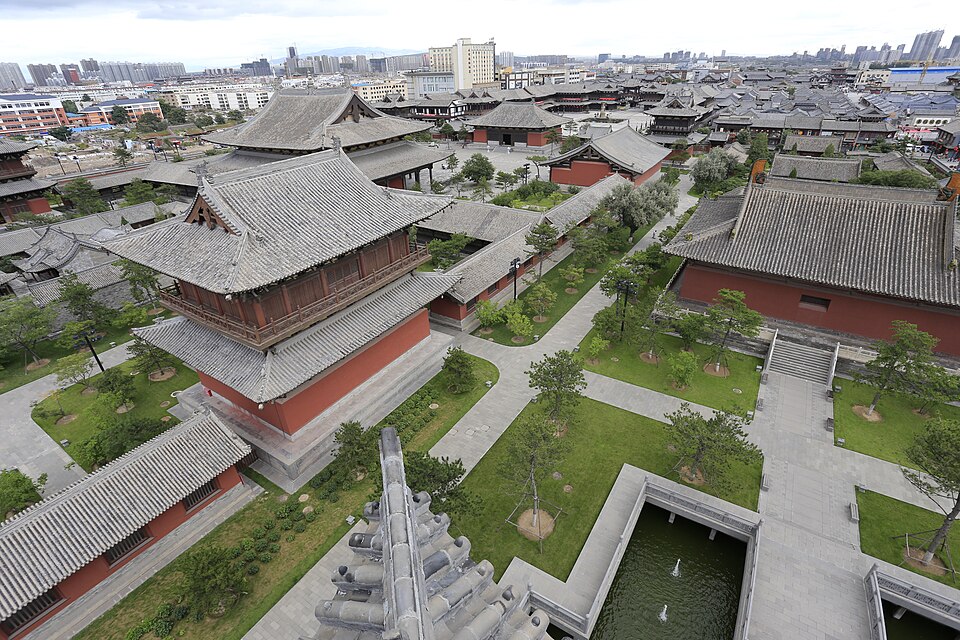
Shanhua Temple is the most complete Liao and Jin temple layout left standing in China, and unlike many old monasteries that survive as a single hall, here the full front-to-back plan is intact. It sits just inside the south gate of Datong's old city, so it pairs naturally with a walk along the rebuilt walls. Founded in the Tang dynasty and rebuilt after war damage under the Liao and Jin, the temple lines up its main buildings along a clear central axis that climbs gently from the gate to the great hall.
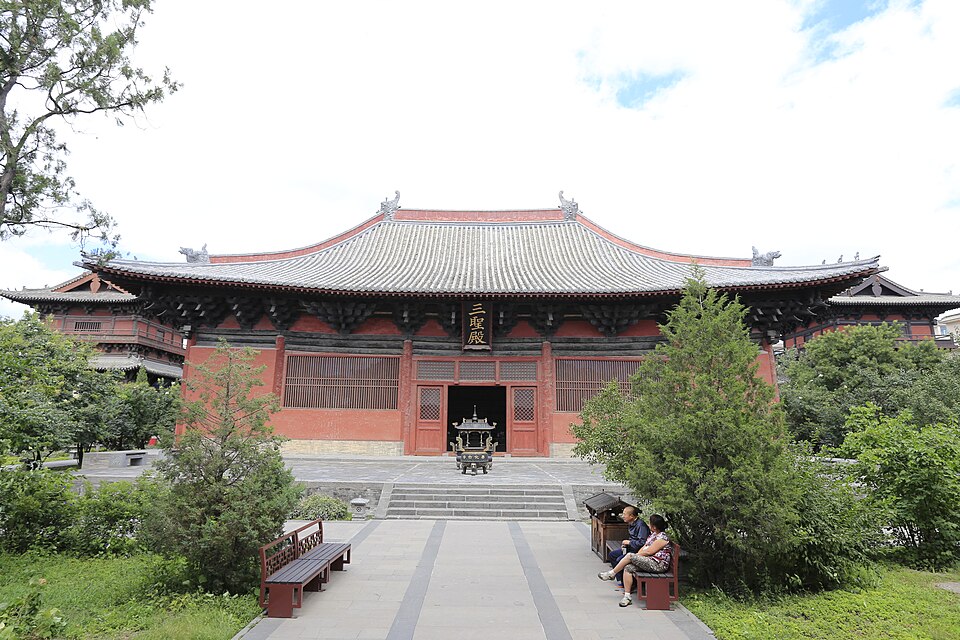
The Hall of Three Saints at Shanhua Temple, Datong
Walking the central axis
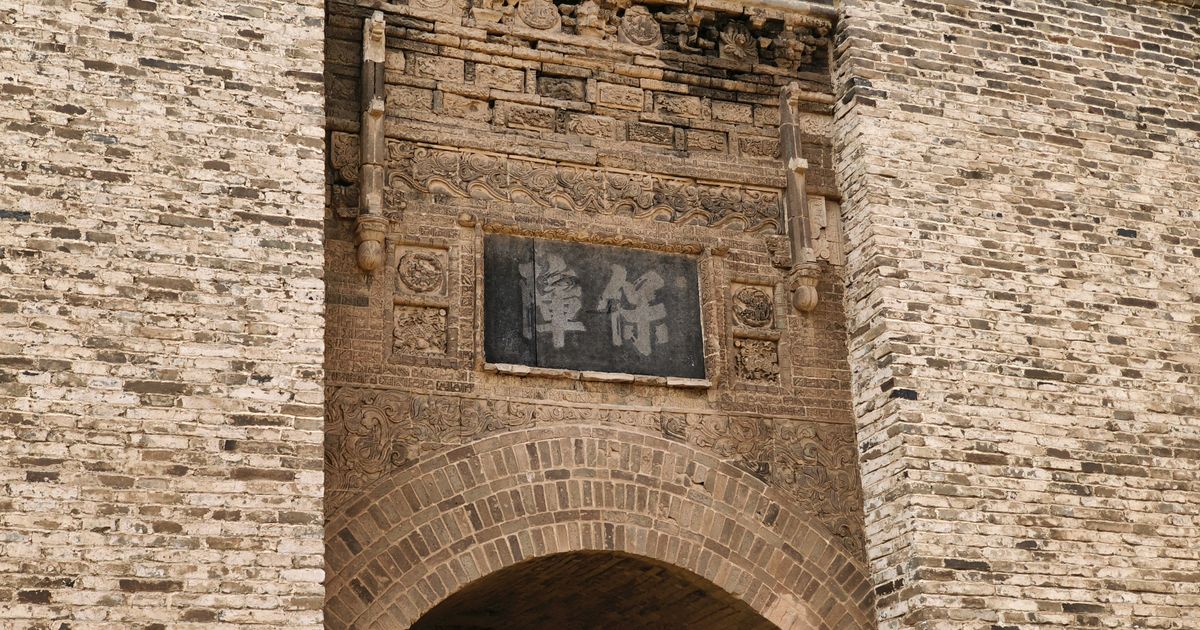
You enter through the Shanmen, the temple gate, itself a Jin-dynasty structure and one of the largest surviving temple gates of its kind in China. Beyond it stands the Hall of Three Saints (Sansheng Dian), a Jin hall known for the bold, far-reaching bracket sets under its eaves. The path then rises to the Mahavira Hall (Daxiong Baodian), the oldest and grandest building on the site, dating to the Liao.
Inside the great hall
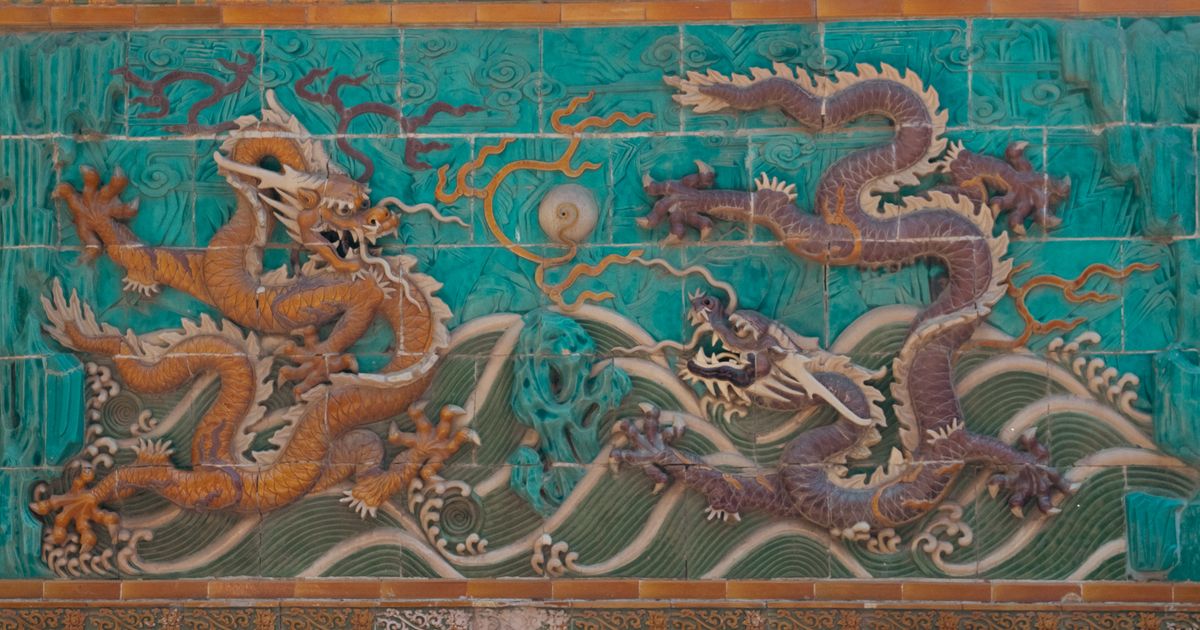
The Mahavira Hall holds five central Buddhas and, ranged along the side walls, a celebrated set of twenty-four painted clay guardian deities from the Jin dynasty. Each figure has a distinct face and pose, and together they are considered some of the finest temple sculpture of their era. A Ming-era screen wall and the Puxian Pavilion to the side round out the compound.
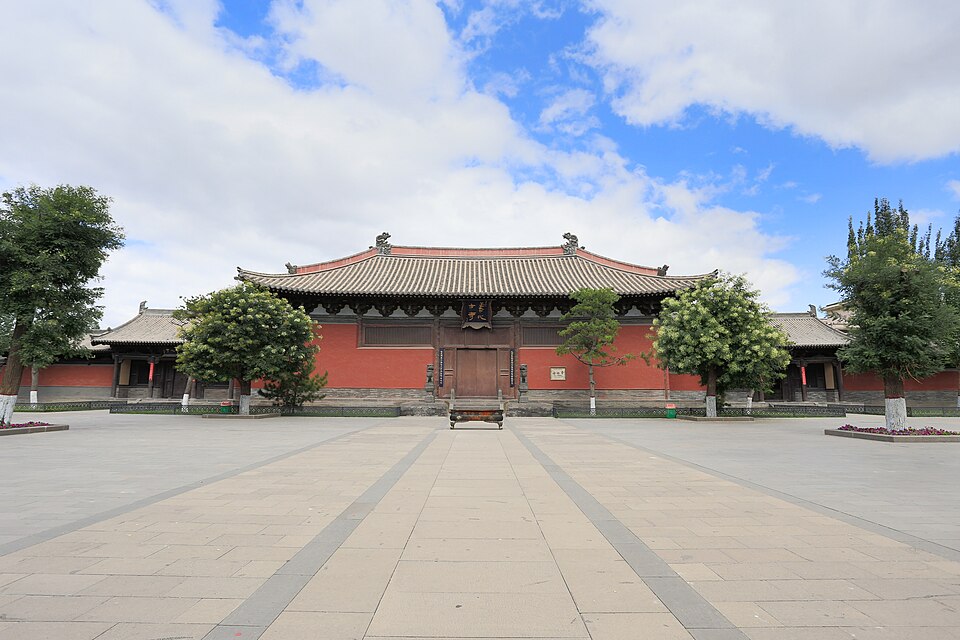
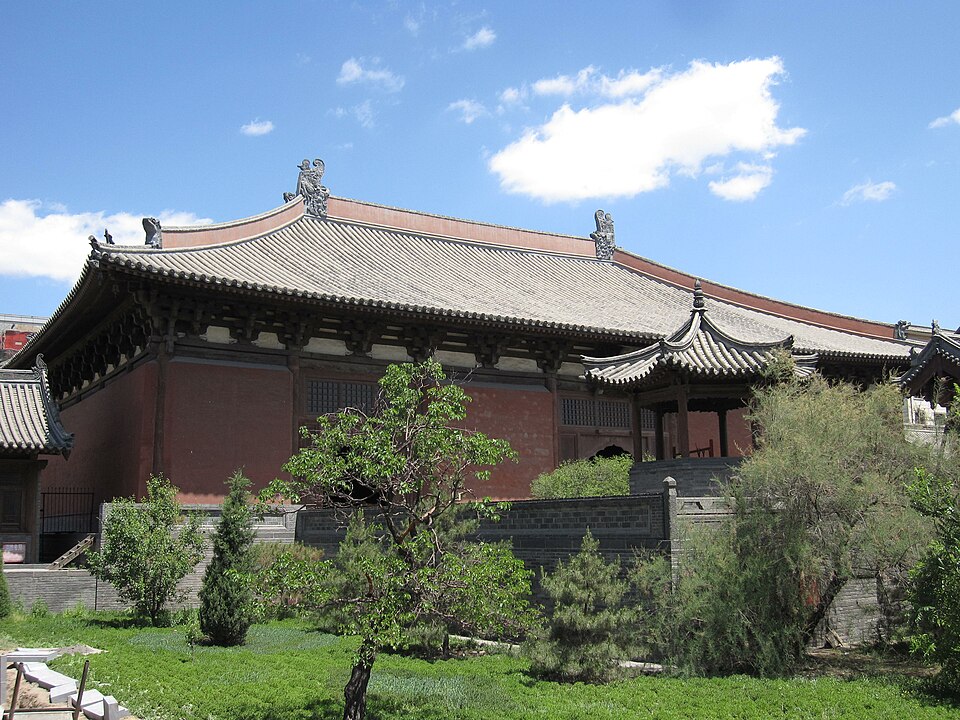
The main hall of Shanhua Temple seen across its forecourt
Why it is worth your time
Datong has bigger headline sights, but Shanhua rewards anyone who cares about architecture. Standing on the axis and looking from the gate up to the great hall, you get a rare, unbroken sense of how a thousand-year-old monastery was meant to be experienced. It is also far quieter than Huayan Temple, so it makes a calm counterpoint earlier or later in the day.
Tickets, hours and getting there
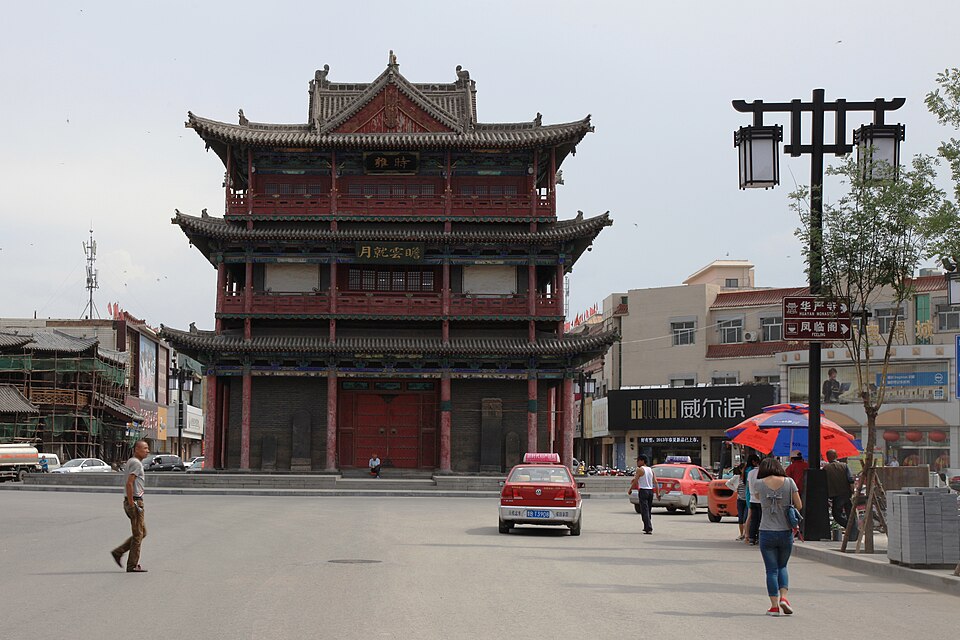
Admission is inexpensive, and policy has shifted between a modest paid ticket and free timed-entry with reservation in different recent seasons, so check current terms before you go. Either way, carry your passport: some periods require ID for a reservation taken at the gate. The temple is generally open from around 8:30am to 5pm daily, though hours can run a little later in the warmer months, so confirm locally if you're arriving early or late in the day. It is a short walk from the south gate of the old city and easy to combine with Huayan Temple and the Drum Tower. Spring and autumn are the most comfortable times to visit; come early in the day for the best light on the great hall and the smallest crowds. Set aside about an hour.
A favourite of architectural historians
Shanhua Temple began in the Tang as Kaiyuan Temple and took its present name in the Ming. What draws specialists is the honesty of its timber frame. The bracket sets, or dougong, are large and widely spaced in the Liao and Jin manner, and on the Hall of Three Saints they cantilever far out from the columns in a way rarely seen elsewhere. Because the gate, the middle hall and the great hall all survive together, the temple is often used to teach how Liao and Jin builders handled scale, proportion and load.
Take your time over the twenty-four guardian deities in the Mahavira Hall. Modelled in the Jin and restored in later dynasties, they lean and turn as if caught mid-conversation, and their robes and armour still carry traces of original pigment. The two-storey Puxian Pavilion to the side is one of the few surviving pavilions of its type and rounds out a compound that feels complete in a way few Chinese temples still do.
If you visit in the warmer months, the courtyards fill with old elms and the grey-tiled roofs sit against a bright Shanxi sky, which is when the temple photographs best. Out of season the site can be nearly empty, and you may have the great hall to yourself for long stretches. Either way, wear comfortable shoes, since the stone platforms and steps between halls are uneven and the climb up the central axis, though gentle, is done entirely on foot.
Highlights
- Most complete surviving Liao-Jin temple layout in China
- Jin-dynasty Shanmen, among the largest old temple gates left
- Hall of Three Saints with dramatic projecting bracket sets
- Liao-era Mahavira Hall, the oldest building on site
- Twenty-four painted clay guardian deities from the Jin
- Quiet, walkable spot just inside the old city's south gate
Travel Tips
Bring your passport
Some seasons run on a free timed reservation taken at the gate with ID instead of a paid ticket, so carry your passport either way.
Pair it with the city wall
The temple sits by the south gate, so climb the rebuilt wall right after for views over the old town.
Go early for the sculpture
Morning light reaches the great hall best, and the twenty-four deities are easier to study before crowds arrive.
Don't assume the price
Whether it's a paid ticket or free reservation has changed between seasons in recent years, so check current terms rather than budgeting from an old figure you saw online.
Suggested itineraries
Related reading
Beijing in 4 Days: The Perfect First-Timer's Itinerary
9 min read
How to Book China's High-Speed Trains (12306 & Trip.com): 2026 Guide
8 min read
How to Ride China's High-Speed Trains: E-Tickets, Boarding & Stations (2026)
8 min read
Datong 2-Day Itinerary: Yungang Grottoes, Hanging Temple & the Old City (2026)
9 min read