Datong
Datong Museum
Datong Museum is the best place to understand why this frontier city matters, and it is free to enter. Datong served as Pingcheng, the capital of the Northern Wei dynasty, from 398 to 494, when nomadic Xianbei rulers governed much of northern China from here. The museum's Northern Wei galleries are its heart, and they hold some of the finest objects from that age found anywhere.
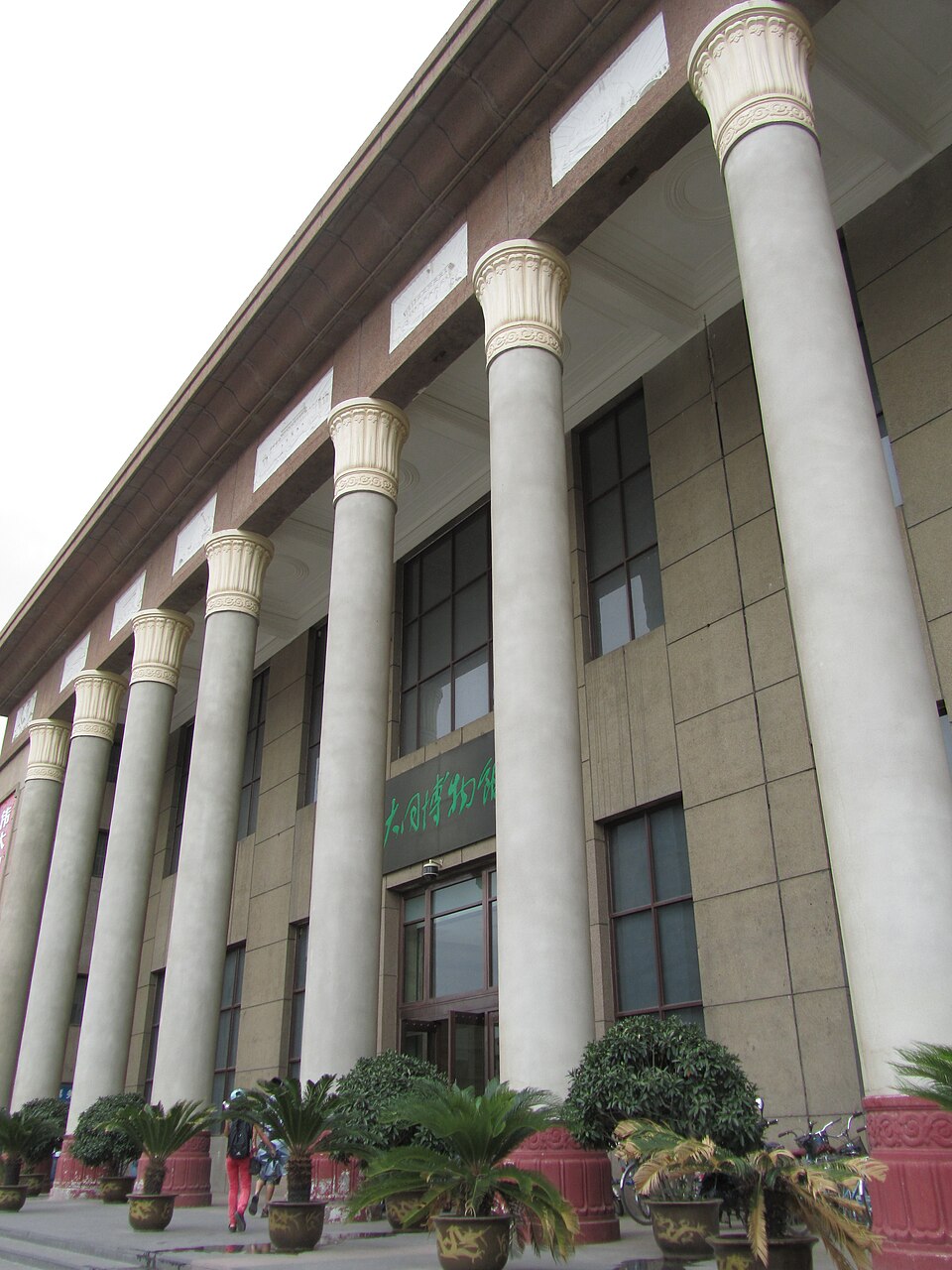
The colonnaded facade of Datong Museum
The Northern Wei collection
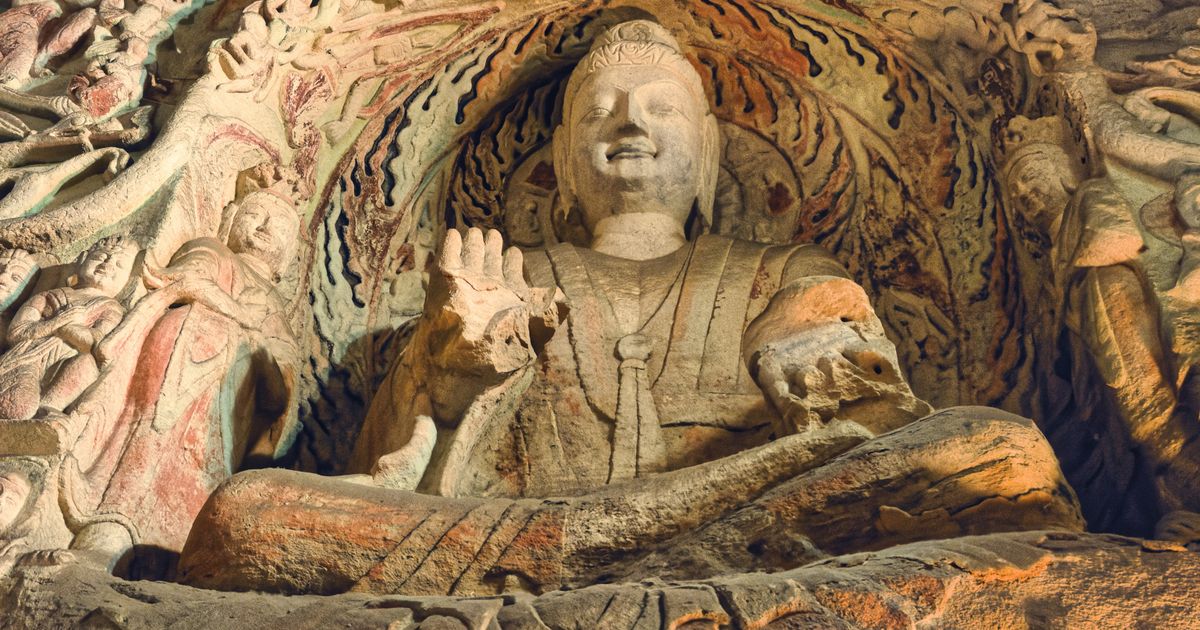
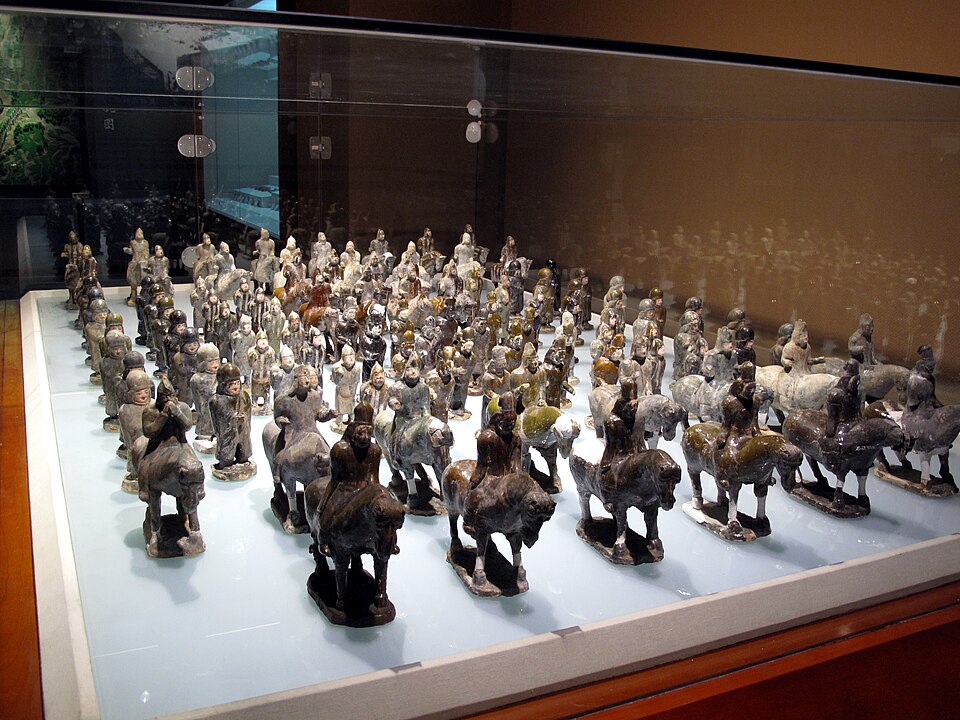
The standout displays are the tomb assemblages: long processions of small painted pottery figures, including ranks of mounted warriors, cavalry, camels and attendants that were buried to serve the dead. Lined up in their cases, they read like a frozen parade of fifth-century frontier life. Alongside them sit glazed ceramics, Buddhist stone carving connected to the nearby Yungang Grottoes, and metalwork that shows how Xianbei, Han Chinese and Central Asian styles blended in this border capital.
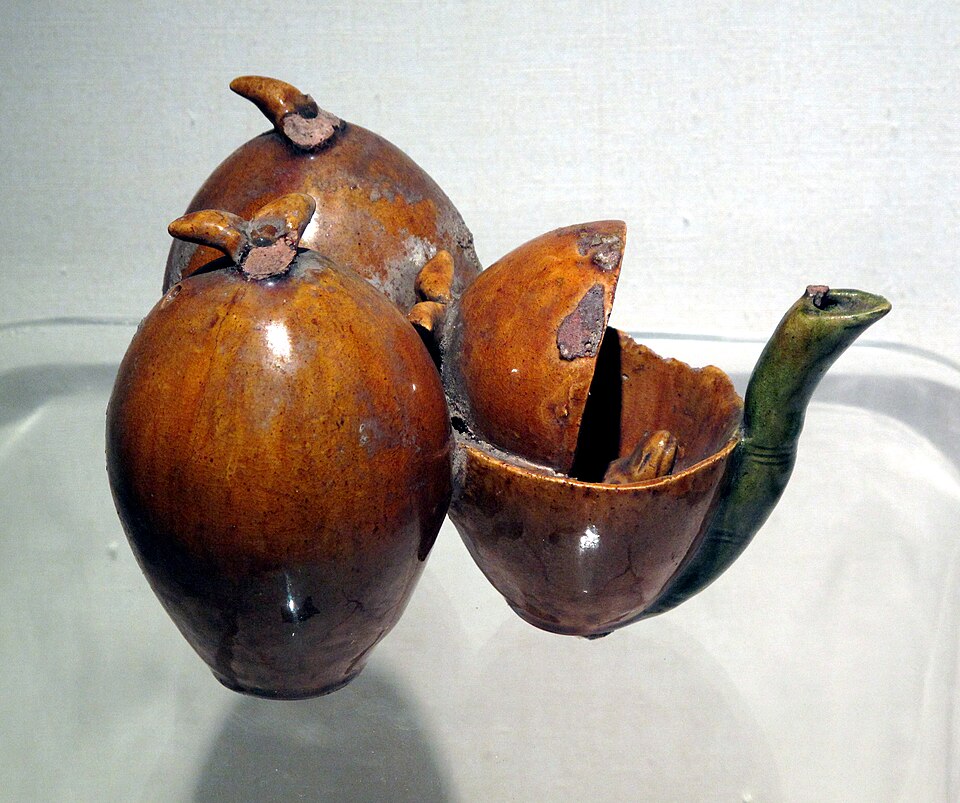
Ranks of Northern Wei painted pottery tomb figures at Datong Museum
Beyond the Northern Wei
Later halls carry the story through the Liao, Jin, Yuan and Ming, the same dynasties whose temples and walls you see out in the city, so a visit here ties the rest of Datong together. Captions are bilingual in Chinese and English, and the displays are modern and well lit. The building itself is worth a look, a sweeping curved form in the Yudong New District meant to echo a coiling dragon and the region's volcanic landforms.
Tickets, hours and getting there
Admission is free, but the museum is closed on Mondays (except public holidays) and requires a real-name reservation. Book a time slot in advance through the official WeChat account, or check whether walk-up slots remain, and bring your passport to collect your ticket. Opening hours are 09:00 to 17:00, with last entry around half an hour before closing, so don't arrive right at 17:00 expecting to get in. The museum stands across the river from the old city in the Yudong New District, about 15 to 20 minutes by taxi or bus, so it works well as a sit-down, indoor stop on a hot or cold day. Give yourself at least 90 minutes; serious history fans can easily spend half a day.
The building and a few pieces to find
Datong Museum opened in its current home in 2014 and ranks among the largest museums in Shanxi, with several branch sites around the city. The main building, shaped to suggest a coiling dragon and the basalt flows of the nearby volcanic field, is worth circling before you go in.
Among the highlights, look for the Northern Wei stone sarcophagus carvings and the painted figures from elite Pingcheng tombs, which show the dress, music and cavalry of a court where steppe and Chinese tastes met. Lacquer, gilt bronze and Sasanian-influenced glass point to trade routes that reached far west of the city. The Buddhist sculpture here is best understood alongside a visit to the Yungang Grottoes, carved by the same Northern Wei court a short drive away.
Plan the reservation carefully. Slots are released on the museum's official WeChat account, can fill on weekends and holidays, and you collect your free ticket with your passport. With its galleries, heating and seating, the museum is a sound choice on a day too hot, cold or windy for the old city's open courtyards, and it gives children a break from temple-hopping.
First-time visitors often underrate how much the museum adds to the rest of a Datong trip. Seeing the Northern Wei figures and carvings first gives real context for the Yungang Grottoes and the old-city temples, so start here if your schedule allows. Free lockers, clean restrooms and a small café make it an easy half-day, and the bilingual labelling means visitors who read no Chinese can follow the whole story without a guide.
Highlights
- Free admission to one of Shanxi's largest museums
- Outstanding Northern Wei tomb figures and cavalry
- Context for Datong as Pingcheng, capital from 398 to 494
- Buddhist stone carving linked to the Yungang Grottoes
- Bilingual Chinese-English captions throughout
- Striking curved building in the Yudong New District
Travel Tips
Reserve before you go
Entry is free but needs a real-name reservation via the official WeChat account; bring your passport, and note it is closed Mondays (except public holidays).
See it with Yungang
The Buddhist carving here pairs naturally with a trip to the Yungang Grottoes, so the two reinforce each other.
Good bad-weather plan
It is indoors and across the river from the old city, an easy taxi ride when it is too hot, cold or windy to walk.
Suggested itineraries
Related reading
Beijing in 4 Days: The Perfect First-Timer's Itinerary
9 min read

How to Book China's High-Speed Trains (12306 & Trip.com): 2026 Guide
8 min read
How to Ride China's High-Speed Trains: E-Tickets, Boarding & Stations (2026)
8 min read
Datong 2-Day Itinerary: Yungang Grottoes, Hanging Temple & the Old City (2026)
9 min read