Suzhou
Hanshan Temple
The bell that has echoed for a thousand years
Hanshan Temple, the Cold Mountain Temple, is one of Suzhou's most beloved Buddhist sites, founded around 1,500 years ago in the Liang dynasty and named for the eccentric Tang-dynasty monk-poet Hanshan, who is said to have lived here. Most visitors arrive already knowing one poem: Zhang Ji's "A Night Mooring by Maple Bridge," whose closing lines, "beyond the walls of Suzhou stands Hanshan Temple, at midnight its bell reaches the traveler's boat," have been recited for more than a thousand years and are still taught to Chinese schoolchildren today.
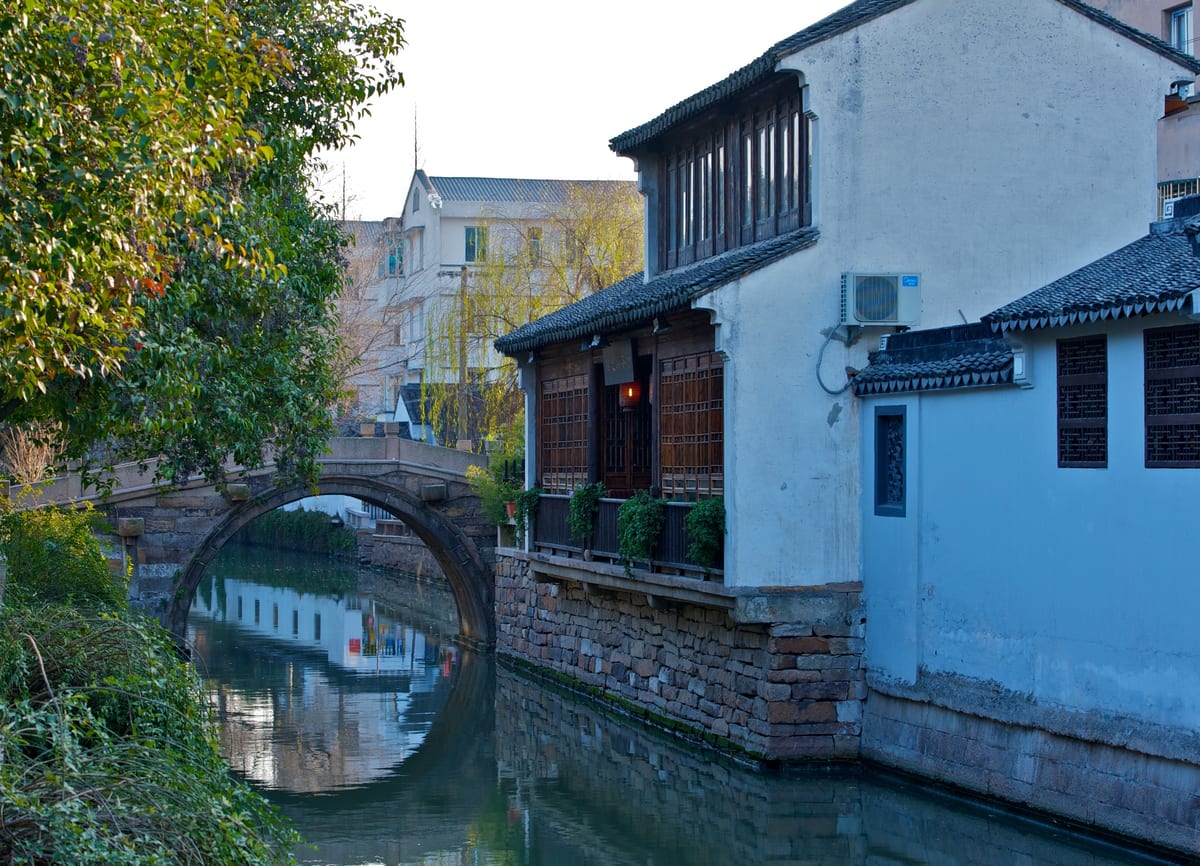
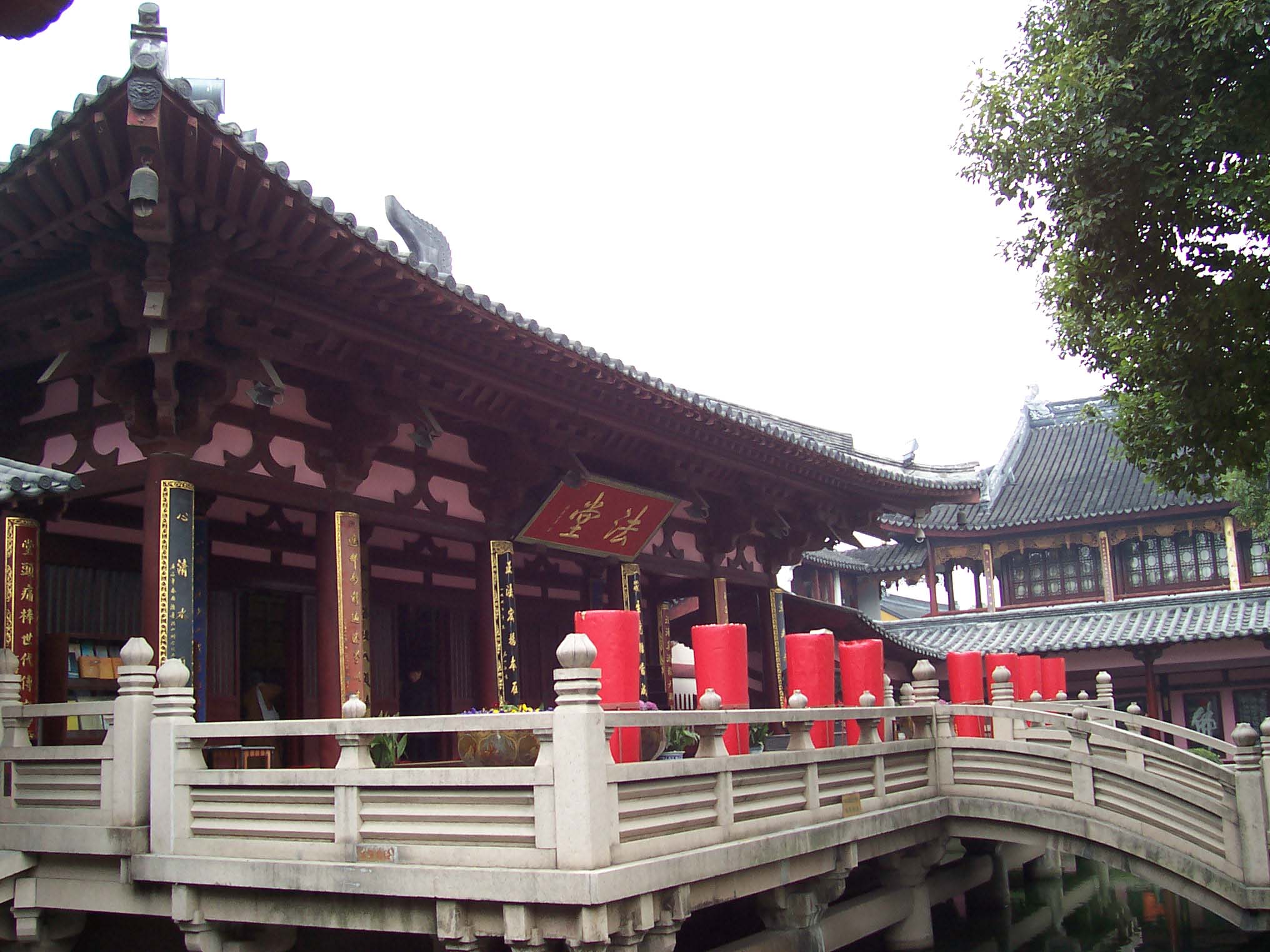
Halls and arched bridge of Hanshan Temple
What to see
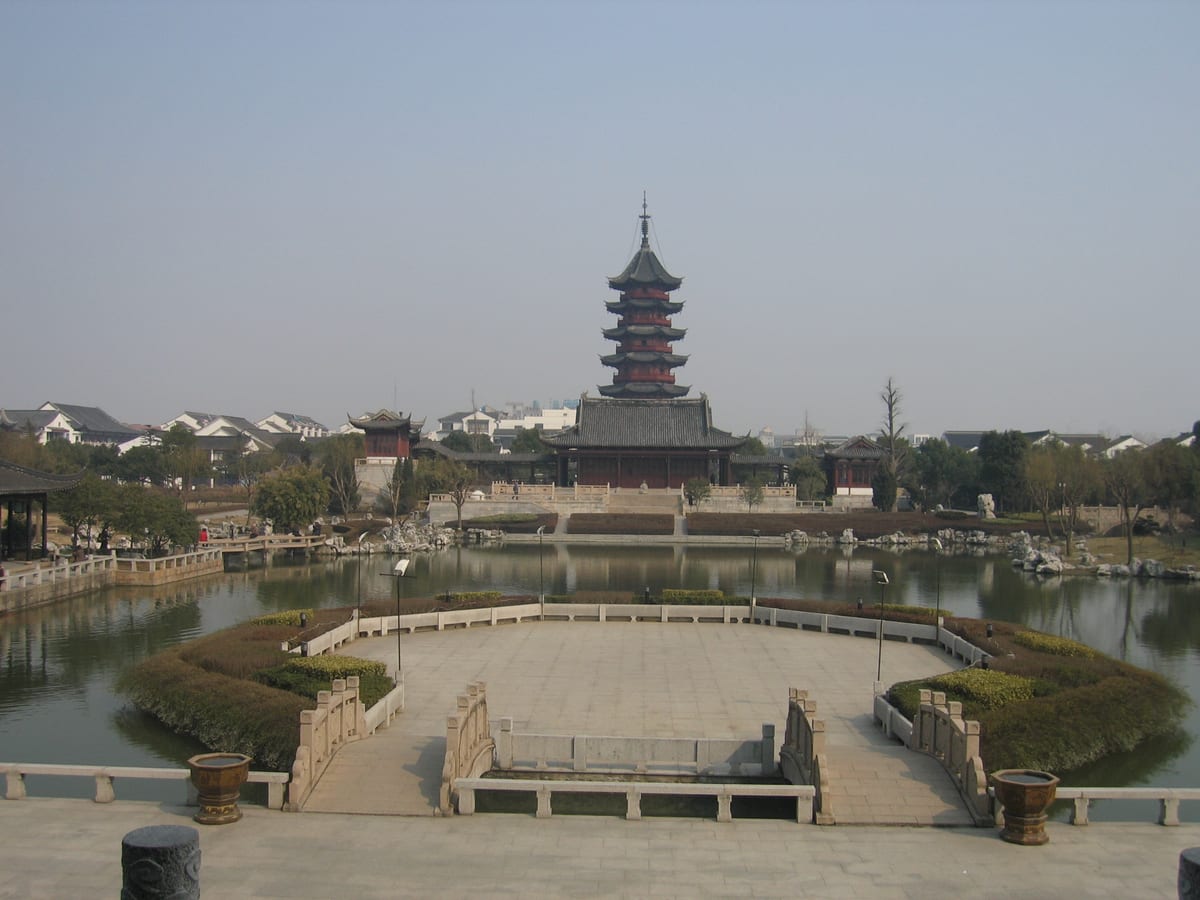
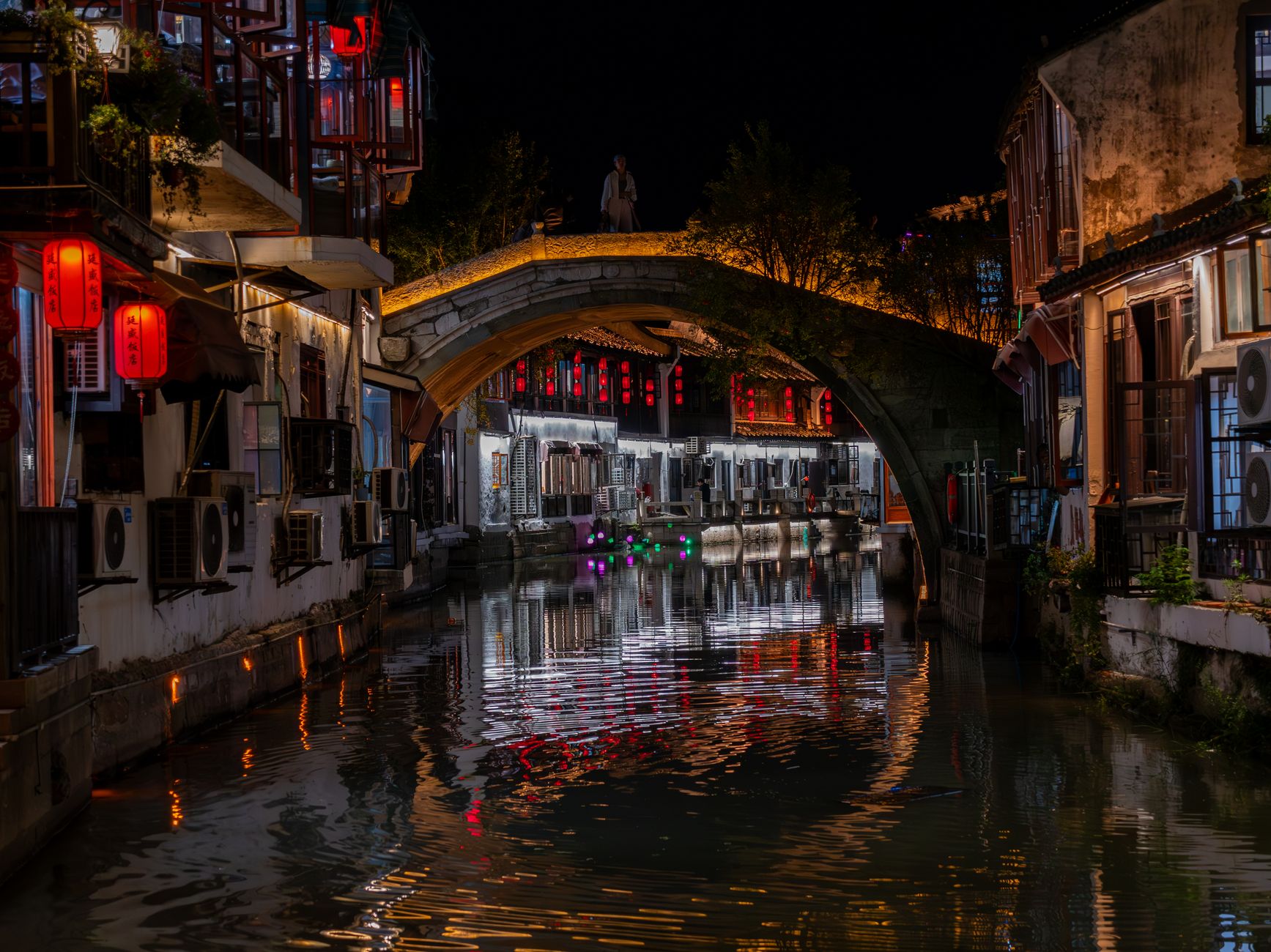
Behind the temple's striking yellow screen wall lie incense-filled prayer halls, a quiet bell tower and the towering Puming Pagoda. The great bronze bell is the temple's real claim to fame: every New Year's Eve it is struck 108 times in a ceremony meant to dispel the year's worldly cares, a Suzhou tradition that now draws visitors from across China. Just outside the gate stand Maple Bridge (Fengqiao) and the old Grand Canal that inspired the poem.
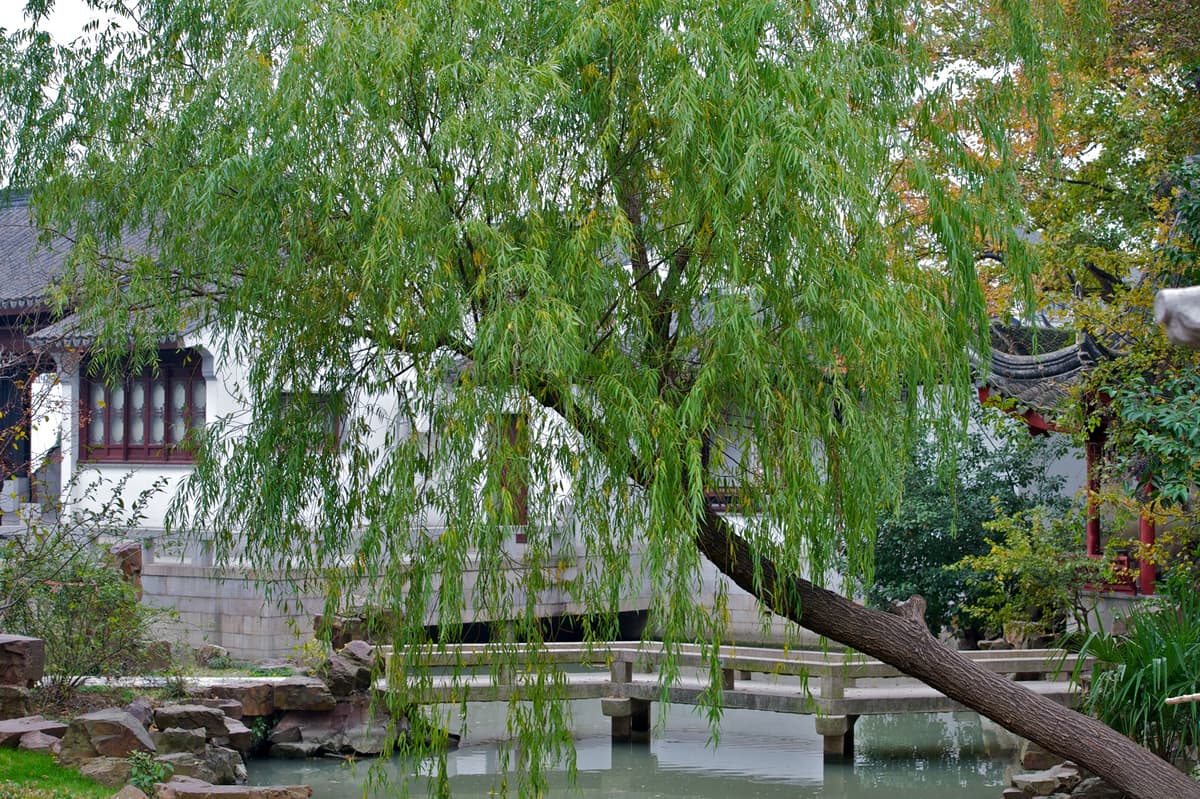
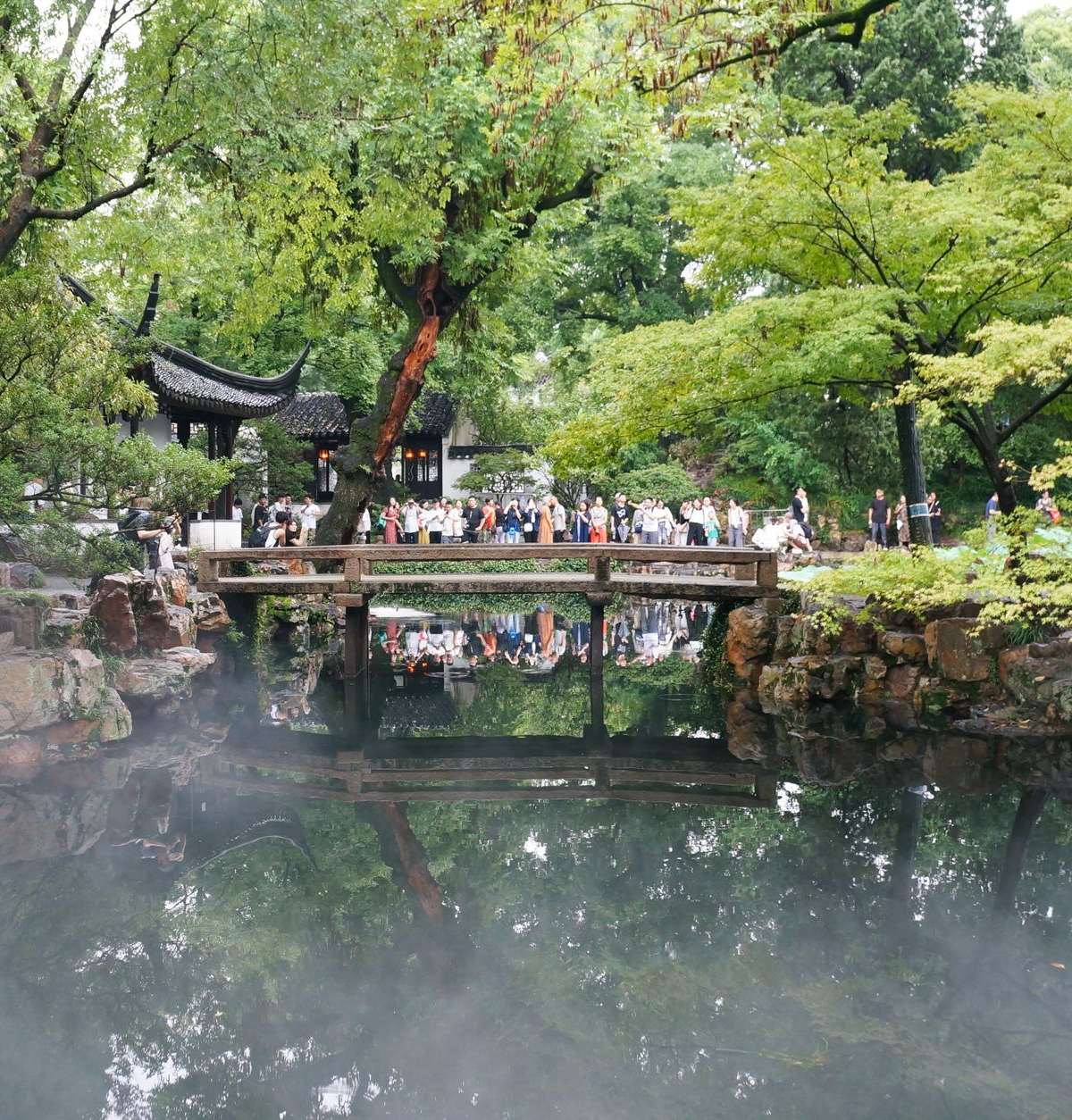
Willows and white temple wall by the pond
Hours, tickets and getting there
The temple is open daily, generally from around 07:30 to 17:00, with somewhat longer hours on public holidays; the exact schedule shifts around Chinese New Year, so check ahead of a holiday visit. Regular admission is a modest fixed fee, with a discount for students and free entry for young children, seniors and visitors with disabilities. The separate New Year's Eve bell ceremony uses its own, pricier reservation-only ticket that typically sells out well in advance. Booking a timed-entry slot through Suzhou's official tourism platform is worth doing ahead of peak season or the holidays.
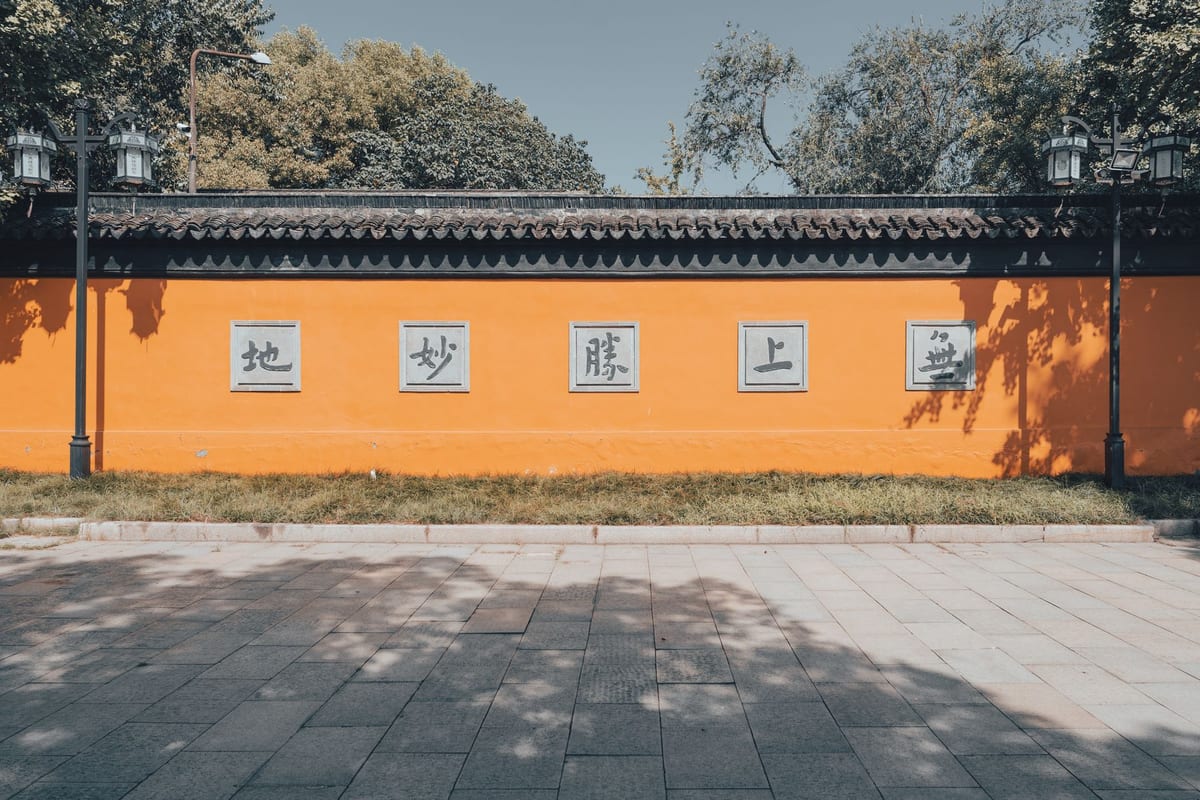
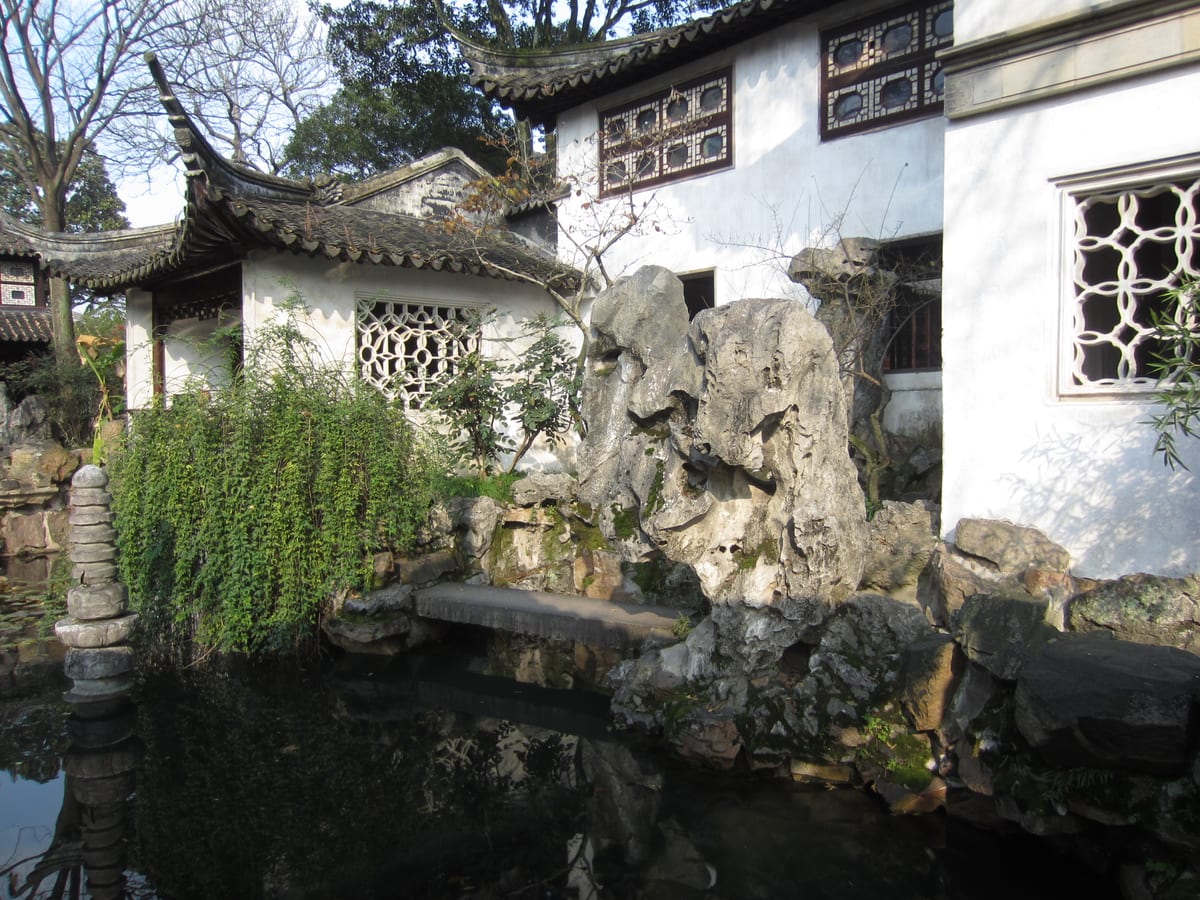
Hanshan Temple's yellow screen wall with calligraphy
The temple sits in the western suburbs on Fengqiao Road, beside the Grand Canal. Take a taxi or ride-hail, or combine it with a Grand Canal cruise; it pairs naturally with a walk over Maple Bridge.
Best time to visit
Spring and autumn are the most comfortable seasons. Arrive soon after opening for drifting incense smoke and quiet courtyards; for a once-in-a-lifetime experience, come on New Year's Eve to hear the 108 bell strikes, but book that ticket well ahead.
Highlights
- A 1,500-year-old temple immortalized by Zhang Ji's Tang-dynasty poem, still taught in Chinese schools
- The famous bronze bell, struck 108 times each New Year's Eve
- The towering Puming Pagoda and incense-filled prayer halls
- The landmark yellow screen wall, a favorite photo spot
- Maple Bridge and the Grand Canal just outside the gate
- Timed-entry booking available through Suzhou's official tourism platform
Travel Tips
Arrive early
Morning incense and quiet courtyards capture the temple at its most atmospheric.
Book the New Year bell far ahead
The 31 December, 108-strike ceremony uses a separate, higher-priced ticket that sells out, so reserve as early as you can.
Reserve a timed slot in peak season
Regular admission can also be booked as a timed slot on Suzhou's official tourism platform, useful around holidays and festival days.
Walk to Maple Bridge
Step outside to Fengqiao and the Grand Canal, the very scene of the famous poem.