Huangshan
Hongcun Ancient Village
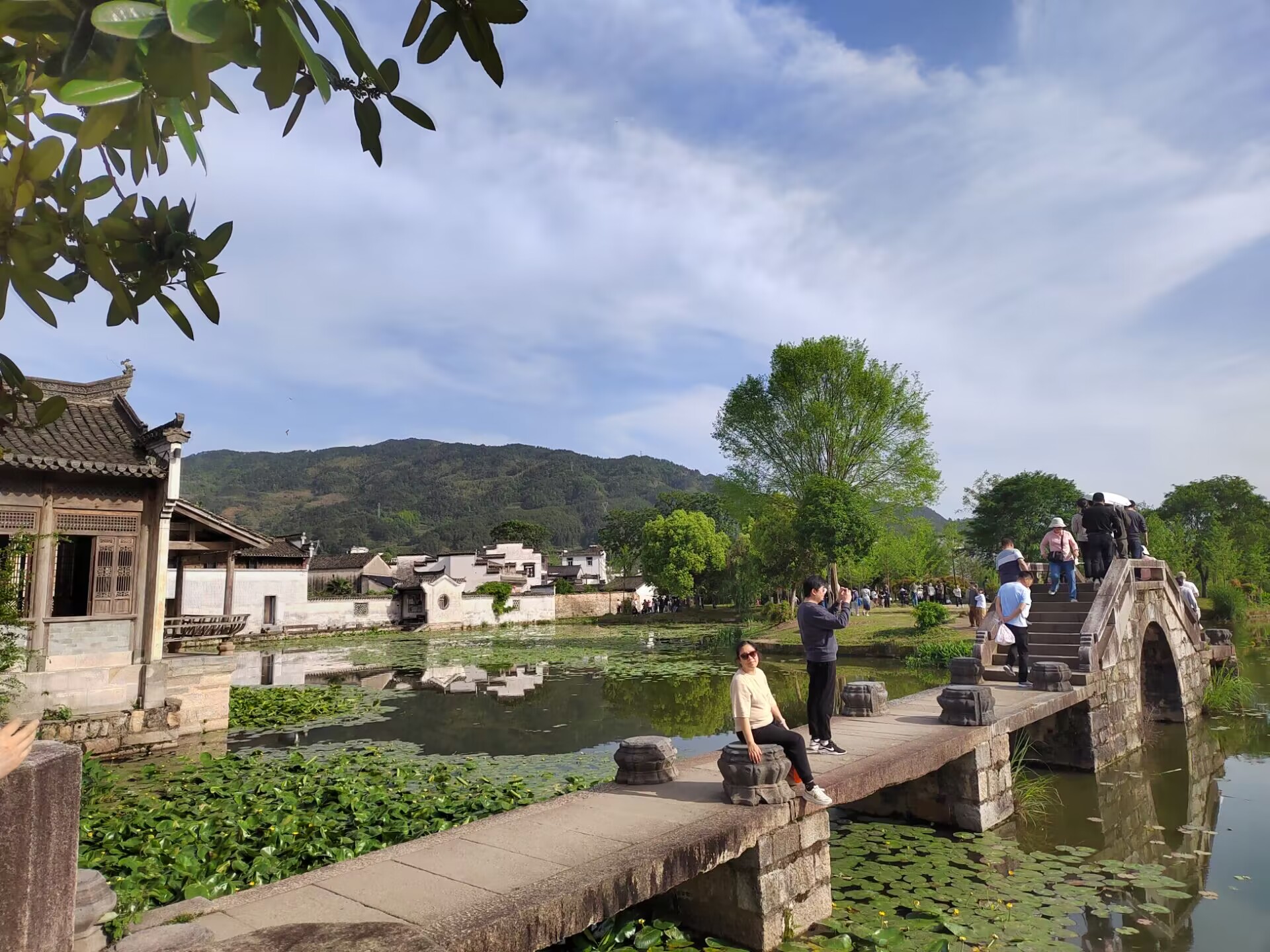
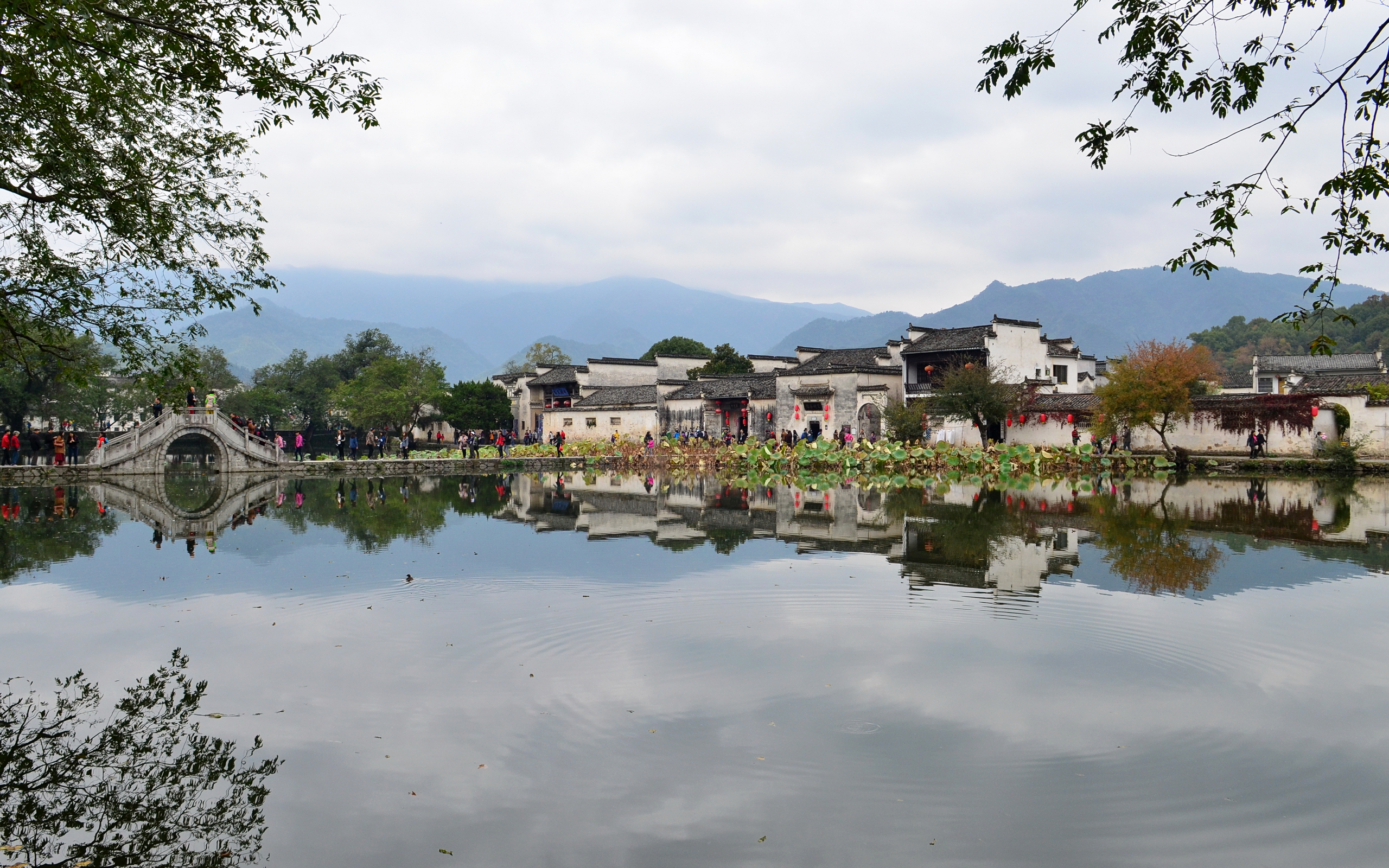
Hongcun solved running water six centuries ago. A network of stone channels, laid out in the early 1400s under the direction of a feng-shui master, still carries spring water past every doorstep, filling the Moon Pond at the village centre and the crescent South Lake at its edge. The plan traces a reclining ox: a nearby hill is the head, two trees the horns, the channels the intestines, the lake the belly. UNESCO listed Hongcun (together with neighbouring Xidi) in 2000 as the finest surviving example of the Huizhou merchant villages of southern Anhui. And if the mirror-still lake looks familiar, the opening scenes of Crouching Tiger, Hidden Dragon were shot on its arched stone bridge.
South Lake of Hongcun reflecting whitewashed Huizhou houses
What to see
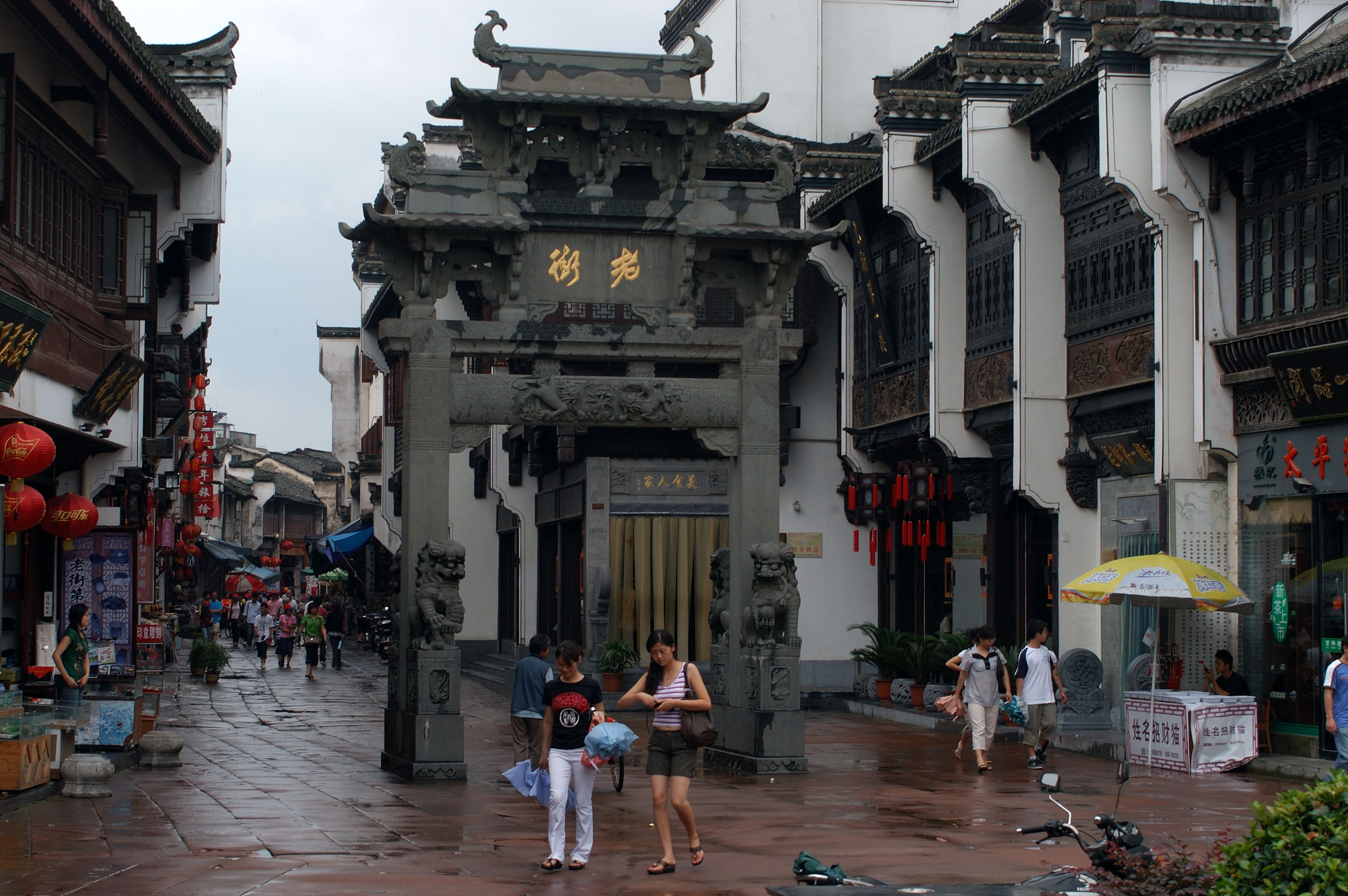
The Wang clan founded Hongcun around 1131 and grew rich on salt and trade through the Ming and Qing dynasties; their money built the whitewashed mansions with black tiled roofs and stepped "horse-head" gables that define Huizhou architecture. Start at South Lake, cross the picture bridge, then follow the water channels inland to Moon Pond, which is ringed by the grandest ancestral halls. Chengzhi Hall, a Qing merchant's home, is the showpiece: layer upon layer of gilded wood carving that took decades to complete. The quieter pleasure is the lanes themselves, where the channel water still runs clear enough for residents to rinse vegetables at their doorsteps.
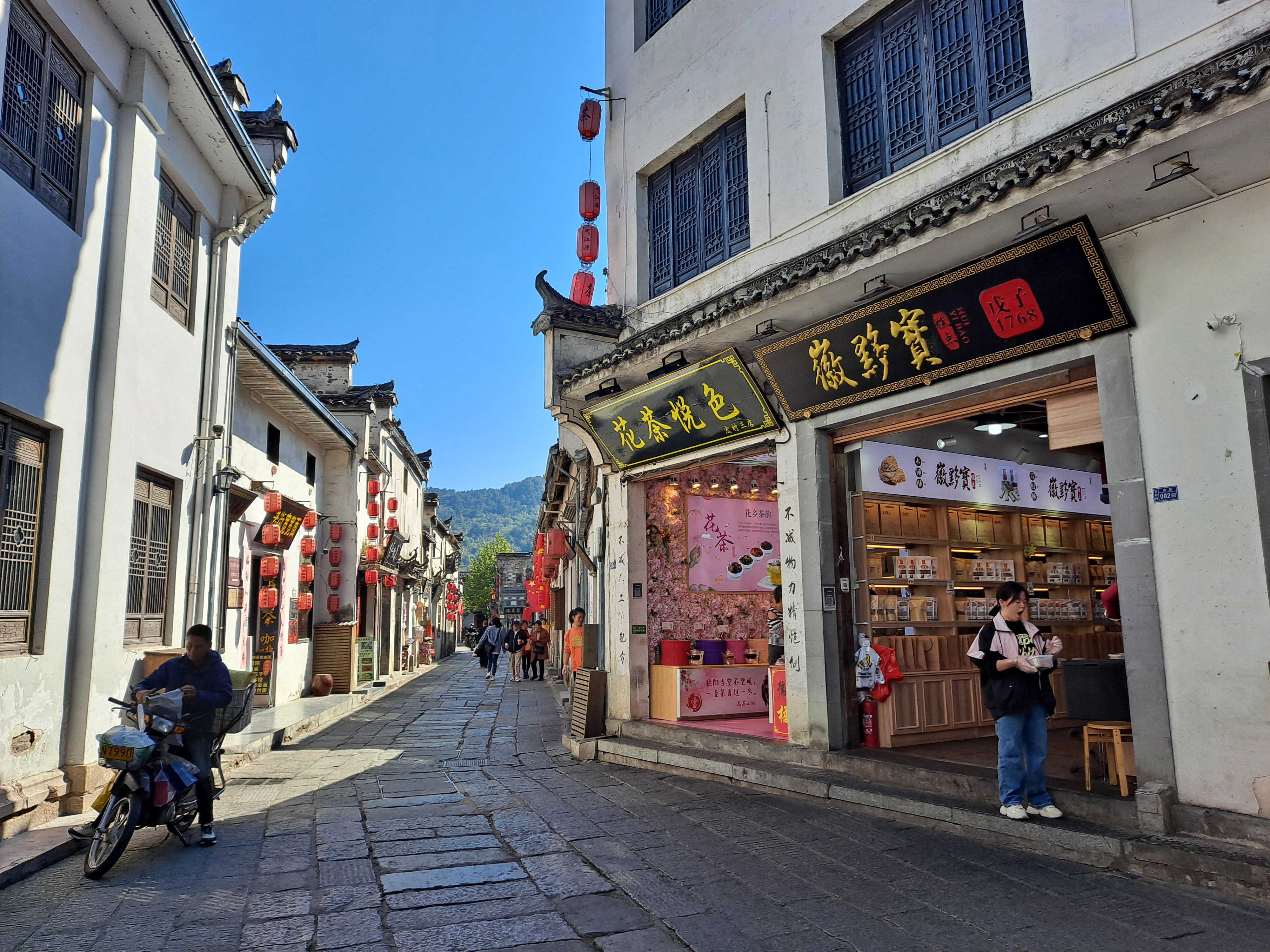
Lane of Huizhou houses with red lanterns in Hongcun
Tickets and hours
One entrance ticket covers the whole village; Hongcun is lived-in, so what you are paying for is simply the streets, halls and lake. Tickets are name-linked, so carry your passport, and keep the ticket with you: re-entry and validity rules change from time to time, so confirm them when you buy. The ticket office runs roughly 7:30am to 5:30pm, while overnight guests can come and go outside those hours. Local guides wait at the gate for a modest fixed fee, and they earn it: the carvings, the feng-shui logic and the family histories are easy to walk straight past on your own.
Getting there
Hongcun sits in Yi County, about 65 km northwest of Tunxi (Huangshan City centre).
- From Huangshan North high-speed railway station: direct buses leave from the Huangshan Tourism Passenger Transport Hub beside the station, several times a day, some calling at Xidi on the way. Count on 1 to 1.5 hours.
- From Tunxi bus station: regular buses to Hongcun through the day.
- From Tangkou (the Yellow Mountain south gate): about an hour by bus or car, which makes the village a natural add-on to a Huangshan climb.
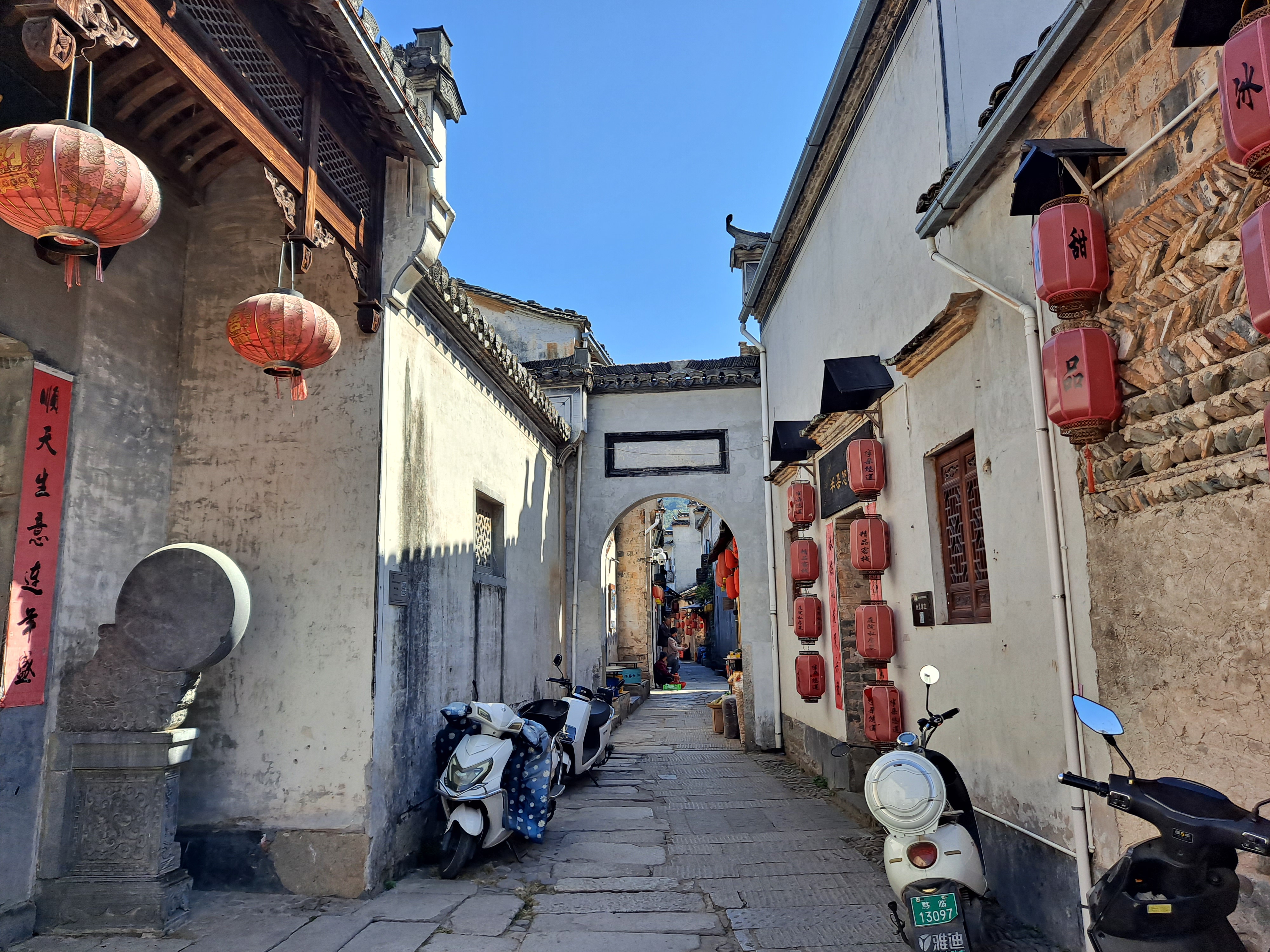
Stone-arched bridge and Huizhou alley in Hongcun
When to go
Spring (March to April) surrounds the village with yellow canola fields; autumn (October to November) brings clear light and red maples in the nearby hills. Lotus covers South Lake in summer, humid but photogenic; winter is cold, quiet and often misty. Whatever the season, shoot the lake before 9am or after 3pm, when day-trip crowds thin and the reflections settle.
Stay the night
The single best decision you can make in Hongcun is to sleep there. Dozens of old courtyard houses now operate as guesthouses, the lanes empty once the tour buses leave around dusk, and dawn over South Lake, often with mist on the water, is the image everyone comes for. Rooms are limited and weekends fill up, so book ahead on Trip.com or a similar platform, and note that cars stay outside the village walls, so pack light for the walk in.
Pair it with Xidi
Xidi, the other village on the UNESCO listing, lies about 18 km away, roughly half an hour by the shuttle buses that link the two villages through the day. A comfortable plan: arrive in Hongcun by midday, stay the night, walk the village at dawn, then see Xidi the next morning before moving on. Inside Hongcun itself, allow two to three hours at a minimum, longer if you sketch, photograph or just want to sit by the water with a pot of local tea.
Highlights
- Crescent South Lake and the arched 'Painting Bridge' from Crouching Tiger, Hidden Dragon
- 900-year-old ox-shaped layout with channels carrying spring water to every house
- Chengzhi Hall, a Qing merchant mansion celebrated for gilded wood carvings
- Central Moon Pond ringed by the village's grandest ancestral halls
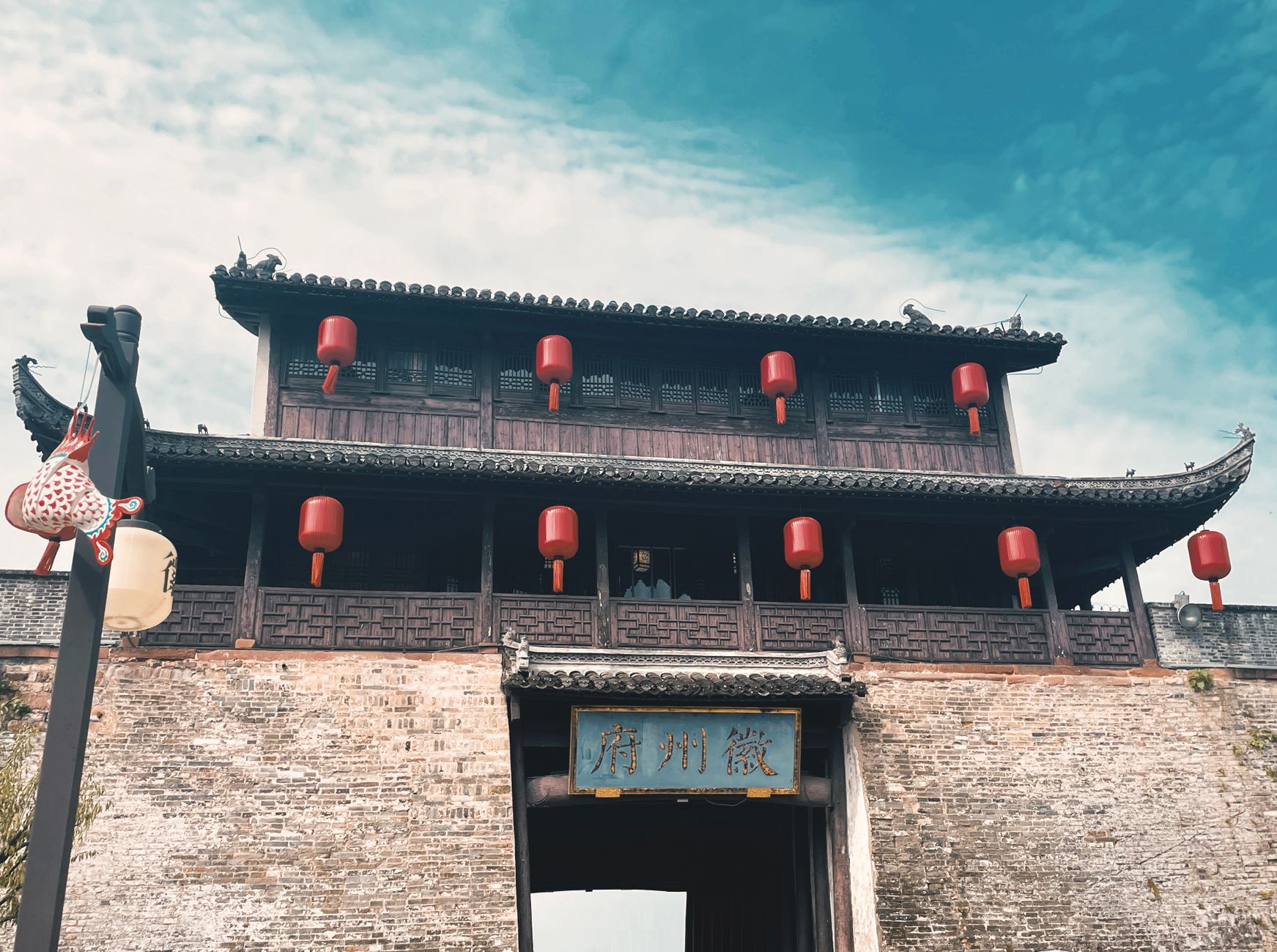
- Classic Huizhou architecture: white walls, black tiles, horse-head gables
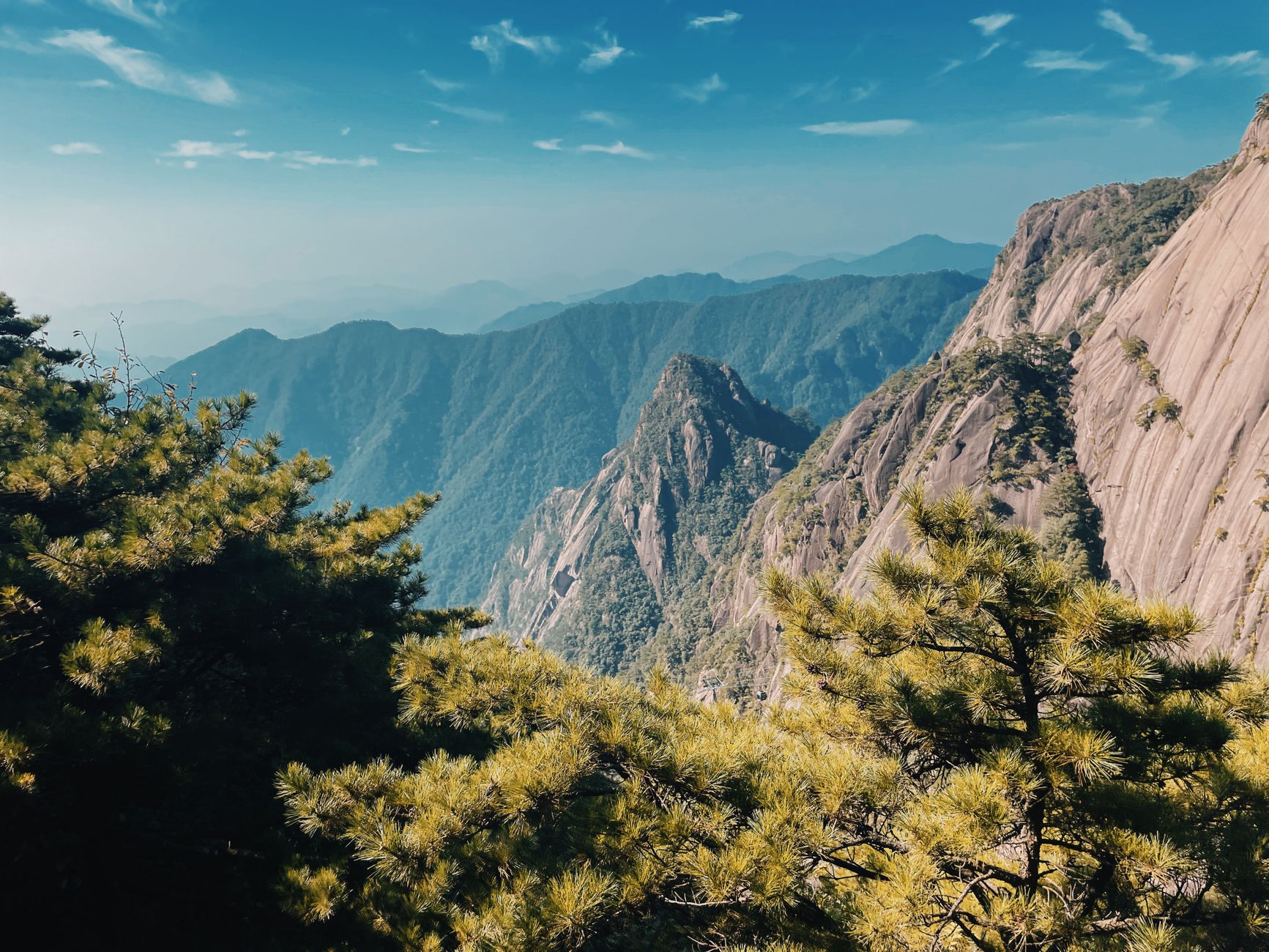
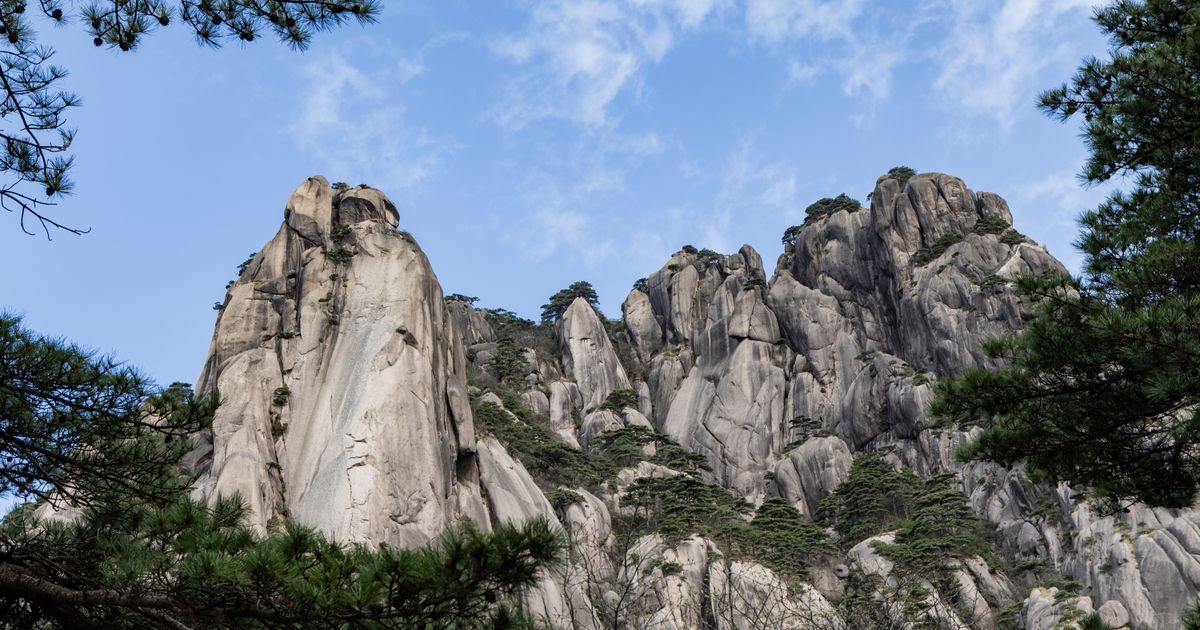
- UNESCO World Heritage village framed by the Yellow Mountains
Travel Tips
Beat the crowds
Photograph South Lake before 9am or after 3pm; staying overnight gives you the empty, misty village at dawn.
Hire a guide at the gate
Local guides charge a modest fixed fee and decode the carvings, feng-shui layout and family histories you would otherwise walk past.
Your ticket is name-linked
Carry your passport and keep the ticket; re-entry and validity rules change periodically, so confirm them when you buy.
Getting there
Direct buses run from the transport hub beside Huangshan North high-speed station (1 to 1.5 hours, some via Xidi); Xidi itself is about 18 km away, half an hour by shuttle.