Huangshan
Huangshan (Yellow Mountain)
Huangshan rewards a plan more than a whim. The granite spires, wind-bent pines and seas of cloud in southern Anhui are the scenery that shaped centuries of Chinese ink painting, and they now come by cable car and railway rather than a hard climb. But the mountain runs on timed, passport-linked reservations, and its best moment, sunrise above the clouds, belongs to people who sleep at the top. Settle those two things and the rest is a walk.
The "four wonders", and what you actually see
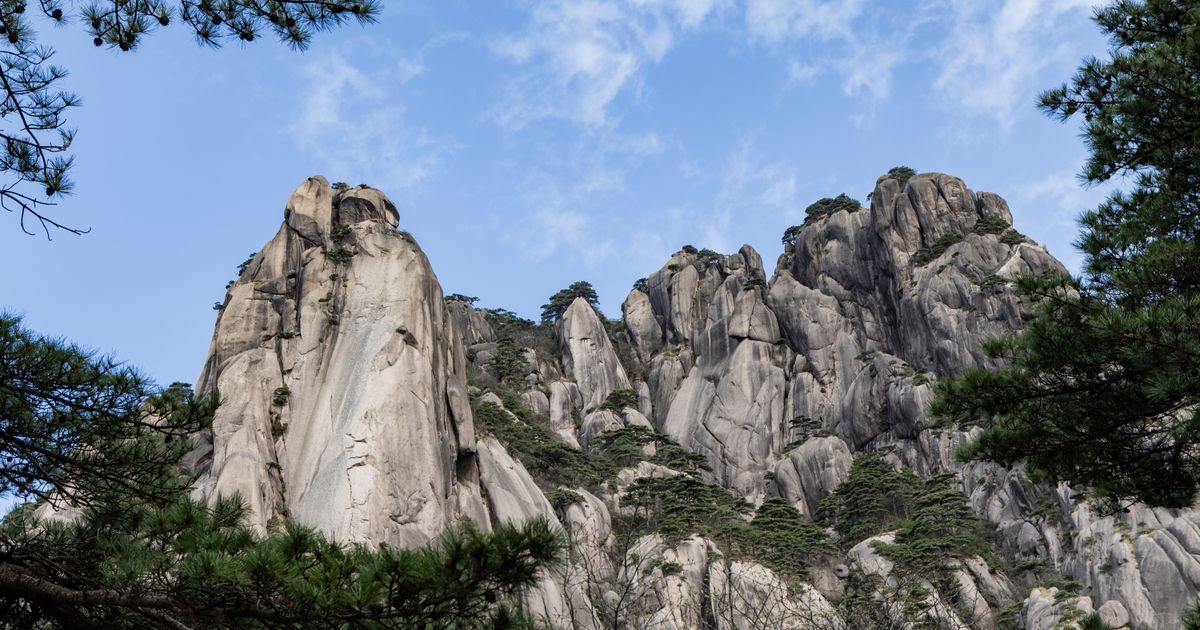
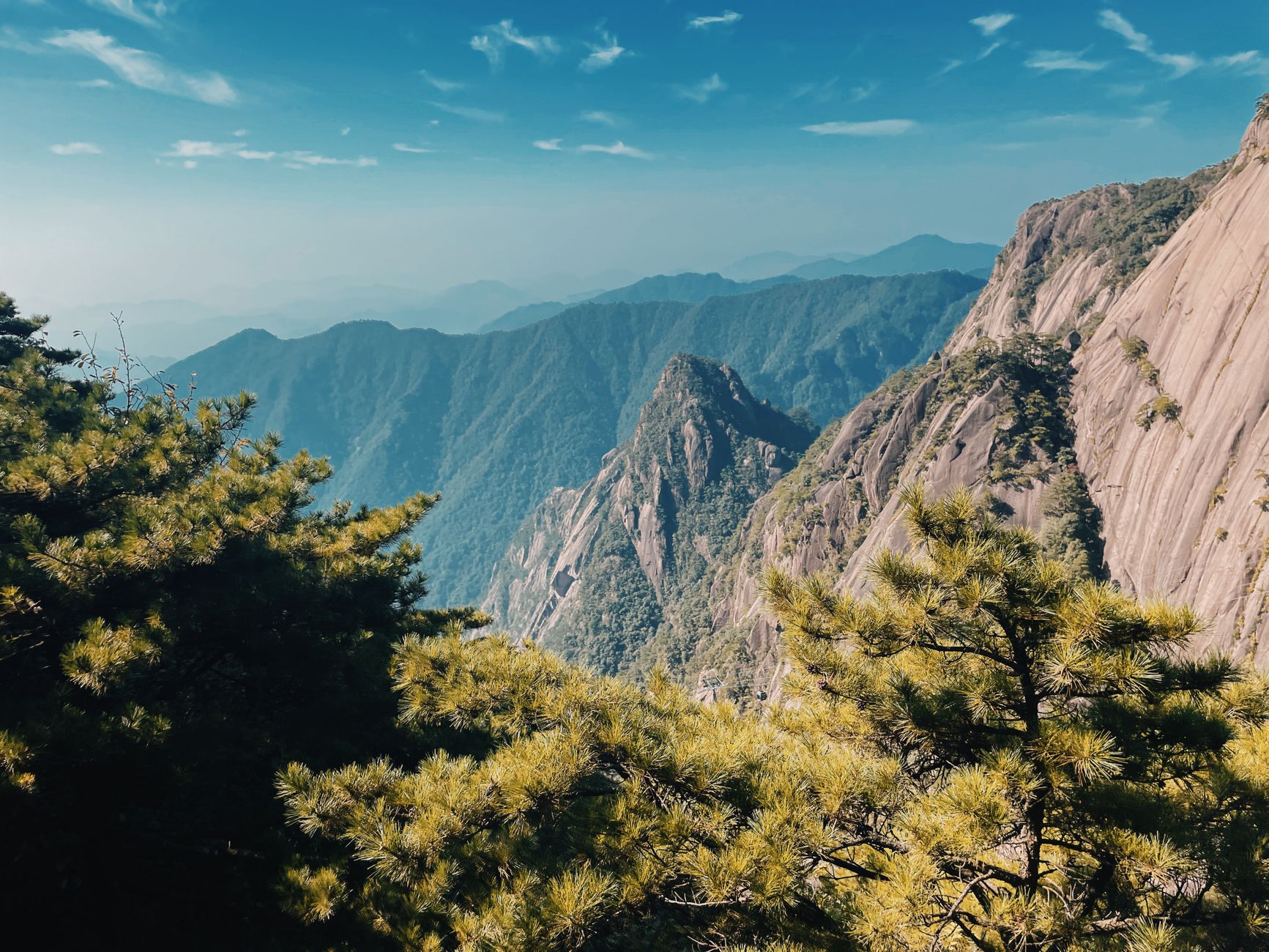
The classic draw is the "four wonders": strangely shaped pines, grotesque granite rocks, the sea of clouds, and hot springs. On a clear morning, peaks rise through a white ocean of cloud like islands; an hour later the mist burns off to bare cliffs and pines rooted straight in the stone. It lives up to the paintings when the weather cooperates, which is the one thing you cannot book.
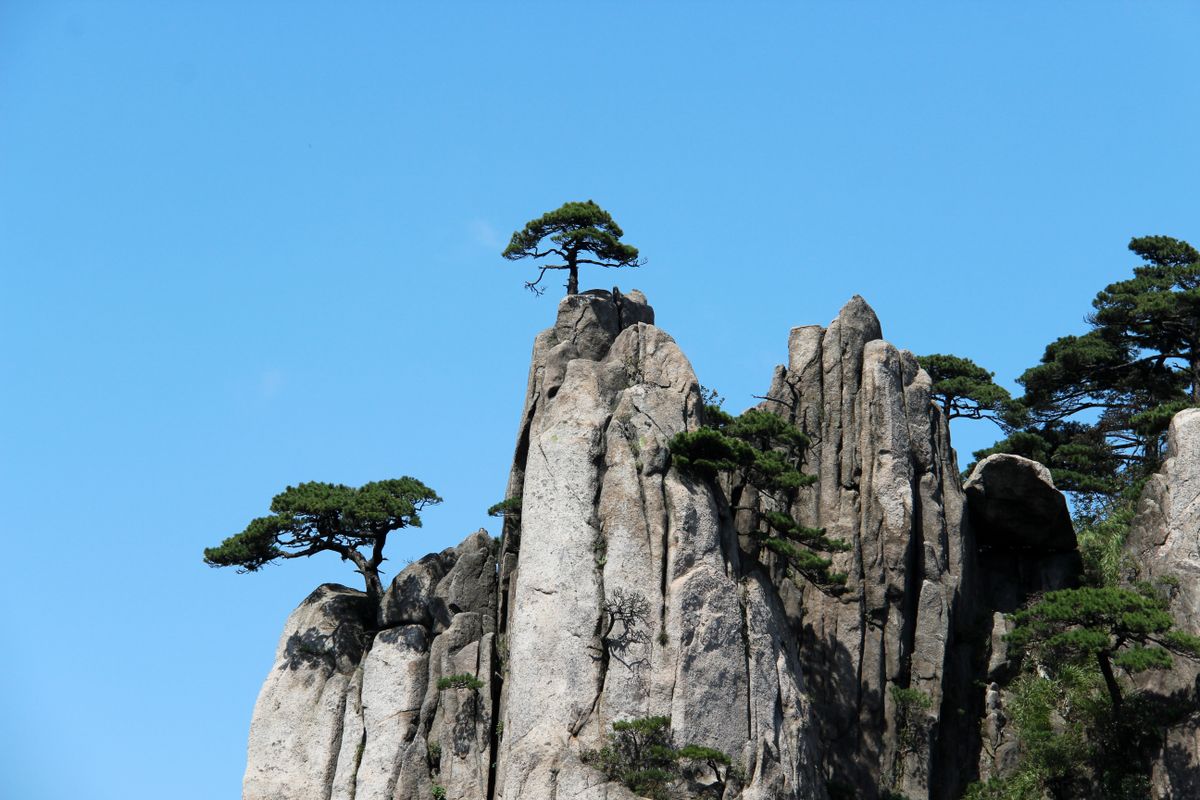
Lone Huangshan pines clinging to a granite spire
Cable car or stairs
There are two ways up. Hikers take the stone staircases: the eastern steps run about 2 to 3 hours, the western steps are longer and more dramatic. Most people ride a cable car up, on the Yungu, Yuping or Taiping line, and walk the ridge trails between viewpoints. Even then the summit is stairs, plenty of them, so proper shoes matter and a slow pace pays off. The best stretch links Bright Summit and the Flying-over Rock, with a detour to whichever of the two highest peaks happens to be open.
Which peak is actually open (this keeps changing)
Huangshan's two highest summits, Lotus Peak and Celestial Capital (Tiandu) Peak, don't run on the same schedule, and mixing them up is an easy planning mistake. Lotus Peak has been closed since December 2023 for a multi-year ecological rest, the kind of closure Huangshan runs on a rotating 3-to-5-year cycle, so it is not expected back before the back half of this decade; treat "closed" as the safe assumption until the park announces otherwise. Tiandu Peak finished its own five-plus-year rotation and reopened in 2024, and since then it follows a normal annual cycle: open roughly April through November with daily hours in the morning to early afternoon, then shut each winter for maintenance and reopened again the following spring. So as of mid-2026, Tiandu is the one you can actually climb; Lotus is the one to check back on next trip.
Reservations, tickets and hours
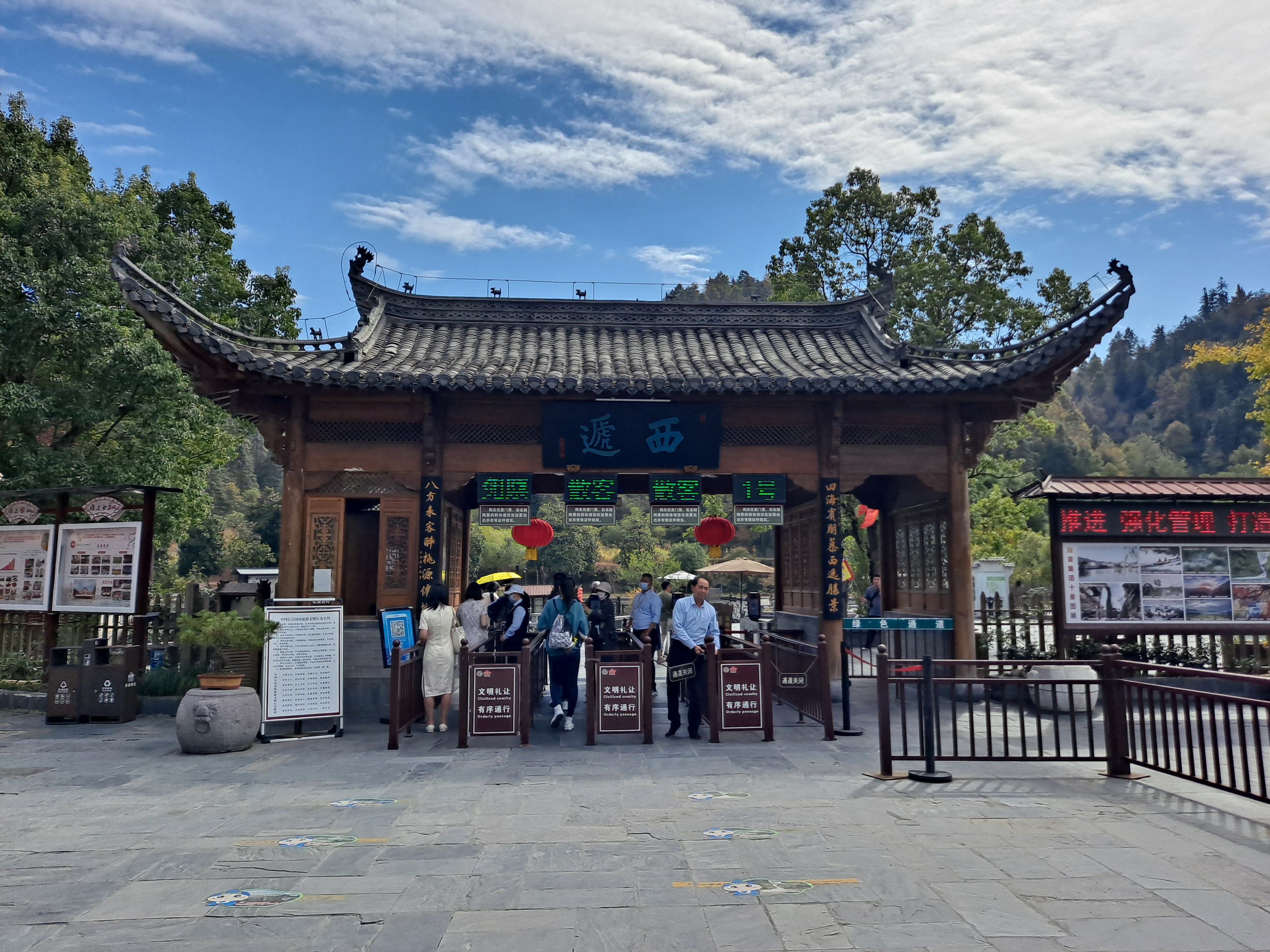
Park entry and the cable cars are separate tickets, and the park now runs on a real-name online reservation: book a dated entry ahead and carry the passport tied to it, since that passport is scanned at the gate as your ticket. Tiandu Peak itself needs a further same-day quota reservation on top of the park ticket, released a day or two ahead and capped on clear days, so lock that in early if reaching the summit matters to your plan. The official mini-programs usually need a Chinese phone number, so most international visitors book through Trip.com or Klook in English. Cable cars run from early morning to late afternoon with shorter winter hours, and each line closes for roughly a month of maintenance in late autumn or winter, so confirm your line is running. Park and ropeway prices sit higher in the peak months (March to November) and lower in winter; treat any figure quoted online as indicative.
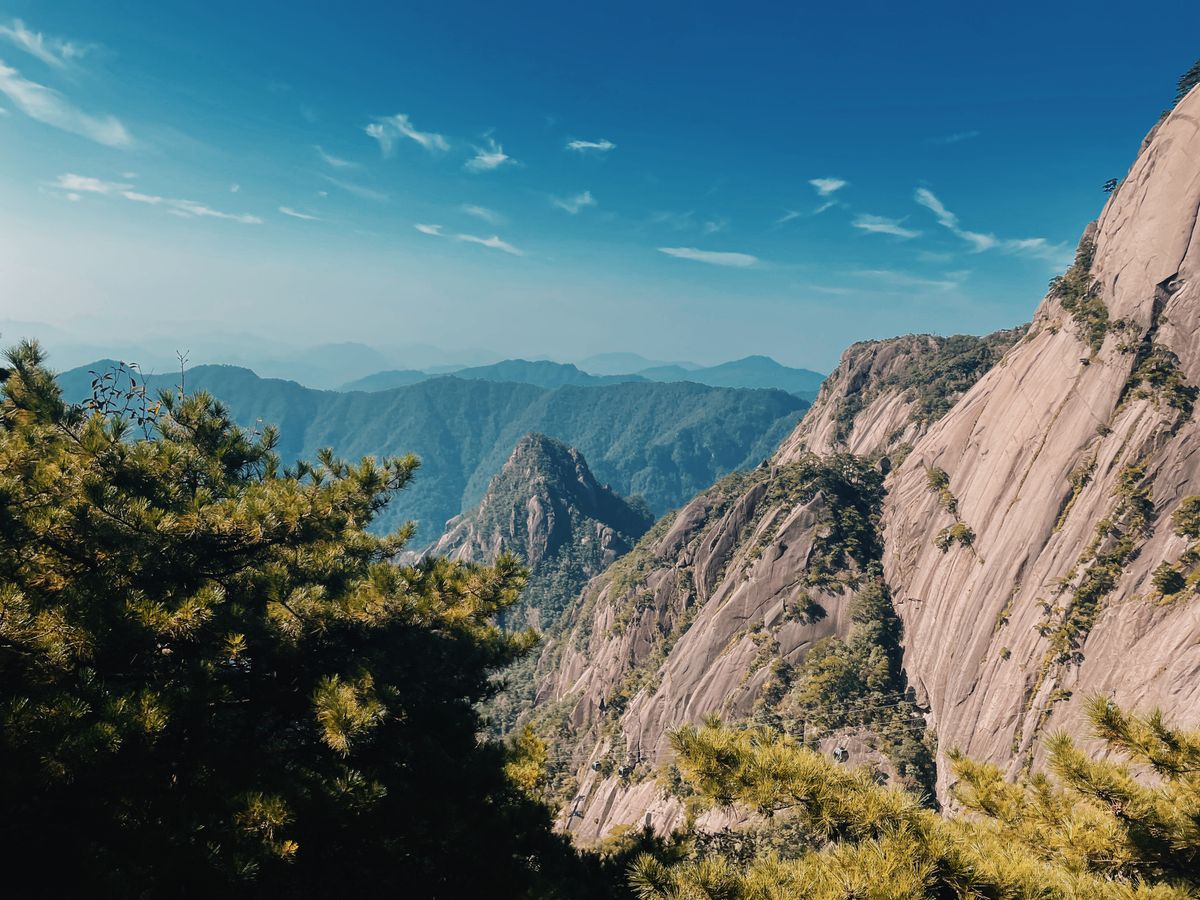
Granite cliffs and a sea of mist on Huangshan
Sleep on the summit for sunrise
The best call on Huangshan is to stay the night on top. Summit hotels are plain and expensive and sell out months ahead for summer and holidays, but sleeping up there is how you catch sunrise over the cloud sea without racing for the last cable car down. Pack a warm layer even in July: the ridge is far colder and windier than the valley below.
Huangshan summit hotels
Reserve months ahead, rooms sell out for holidays and summer
Some links are affiliate links; we may earn a commission at no extra cost to you.
When to go and getting there
You can visit year-round: spring for wildflowers, autumn for clear long views, winter for rime-frosted pines. Skip the national holidays and the July to August school break if you can, when cable-car queues can run two to three hours. The gateway is Huangshan North high-speed station in Tunxi, linked to Hangzhou, Shanghai and Nanjing; from there it is roughly an hour by bus to the Tangkou trailheads at the foot of the mountain.
Highlights
- UNESCO granite peaks, wind-bent pines and a sea of clouds in southern Anhui
- The classic 'four wonders': pines, rocks, clouds and hot springs
- Cable cars (Yungu, Yuping, Taiping) plus ridge trails between the summits
- Tiandu Peak runs open April-November on a normal annual cycle; Lotus Peak has been closed since Dec 2023 for a multi-year rotation
- Sleep at the top for sunrise over the cloud sea
- Huangshan North high-speed trains from Hangzhou, Shanghai and Nanjing
Travel Tips
Check which peak is open, don't assume
As of mid-2026, Tiandu Peak is open on its normal April-November annual cycle, while Lotus Peak has been shut since December 2023 for a multi-year ecological rest and isn't expected back for a few more years; verify before you build a plan around either.
Your passport is your ticket
The park uses a real-name reservation scanned at the gate. Book a dated entry through Trip.com or Klook in English (official mini-programs often need a Chinese phone number) and carry the passport tied to the booking; Tiandu Peak needs its own same-day quota reservation on top of the park ticket.
Sleep on the mountain
Summit hotels are basic and pricey but book out months ahead. Staying overnight is the only unhurried way to catch sunrise over the sea of clouds.
Dodge crowds and dress warm
Skip national holidays and the July to August break, when ropeway queues hit two to three hours, and bring a warm layer even in summer, as the summit is cold and windy.
Suggested itineraries
Related reading

How to Book China's High-Speed Trains (12306 & Trip.com): 2026 Guide
8 min read

Essential Apps to Download Before You Travel to China (2026)
12 min read

China Itinerary: The Perfect 10 Days for First-Time Visitors (Beijing, Xi'an & Shanghai)
9 min read
Where to Stay in China: Hotels, Booking & the Police Registration Rule (2026)
9 min read