Huangshan
Tunxi Old Street
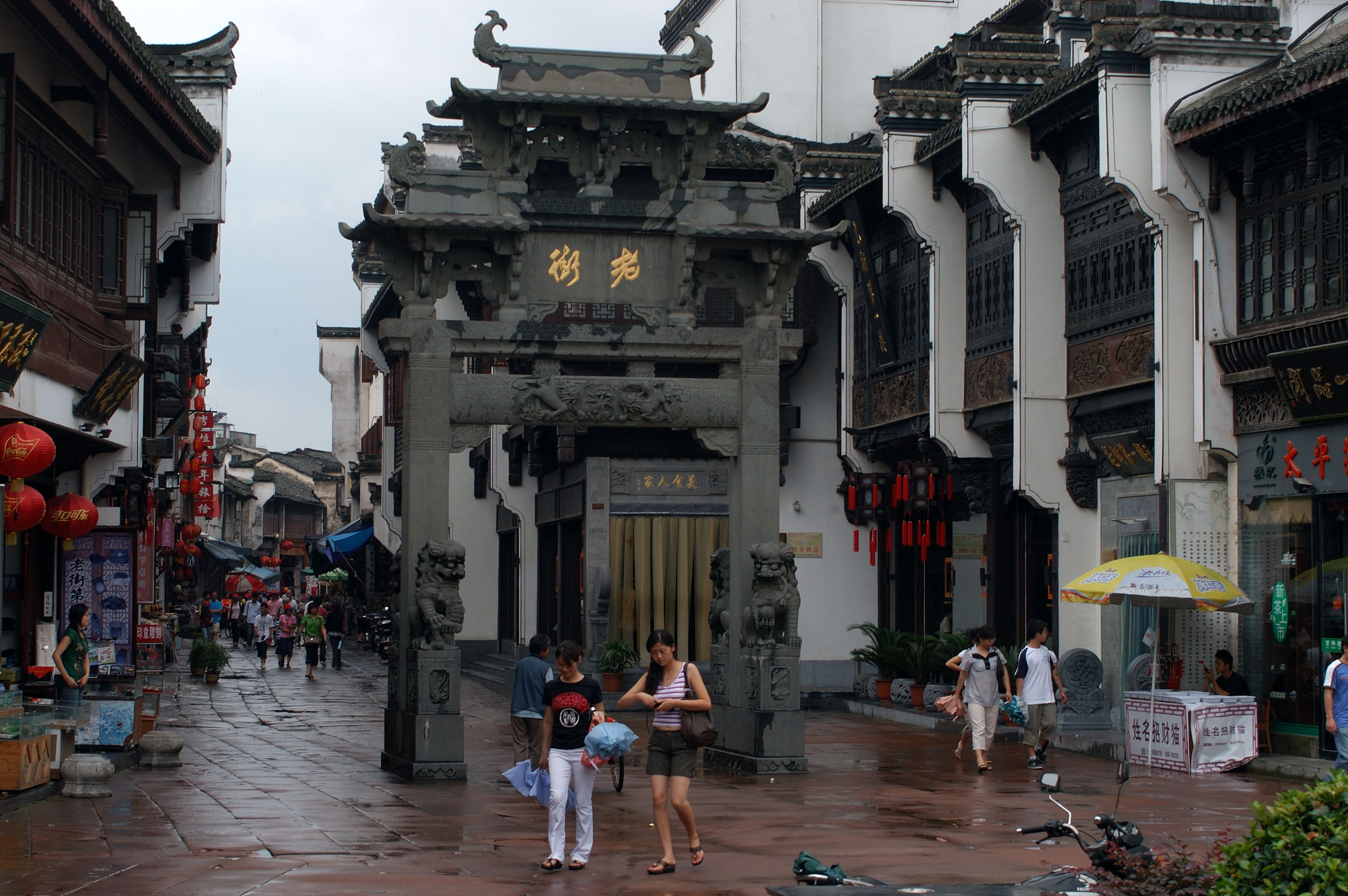
Whichever way you arrive in Huangshan City, by high-speed rail, bus or plane, your first evening tends to end in the same place: on the maroon flagstones of Tunxi Old Street, under hanging signboards and red lanterns. This is the commercial spine of old Tunxi, 1,273 metres in total with an 895-metre pedestrian core, lined with two- and three-storey timber shopfronts built to the classic Huizhou pattern of shop in front, workshop and family rooms behind. The street took shape in the Song dynasty as the collecting point for Huizhou goods heading down the Xin'an River to Hangzhou, and it has never stopped trading since.
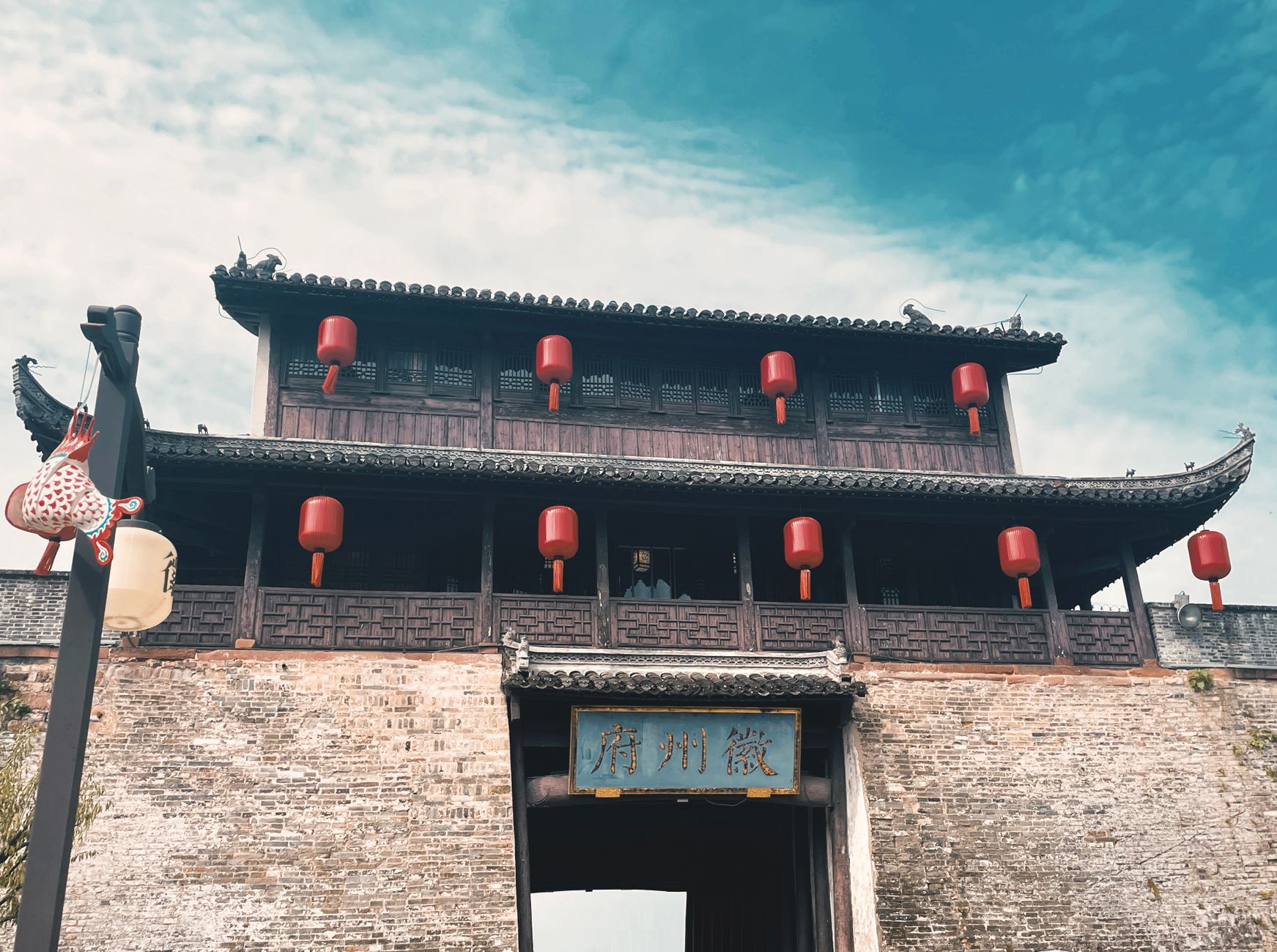
The 'Old Street' stone archway over Tunxi Old Street
Shopping and the museums
More than 200 shops sell the four classic Huizhou exports: She inkstones (She yan), Hui ink sticks, brushes and paper, alongside bamboo carvings, Maofeng tea and a long parade of "antiques." Bargain politely, and treat any claim of age or rarity with healthy doubt unless you know the field. Two buildings deserve a proper stop: Wancuilou, a four-storey carved-wood mansion that operates as a private museum of Huizhou architecture and furniture, and the smaller Tunxi Museum with Ming and Qing furniture, calligraphy and ceramics. The stone archway at the entrance makes the standard first photo.
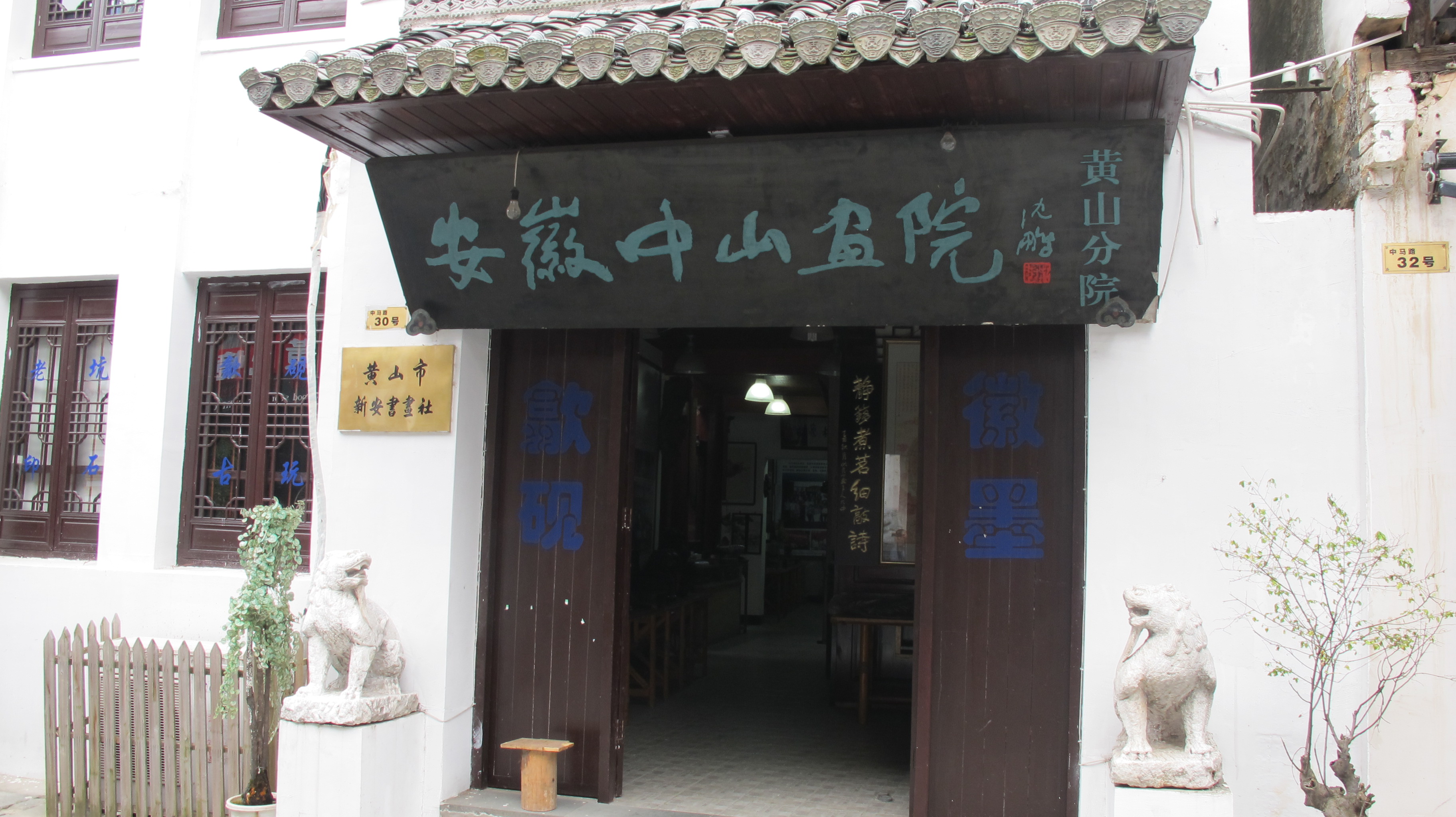
A traditional carved wooden shopfront on Tunxi Old Street
What to eat
This is the easiest place anywhere to work through Huizhou cooking. Order stinky mandarin fish (chou guiyu), fermented just far enough to be famous and much better than its name, Huangshan shaobing (crisp sesame pastries stuffed with preserved vegetable and pork), bamboo-shoot dishes in season, and Maofeng green tea grown on the surrounding hills. Snack stalls thicken in the side lanes after dark, and sit-down restaurants line the riverfront one block behind the street.
Hours and cost
The street is free and has no gate: it is a public road, open around the clock. Shops mostly trade from about 8:30am until 10pm, and the individual museums and some teahouses charge modest admission. Evening is the street at its best, when the lanterns come on and day-trip crowds thin into the alleys.
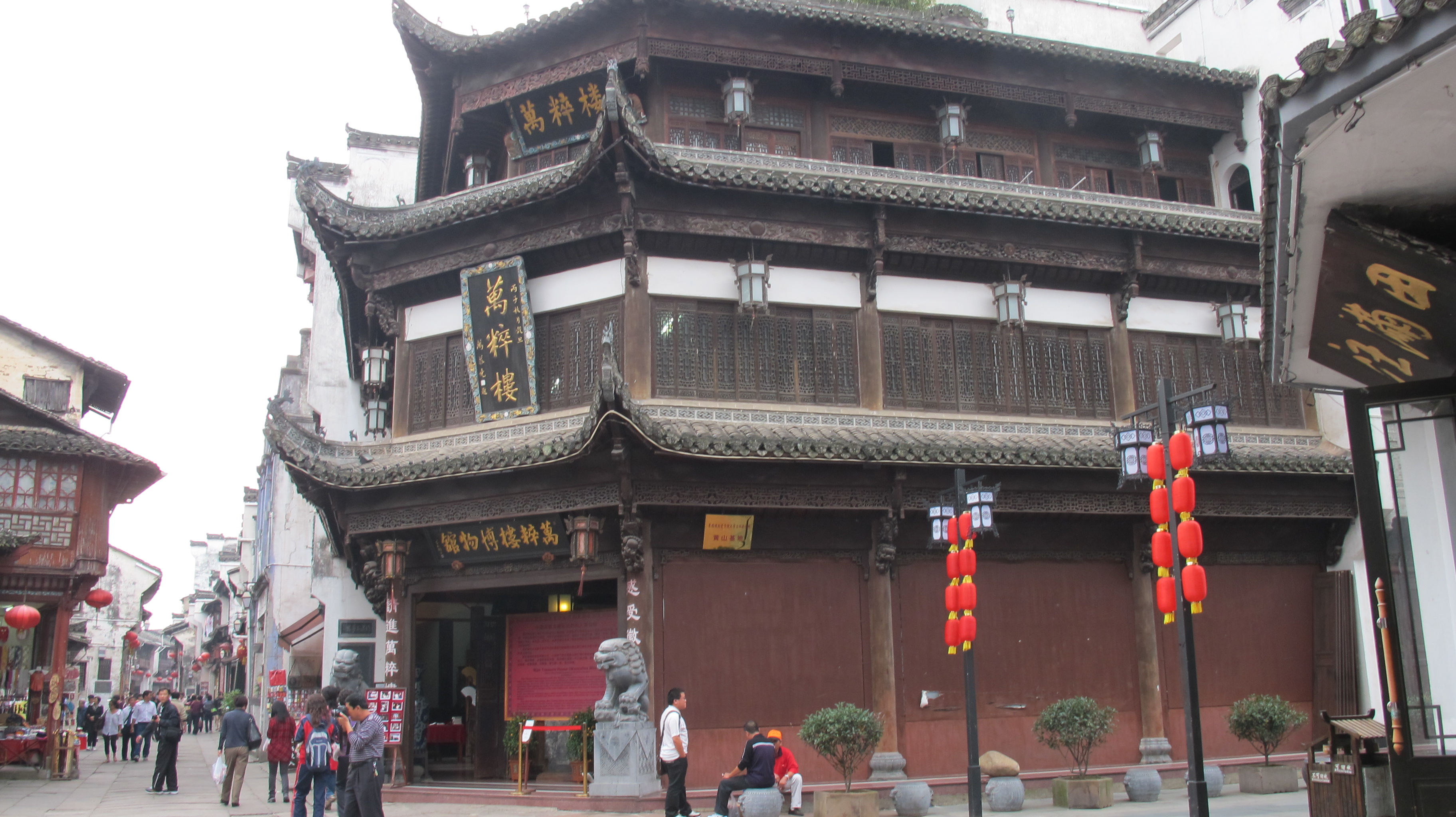
The multi-storey Wancuilou building on Tunxi Old Street
Getting there
The street sits in central Tunxi District, the downtown of Huangshan City. From Huangshan North station, the high-speed rail hub, it is about 15 km: roughly half an hour by taxi, or about an hour on the public bus. From Huangshan Tunxi airport the taxi ride is short, usually a quarter of an hour or so. Once you are downtown, everything is walkable.
Base camp for the region
Most travellers sleep in Tunxi at least twice: the night they arrive and the night before they leave. The logic is sound, since buses and drivers for the Yellow Mountains, the Yi County villages (Hongcun and Xidi), Qiyun Mountain and the Xin'an River all start here, and hotels run from hostels to boutique courtyard conversions; browsing options on Trip.com by "Tunxi Old Street" location gets you within walking distance of the lanterns. Save the heavy souvenir shopping, inkstones and tea above all, for your final day so nothing rides up the mountain with you. Across the bridge, the quieter Liyang quarter adds riverside restaurants and a calmer night walk.
Good to know
Weekend and holiday evenings are the crush; weekday mornings are almost empty and better for photographing the shopfronts. The worn flagstones get slippery after rain. Mobile payment works everywhere, though a little cash still helps at the smallest stalls, and ATMs and convenience stores sit on the surrounding modern streets. If you have a spare hour or a wet afternoon anywhere in Huangshan City, this is the natural place to spend it.
Highlights
- 1,273-metre flagstone street with an 895-metre pedestrian core of Ming and Qing shopfronts
- She inkstones, Hui ink, tea and antiques across more than 200 shops
- Wancuilou, a four-storey carved-wood mansion run as a private museum
- Huizhou street food: stinky mandarin fish, sesame shaobing, Maofeng tea
- Free, open at all hours and in the middle of downtown Tunxi
- Red lanterns and lively snack alleys after dark
Travel Tips
Go in the evening
Lanterns and atmosphere peak after dark; most shops trade until about 10pm.
Sleep nearby
Tunxi is the transport base for the whole region. Staying near the street puts Huangshan and the Yi County villages within easy reach.
Shop with care
Bargain politely and be sceptical of 'antiques' and inkstone provenance unless you know the field.