Huangshan
Qiyun Mountain
Qiyun Mountain (Qiyunshan) is one of the four sacred mountains of Chinese Taoism, and the quietest of Huangshan's major sights. Its name means "as high as the clouds," and on a misty morning the red-sandstone cliffs float above a sea of cloud, living up to the name. Far less crowded than the Yellow Mountains an hour away, Qiyun rewards visitors with Taoist temples, Ming-dynasty rock carvings and a living mountaintop village, all reached by a short cable car or a stone-stepped climb.
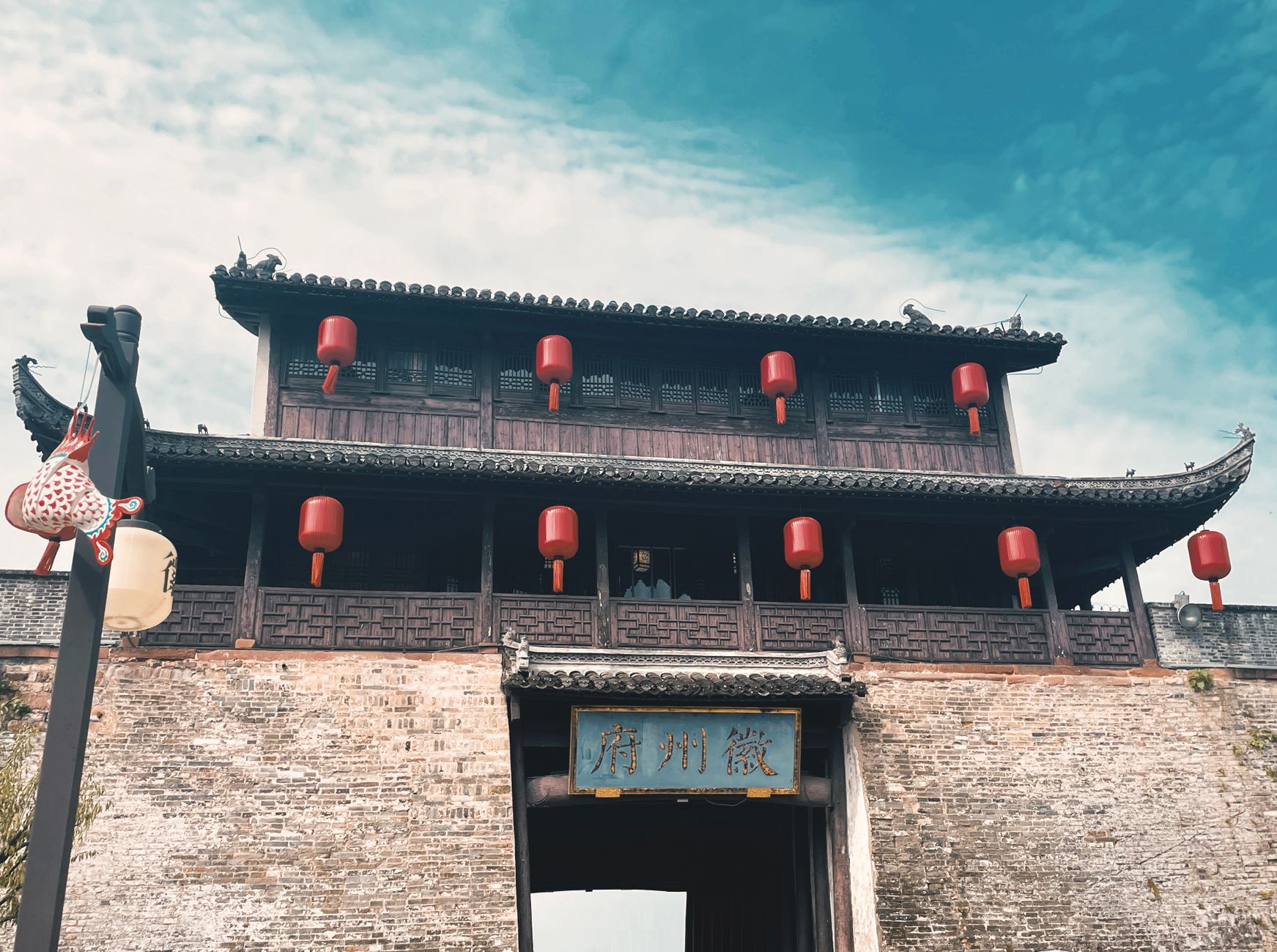
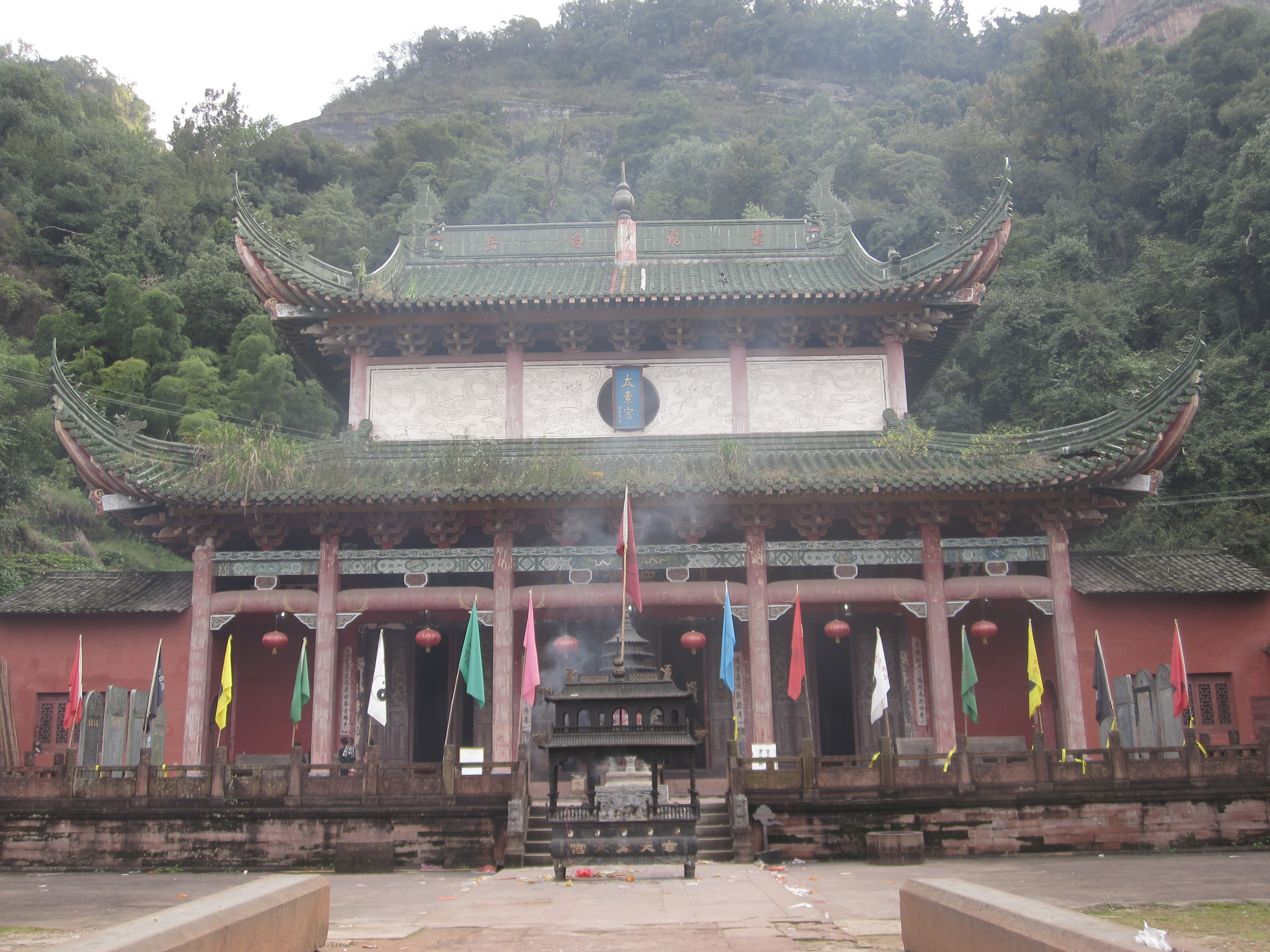
A Taoist temple hall at the foot of Qiyun Mountain
What to see
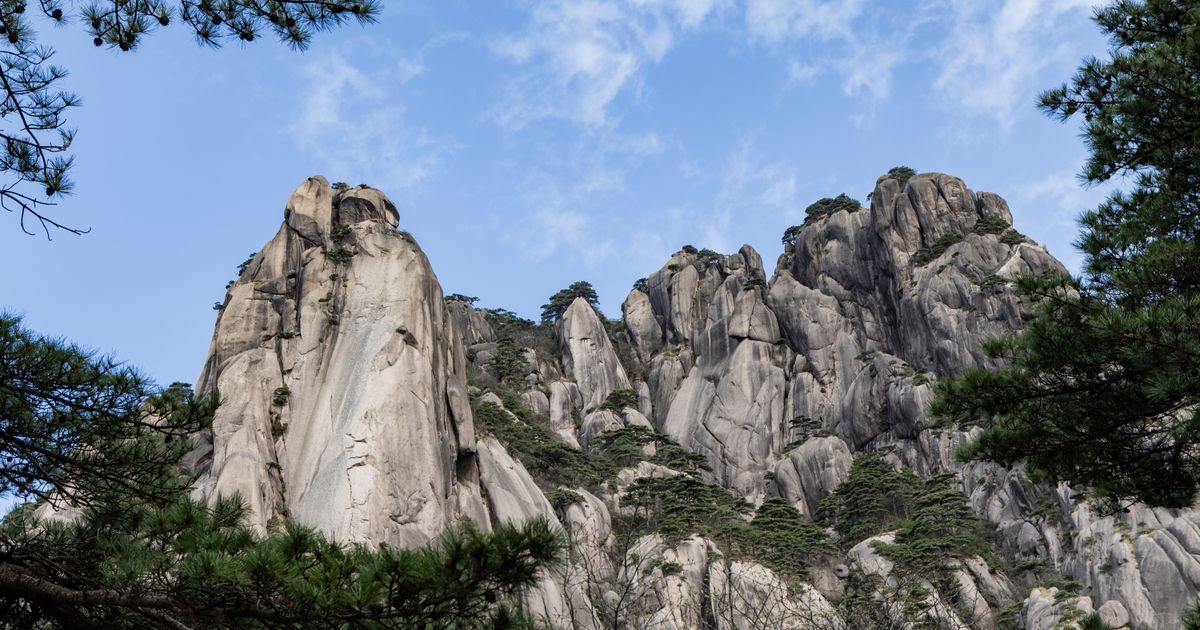
The mountain is a centuries-old centre of Taoist worship, dotted with shrines, grottoes and more than a thousand stone inscriptions and cliff carvings left by pilgrims, poets and emperors. Highlights include the Taisu Palace, the dramatic Moon Flower Street, a lane of homes and small temples where Taoist priests still live, and viewpoints over the Hengjiang River winding through the canola fields below. The distinctive red Danxia rock formations are themselves the scenery.
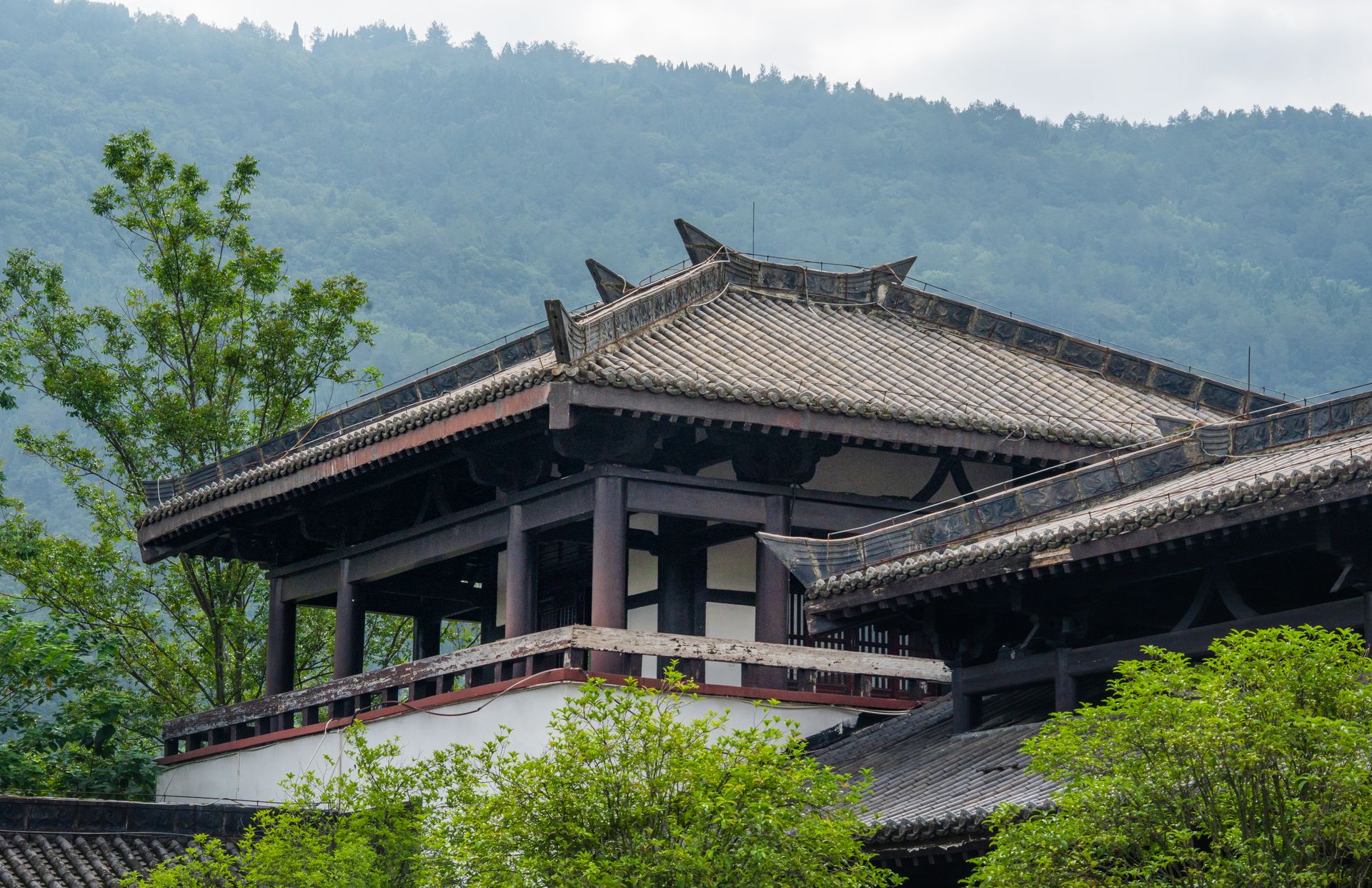
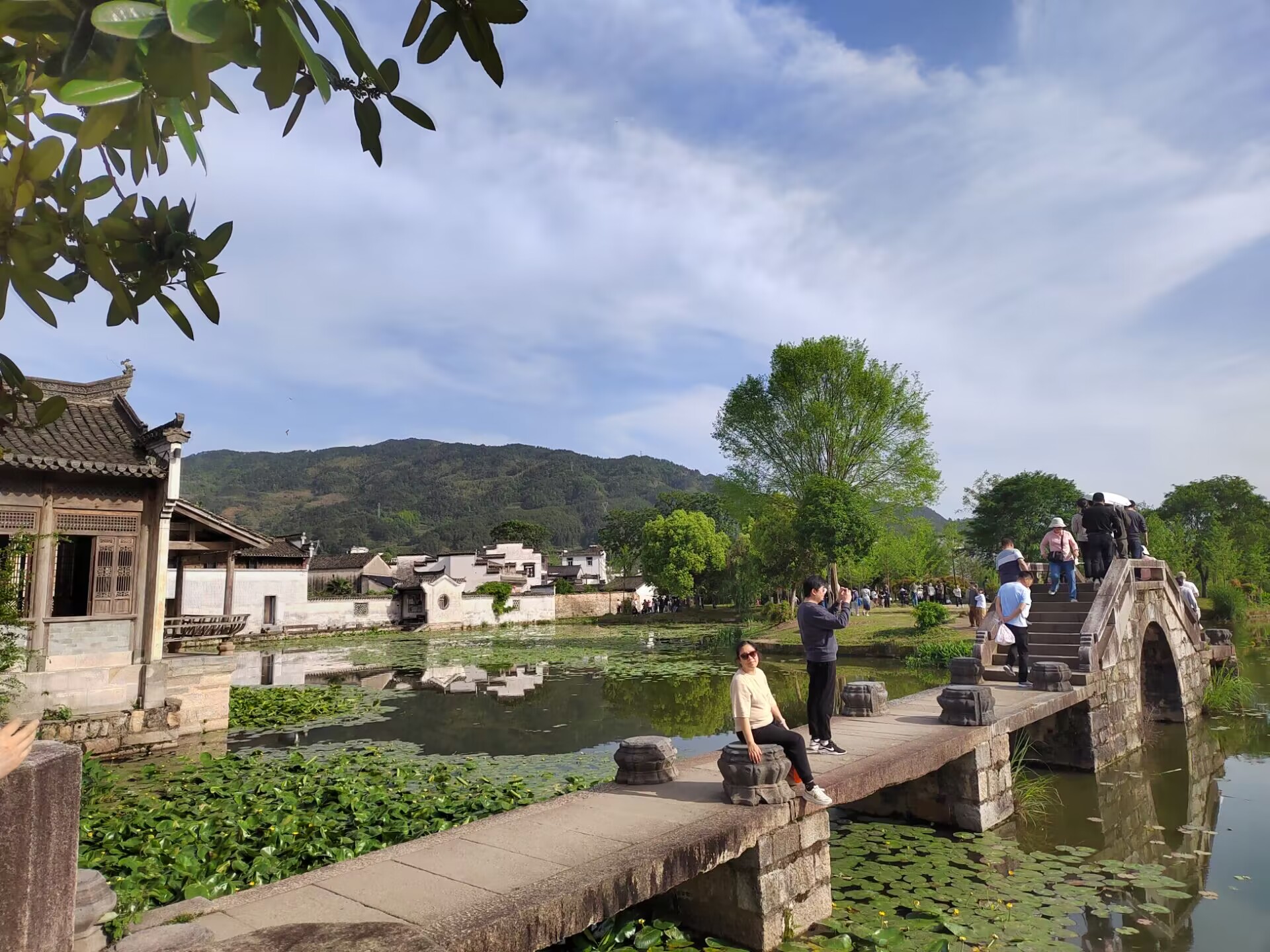
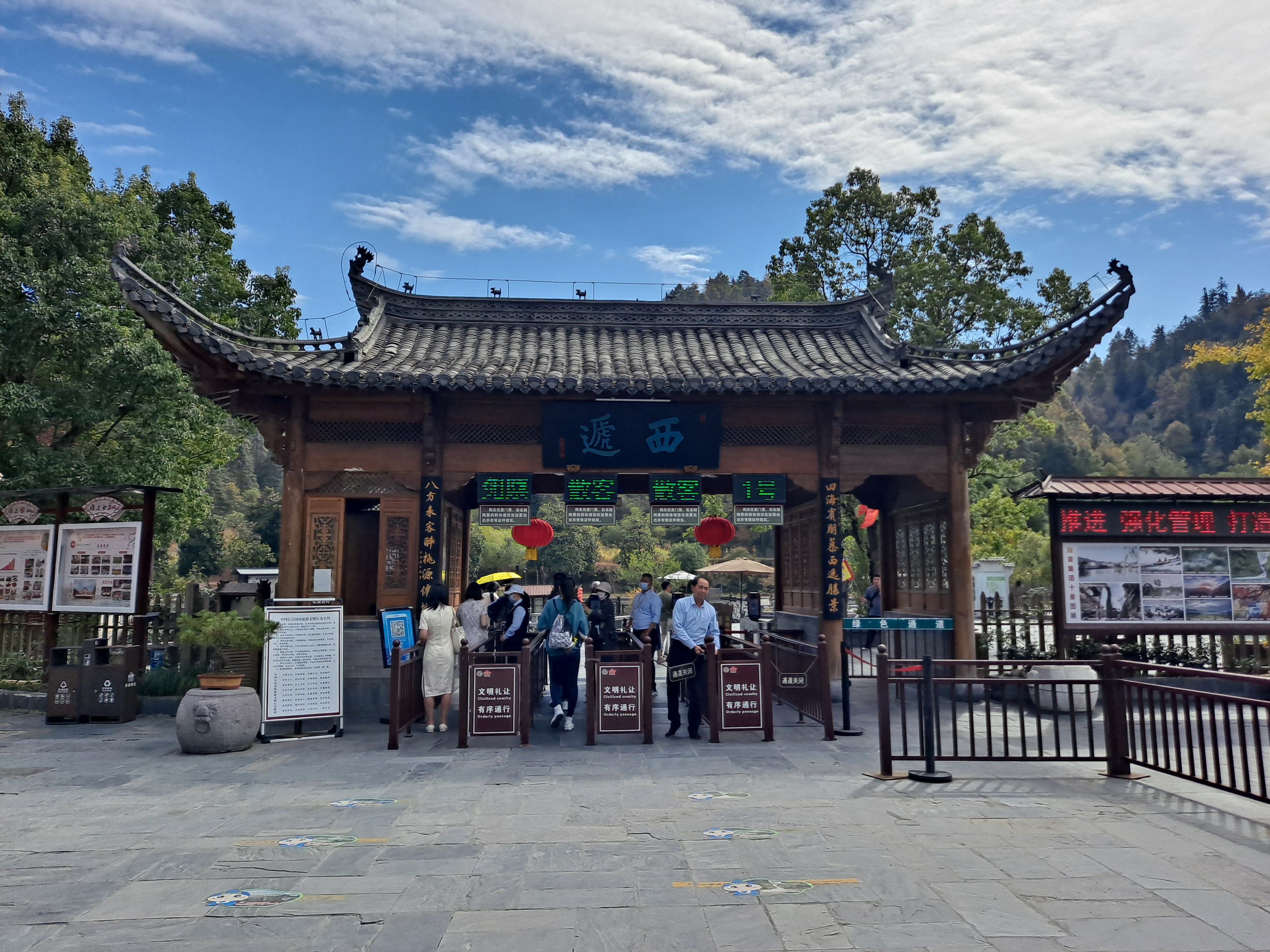
Traditional pavilion amid the green peaks of Qiyun Mountain
Opening hours and tickets
Qiyun is open daily, roughly from 8:00am to 5:00pm or 5:30pm depending on season. The entrance ticket carries a higher peak-season rate (roughly March to November) and a cheaper winter rate; the cable car up and down costs extra on top. Fees are adjusted from time to time, so check the current price before you go rather than relying on an old figure; some visitors book ahead through Trip.com to skip the ticket line. Allow half a day.
Best time to visit
Spring is spectacular when the canola fields below turn gold against the red cliffs. For the famous sea of clouds, arrive early: it most often appears between about 6:00 and 11:00am and on roughly half the days of the year, especially after rain. Autumn brings clear air and fine long views.
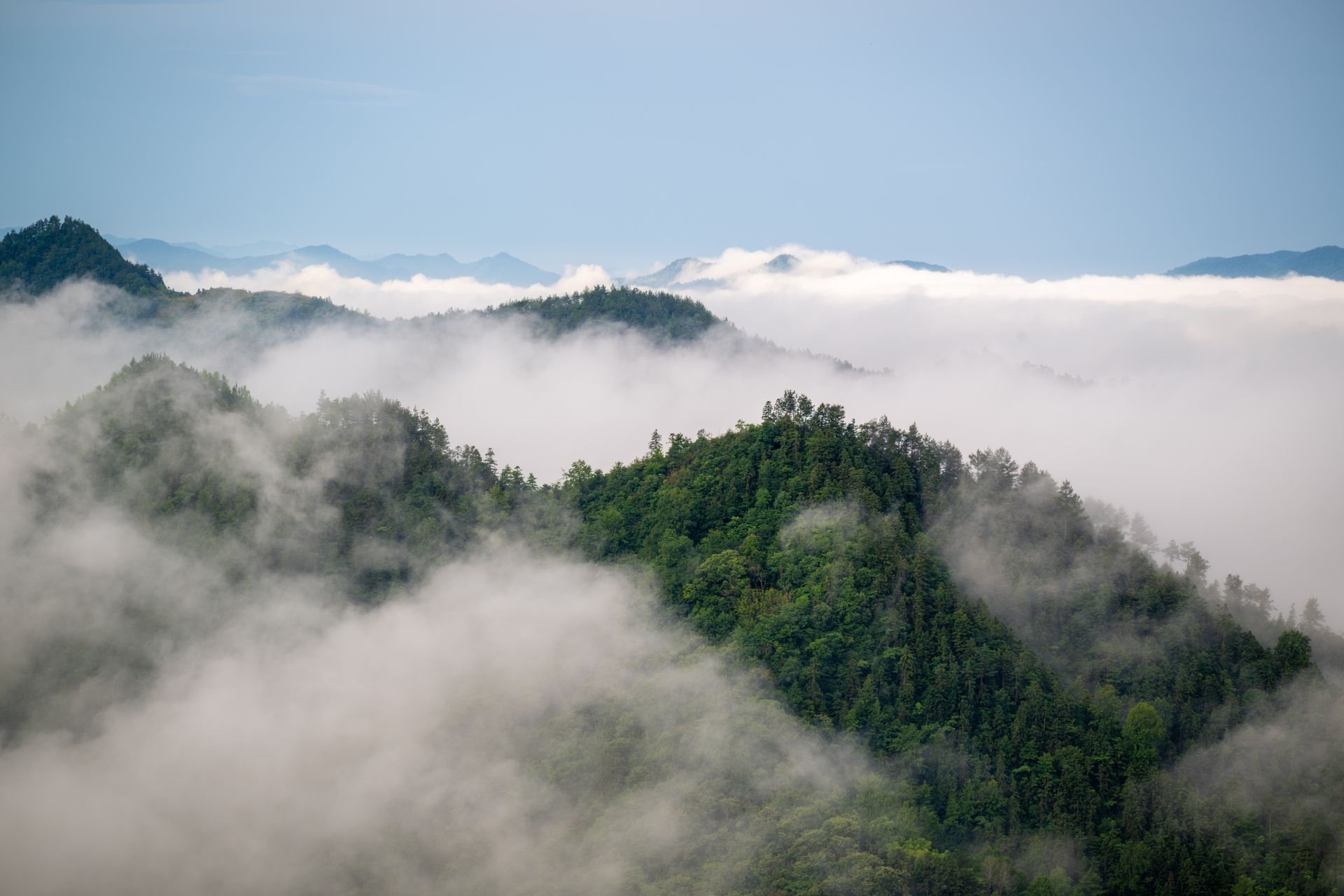
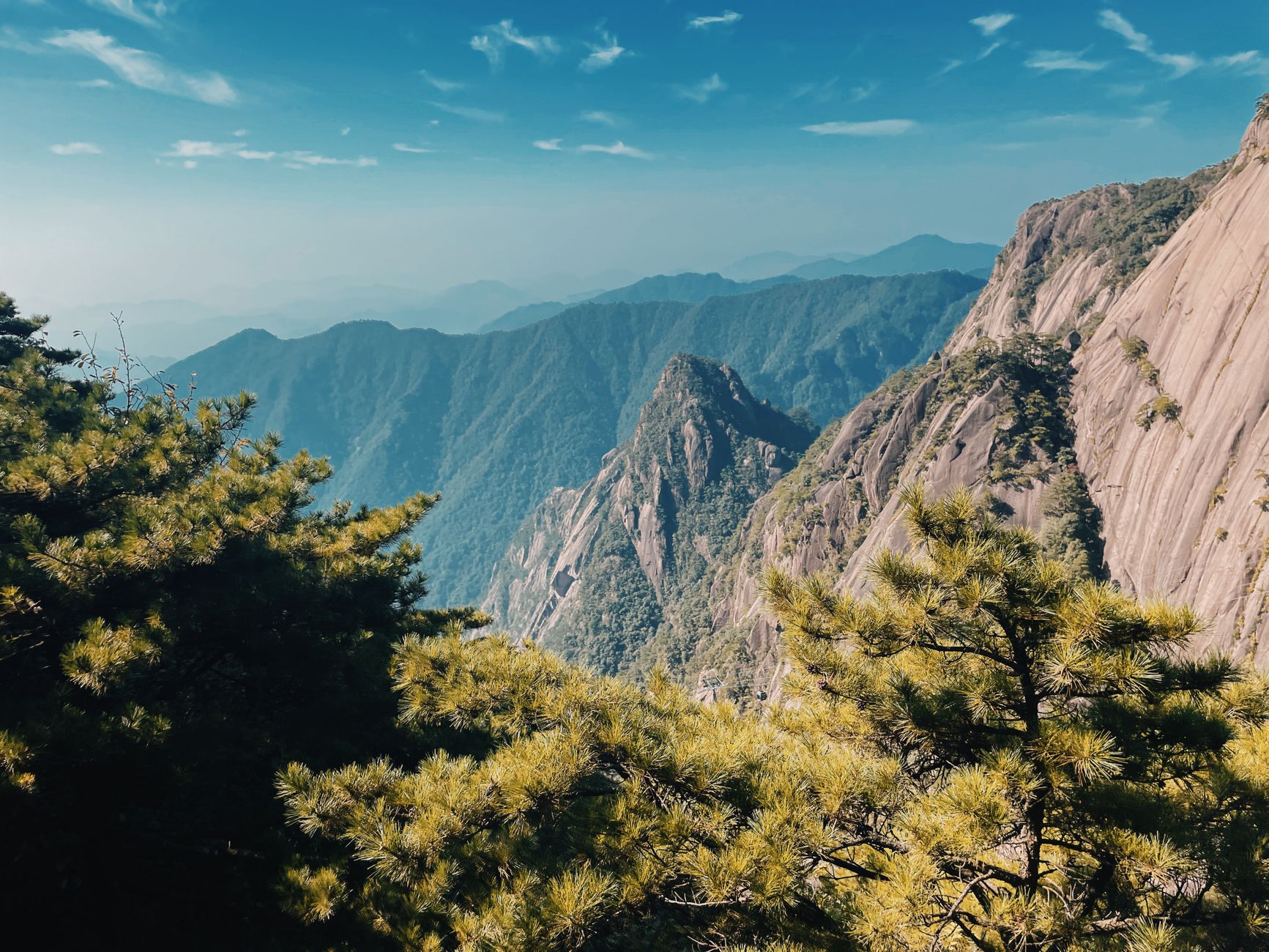
Misty green mountains and cloud sea at Qiyun
Getting there
Qiyun Mountain is in Xiuning County, roughly 30 to 35 km west of Tunxi (Huangshan City). Buses run from Huangshan bus station toward Xiuning, and there's also a train station near the scenic area with onward taxis; a taxi or chartered car is the simplest option and pairs well with a half-day at the nearby villages.
Practical tips
Take the cable car up to save energy and walk down through the carvings and temples. Wear non-slip shoes, as the sandstone steps can be wet. The mountaintop village has simple guesthouses if you want to catch sunrise above the clouds. Respect the working temples: ask before photographing priests or rituals.
A little history
Taoist worship on Qiyun Mountain dates back more than a thousand years, but the mountain reached its height under the Ming, when emperors patronised its temples and pilgrims carved their prayers into the soft red rock. In 1532, the 48th-generation Celestial Master of the Zhengyi (Orthodox Oneness) sect petitioned the Jiajing Emperor to have Taoist rites performed on the mountain, cementing its status as a regional centre of that tradition. The result is one of China's richest concentrations of cliff inscriptions, ranging from a single character metres tall to long poems. Unlike many "sacred" mountains that are now purely scenic, Qiyun remains an active centre of Zhengyi Taoism, and the priests who live on Moon Flower Street still perform rituals and tend the shrines.
Combine your visit
Qiyun is the easiest "second mountain" to add to a Huangshan trip when you want temples and quiet rather than another hard climb. It is under an hour from Tunxi and close to Xiuning's old county town, so it pairs well with the ancient villages or the Xin'an River. Half a day is enough for the cable car, the main temples and the cliff carvings; a full day lets you walk the longer pilgrim trails and wait for the cloud sea. If you can, stay overnight in the mountaintop village to catch sunrise, since the red cliffs glowing above the mist are the image most visitors remember.
Good to know
Facilities are simpler than at Huangshan: bring water and snacks, though small shops and teahouses dot the mountaintop street. The cable car runs in daylight hours only, so plan your descent before closing. Dress in layers, as the summit is cooler and breezier than the valley, and carry a little cash for the village guesthouses and shrines.
Highlights
- One of the four sacred Taoist mountains of China, far quieter than Huangshan
- Over a thousand Ming-era cliff carvings and stone inscriptions
- Moon Flower Street, a living lane where Taoist priests still reside
- Red Danxia sandstone cliffs floating above a frequent sea of clouds
- Views over the Hengjiang River and golden canola fields in spring
- Reached by a short cable car or a stone pilgrim path
Travel Tips
Chase the cloud sea
Arrive 6-11am, ideally after rain, for the best chance of the famous sea of clouds.
Cable car up, walk down
Ride up to save energy, then descend on foot past the temples and cliff carvings.
Respect the temples
These are active Taoist shrines: ask before photographing priests or rituals.