Huangshan
Xidi Ancient Village
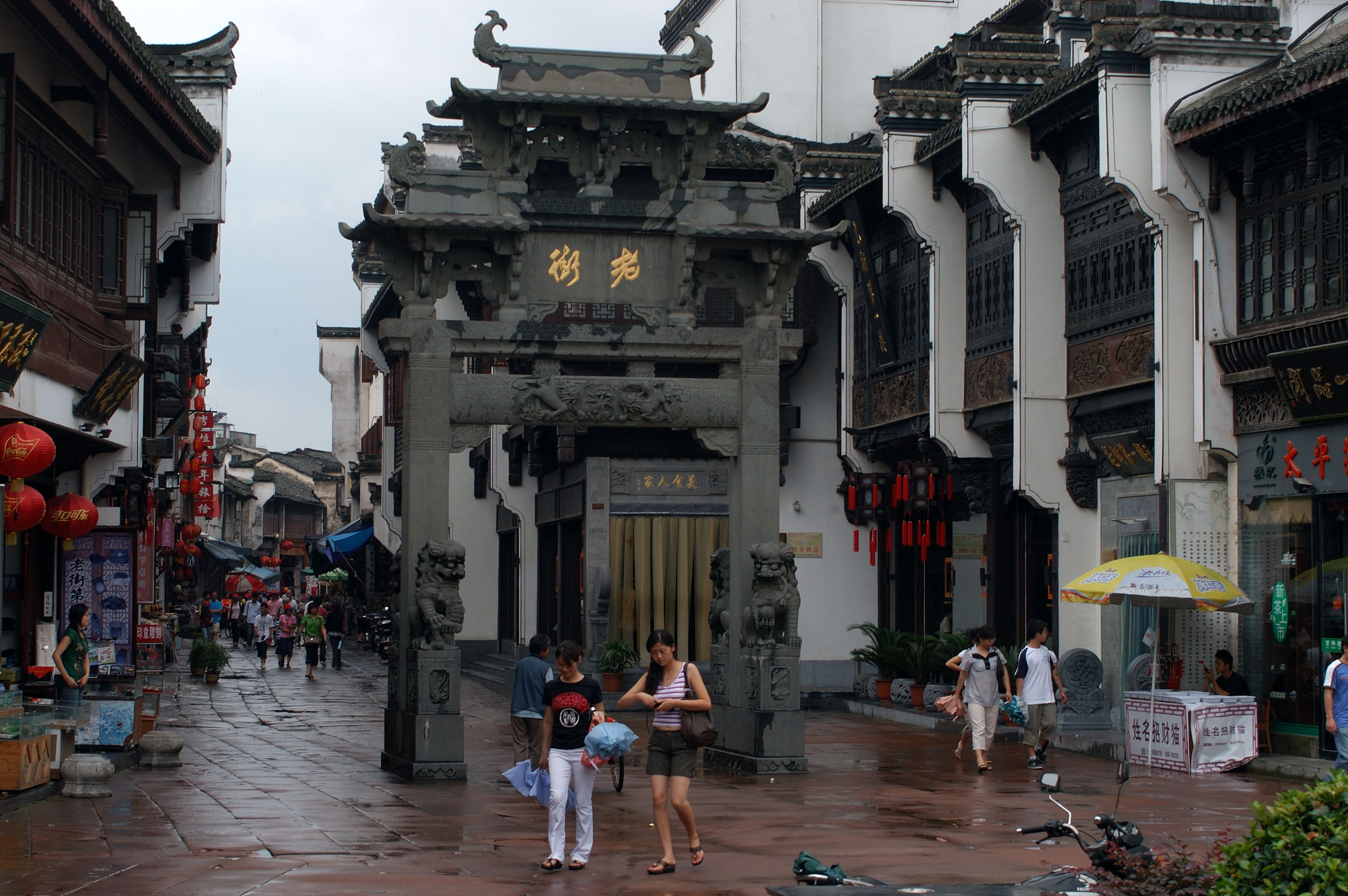
Only one of Xidi's Ming-dynasty archways is still standing, and it is the first thing you see: the Hu Wenguang archway of 1578, a 12.3-metre gateway of local bluestone raised for a village son who rose high in the Wanli emperor's service. Everything behind it lives up to that opening statement. Xidi, inscribed with neighbouring Hongcun as UNESCO's "Ancient Villages in Southern Anhui," keeps some 300 Ming and Qing dwellings along its boat-shaped web of lanes, 124 of them in fine condition. Hongcun draws the photographers with its water; Xidi rewards people who step through doorways and look up.
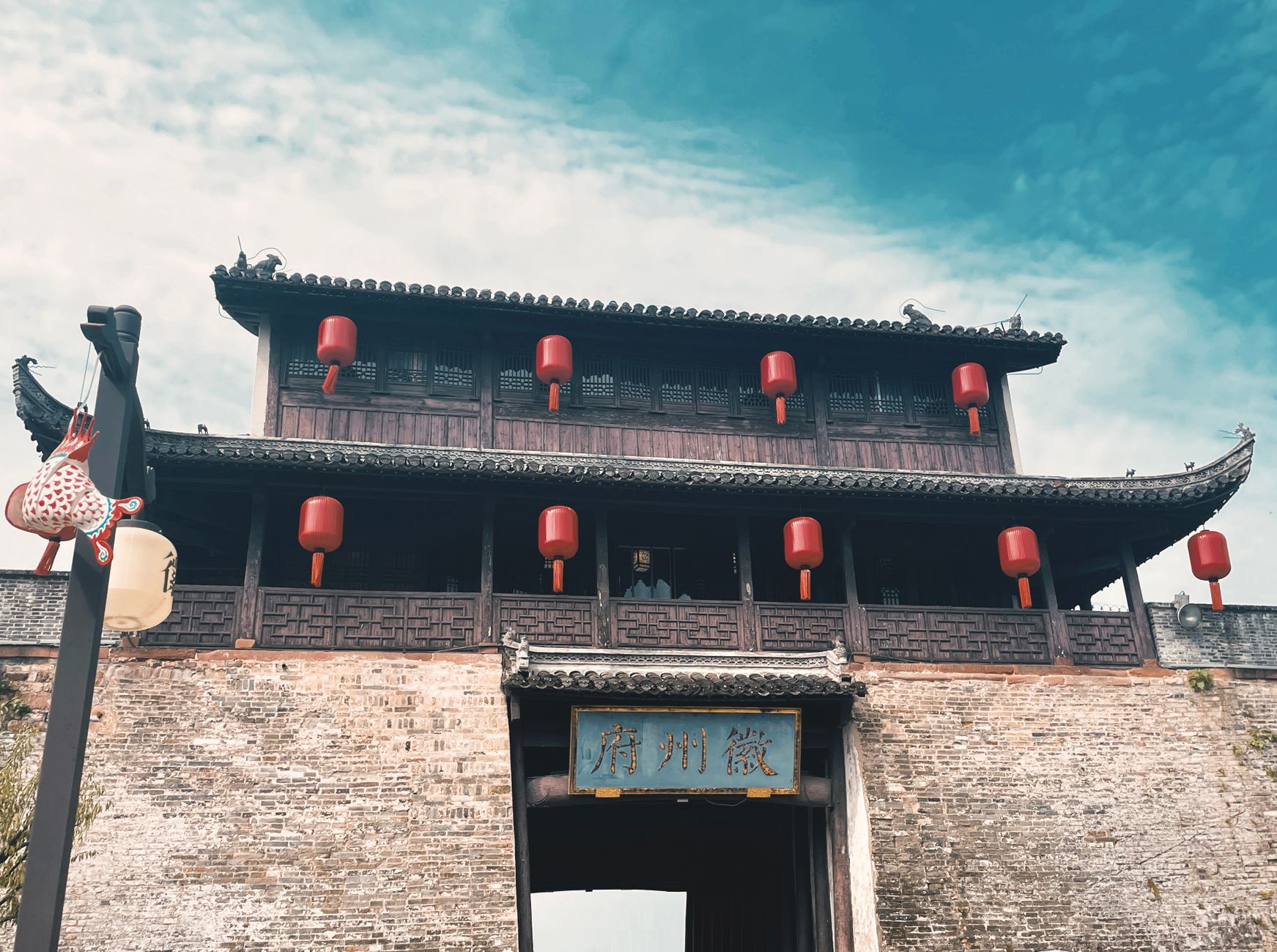
The Xidi village entrance with its decorated archway
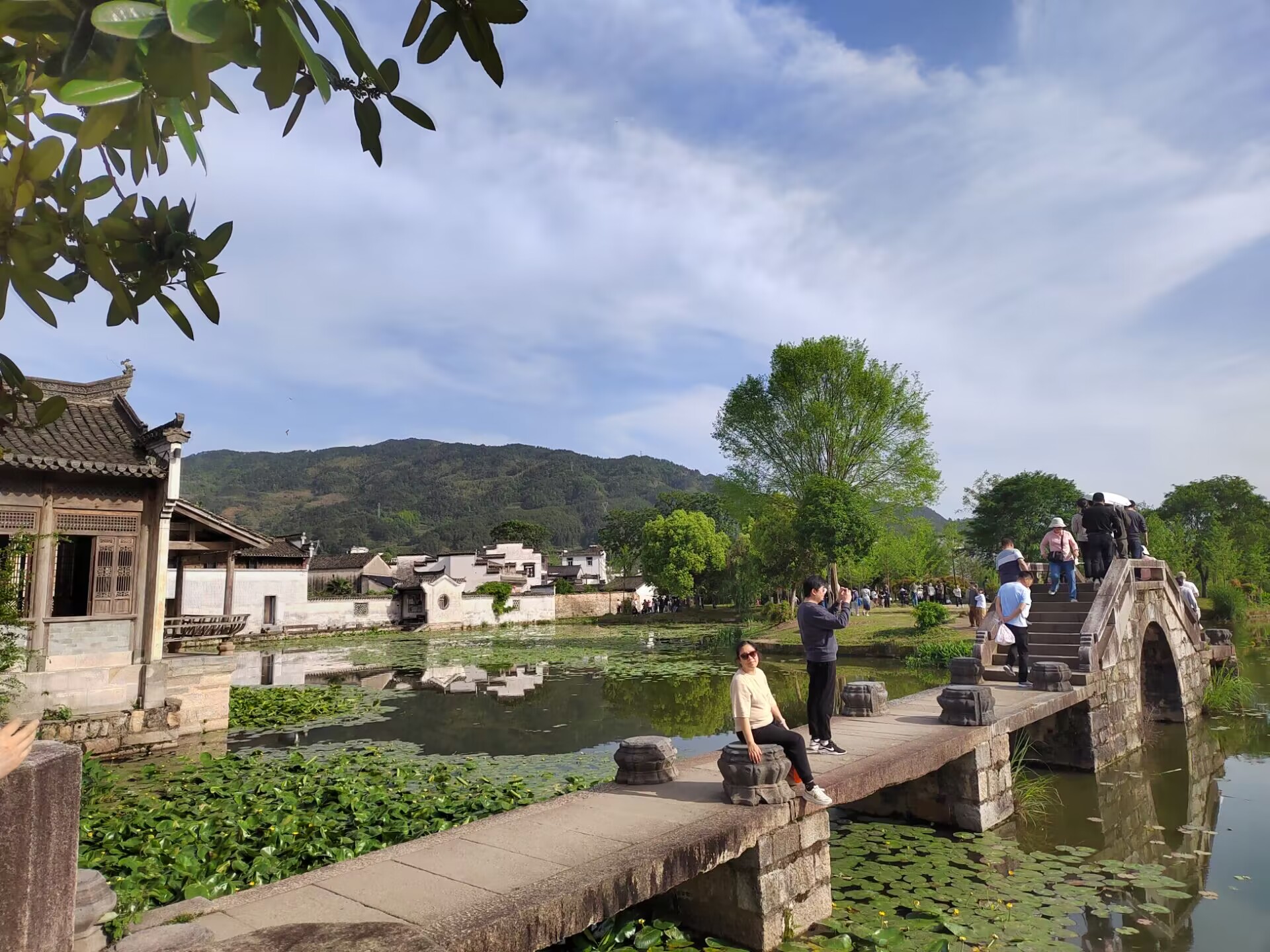
The archway and the merchant halls
Give the Hu Wenguang archway a slow look before you enter: four columns, three bays and five roofed tiers, cut from Yixian bluestone and carved with lions, cranes and scenes honouring its patron, a magistrate who ended his career as a prefect. Inside the village, the Hu merchant houses are deliberately plain outside and lavish within. Lüfu Hall, Dafu Di and Zhuimu Hall are the ones to enter for carved window lattices, ink couplets and courtyards built around a shaft of sky. The brick panels above street doorways are miniature theatre scenes; no two repeat.
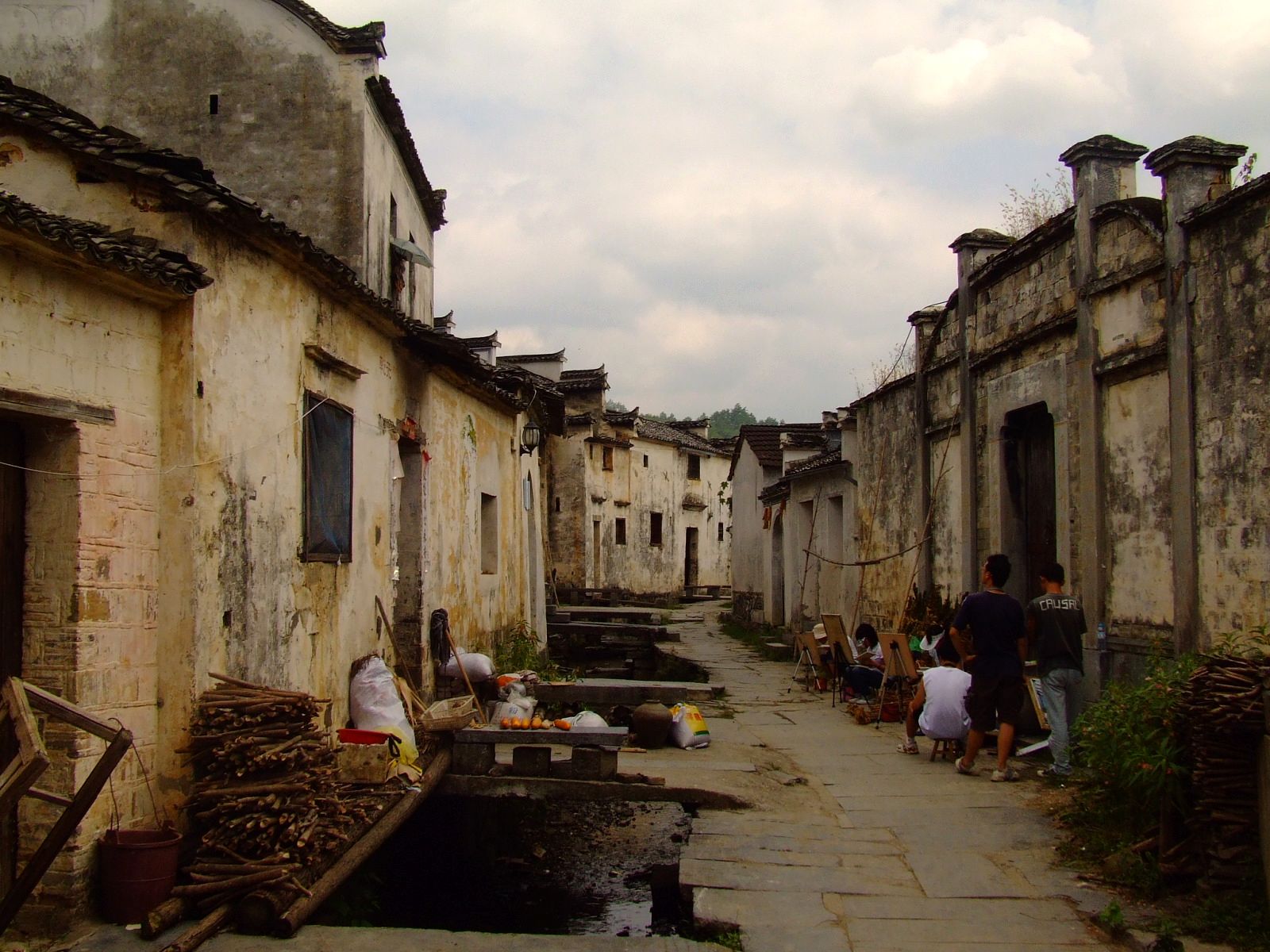
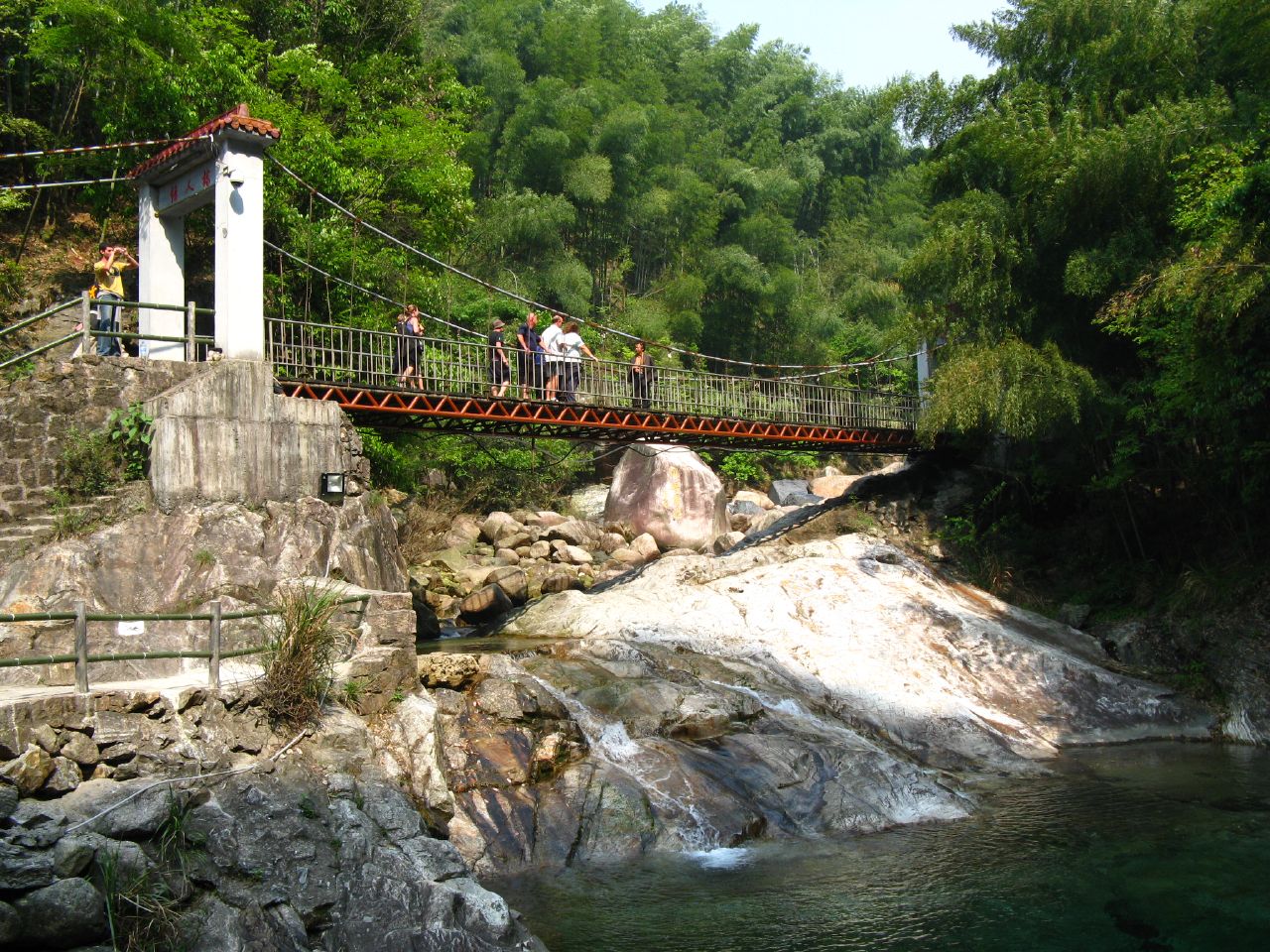
Old lane of weathered Huizhou houses in Xidi
Tickets and hours
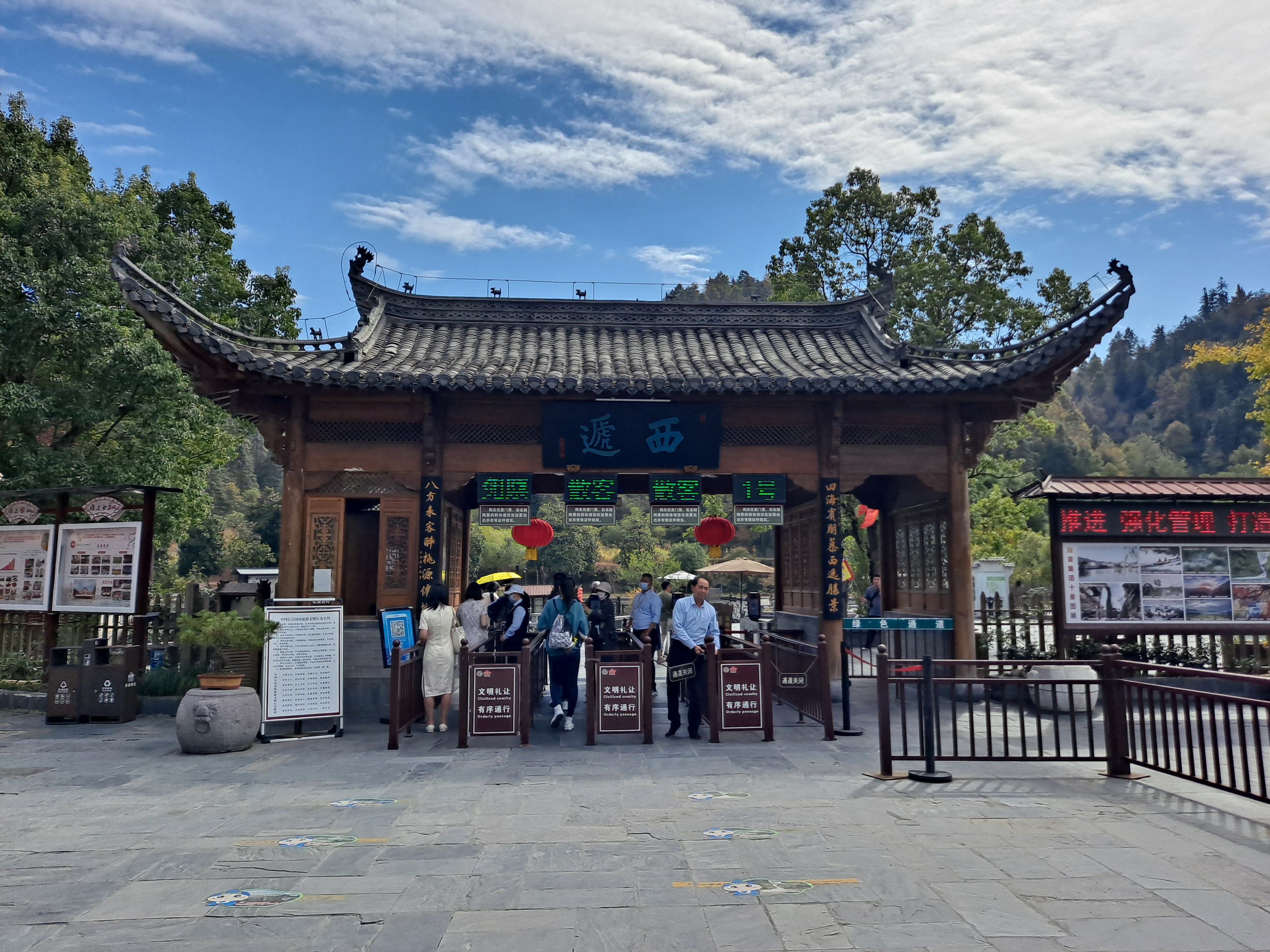
Entry is by a single village ticket, linked to your passport and valid for three days, so you can wander out for lunch or sleep in a courtyard guesthouse and walk the lanes again at dawn without paying twice. The price changes from time to time, so check the current rate when you buy; you can pay at the gate or reserve ahead in English on Trip.com or Klook. The ticket gate keeps long daylight hours, and because people still live here the lanes themselves never really shut down in the evening; the exhibition halls, though, keep daytime hours.
Getting to Xidi
The easiest arrival is Yixian East station on the high-speed line through the county, a short taxi ride from the village gate. From Huangshan North station, buses leave through the day (roughly 8:30am to 4pm) for Hongcun and stop at Xidi on the way. From Tunxi, the downtown of Huangshan City, it is about 50 km, an hour by road, with an hourly bus from the main bus station between 8am and 4pm. Hongcun lies 15 to 18 km beyond Xidi, 25 to 30 minutes by road, so most people pair the two villages in one day; taxis and shared vans shuttle between them all day long.
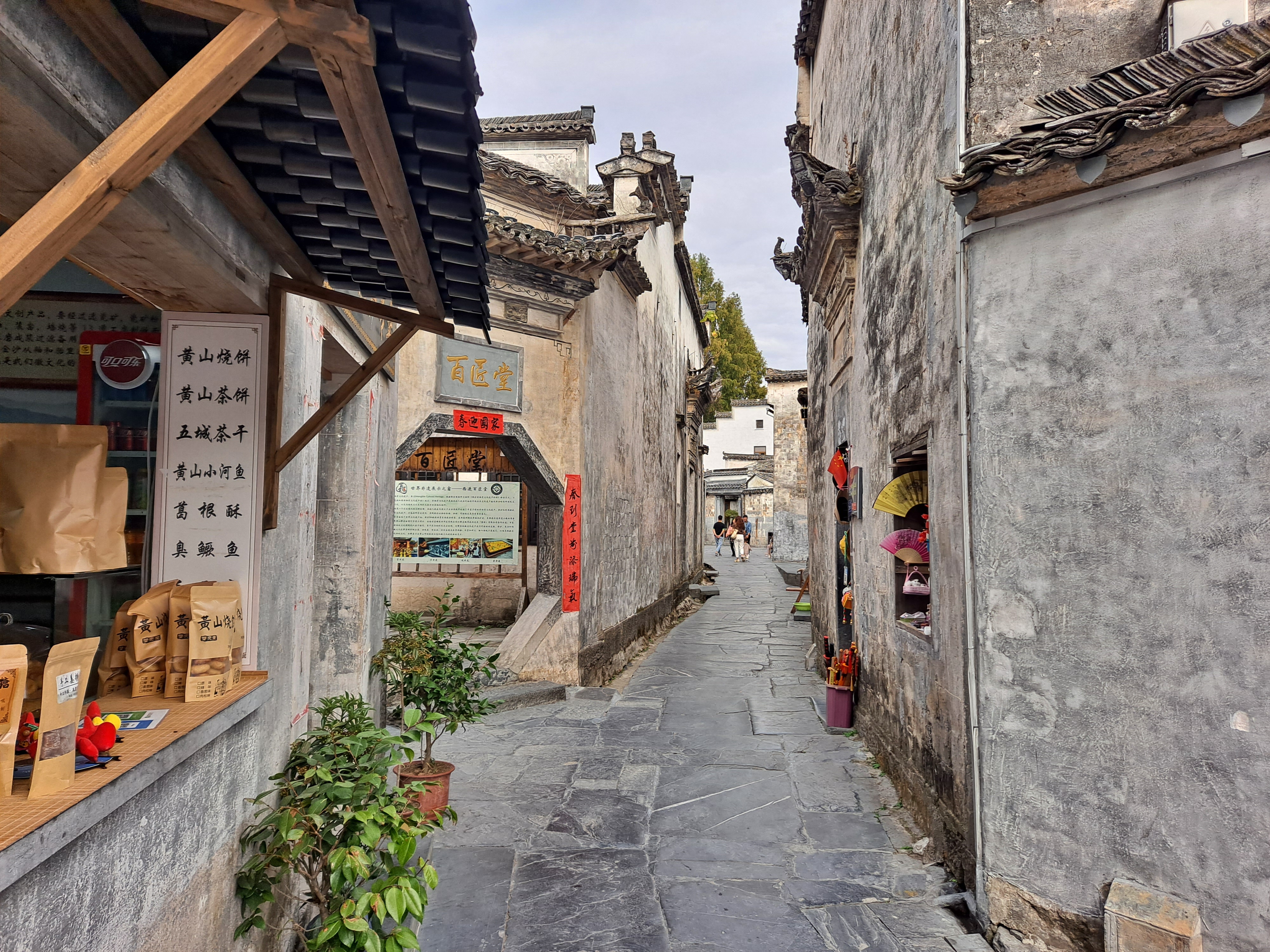
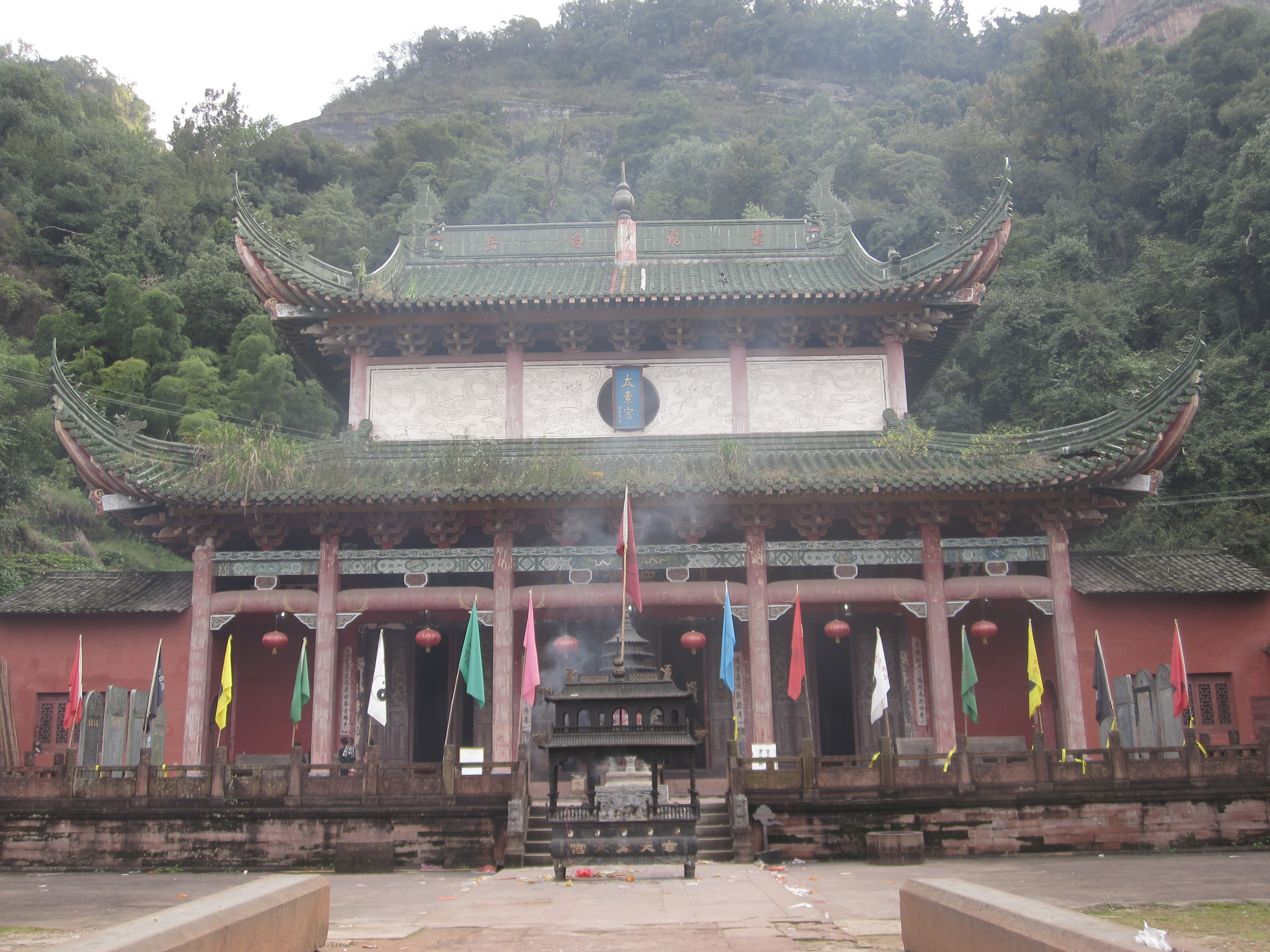
Village lane with shopfronts and local snacks in Xidi
When to go
Spring, when the surrounding canola fields bloom yellow, and autumn are the classic seasons. Xidi generally sees fewer tour groups than Hongcun, but the archway square and the main lane still fill from late morning. You will share the village with easels: art schools send students here to sketch, and their presence is part of the scenery. Arrive before 9am for empty lanes and the best light on the white gables.
The Hu clan story
Xidi was settled in 1047 by the Hu clan, who claimed descent from a prince of the Tang imperial house. Over the centuries the family produced scholars and officials as well as wealthy merchants, and that mix is written into the buildings: restrained facades, richly carved interiors, and couplets over the doorways urging study, modesty and hard work. At its height in the 18th and 19th centuries the village held some 600 residences; what survives today is among the best-preserved Huizhou domestic architecture anywhere.
Practical notes
The village is pedestrian only, with uneven stone lanes, so wear comfortable shoes and allow two to three hours at minimum. Many courtyard homes double as small museums or guesthouses, and stepping inside is the only way to see the carved interiors. English signage is thin, so a translation app or a local guide helps, and it is worth carrying some cash for the smallest craft and snack stalls. Toilets and a few cafes cluster near the entrance.
Highlights
- The 1578 Hu Wenguang archway, Xidi's only surviving Ming stone gateway
- Some 300 Ming and Qing dwellings, 124 of them finely preserved
- Carved brick, stone and wood interiors in Lüfu Hall and Dafu Di
- Boat-shaped lane network laid out by the Hu clan from 1047
- UNESCO World Heritage listing shared with neighbouring Hongcun
- Quieter than Hongcun, with art students sketching in the lanes
Travel Tips
Pair with Hongcun
The villages are 25 to 30 minutes apart by road and share a UNESCO listing. Do both in a day, starting early at Xidi.
Step inside the halls
The best carvings are indoors. Enter the open merchant mansions rather than only walking the lanes.
Use the three-day ticket
Entry is passport-linked and valid three days, so an overnight stay in a courtyard guesthouse costs nothing extra at the gate.