Kunming
Golden Temple (Jindian), Kunming
Despite the name, there is no gold anywhere at the Golden Temple, Jindian in Chinese. What glows in the sunlight is roughly 250 tonnes of solid bronze, cast into every pillar, tile and railing of what is now the largest bronze hall in China. It stands on Mingfeng Hill, on the northeastern edge of Kunming, and the hall alone is worth the short trip out, before you even reach the bell tower and camellia gardens around it.
A hall cast entirely in metal
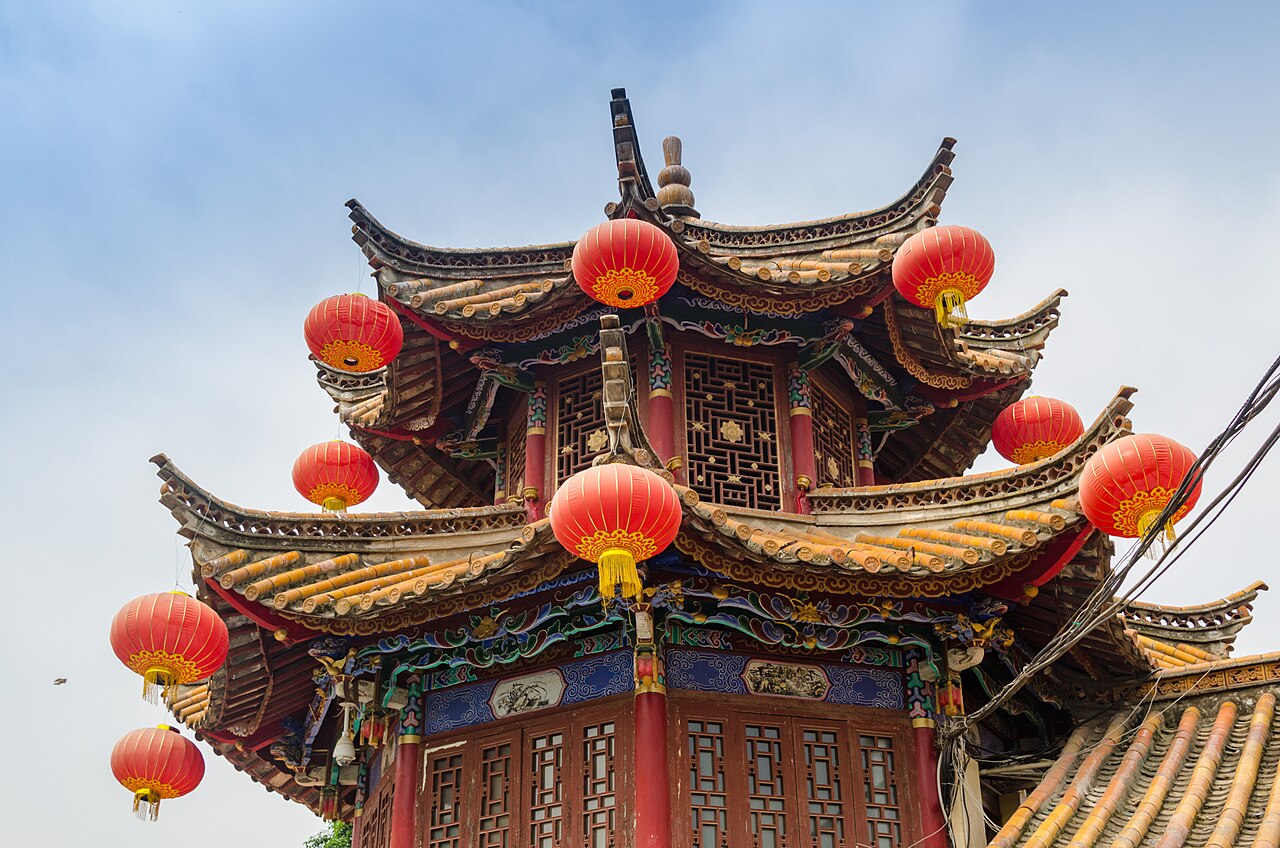
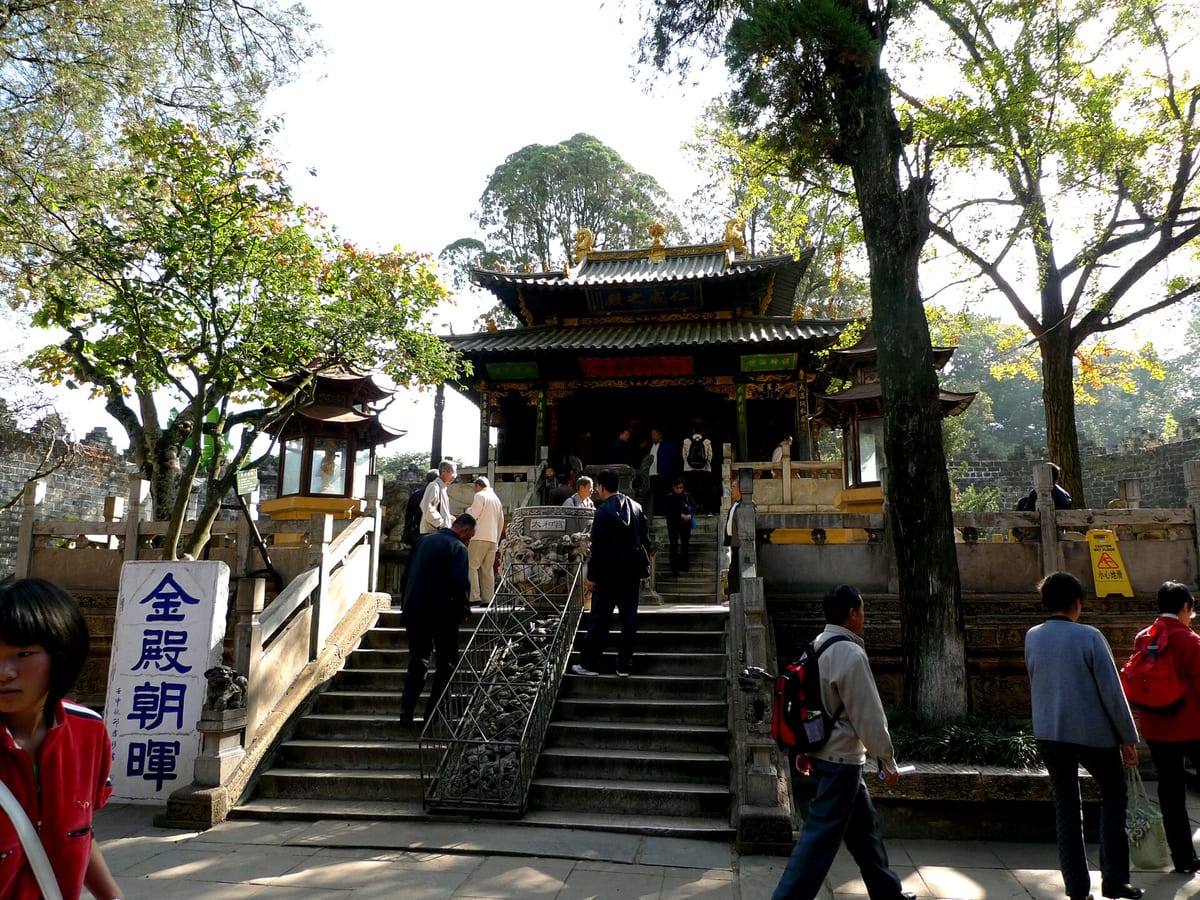
The bronze pavilion is about 6.7 meters tall and 7.8 meters on each side, set on a square marble terrace ringed by carved balustrades. Its formal name is Taihe Palace, the Hall of Supreme Harmony, and it belongs to a Daoist complex, not a Buddhist one. The current hall was cast in 1671 under the warlord Wu Sangui, replacing an earlier bronze hall that had been moved elsewhere. Up close you can see how every tile, beam and bracket was reproduced in metal rather than wood, a feat of Qing-dynasty foundry work that gives the building its even, smoky sheen.
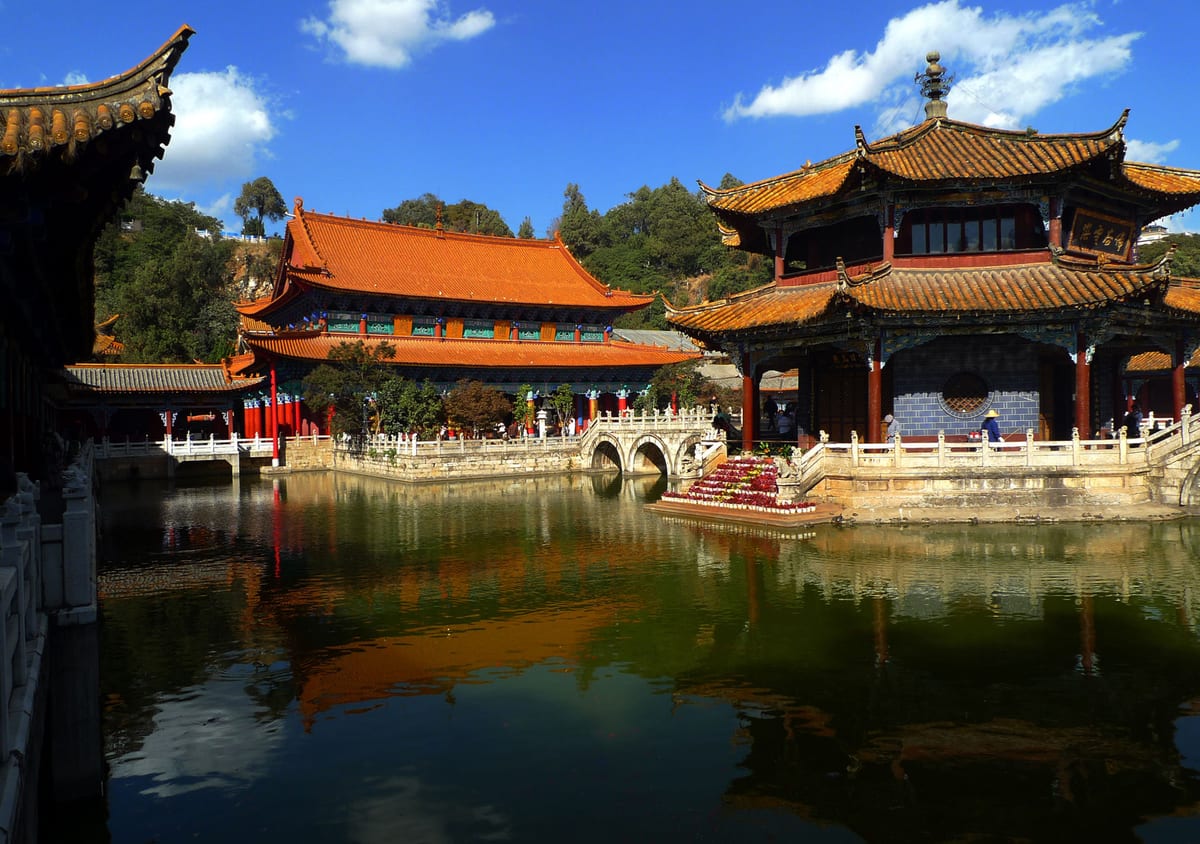
Bronze hall of the Golden Temple in Kunming
Beyond the bronze hall
The hall is the highlight, but the scenic area is a hillside park worth an hour or two:
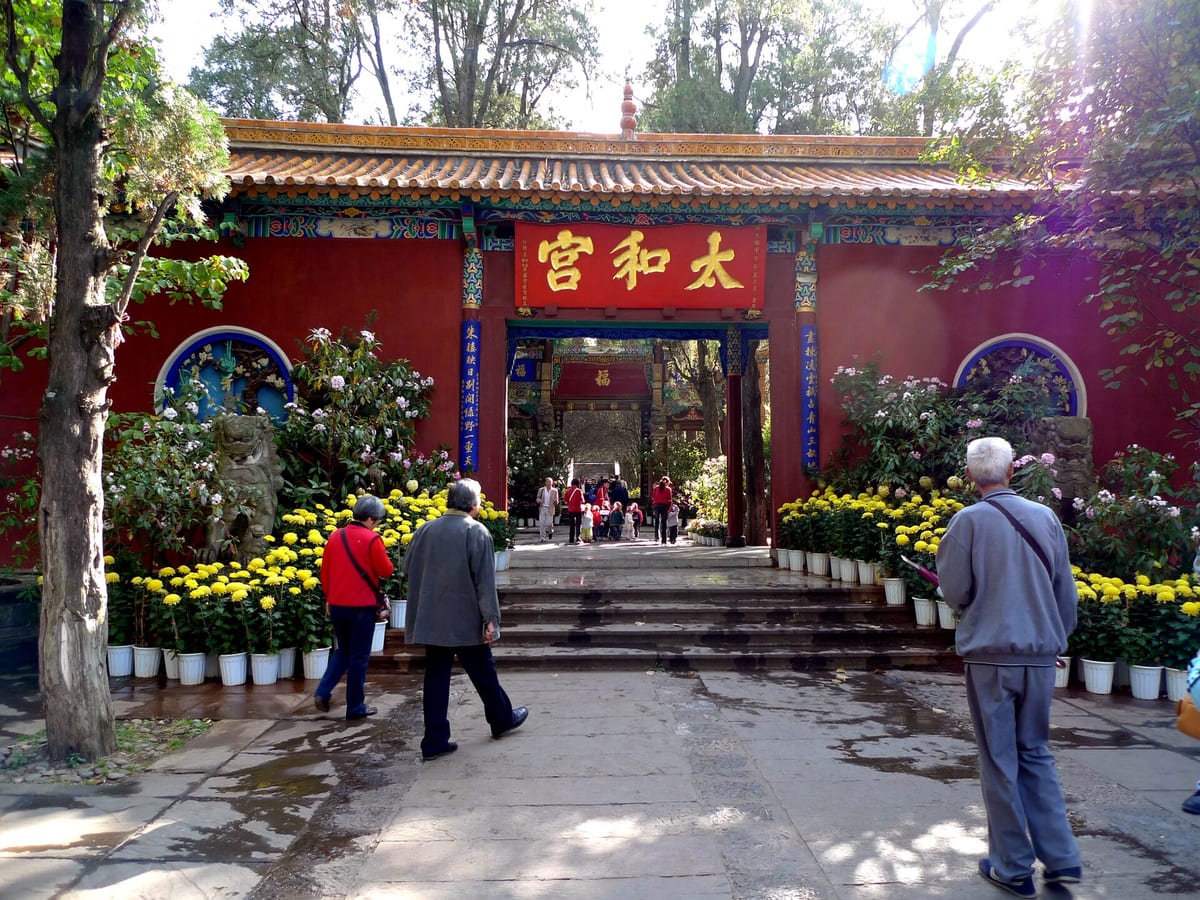
- The 'three gates of heaven', a series of archways and the red Taihe gate you pass through on the climb up Mingfeng Hill.
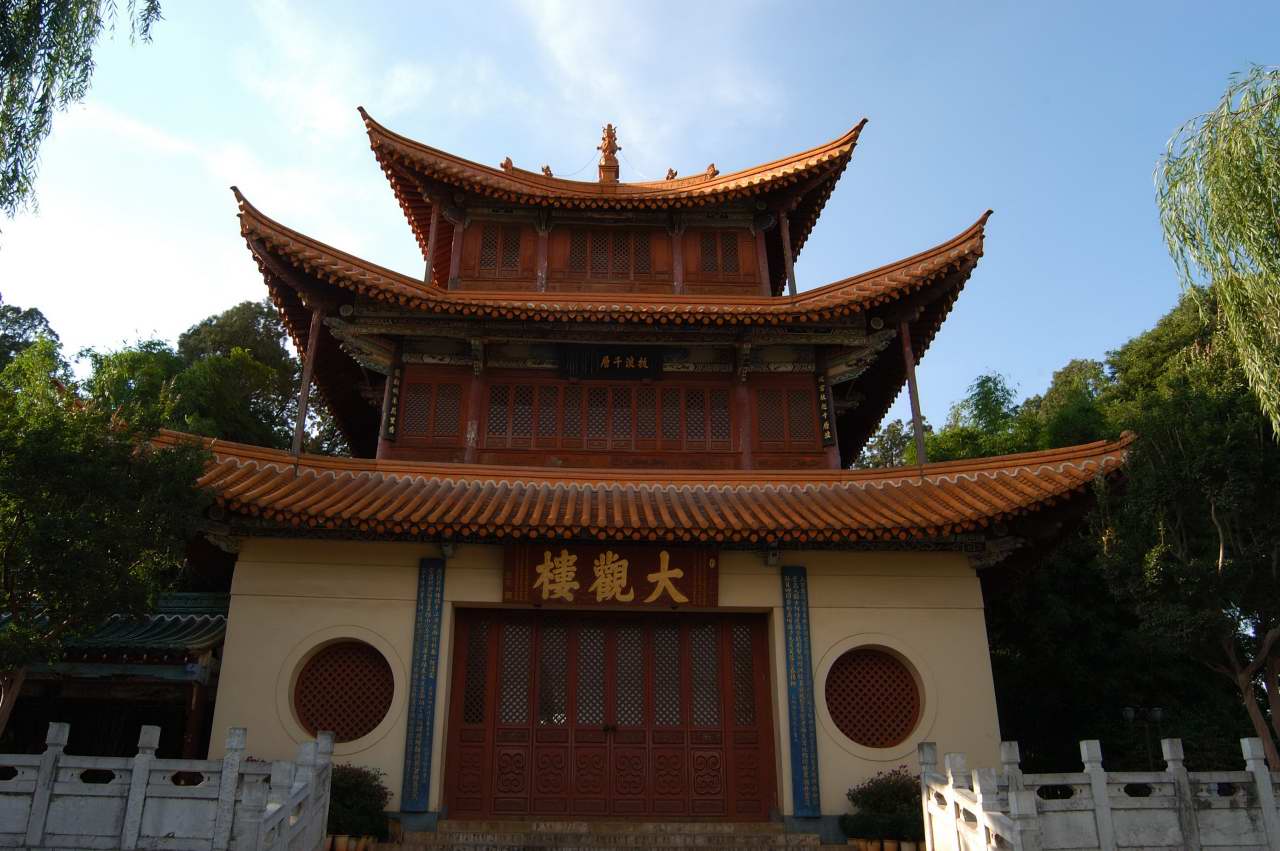
- A massive bronze bell, cast in the Ming dynasty and among the oldest large bells still surviving in China. It originally hung elsewhere in the city and was only moved to its current tower on the hill in 1970, so the bell itself predates the temple grounds around it by centuries.
- The camellia garden, one of the best in Yunnan; the camellias and azaleas bloom from late winter into spring, roughly February to March, when local visitors pour in.
Red Taihe gate at the Golden Temple scenic area
Tickets, hours and how to visit
- Entrance: a moderate fee, roughly on par with other major Kunming scenic areas; a combined ticket that bundles entry with the cable car to the World Horti-Expo Garden is usually sold at the gate too, so ask before buying separately.
- Hours: roughly 7:30am to early evening daily.
- Getting there: metro plus a short bus or taxi, or city buses toward Jindian; a Didi from central Kunming takes around 25 to 30 minutes.
- How long: 1 to 2 hours, more if you walk the wider Mingfeng Hill park or ride the cable car that links it to the World Horti-Expo Garden next door.
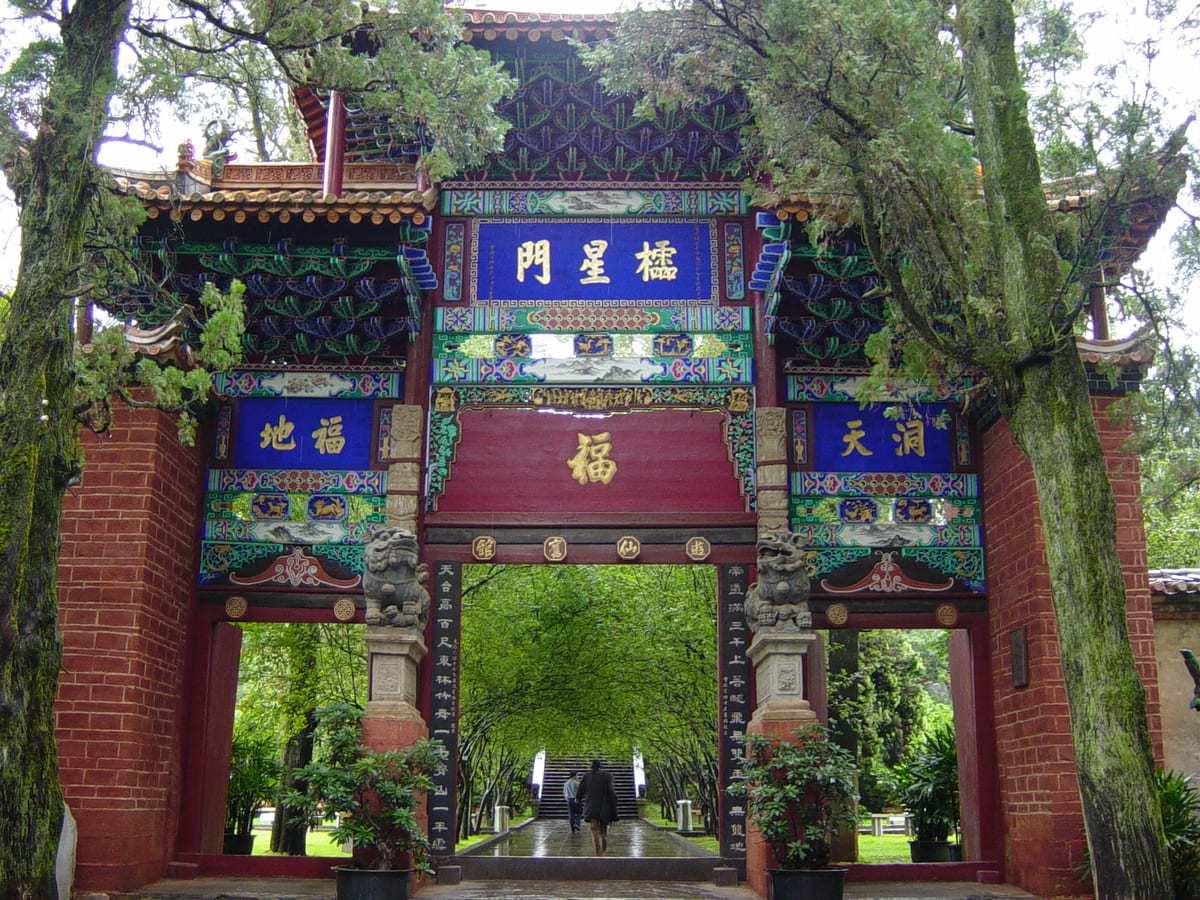
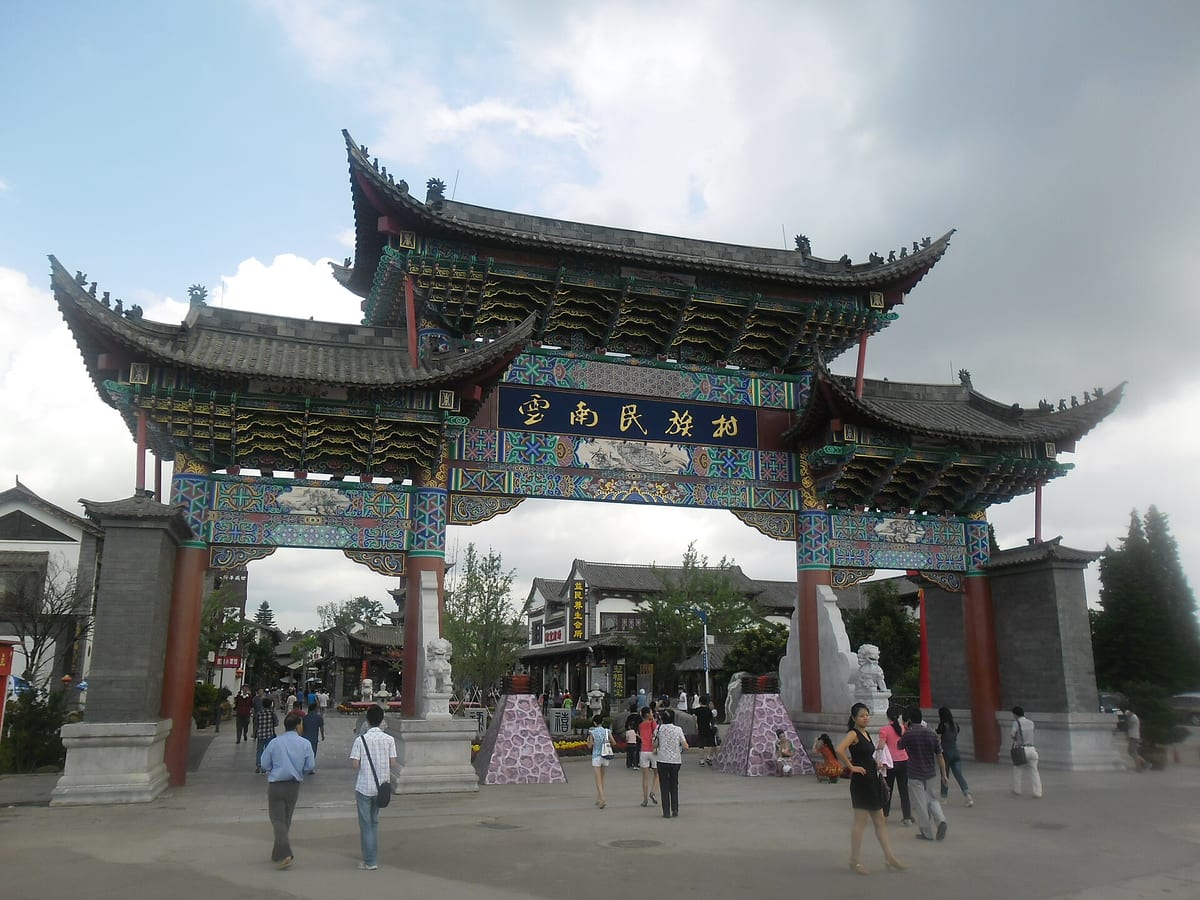
Ornate Lingxing archway on the way to the Golden Temple
Best time to go
Late winter into early spring, roughly February to March, for the famous camellias; otherwise any clear morning, before the tour groups arrive. The hill is leafy and shaded, so it stays comfortable even on a warm Kunming afternoon.
Visitor tips
Wear comfortable shoes: reaching the bronze hall means a gentle climb through the gateways. The Golden Temple sits next to the World Horti-Expo Garden, and a cable car connects the two, so keen walkers can combine both in one outing. Mornings are noticeably quieter than weekend afternoons.
FAQ
Why is it called the Golden Temple if it's bronze? Polished bronze takes on a golden sheen in strong sunlight, hence the popular name; the structure itself is solid bronze, not gold.
How much is the ticket? A moderate entrance fee, similar to other major scenic sites around Kunming; check the current price at the gate rather than an old figure online.
Is it Buddhist or Daoist? Daoist. It belongs to the Taihe Palace complex.
How do I get there from central Kunming? A Didi takes around 25 to 30 minutes, or city buses run toward Jindian.
Highlights
- China's largest bronze hall, cast from roughly 250 tonnes of bronze
- A Daoist temple (Taihe Palace) rebuilt in 1671 under the warlord Wu Sangui
- Every pillar, tile and railing reproduced in metal rather than wood
- A large Ming-dynasty bronze bell, moved to the hilltop bell tower in 1970 after centuries elsewhere in the city
- One of Yunnan's finest camellia gardens, blooming roughly February to March
- Leafy Mingfeng Hill park linked by cable car to the Horti-Expo Garden
Travel Tips
Time it for the camellias
Come in February or March to catch the camellia and azalea bloom the garden is known for.
Wear walking shoes
You reach the bronze hall by a gentle climb through several gateways on Mingfeng Hill.
Pair it with the Horti-Expo Garden
A cable car links the Golden Temple to the World Horti-Expo Garden next door; a combined ticket is often sold at the gate, so ask before buying separately.
Suggested itineraries
Related reading
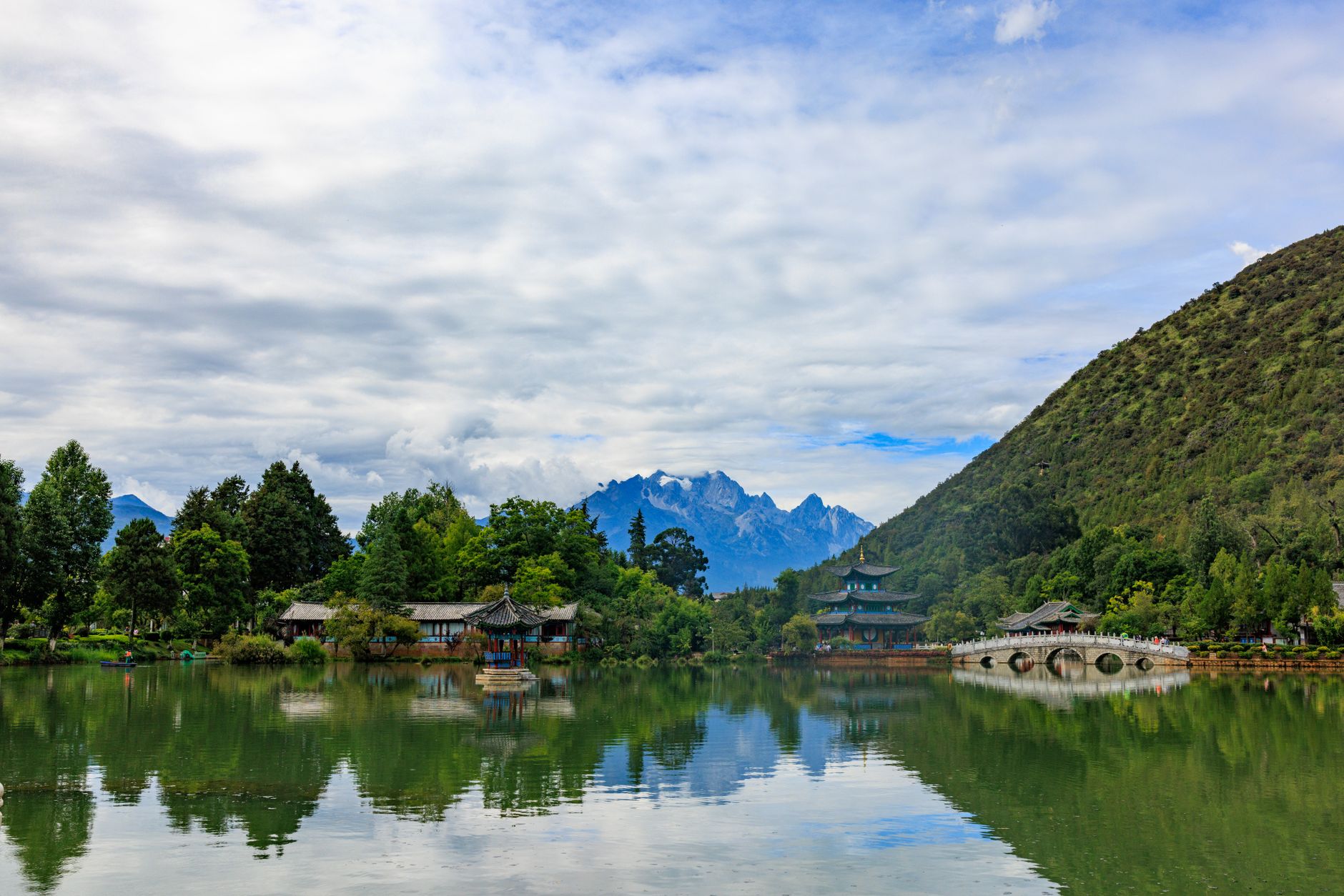
Lijiang 3-Day Itinerary: Old Town, Jade Dragon Snow Mountain & Tiger Leaping Gorge
13 min read

Kunming 3-Day Itinerary: Temples, Dianchi Lake & the Stone Forest (2026)
9 min read
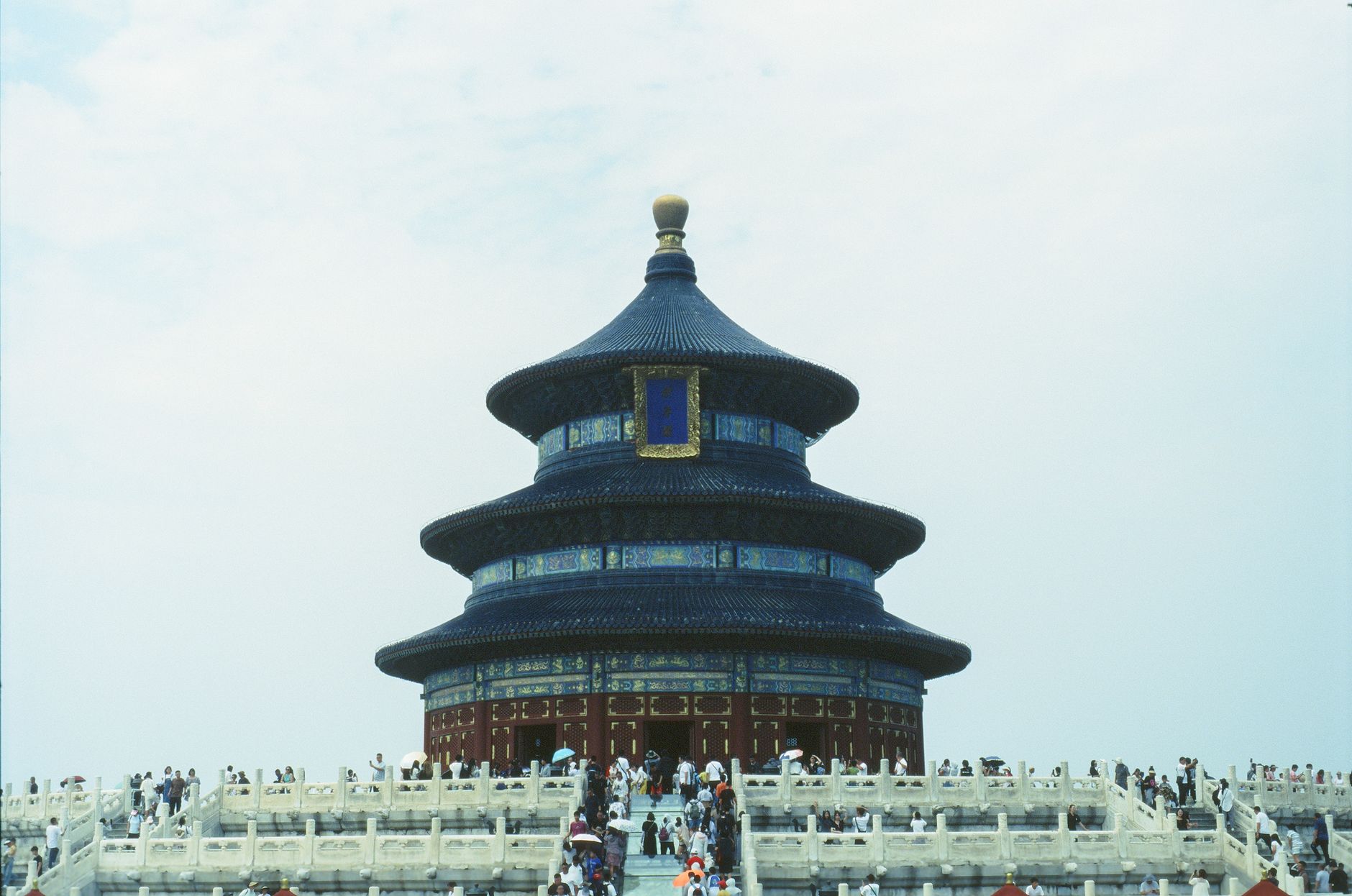
China 7-Day Itinerary: Beijing, Xi'an & Shanghai in One Week (2026)
12 min read
Alipay for Foreigners: How to Set It Up and Pay in China (2026)
6 min read