China
Nanjing
Nanjing sits on the lower Yangtze in Jiangsu province, about 70 minutes by high-speed train from Shanghai. It served as the capital of China under six dynasties and again in the early 20th century, and that long run at the centre of power left the city with an unusual density of historic sites. For travellers who find Beijing too vast or Shanghai too modern, Nanjing offers a walkable middle ground: imperial tombs on a forested mountain, a 600-year-old city wall you can climb, and a lantern-lit river quarter that comes alive after dark.
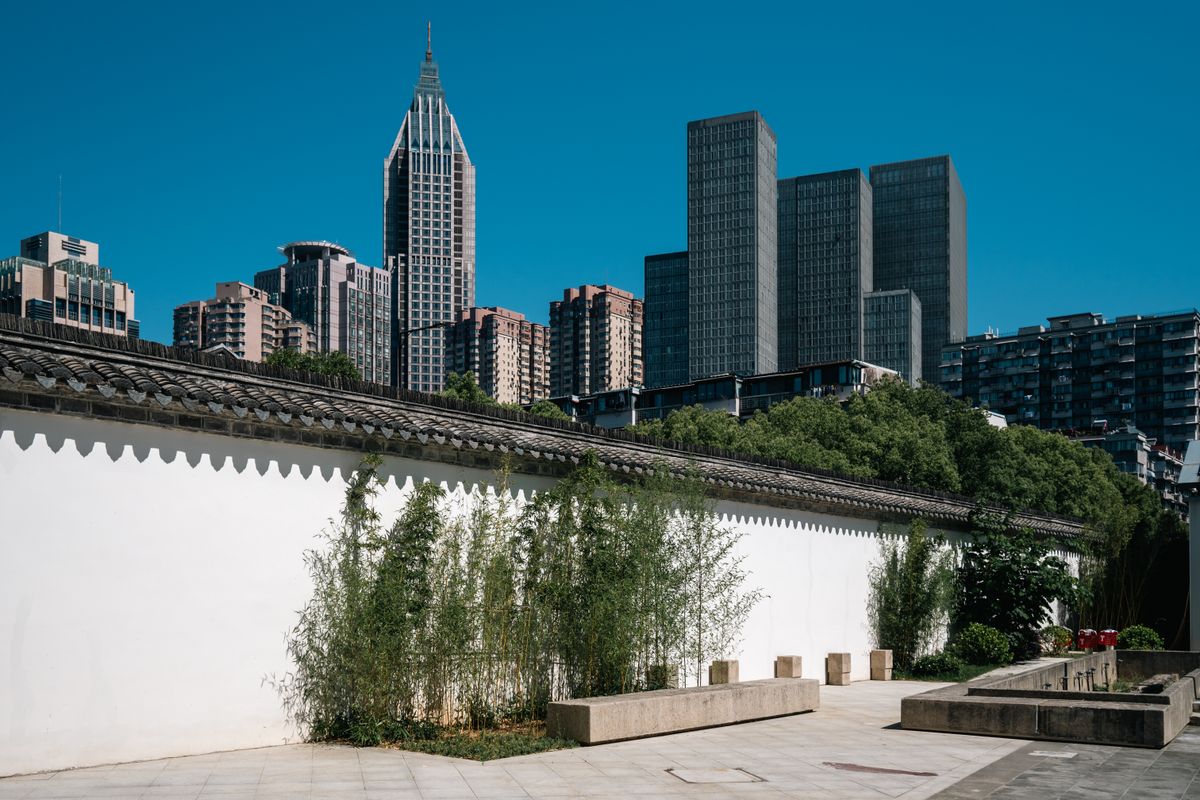
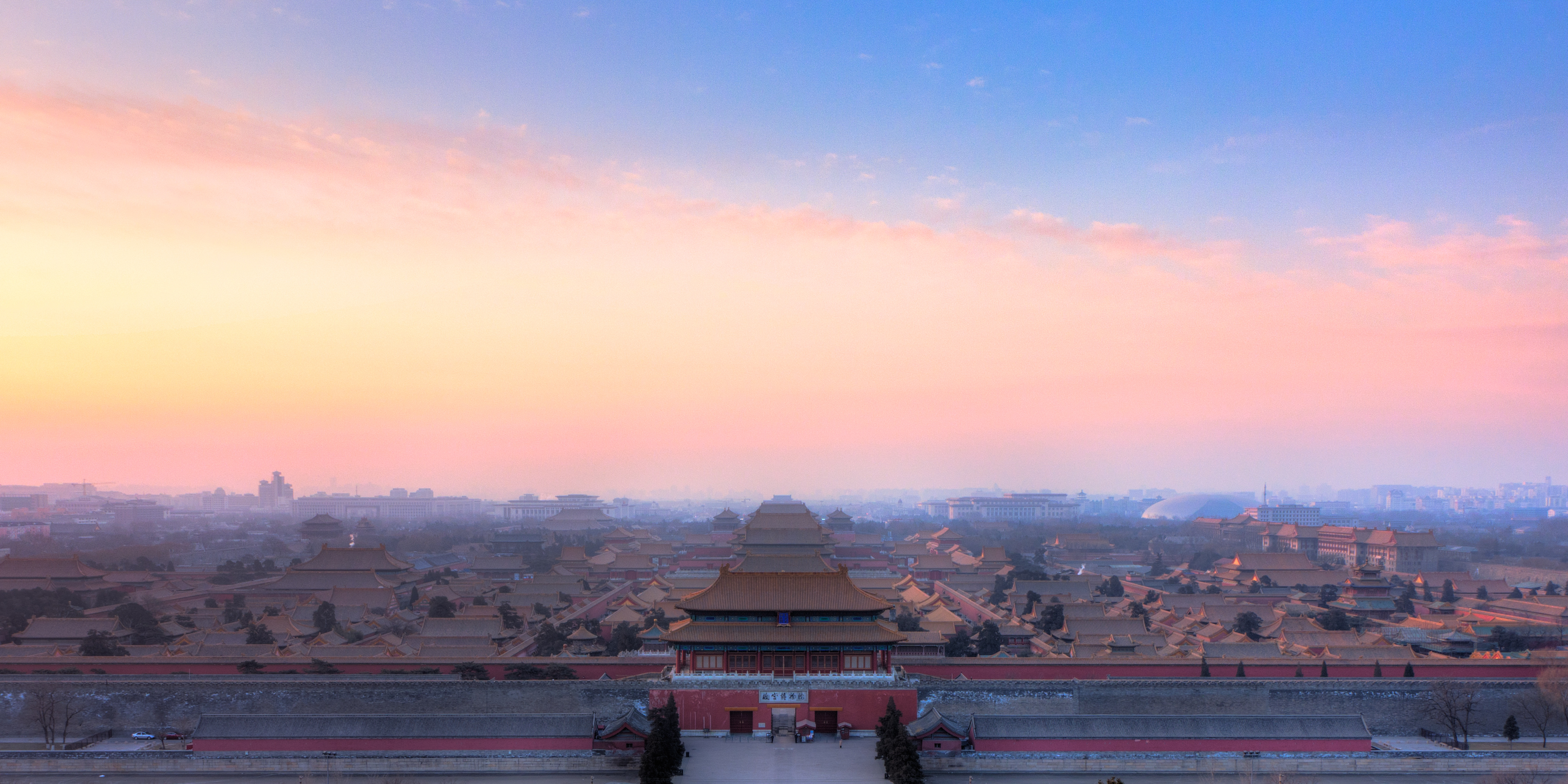
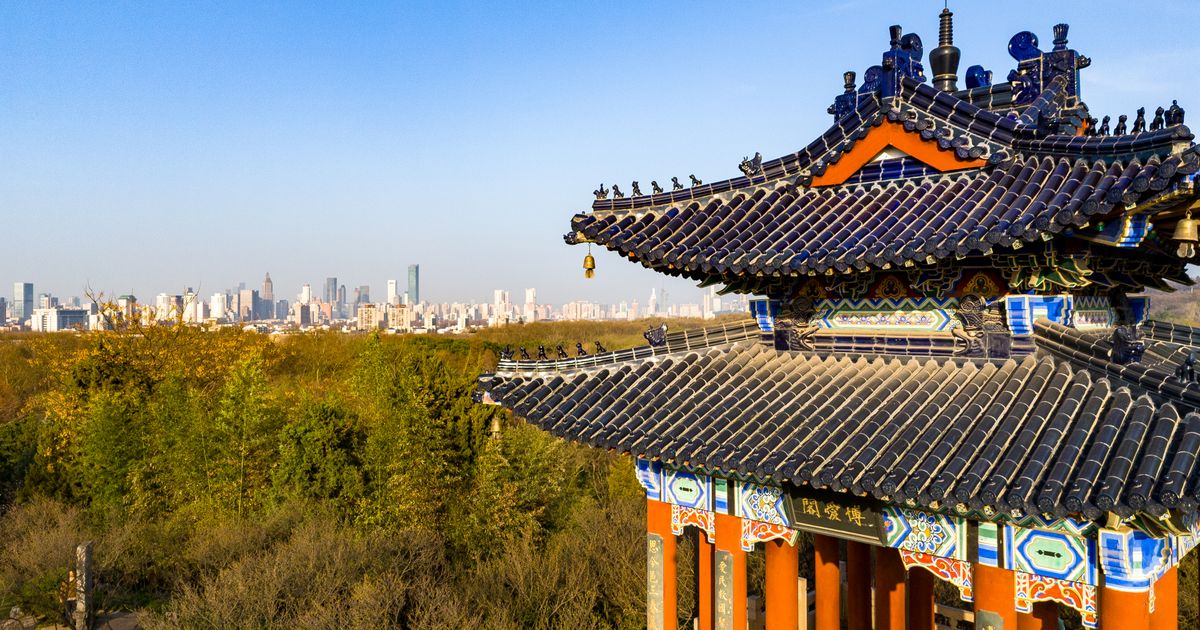
Modern skyline meeting traditional rooftops in Nanjing
Why visit Nanjing
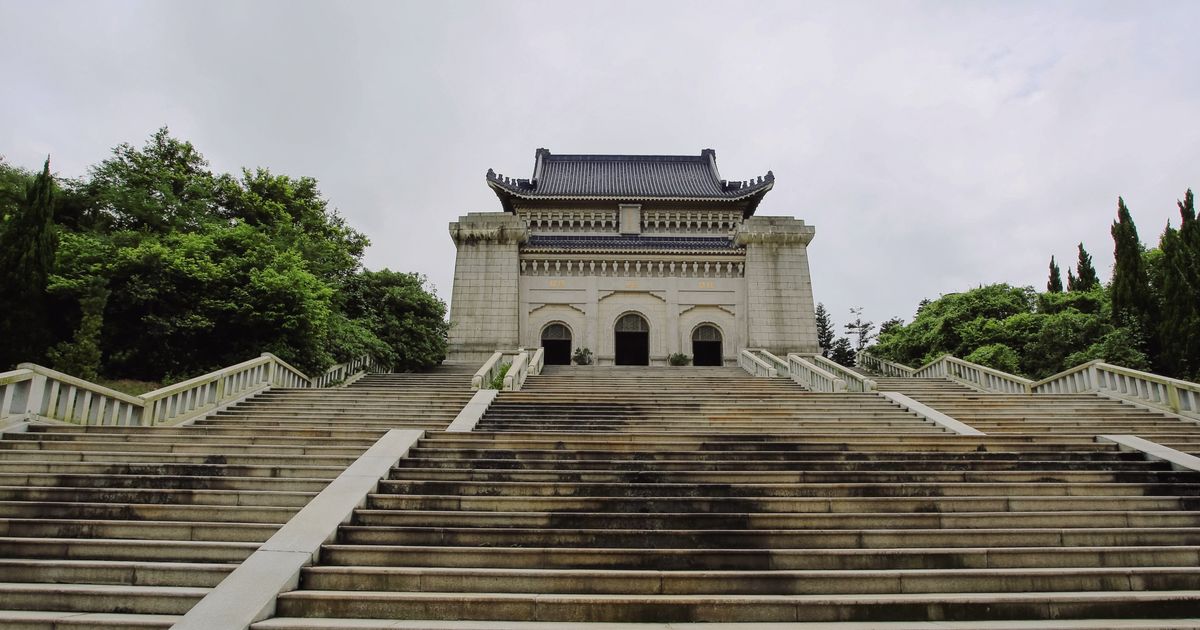
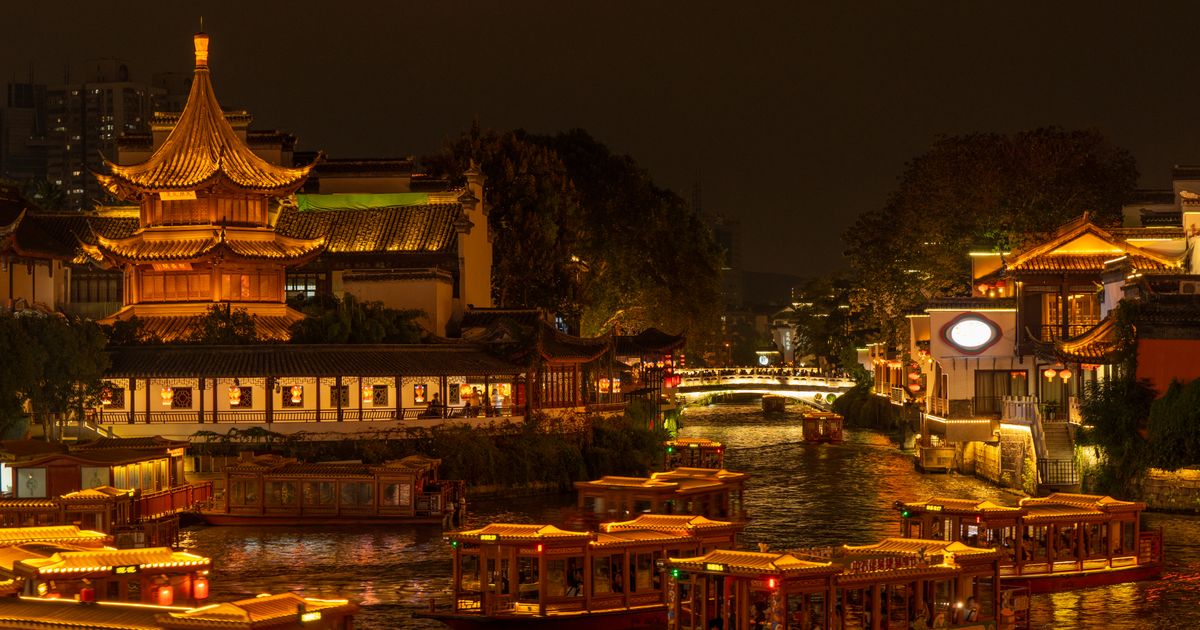
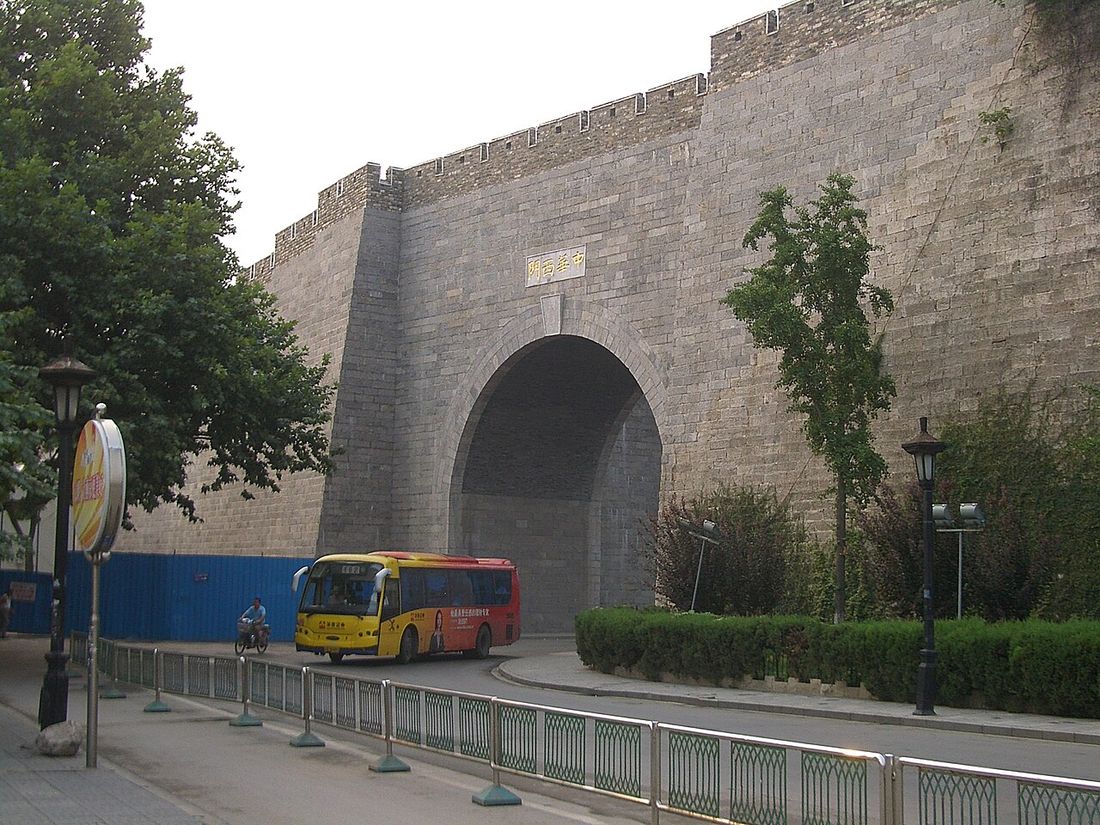
The city's signature draw is the cluster of monuments on Purple Mountain (Zijin Shan) on the eastern edge of town. The Sun Yat-sen Mausoleum, the Ming Xiaoling tomb, and quiet forest trails all sit within a single scenic area, so you can spend a full day there without backtracking. Entry to the mausoleum is free but reservation-based, and its memorial halls close on Mondays outside public holidays (as of 2026), so save Purple Mountain for another day of the week. Down in the centre, the Ming-era city wall still rings much of the old town, and the massive Zhonghua Gate fortress shows how the Ming defended their first capital. In the evening, the Confucius Temple (Fuzimiao) and the Qinhuai River district fill with food stalls, boat tours, and red lanterns reflected on the water.
Nanjing also carries a sombre, important layer of history. The Nanjing Massacre Memorial documents the events of 1937 and draws a steady stream of both Chinese and international visitors who want to understand that period.
Best time to visit
Spring (March to May) and autumn (September to November) are the most comfortable seasons, with mild temperatures and, in late March, plum and cherry blossom around the Ming Xiaoling and the city wall. Summers are hot and humid, true to Nanjing's old nickname as one of China's "furnace cities," so plan indoor museums for midday if you come in July or August. Late November brings golden ginkgo along the mausoleum approach roads, a favourite with photographers.
Getting there and around
Nanjing South Station is one of the busiest high-speed rail hubs in the country. Bullet trains run roughly every few minutes to Shanghai (about 70 to 90 minutes), Hangzhou (about 1.5 hours), and Beijing (about 3.5 to 4 hours). Lukou International Airport connects the city to the rest of China and to several regional Asian cities, and it links to the centre by metro line S1.
Trains and Nanjing hotels in English
Book bullet trains from Shanghai or Beijing and Nanjing hotels in one app, with e-tickets tied to your passport.
Some links are affiliate links; we may earn a commission at no extra cost to you.
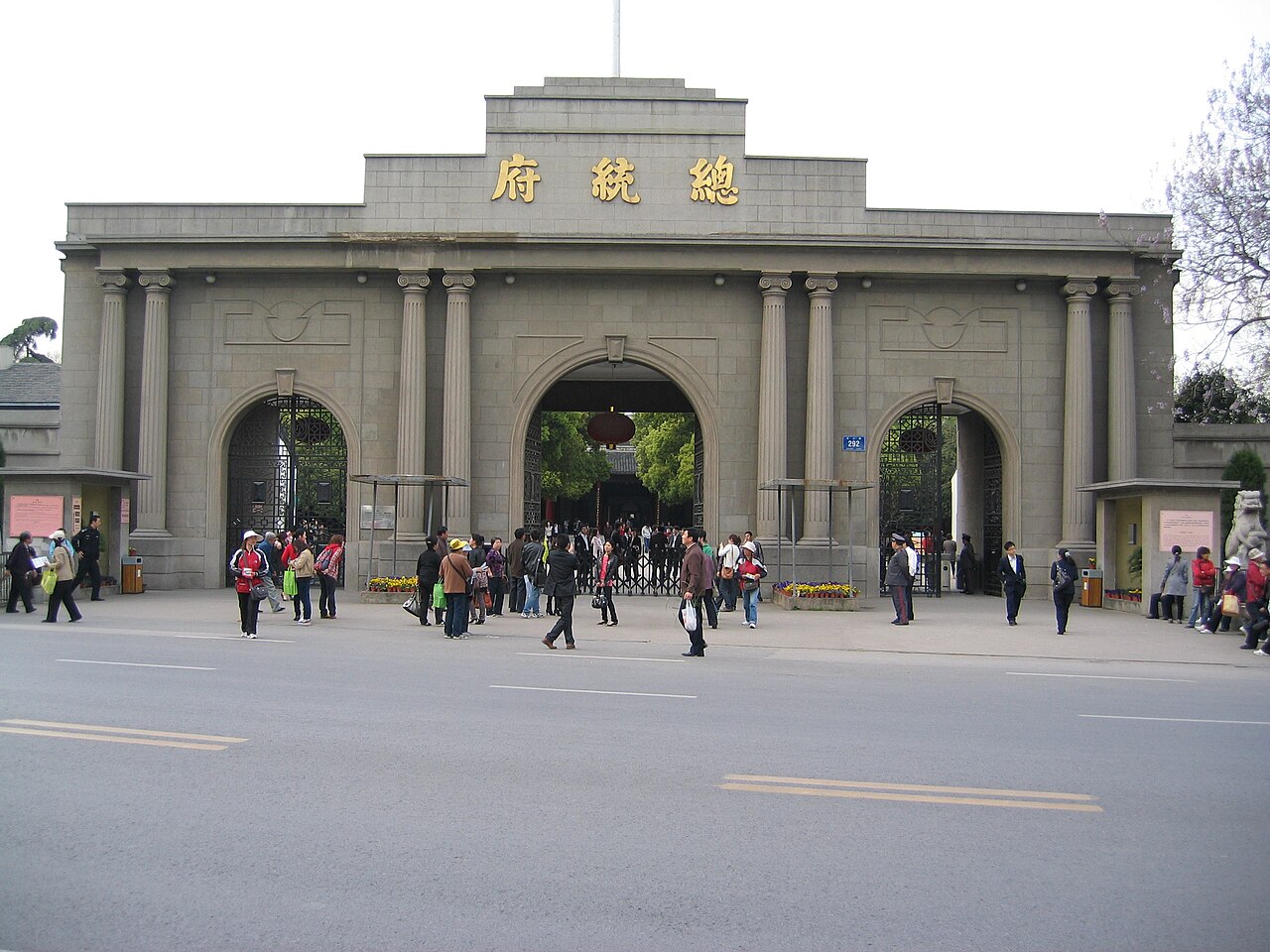
Once you arrive, the metro covers almost every site a visitor needs, including Purple Mountain, the Confucius Temple, and the Presidential Palace. Buy a transit QR pass in Alipay or WeChat, or tap a bank card at the gate. Taxis and ride-hailing through Didi are cheap and plentiful for the few spots the metro misses.
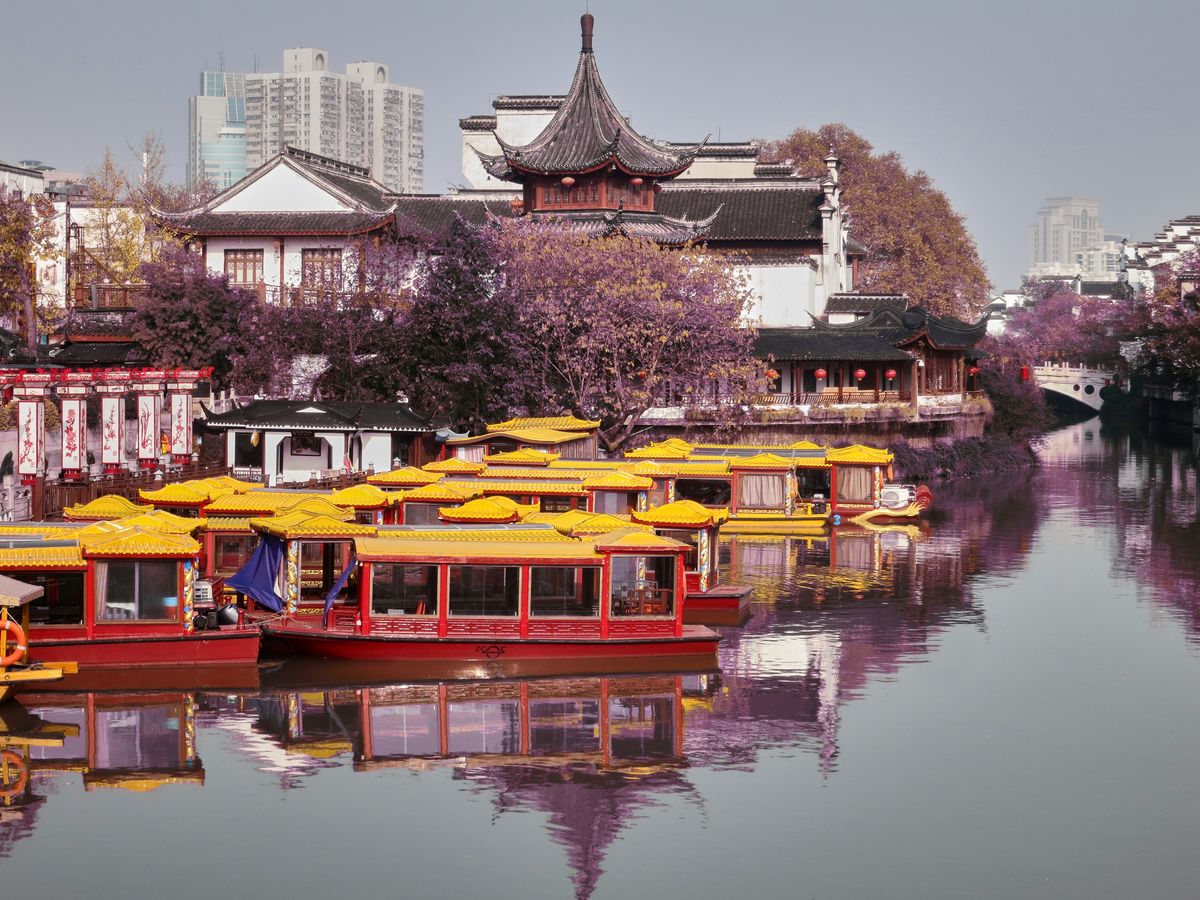
Dragon boats and traditional buildings along the Qinhuai River
Practical tips for first-timers
Two full days cover the headline sights comfortably; three lets you slow down and add a museum or a day trip. Many of the big sights ask you to book a timed entry slot, often free, through a WeChat mini-program, so set up mobile payments before you arrive. Cash is rarely accepted at ticket windows now.
Compared with Shanghai or Beijing, Nanjing sees fewer foreign tourists, which means shorter queues and more breathing room at major sites. English signage is decent at the big attractions but thinner elsewhere, so a translation app earns its keep.
Food and easy side trips
Nanjing rewards a hungry traveller. Salted duck (yan shui ya) is the local signature, alongside pan-fried buns (sheng jian), sweet osmanthus-scented dumplings, and the duck-blood vermicelli soup that locals defend fiercely. The lanes around the Confucius Temple let you sample several in one short walk, while Shiziqiao food street draws a younger crowd after dark. For a proper sit-down meal, try a Huaiyang restaurant: this refined Jiangsu cuisine prizes knife work and clear, balanced flavours rather than heat, and it is one of the cooking styles Nanjing does best.
The city also makes a strong base for side trips. Suzhou and its UNESCO classical gardens are about an hour away by bullet train, with the fastest services closer to 45 minutes. Yangzhou, known for its fried rice and canal-side teahouses, is another easy rail day trip and pairs well with a slow morning. Both let you keep your hotel in Nanjing and let the trains do the work rather than packing and repacking your bags.
Highlights
- Purple Mountain's Sun Yat-sen Mausoleum and Ming Xiaoling tomb in one forested scenic area
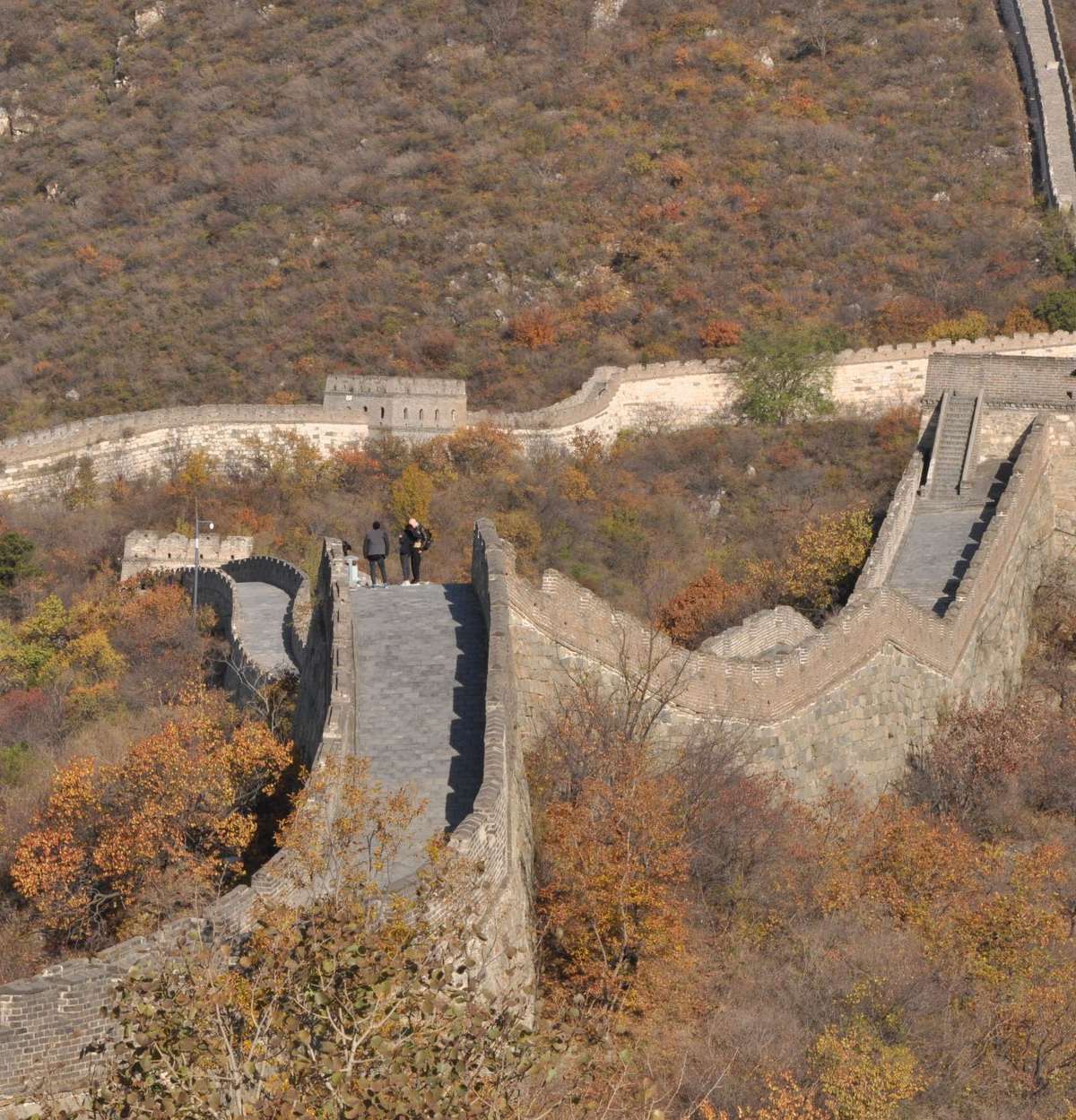
- A 600-year-old Ming city wall and the colossal Zhonghua Gate fortress
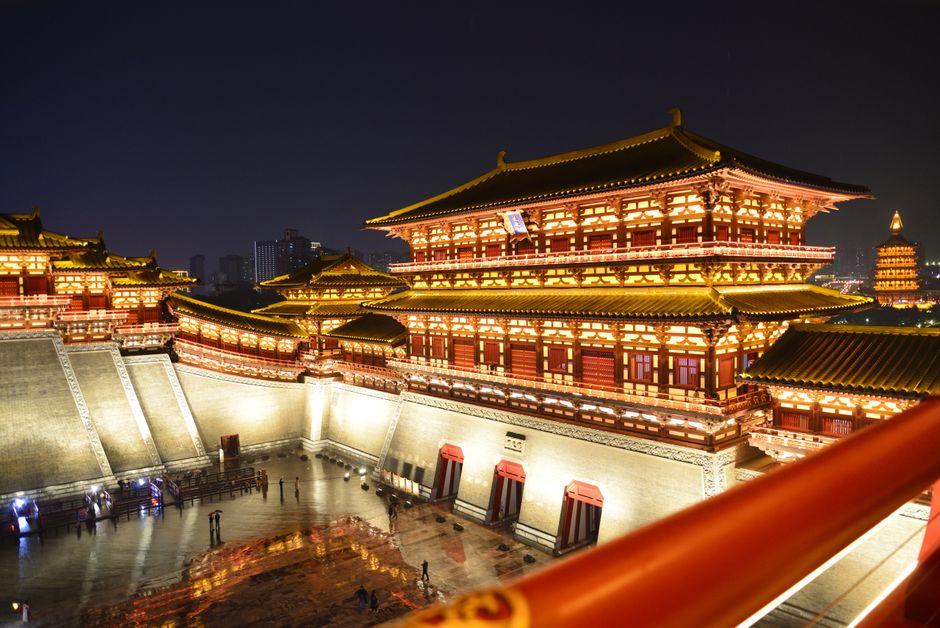
- Lantern-lit Confucius Temple and Qinhuai River nightlife with boat tours and street food
- The Presidential Palace, where Republican-era China was governed
- 70-minute bullet-train hop from Shanghai, making it an easy add-on
- Local specialities like salted duck and duck-blood vermicelli soup
Travel Tips
Reserve entry in advance
Many major sights ask you to book a timed slot, often free, through a WeChat mini-program. Set up mobile payments before you arrive, as ticket windows rarely take cash.
Base yourself near a metro line
The metro reaches Purple Mountain, the Confucius Temple and the Presidential Palace. A QR transit pass in Alipay or WeChat, or a tap of a bank card, is all you need.
Come in spring or autumn
March to May and September to November are mild and dry. Late March brings blossoms; late November brings golden ginkgo. Summer is hot and humid.
Give it two to three days
Two days cover the headline sights; a third lets you add a museum or a day trip to Suzhou, about an hour away by bullet train.