Xi'an
Huaqing Palace
Most travellers meet Huaqing Palace as the second half of a Terracotta Army day, and that sells it short. This was the Tang dynasty's winter court: Emperor Xuanzong wintered here with his consort Yang Guifei, and the hot springs at the foot of Mount Li had been drawing rulers for close to three thousand years before that. Bai Juyi's poem 'Song of Everlasting Sorrow' fixed the romance, and its tragic end, in Chinese memory; the excavated baths and the night show that borrows the poem's name both trade on it.
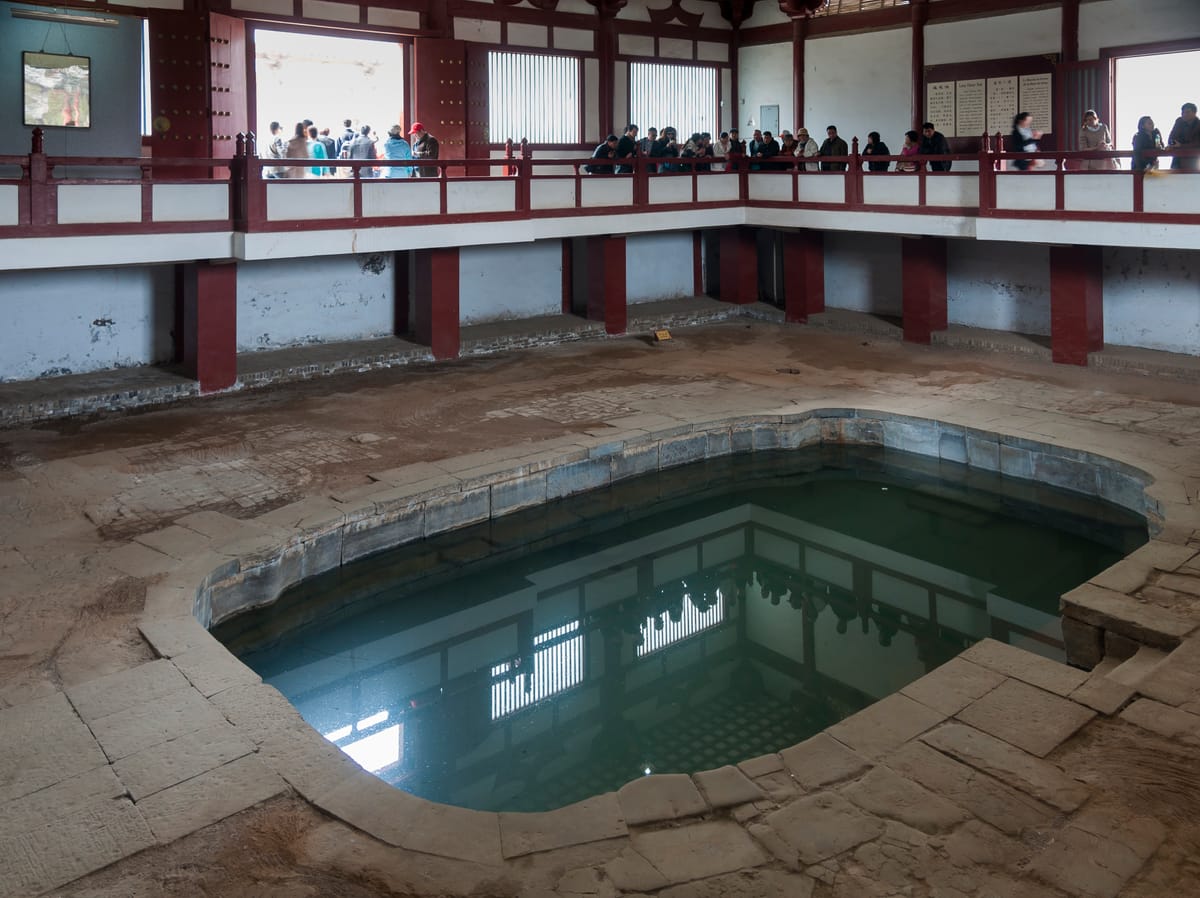
The excavated Tang imperial bathing pool at Huaqing Palace
What's left of the Tang palace
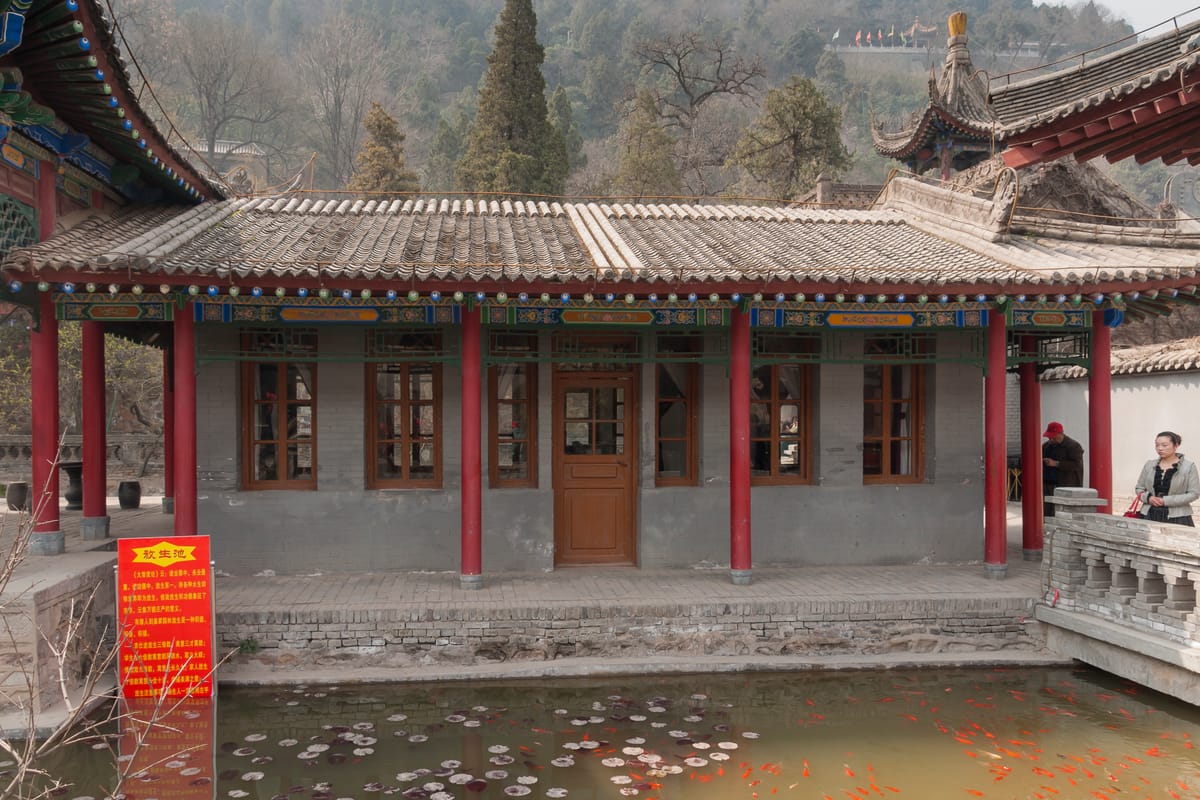
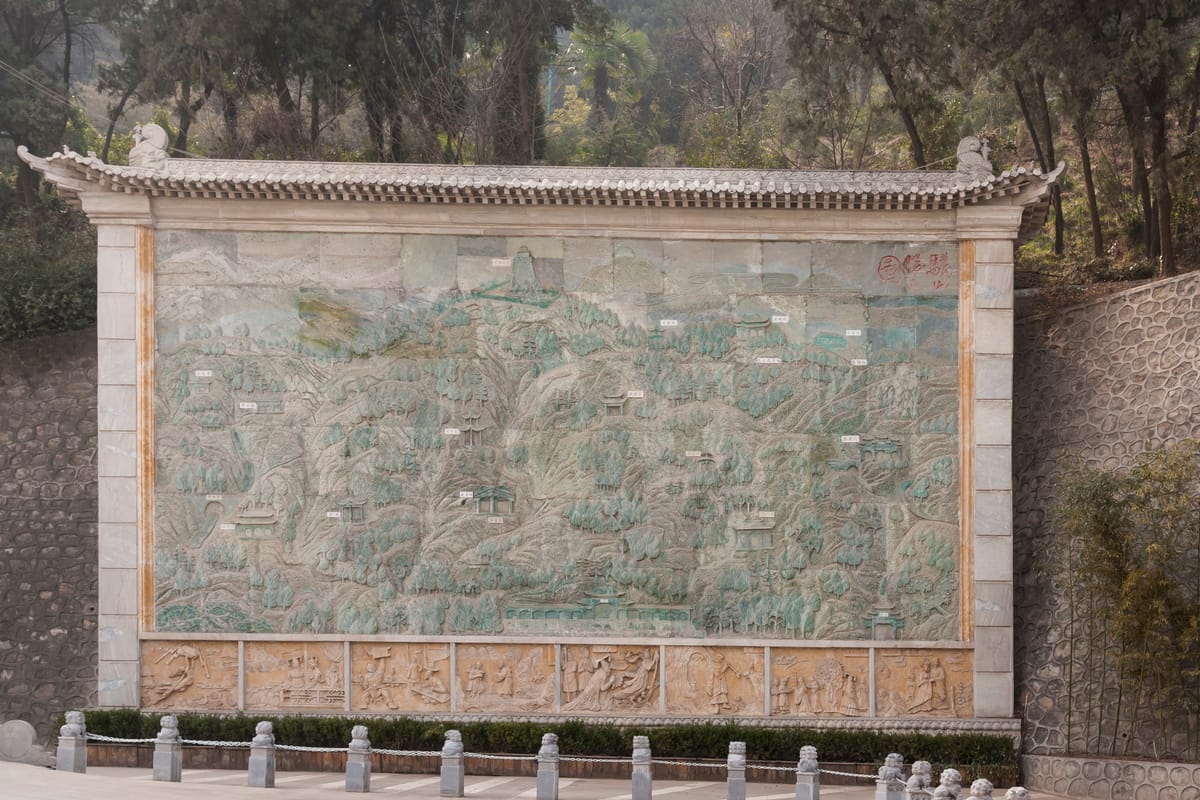
The core is the cluster of excavated imperial baths, each marble pool named and shaped for its bather; Yang Guifei's lotus-petalled Hibiscus Pool is the celebrity. Around them stand reconstructed halls, the lakeside Frost Drifting Hall and courtyards that sketch out the vanished resort. Higher on the slope sits the Five-Room Hall, where the 1936 Xi'an Incident played out: Chiang Kai-shek was seized here and pressed into a united front against Japan. Mount Li rises behind, with temples and trails reached on foot or by cable car inside the same scenic area.
Lakeside pavilions and gardens of the Huaqing scenic area
Getting there on your own
You no longer need a tour bus. Xi'an Metro Line 9 runs to Huaqingchi station; take exit B or C and the gate is a few minutes' walk. Public buses such as 306 (You 5), 914 and 915 from near Xi'an railway station stop at Huaqingchi too, on the same Lintong corridor they use for the Terracotta Army.
Hours, tickets and crowds
Gates open around 7 in the morning and day visiting runs into the early evening, a little shorter in winter. The through ticket covers the baths, the halls and the Xi'an Incident buildings; the night show is always a separate ticket. Prices change from season to season, so check current rates on the official channels or a reseller like Klook when you book. Mornings are the quiet window, since most tour groups arrive from the warriors in the afternoon.
The night show
'Song of Everlasting Sorrow' is staged on the lake with Mount Li itself as the lit backdrop, a cast of hundreds retelling the Xuanzong and Yang Guifei story. For years it ran only from spring to autumn, but a winter 'Ice and Fire' edition now covers roughly December to February, so evening performances happen most of the year; confirm dates for your travel window. Showings start around 19:30, extra performances get added in busy stretches, seats are tiered, and holiday nights sell out, so book ahead.
Fitting it around the warriors
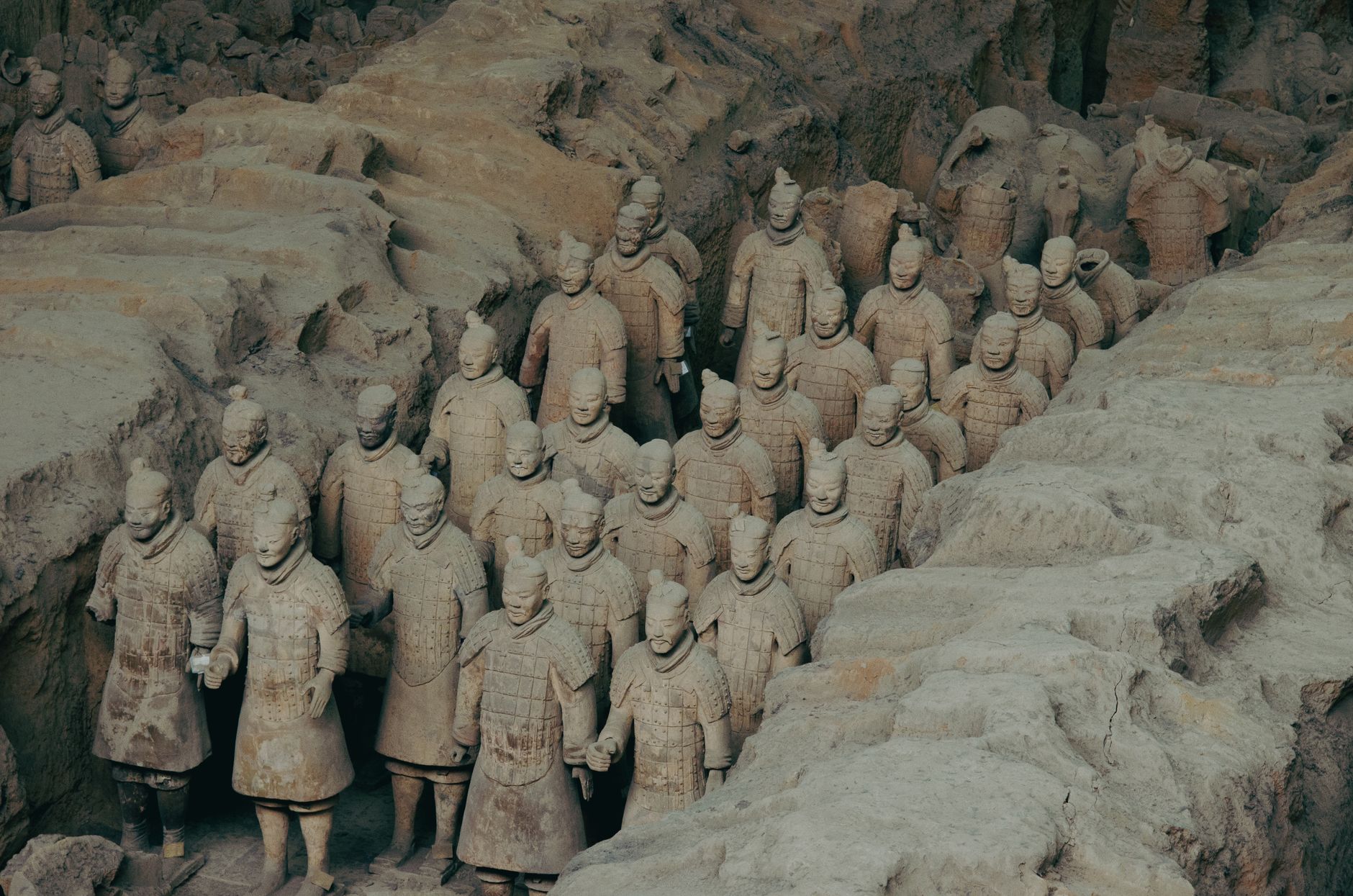
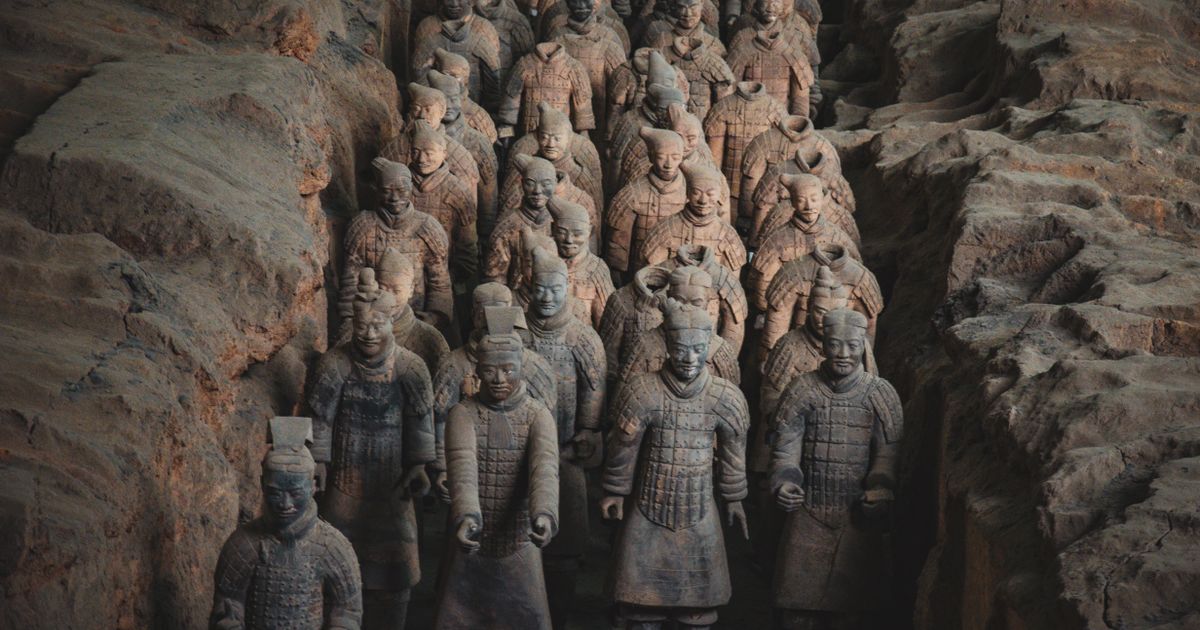
The standard play is warriors in the morning when their gates open, Huaqing from mid-afternoon, then the night show before heading back to the city by metro or taxi. It works well, but allow extra time and legs if you also want Mount Li: the climb is real, and the cable car queue grows late in the day.
Highlights
- Tang-dynasty imperial baths fed by natural hot springs at the foot of Mount Li
- Excavated marble pools, including the lotus-shaped bath of Yang Guifei
- Setting of the Emperor Xuanzong romance retold in 'Song of Everlasting Sorrow'
- The Five-Room Hall, site of the 1936 Xi'an Incident
- Lakeside night show with Mount Li as the backdrop, running most of the year
- Direct metro access on Xi'an Line 9, plus cable car and trails up Mount Li
Travel Tips
Take Metro Line 9
Huaqingchi station is a few minutes' walk from the gate, so you can visit without a tour bus and time the night show freely.
The show runs most of the year
The classic season is spring to autumn, with a winter 'Ice and Fire' edition roughly December to February. Book ahead for holidays.
Pair with the Terracotta Army
Same Lintong corridor: warriors in the morning, palace from mid-afternoon, show in the evening.
Budget legs for Mount Li
Lishan is part of the scenic area but a real climb; take the cable car if you want both baths and peak in one visit.