Xi'an
Muslim Quarter
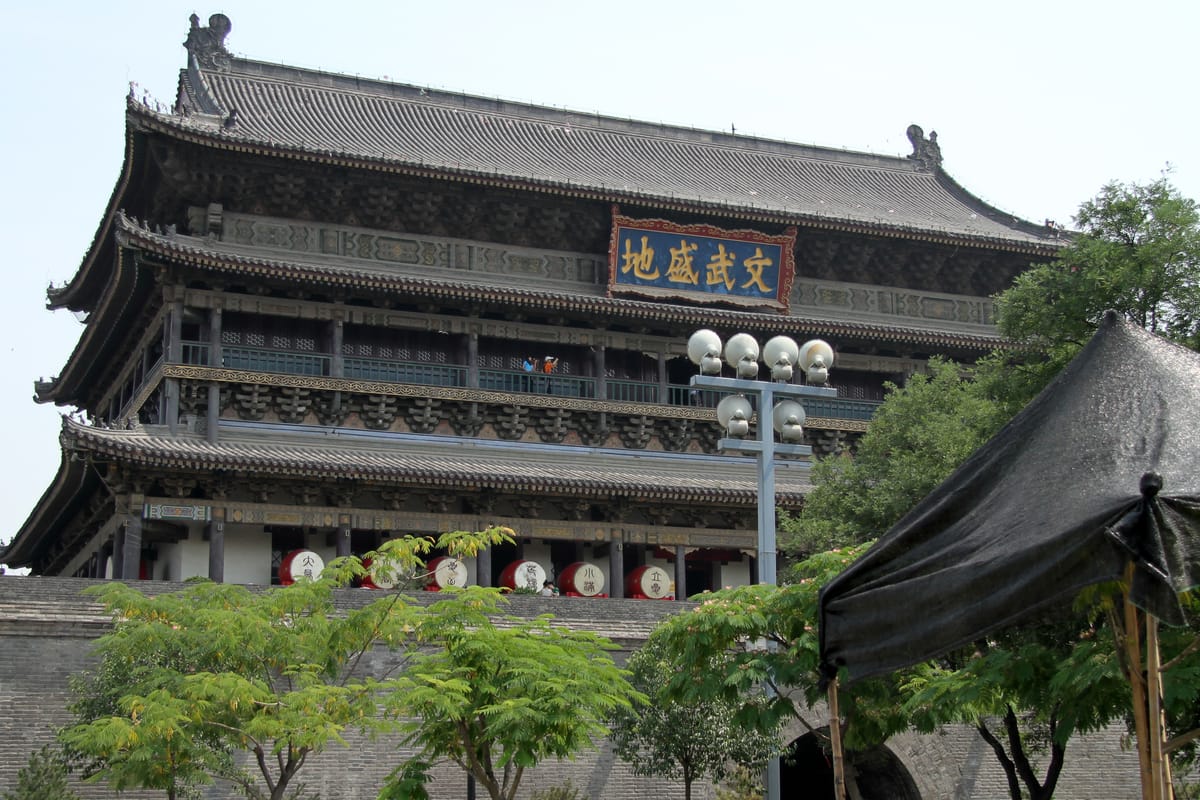
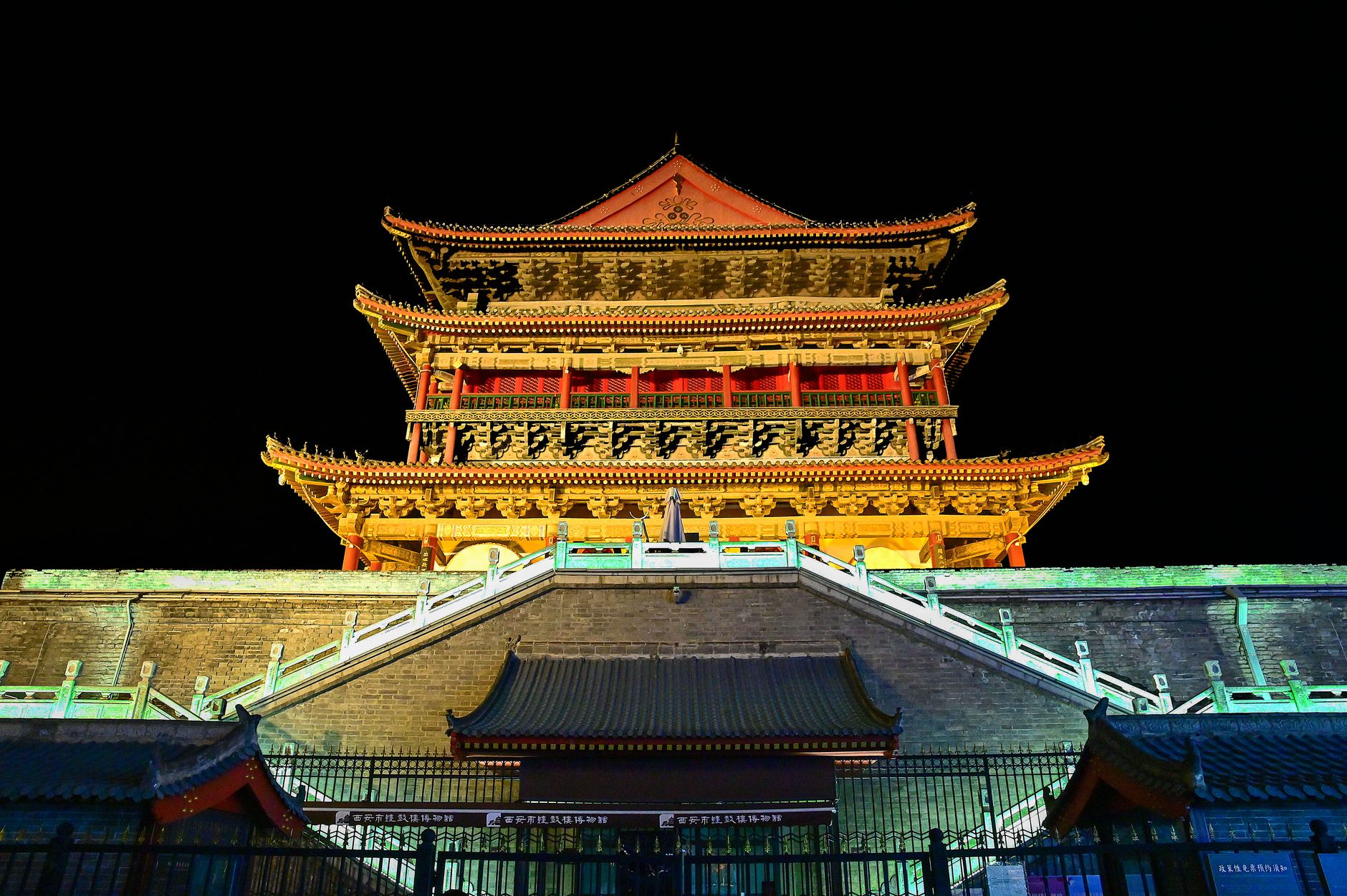
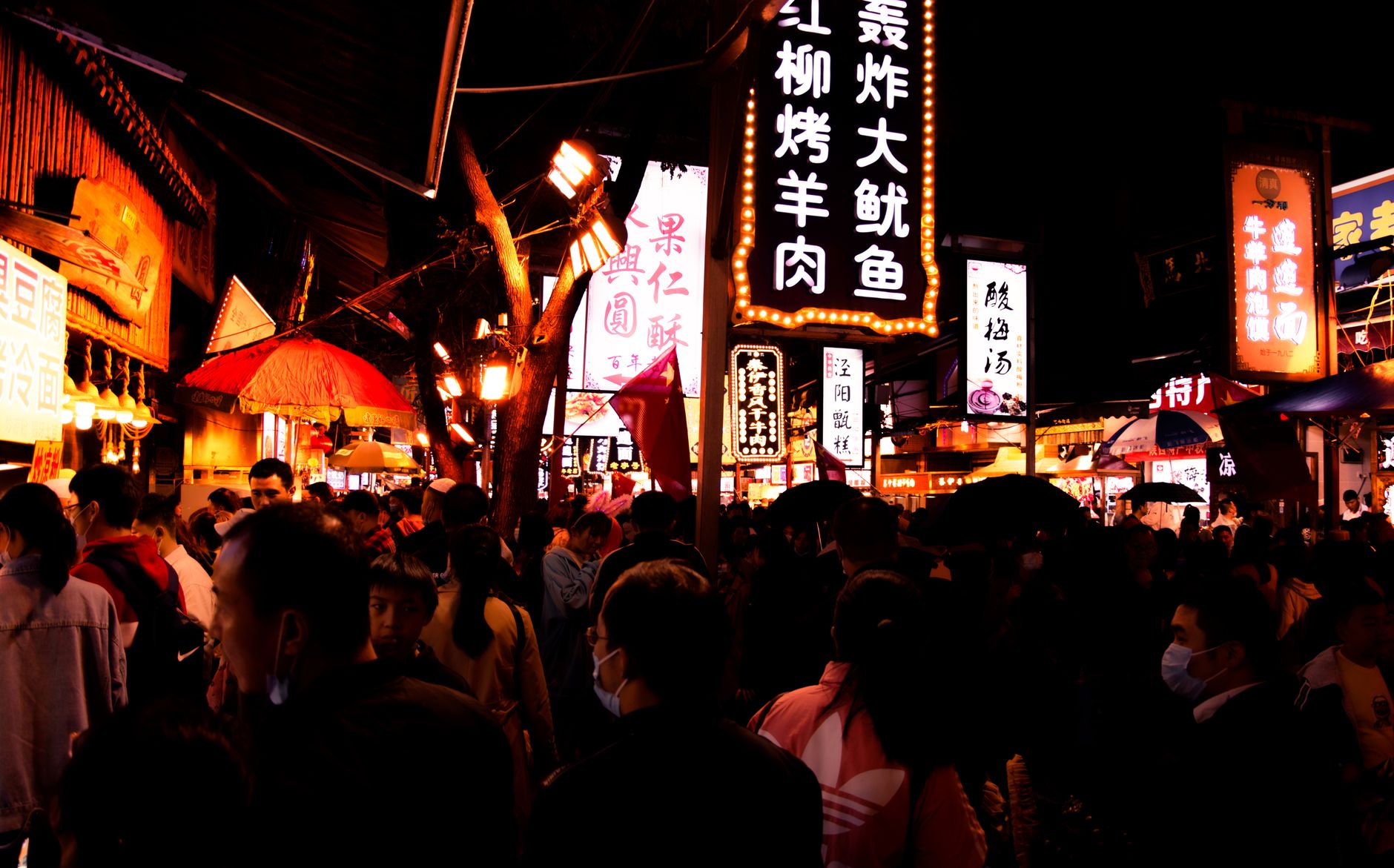
Step through the arch behind the Drum Tower after sunset and you walk into a wall of charcoal smoke, cumin and noise. This is the Muslim Quarter, Hui Min Jie to locals: the home of Xi'an's Hui Muslim community, whose roots go back more than a thousand years to Silk Road traders, and the best evening of eating the city offers. The streets are public and free to wander; the only decisions are which lane to walk and what to order first.
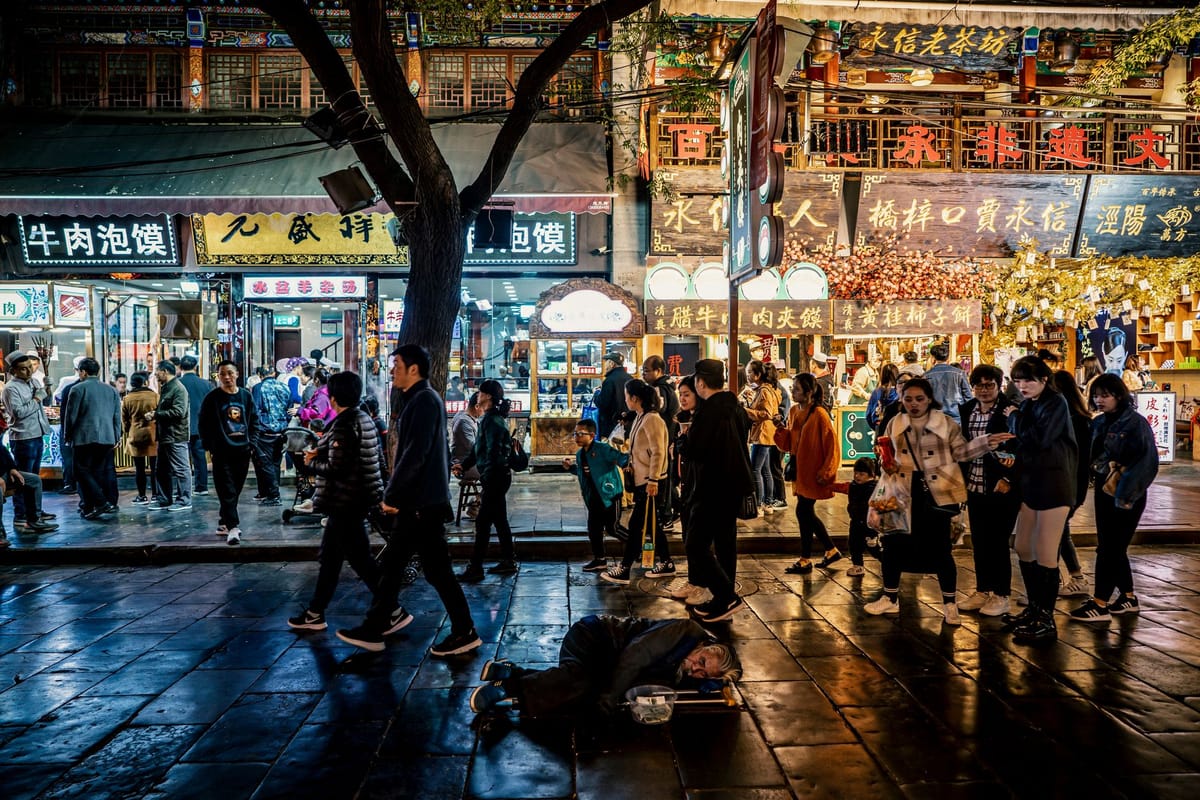
A bustling night-market lane in the Muslim Quarter, hung with food-stall signs
Which lane to eat on
The quarter is a grid of lanes, and they are not interchangeable:
- Beiyuanmen, the main drag running north from the Drum Tower, has the lanterns, the crowds and the widest spread of stalls. Photogenic, but the most touristed.
- Xiyangshi, running east to west off it, draws more local diners and thins the crowds a notch.
- Dapiyuan is where locals point you for yangrou paomo, the quarter's signature mutton soup.
- Sajinqiao, on the western edge, is where the neighbourhood itself eats, especially at breakfast. Start here in the morning if you want the quarter without the tour groups.
What to order
The classics are worth their reputation: roujiamo (stewed beef or lamb stuffed in a crisp flatbread), yangrou paomo (mutton broth poured over bread you tear up yourself, the tearing is part of the ritual), hand-pulled biang-biang noodles slapped against the counter, cumin-crusted lamb skewers straight off the charcoal, and fried persimmon cakes for something sweet. Most stalls cook in front of you, so a queue of locals is the most reliable menu. The food is halal throughout the quarter; skip the idea of bringing in beer or pork snacks from elsewhere.
Duck into the Great Mosque
A few steps off the food streets, down Huajue Lane's souvenir stalls, stands the Great Mosque of Xi'an, one of the oldest and largest in China. There is no dome and no minaret: it is built as a sequence of Chinese courtyards, timber halls and stone archways, with Arabic calligraphy threaded through the carvings. Non-Muslim visitors pay a small entry fee to walk the courtyards and gardens; the prayer hall itself is reserved for worshippers. Dress modestly and give the space its quiet, it is a working mosque, not a museum.
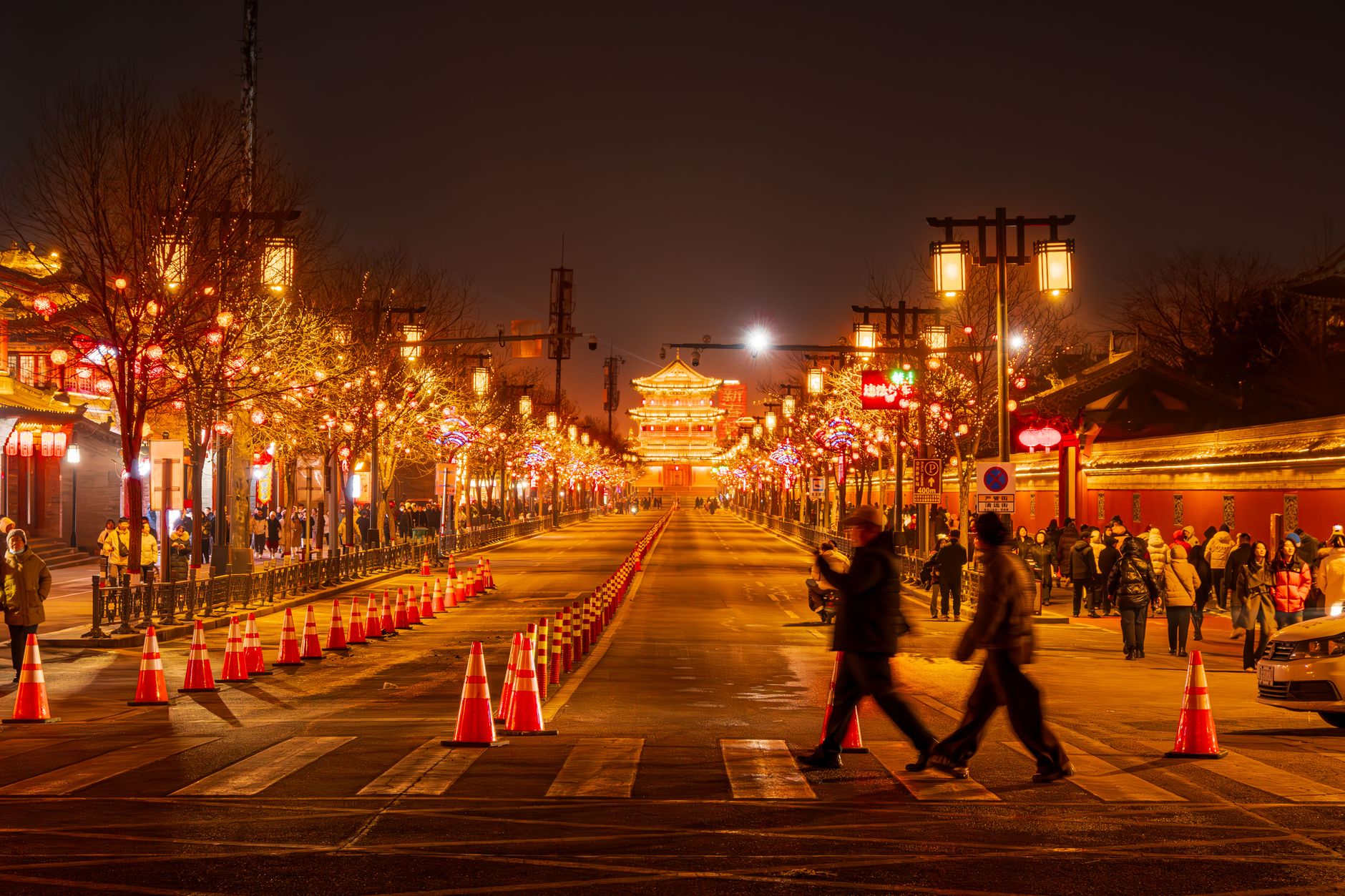
A Muslim Quarter street glowing with red lanterns in the evening
When to go and getting there
Evening is the show: stalls fire up their grills as the light drops, and the lanes stay loud until late. Mornings are the local hour, and mid-afternoon is the lull, with some stalls resting between services. Take Metro Line 2 or Line 6 to Zhonglou (Bell Tower) station and walk toward the Drum Tower; the quarter opens directly behind it, which makes a late-afternoon tower visit followed by an evening of grazing the natural sequence. If you would rather have the lanes decoded stall by stall, evening food walks led by local guides are easy to book through platforms like Klook.
Practical notes
Come hungry and graze: portions are snack-sized by design, and committing to one sit-down meal wastes stomach space. Stalls move fast, so have small notes or a working mobile-pay app ready and confirm the price before ordering. Alipay and WeChat Pay are accepted at almost every stall, and many now take foreign cards linked through those apps.
Highlights
- A warren of food lanes centred on Beiyuanmen, behind the Drum Tower
- Home to Xi'an's Hui Muslim community, rooted in Silk Road trade
- Signature bites: roujiamo, lamb paomo, persimmon cakes and biang-biang noodles
- The serene Great Mosque, built as Chinese courtyards rather than domes
- Locals' lanes too: Xiyangshi, Dapiyuan and Sajinqiao beyond the main drag
- Best after dark, when stalls, lanterns and grills light up the alleys
Travel Tips
Go hungry in the evening
The quarter is liveliest after sunset; come with an empty stomach and graze across several stalls rather than one big meal.
Step off the main drag
Beiyuanmen is the photogenic tourist lane; Xiyangshi and Dapiyuan feed more locals, and Sajinqiao is the neighbourhood's own breakfast street.
Carry small cash or mobile pay
Stalls move fast: have small notes or a working mobile-pay app ready, and confirm the price before ordering.
Duck into the Great Mosque
A few steps off the food street on Huajue Lane; non-Muslims pay a small fee for the courtyards, the prayer hall is for worshippers. Dress modestly.