China
Guangzhou
Guangzhou for first-time international visitors
Guangzhou is in southern China, in central Guangdong Province and north of the Pearl River Delta. Use this page as an arrival-focused starting point: confirm your entry status before booking, prepare your arrival information, and keep your airport plan simple.
Sort out entry documents before departure
Your passport, visa status and onward itinerary are separate checks. Do not assume that a flight connection automatically makes a transit policy available.
China has a 240-hour visa-free transit policy for eligible nationals who are transiting to a third country or region with confirmed onward travel. It remains subject to the policy conditions and permitted-area rules. Guangzhou Pazhou Ferry Terminal is listed among the designated entry ports, but a named port is not a substitute for meeting every eligibility requirement.
Before you travel, compare your nationality, routing and confirmed onward ticket with the current official conditions. If anything is unclear, treat a visa as the safer planning assumption and ask the relevant Chinese embassy, consulate or carrier before departure.
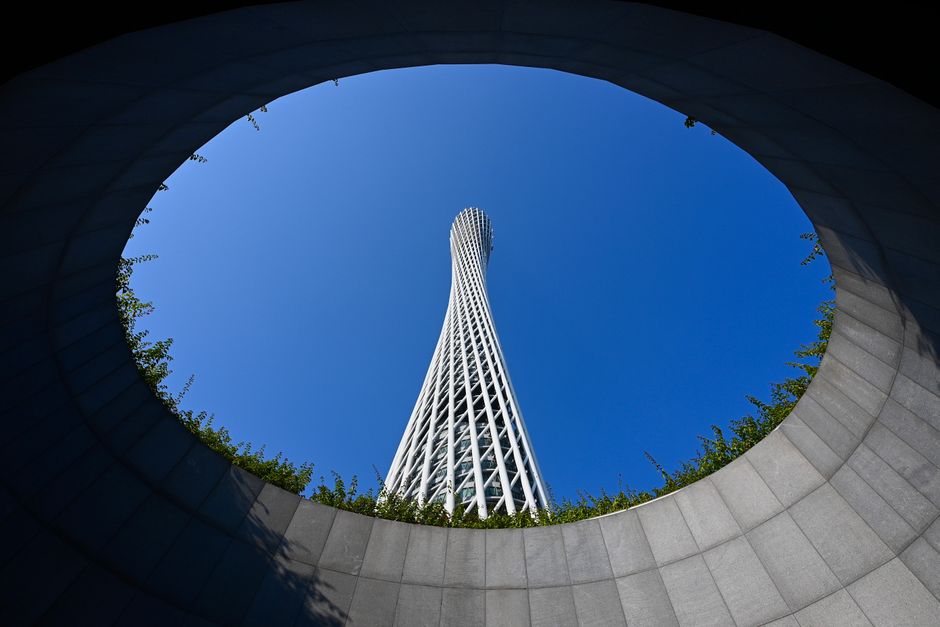
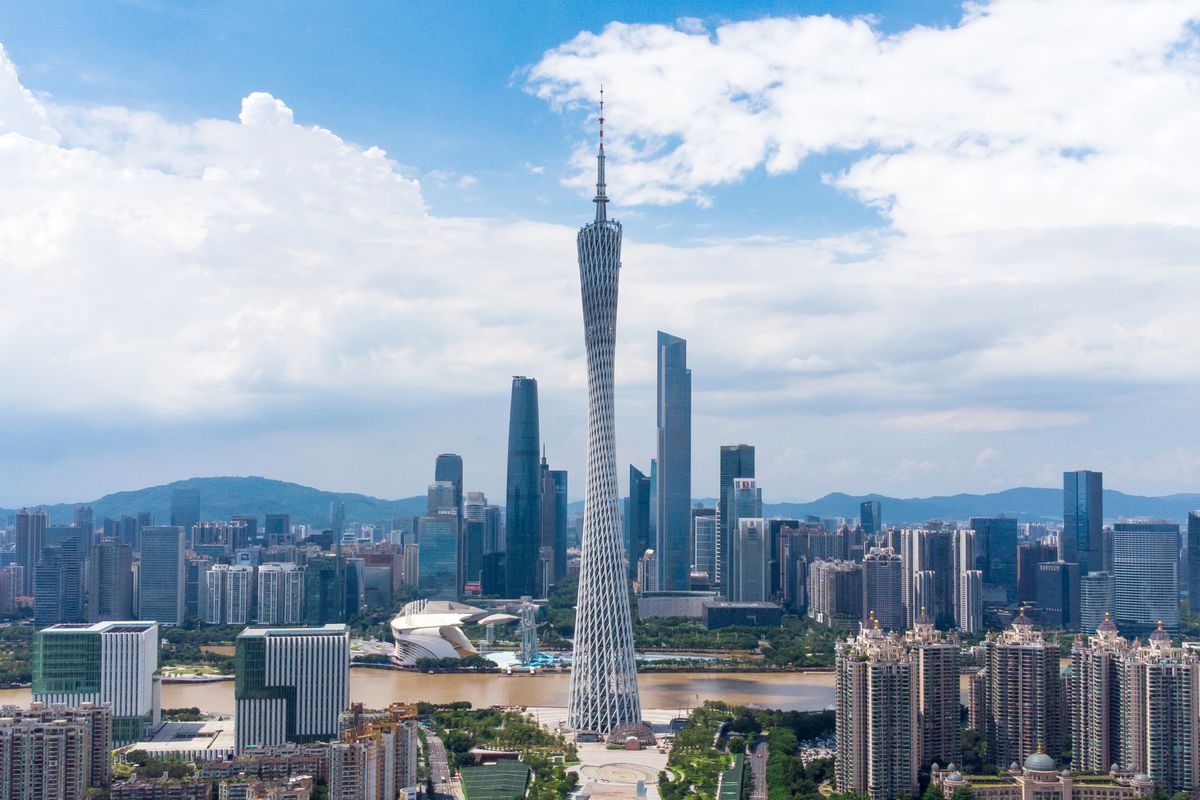
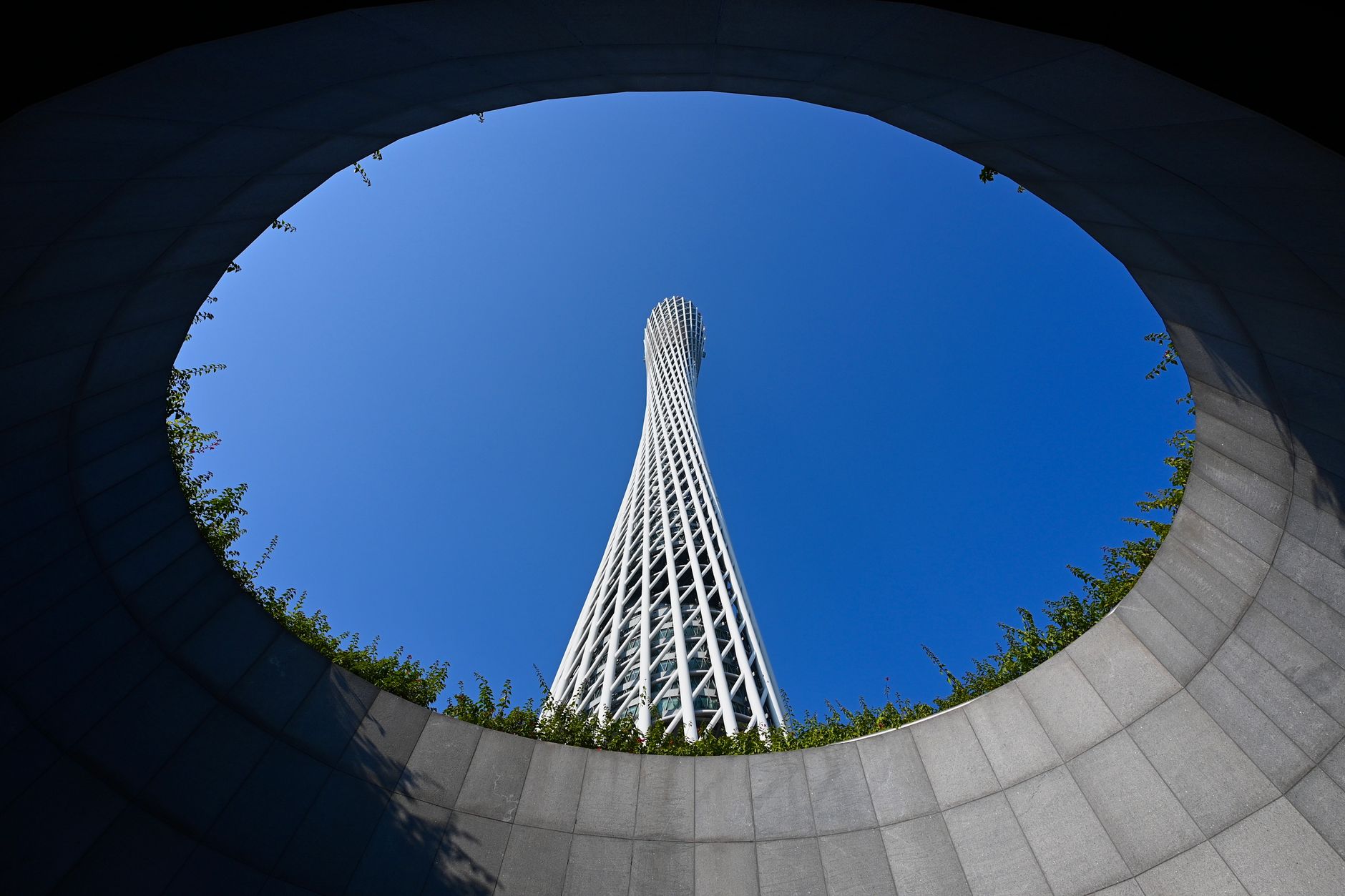
Canton Tower framed by a circular opening against a clear blue sky.
Complete arrival information early
Foreign travelers may submit China’s arrival-card information online before travel. If you cannot complete it in advance, you can complete it on arrival using a QR code, an on-site device or a paper card.
A practical approach is to keep your passport and trip details easy to reach before landing. Save the information you enter, if the process provides a confirmation, and allow extra time at arrival rather than relying on a last-minute connection.
Do not confuse an online arrival-card submission with permission to enter China. It is arrival information, while visa and transit eligibility are decided under their own rules.
If you arrive at Baiyun Airport Terminal 3
For Terminal 3, travelers using Metro Line 3 or Metro Line 9 can transfer at Gaozeng Station to the free Terminal 3 shuttle. The Guangzhou municipal guide states that the trip is about 15 minutes and that services run every 15–20 minutes.
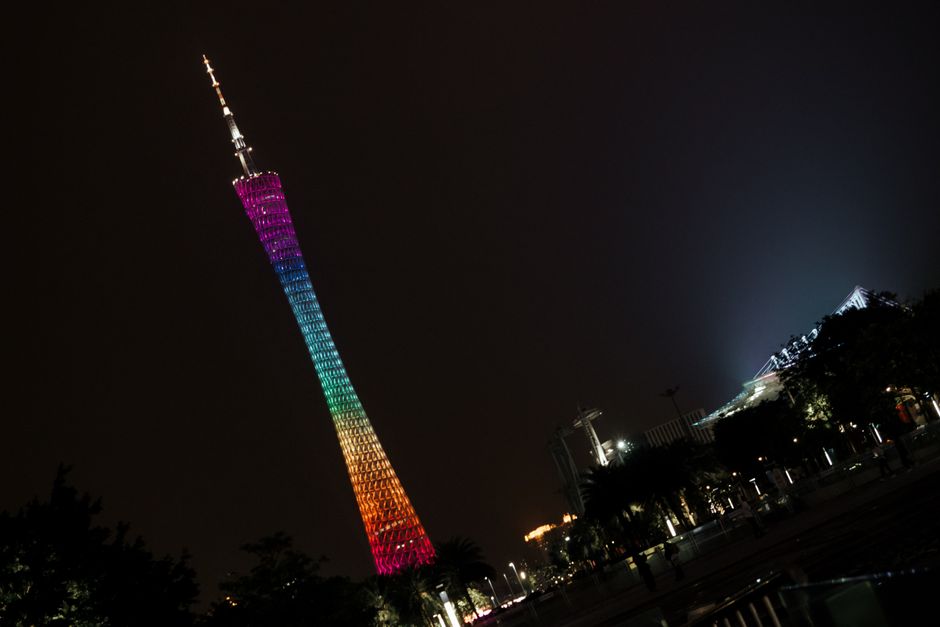
Vibrant night view of the illuminated Canton Tower in Guangzhou against a dark sky.
That transfer can be useful, but leave margin for finding the transfer point, waiting for the shuttle and moving luggage. Check for operational updates on the day you travel, especially if your flight schedule is tight.
A calm first-arrival checklist
- Confirm your visa or transit eligibility before leaving for the airport.
- Keep confirmed onward-travel evidence available if you plan to rely on transit rules.
- Submit arrival-card information online if you can; otherwise plan to complete it after landing.
- If Terminal 3 is part of your route, note Gaozeng Station and the free shuttle connection.
- Build spare time into any same-day onward journey.
What to do if your plan changes
A changed onward ticket, airport, arrival time or destination can affect an entry plan. Recheck official information before travel instead of relying on an earlier itinerary. For airport transfers, follow current signs and staff instructions if they differ from a pre-trip guide.
The useful principle for Guangzhou is simple: prepare documents before departure, keep enough time after landing, and verify any policy-dependent plan against the official notice that applies to your trip.
Highlights
- Southern China location in central Guangdong Province, north of the Pearl River Delta.
- Arrival-card information can be submitted online before travel.
- On-arrival arrival-card options include a QR code, an on-site device or a paper card.
- Eligible transit travelers may be covered by the 240-hour visa-free transit policy, subject to all conditions.
- Guangzhou Pazhou Ferry Terminal is a designated entry port for the policy.
- Terminal 3 metro passengers can transfer at Gaozeng Station to a free shuttle.
Travel Tips
Treat transit rules as a document check
Check nationality, third-country or region onward travel, and permitted-area conditions against the official policy before departure.
Do the arrival card before flying if possible
Online submission can reduce one task after landing. If you cannot submit it early, use the arrival options provided on site.
Allow time for the Terminal 3 transfer
From Metro Line 3 or 9, transfer at Gaozeng Station for the free Terminal 3 shuttle. The published journey is about 15 minutes, with service every 15–20 minutes.